Eggs on the table: helping families in rural Ethiopia eat better
In parts of Ethiopia’s Somali Region, families keep chickens, but until recently few of them ate chicken, and eggs were not considered food. It points to a wider problem. Ethiopia has one of the highest burdens of child and maternal malnutrition in sub-Saharan Africa, and food shortages are only part of the reason. Although the nation has made some progress towards achieving a target for stunting, according to the Global Nutrition Report, 36.8% of children under 5 years of age are still affected.
In many farming and pastoralist communities, people don’t eat a wide enough range of foods, or enough eggs, milk, meat and vegetables, even when these are produced locally. Cost and availability matter, but so do limited awareness and long-held beliefs about what families should eat.
Intervention landscape
The Strengthening adaptive capacity of extensive livestock systems for food and nutrition security and low-emissions development in Eastern and Southern Africa project set out to address this challenge in the Somali and Southwest regions of Ethiopia. It is funded by the Australian Centre for International Agricultural Research (ACIAR) and led by ILRI, with Unique Land Use, Food, Agriculture and Natural Resources Policy Analysis Network (FANRPAN) and the International Center for Agricultural Research in the Dry Areas (ICARDA) as technical partners.
By collaborating with national universities and local authorities in Ethiopia, Kenya and Zimbabwe, the project worked with smallholder farmers and pastoralist households to build their knowledge of food and nutrition and to help them use that knowledge when deciding what to eat and how to cook it.
A review of the impact of livestock interventions on food and nutrition security at community-based breeding program (CBBP) sites in Ethiopia found gaps in people’s diets. Families ate few animal-source foods such as eggs, milk and meat, and rarely ate fruit or vegetables. This was especially true in pastoralist communities of the Somali region.
Women of reproductive age and young children were particularly vulnerable to nutrient deficiencies caused by poor dietary diversity. Producing more food would not be enough on its own. Families also needed nutrition education and support to change long-standing habits, including how food decisions are made at home.
A community-centered approach to capacity development
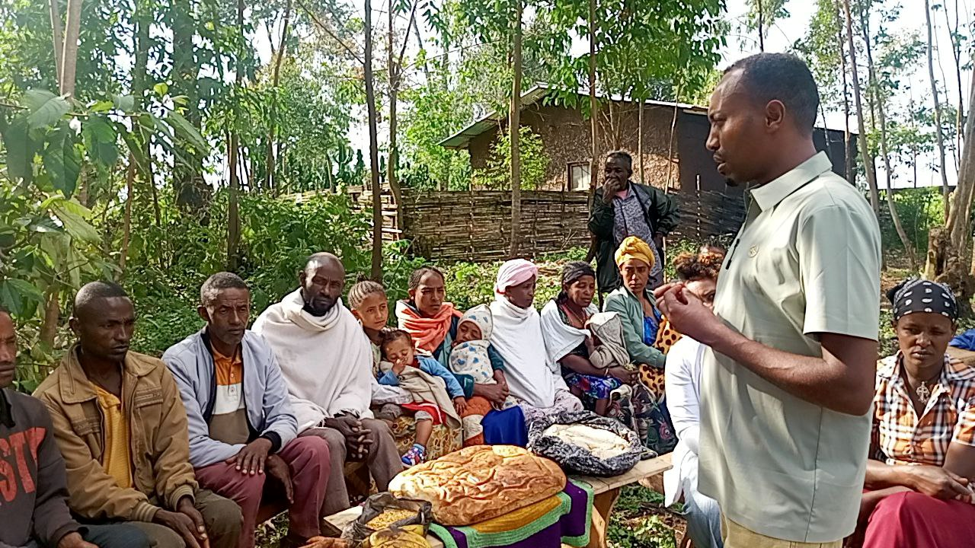
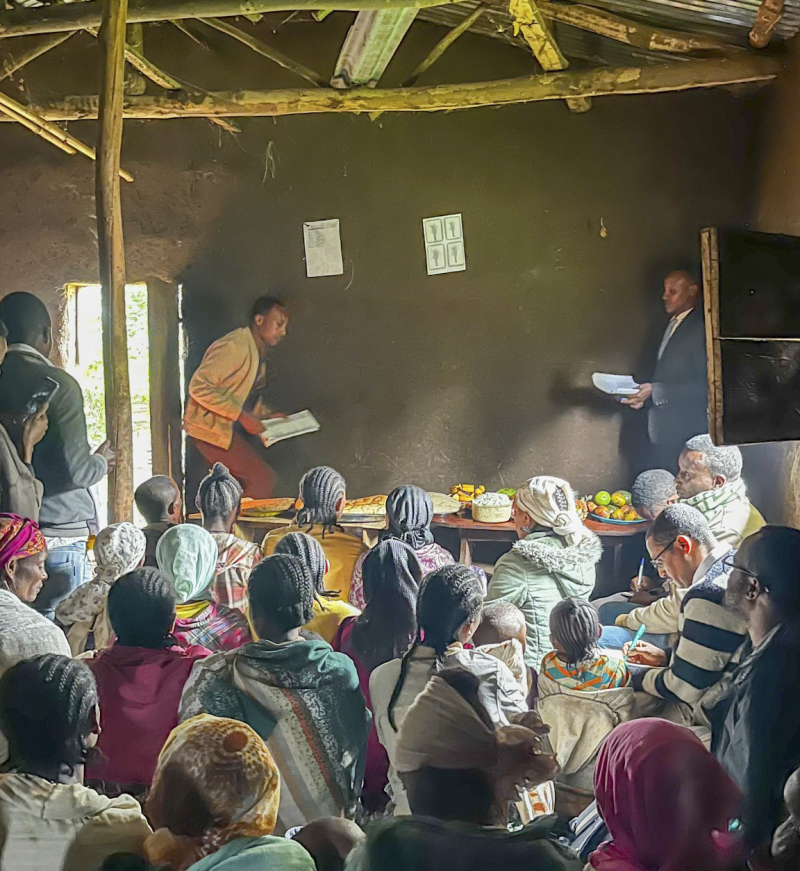
In response, the project supported a year-long social and behavior change communication program with nutrition training, cooking demonstrations, follow-up visits to households and community engagement. Instead of one-off awareness campaigns, the program brought families together regularly over the year so they could put what they learned into practice. Sessions covered the basics, such as why a varied diet matters and what pregnant and breastfeeding women and young children need.
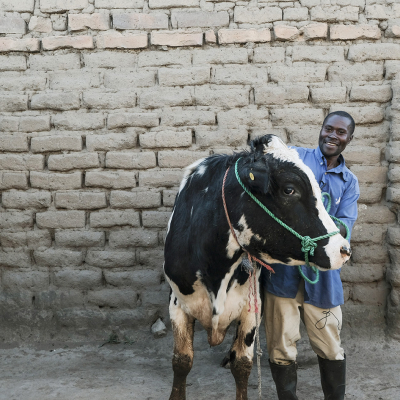
In the CBBP-supported communities of Bonga, in Southwest Ethiopia, some mothers said the sessions changed how they saw the food they already had.
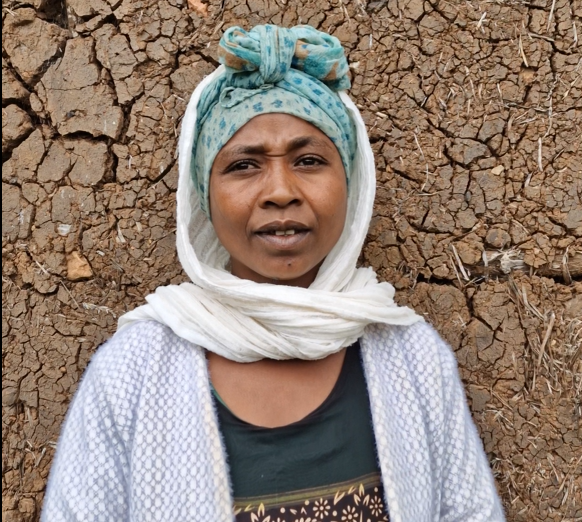
“We are now much more aware that we have all the ingredients here locally to create a balanced diet for our children and lactating mothers. This will help us in diversifying our diets with food items that can help us withstand malnutrition and any other health-related issues.”
– Adugna Haile, a mother in Bonga CBBP site, Southwest Ethiopia
Local health extension workers and public health professionals ran the sessions. Because they know the customs and beliefs of the farming and pastoralist communities they work with, they can discuss sensitive dietary practices with families directly.
One of the first sessions in January 2025, at the Bonga CBBP site, brought together more than 200 people from 135 farming households. Trainers explained what a healthy, varied diet looks like and why the body needs protein, vitamins and minerals.
Engaging men as nutrition champions
The training also made a point of including men. Nutrition programs often target only women, even though men have a big say in household spending, including what food is bought and when livestock are sold.
Sessions on women’s empowerment and male engagement looked at how couples can share responsibility for the health of mothers and children, and why nutritious food should come first in the household budget. Through interactive dialogues and experience-sharing sessions, husbands and wives were informed and encouraged to make decisions together, and men to take a bigger part in feeding and caring for their children.
Many of the men said they had left childcare and decisions about food to their wives, and that they now planned to help more at home and buy more nutritious food for the family.
Learning through cooking demonstrations
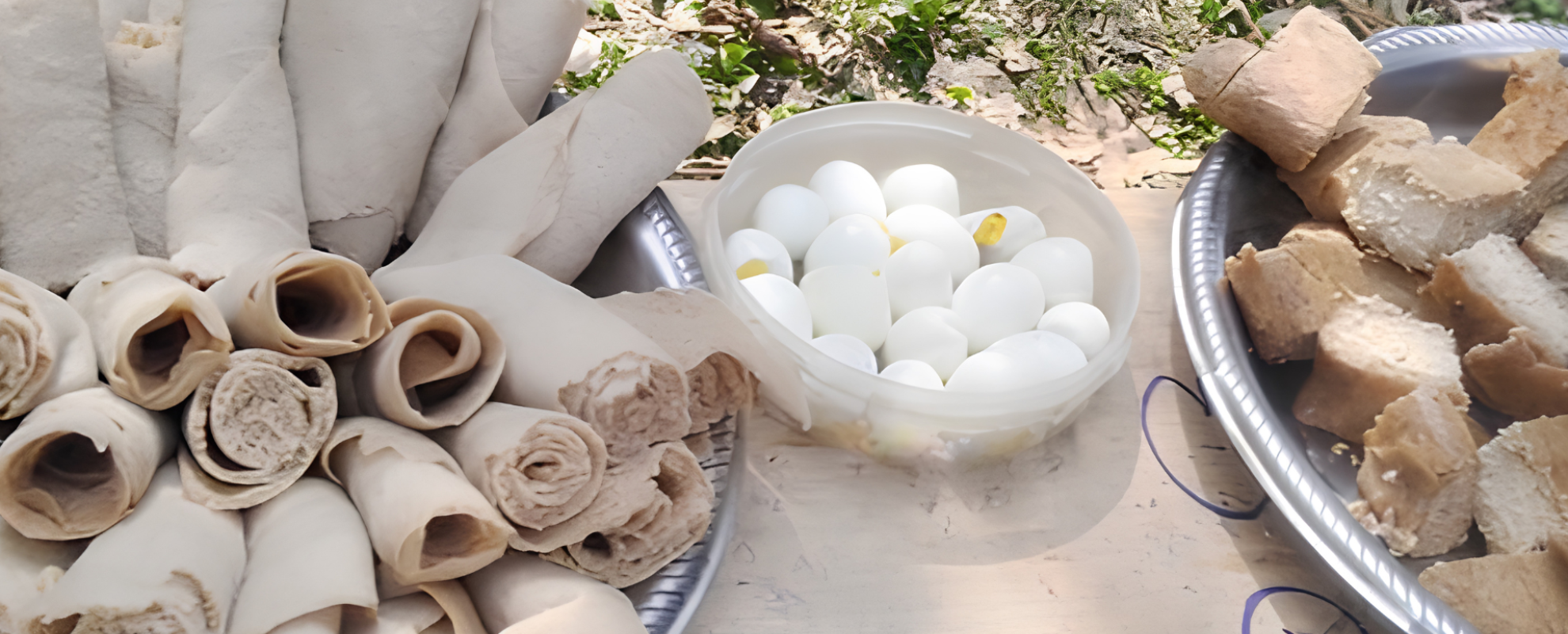
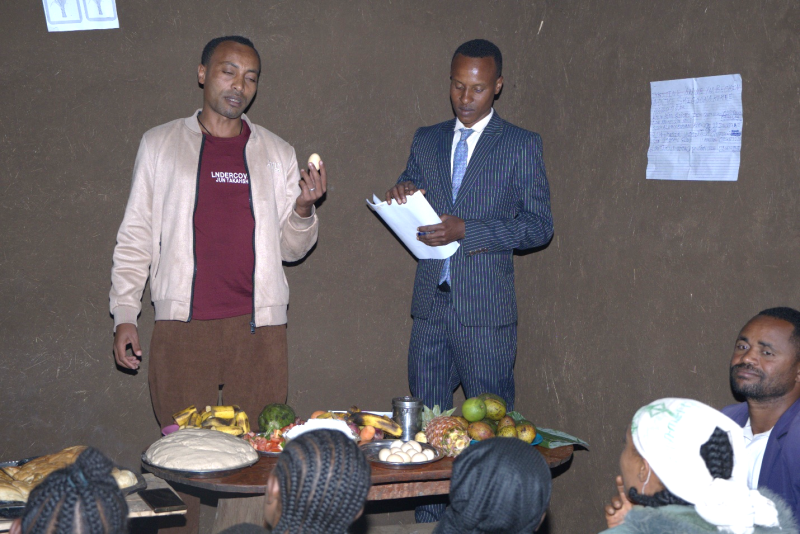
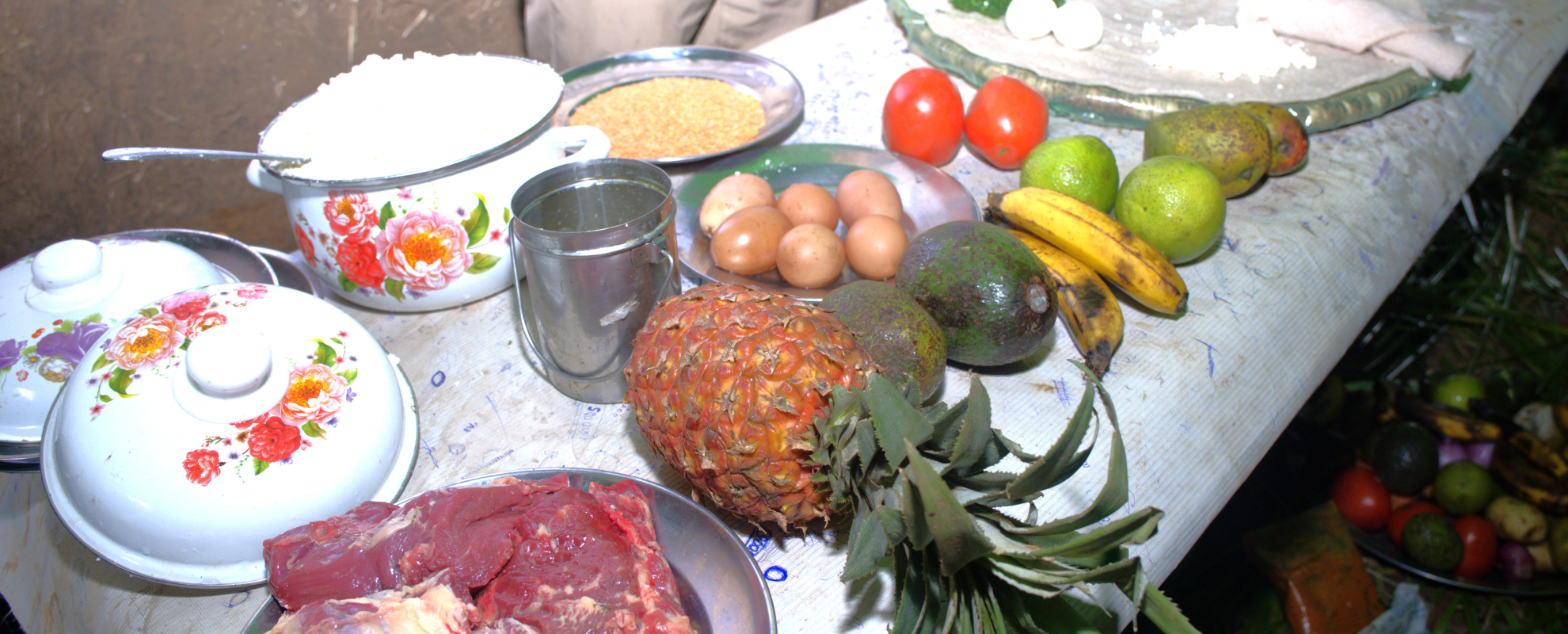
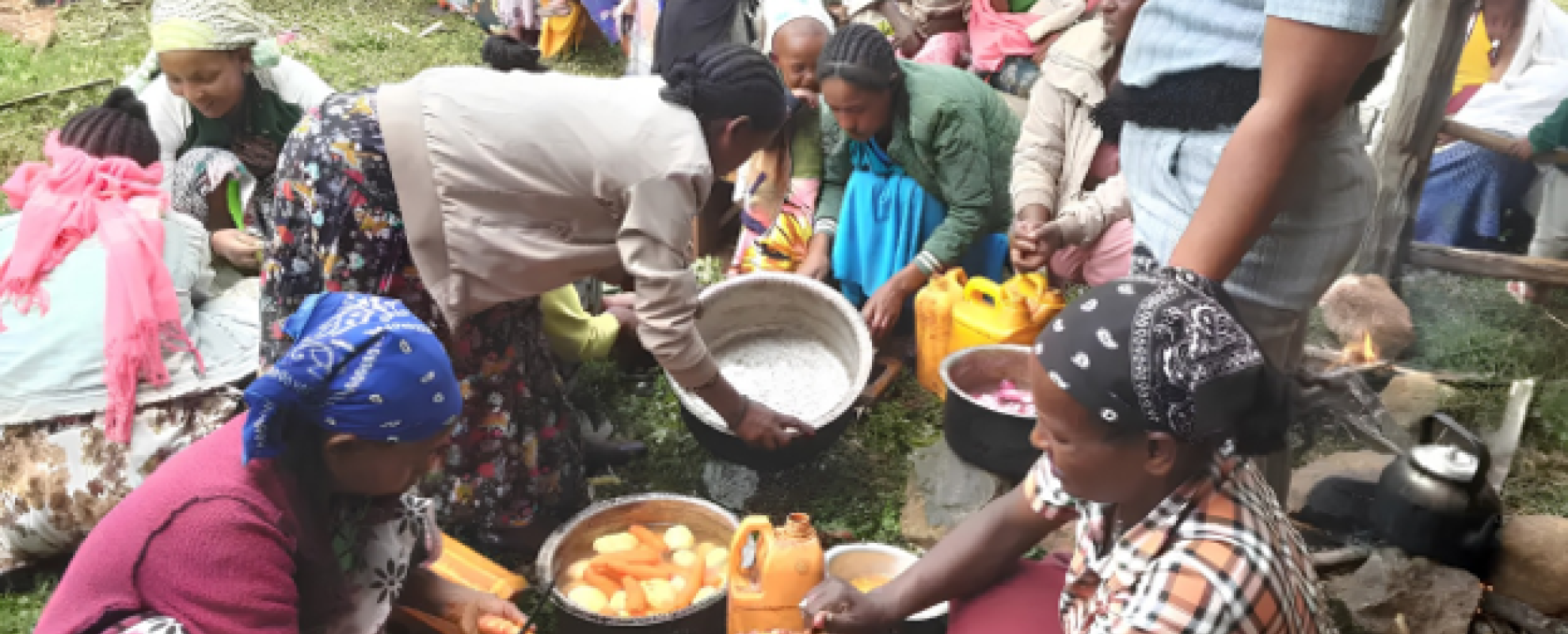
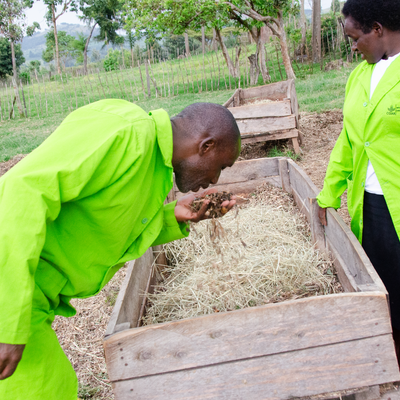
Cooking demonstrations were a core part of the training. Trainers showed families how to make balanced meals from ingredients they could grow or buy locally. One example is lentil stew (“misir wot”) served with fresh cheese (“ayib”), vegetables and boiled eggs.
Participants also learned how to plan meals that meet the needs of women and children. The demonstrations used foods that families can produce or find in local markets, such as poultry, eggs, meat, legumes and fruit, so that households were more likely to keep eating them. The project also checked in with households regularly to find out what made the changes hard, from the cost of food to cultural beliefs.
Unique Land Use
Cooking demonstrations in Bonga
Unique Land Use
Cooking demonstrations in Bonga
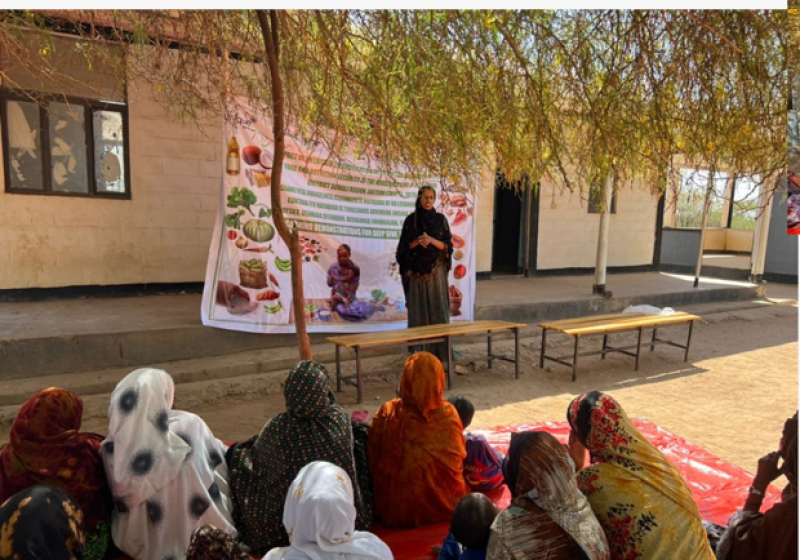
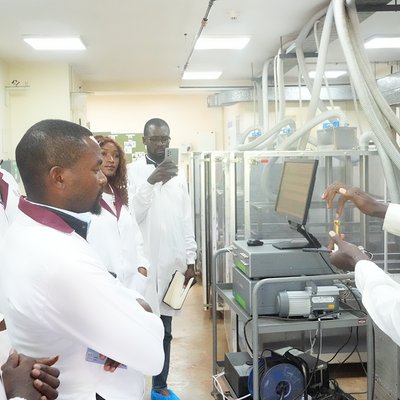
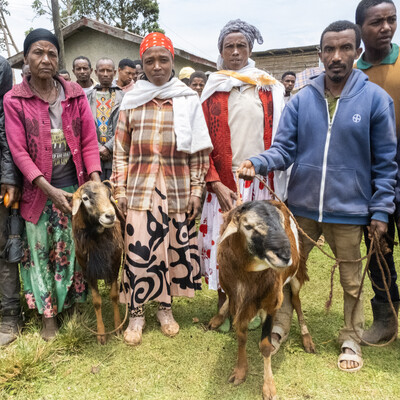
Food and nutrition training program in Somali region of Ethiopia
“One of the most striking misconceptions was that chickens were seen simply as birds, not as meat, and eggs were not considered food. Animal-source foods were often reserved for sale or special occasions rather than everyday family nutrition. Through training and cooking demonstrations, families changed these perceptions, began eating eggs and poultry, and adopted safer food handling practices. The next step is scaling up these gains through a complete poultry production package.” - Aisha Ougaz, MSc student at Jigjiga University and researcher in the project
Early signs of behavioral change
Feedback from participants suggests that some families have changed how they eat and cook. Households said they were keeping food preparation areas cleaner and giving children a wider variety of foods, and many said they valued how practical the training was.
Community members also asked for regular follow-up. Many said the training was clear and useful, but that they would need continued support to keep up the new habits. The project has responded with repeated visits and learning within the community, instead of one-off training events.
The ACIAR-funded project’s experience suggests that better nutrition depends as much on what families know and believe as on how much food they produce. Nutrition education and cooking demonstrations, delivered to women and men together, helped families in the two regions begin to change what they eat. The project ends this year, but its lessons on changing what families eat can inform similar work elsewhere in Ethiopia.


Related Publications
An integrated framework for characterising livestock systems and assessing ruminant performance across heterogeneous production environments: Evidence from Nigeria