Adaptation through diverse crop and livestock systems - The story of Edwin and Doreen, the adaptation pioneer farmers from Sotik
In the heart of Abosi village, Sotik Constituency in Bomet County, Kenya, lies the farm of Edwin and Doreen Mitey, a couple whose innovative farming practices have earned them the title of adaptation pioneer farmers. Their story is one of resilience, ingenuity, and a deep commitment to sustainable agriculture in the face of climate change.
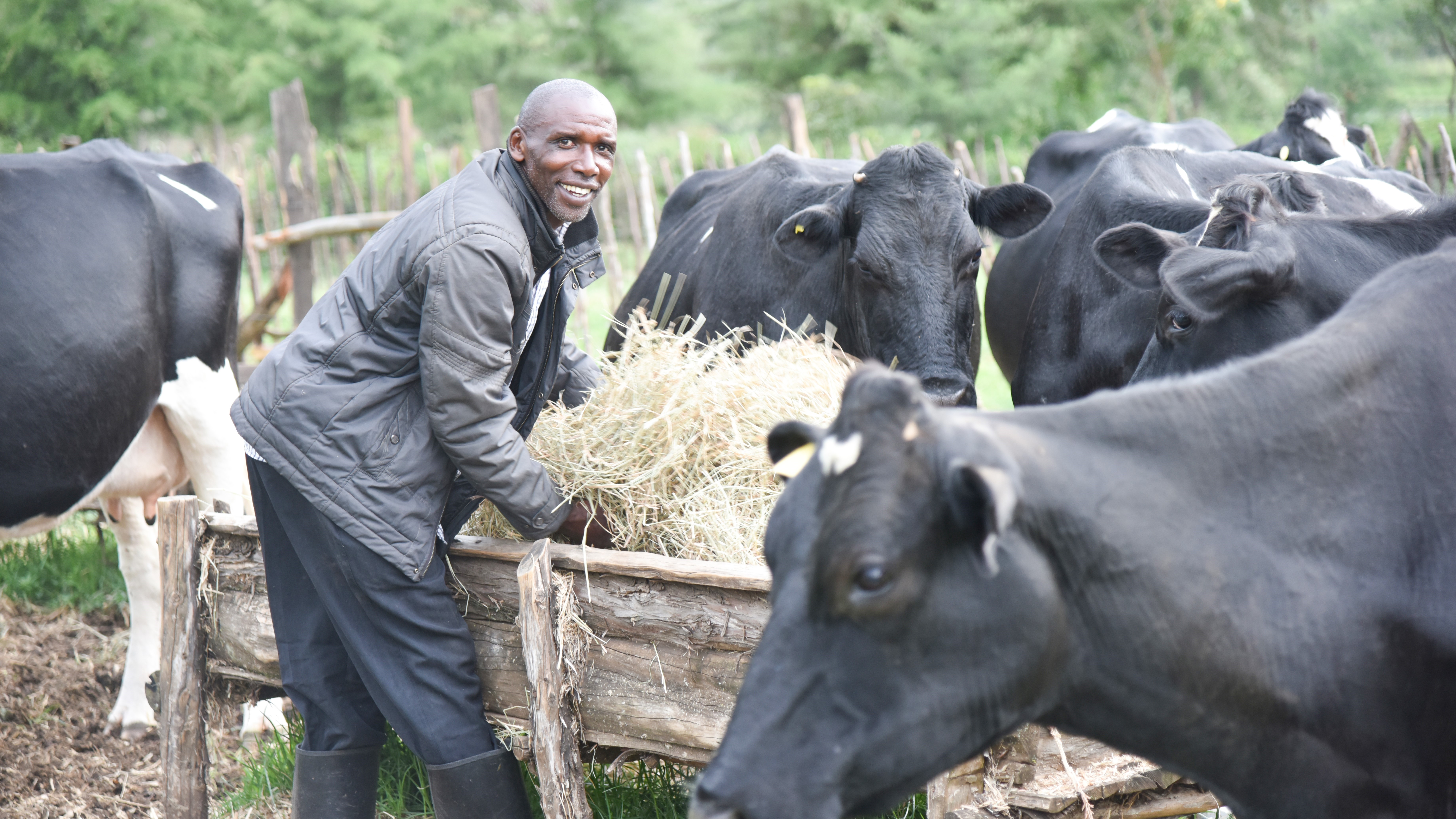
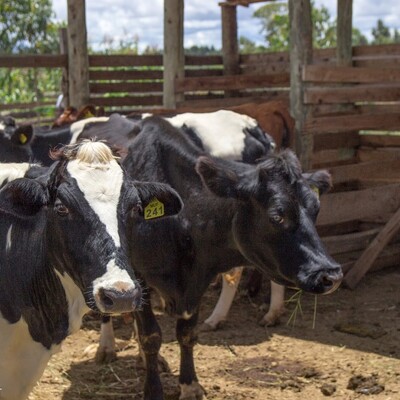
Edwin and Doreen are skilled smallholder farmers with a diverse and thriving farm. They have over 600 indigenous trees, 15 cows, poultry and a variety of crops, including bananas, cassava, sweet potatoes, butter nuts, arrowroots, pumpkins and traditional vegetables. Their farm produces enough food to sustain their household year-round, with no shortages. Edwin and Doreen also have livestock silage stored to cover at least one drought season.
This diversity is not accidental but a deliberate strategy to ensure food security and resilience against unpredictable weather patterns. Edwin and Doreen's farm is a model of adaptation, showcasing how smallholder farmers can thrive by embracing innovative practices and technologies.
Sorghum as silage
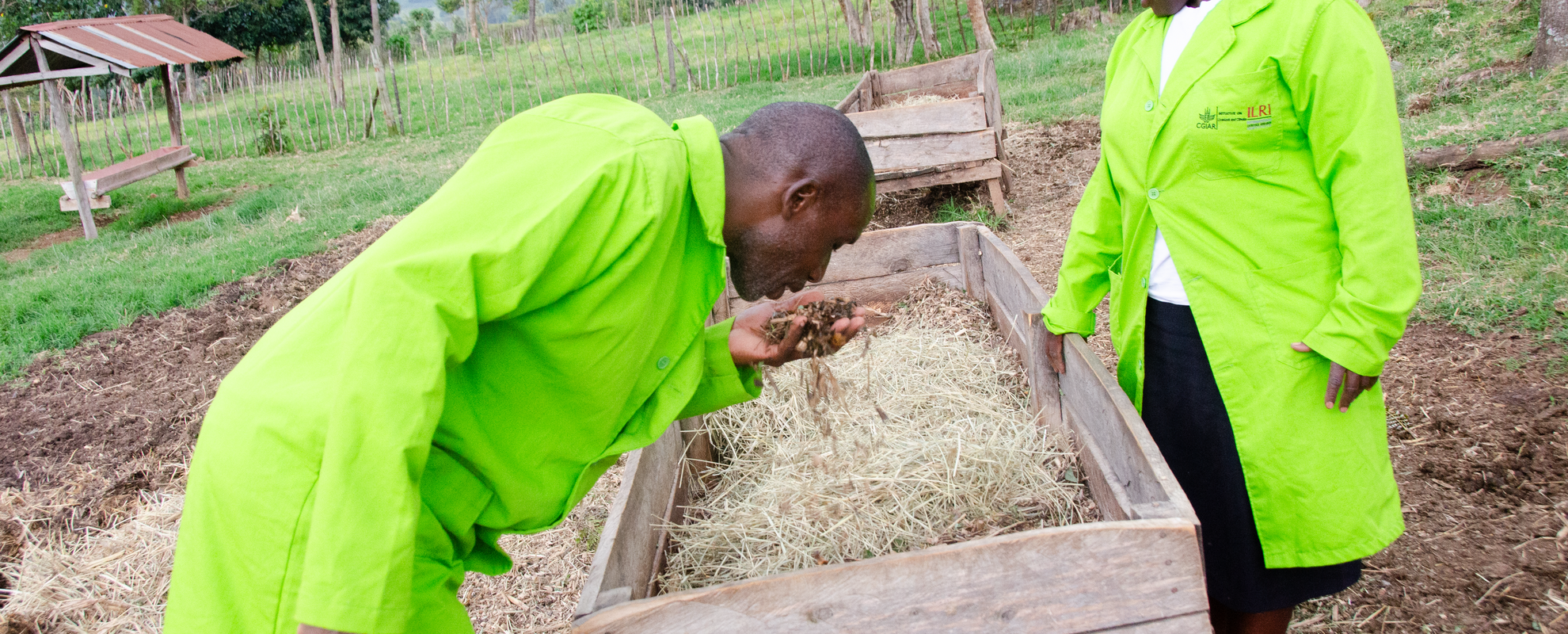
One of the couple's key innovations is the use of sorghum silage to feed livestock. By October 2024, they had prepared enough silage, sourced from 3.5 acres of sorghum and maize, feed that can last seven months. To enhance their milk quality, the couple feeds the cows on Desmodium and sweet potato leaves, both of which are rich in protein. Additionally, they cultivate boma Rhodes grass, which serves as a reliable feed source during dry seasons.
“We actually ran out of storage space for silage this year, so we sold an acre of Boma Rhodes for about 40,000 Kenya shillings (USD 300),” Edwin explains. This strategic approach ensures that their livestock are well-fed throughout the year, even during short droughts.
Edwin’s focus on livestock extends to calves, which he considers one of the most profitable ventures. “There is money in calves,” he says. “At 18 months, we sell them for 120,000 Kenya shillings (USD 900) each. And while milk prices may fluctuate, the sale of calves provides a steady income for us,” he adds.
Farmer field days
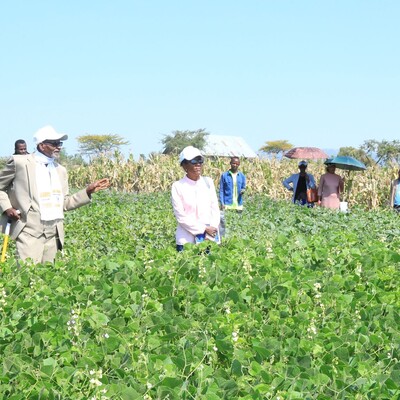
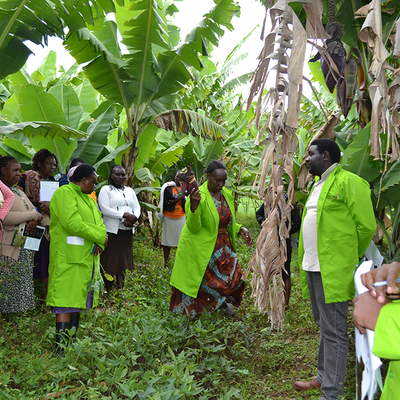
The Mitey's farm is not just a source of income but also a hub of learning and community engagement. In 2023, the farm hosted a farmers’ field day, where other farmers came to observe and learn from their practices. The Mitey's also actively share their knowledge with the community.
Edwin serves as the chair of the Mustard Seed Dairy Cooperative, a 10-year-old organization with over 250 members. The cooperative focuses on milk bulking, chilling and sales while also offering members access to veterinary services, artificial insemination and exchange visits.
Edwin and Doreen's journey as adaptation pioneer farmers has been shaped by their ability to adapt to challenges. When the lethal necrosis disease threatened their maize crop, they switched to sorghum as an alternative silage crop. They also moved away from labor-intensive practices like growing Napier grass, which they say are inefficient for silage production. Instead, they focused on maize and sorghum, which require minimal labor and provide year-round feed.
Role of the family
Doreen Mitey, Edwin’s wife, plays an equally vital role in the farm’s success. As the mother of the home, she oversees the planting of food crops like sweet potatoes and supervises workers during harvesting. When Edwin is away, Doreen takes full responsibility for the farm, ensuring that the cows are fed, milked, and cared for. “We work together as a team,” she says.” “The rest of the household lends a hand when needed.”
Collaboration with organizations like the International Livestock Research Institute (ILRI) has been instrumental in Edwin and Doreen's success. Through ILRI, they learned the importance of crop rotation, the correct stages of harvesting, and the nutritional benefits of Desmodium and sweet potato vines. ILRI also facilitated their visits to other farms, such as one in Kaimosi University College, in Western Kenya where they exchanged knowledge and ideas with other farmers.
“Edwin and Doreen were selected to be pioneer adaptation farmers in 2020 due to their adaptive characters. They found new ways of managing the challenges they were facing in breeding, silage making, maize necrosis, protein source forages,” explains Nathan Maiyo, ILRI research associate based in Bomet County. Nathan works closely with the pioneer farmers in the county.
Record keeping
Edwin and Doreen mainly keep breeding records for their livestock, and so they have information of their entire lineage, up to the third generation. They also keep production, and health records and have a file for each cow. They also have a crop production file where they note down important stages like planting, weeding, fertilizer application and expected harvesting times as well as the harvested crops.
Edwin and Doreen’s story is a testament to the power of adaptation and innovation in agriculture. By embracing diverse crops, resilient livestock breeds, and sustainable practices, they have not only secured their own livelihood but also inspired their community. Their farm stands as a beacon of hope, demonstrating that with the right strategies, smallholder farmers can overcome the challenges of climate change and build a sustainable future.
“In the beginning, keeping records was a challenge for us, and we had to push ourselves to remember. But with time, it now comes naturally, and we have made it part of our tea breaks in the morning and in the evenings.”
Through their dedication, Edwin and Doreen Mitey have proven that adaptation pioneer farmers are not just skilled agriculturists but also community leaders and climate champions. Their journey is a reminder that the fight against climate change begins on the farm, with every seed planted, every cow fed and every lesson shared.
About the Adaptation Pioneer Farmers
Edwin and Doreen are part of about 50 pioneer adaptation farmers that ILRI is working with in two counties (Nandi and Bomet) to promote farmer-led local solutions to climate change in dairy. The specific aim is to increase milk yields for small holder farmers, ensure low age at first livestock calving, short calving intervals, and adaptation to climate change through improved feeding practices, diverse crop and livestock systems for multiple income streams. The pioneer adaptation farmers share locally developed solutions through farmer-led networks and peer-to-peer learning. Through this system, by the end of 2024, ILRI reached 15,000 households with knowledge about improved feeding practices and climate change adaptation.
Acknowledgement
This activity was implemented through the CGIAR Livestock, Climate and Environment (LCE) which is funded through the CGIAR Trust Fund.
Part of this work was financed by the Global Centre on Biodiversity for Climate (GCBC), an Official Development Assistance (ODA) program that funds research into natural solutions to biodiversity loss, climate change, and poverty.
Links to resources
Transformation from the ground: Adaptation pioneers as agents of change through climate-resilient agriculture
Producer-led scaling from the farm with adaptation pioneers
Related Publications
Crop-livestock mixed systems: Interactions, circularity, and challenges across system levels and specialization degrees
Crop-livestock mixed systems: Integrated climate interventions and scaling - lessons from the Africa RISING program