Living with wildlife: Vietnam’s battle against zoonotic threats
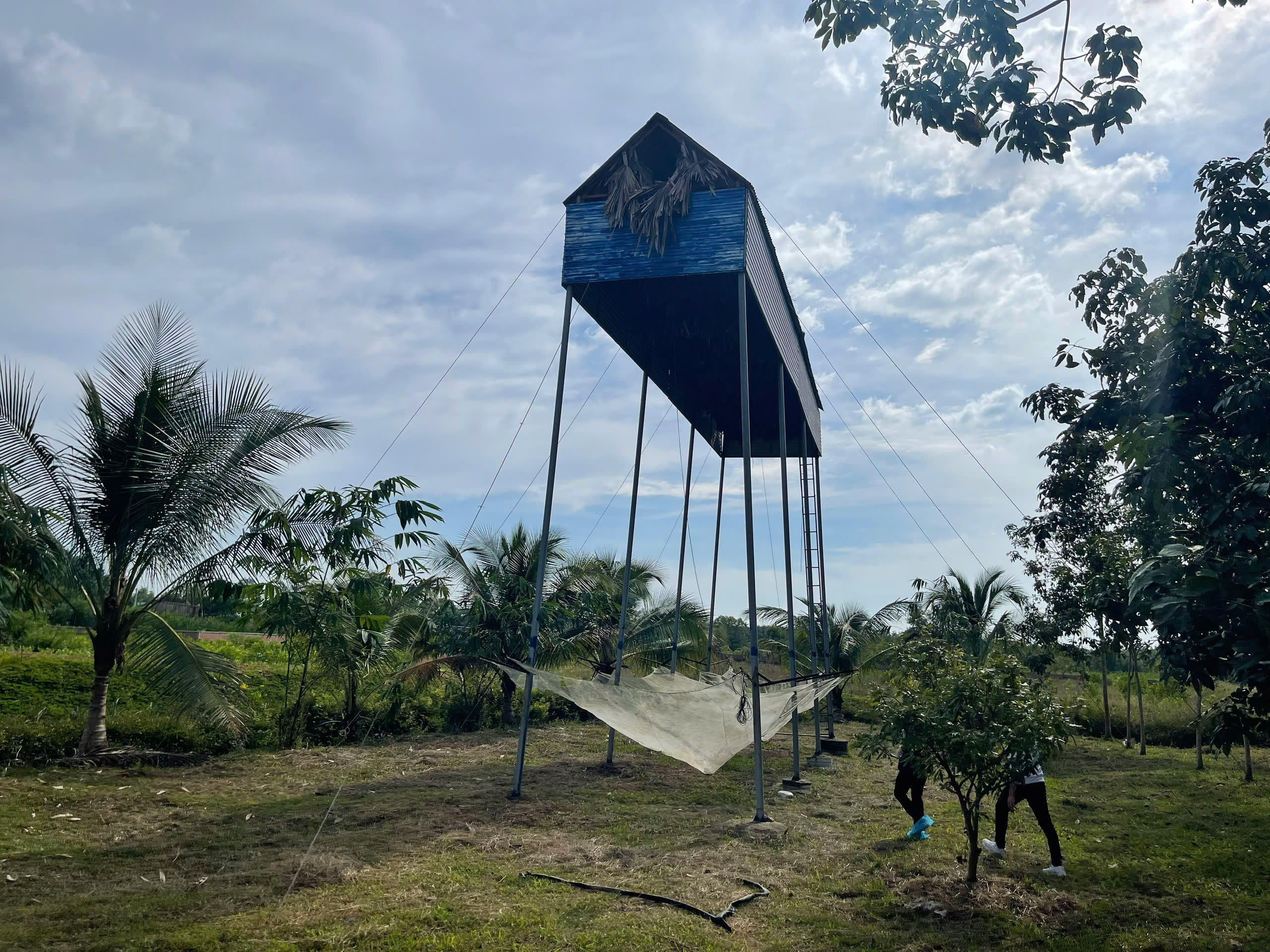
In Vinh Cuu District, Dong Nai Province, southern Vietnam, bat guano houses mounted on poles about 5–6 meters above the ground, layered with coconut palm fronds, are a common sight on most farms. As day breaks, hundreds of bats return to these houses to rest. Every few days, farmers collect the droppings that accumulate on tarps laid beneath the structures and sell them as organic fertilizer.
Guano harvesting is a traditional farming activity that has created income and supported the livelihoods of many rural residents in Dong Nai. But this practice belies a bigger story: how the way people live and work with wildlife could affect their health.
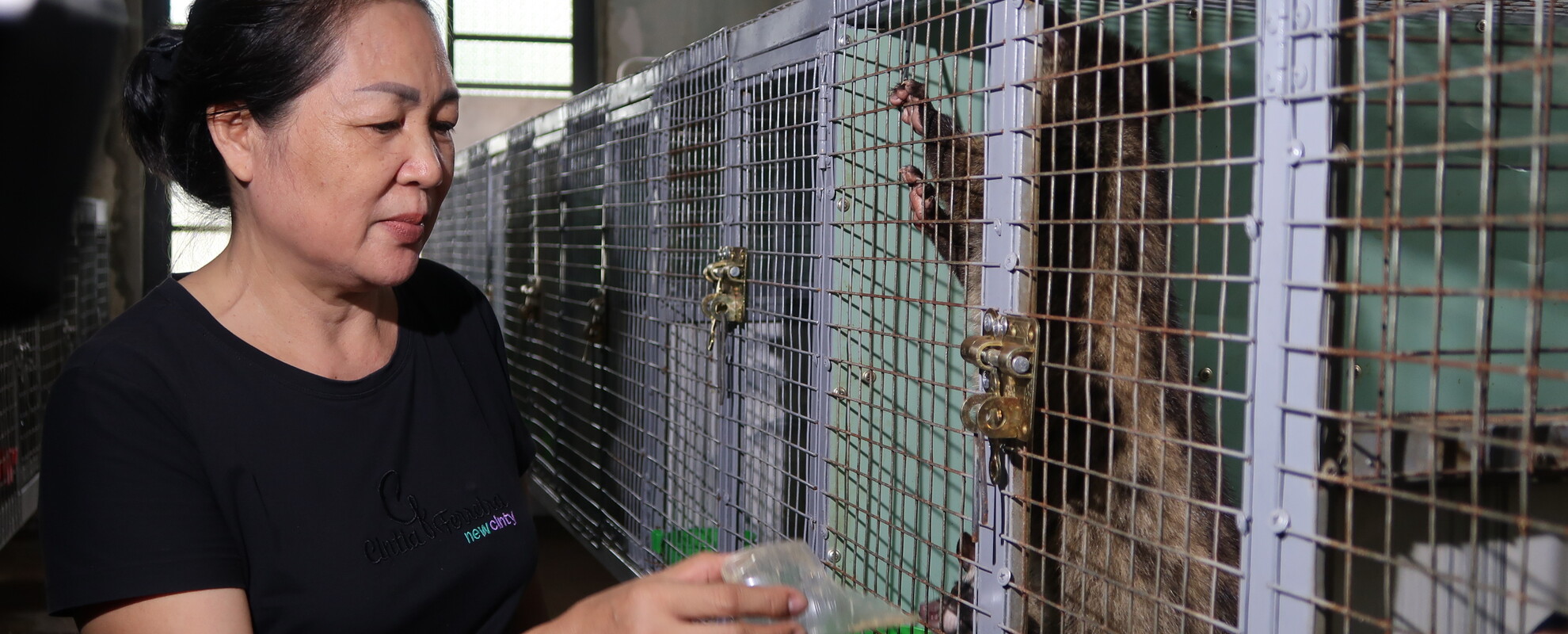
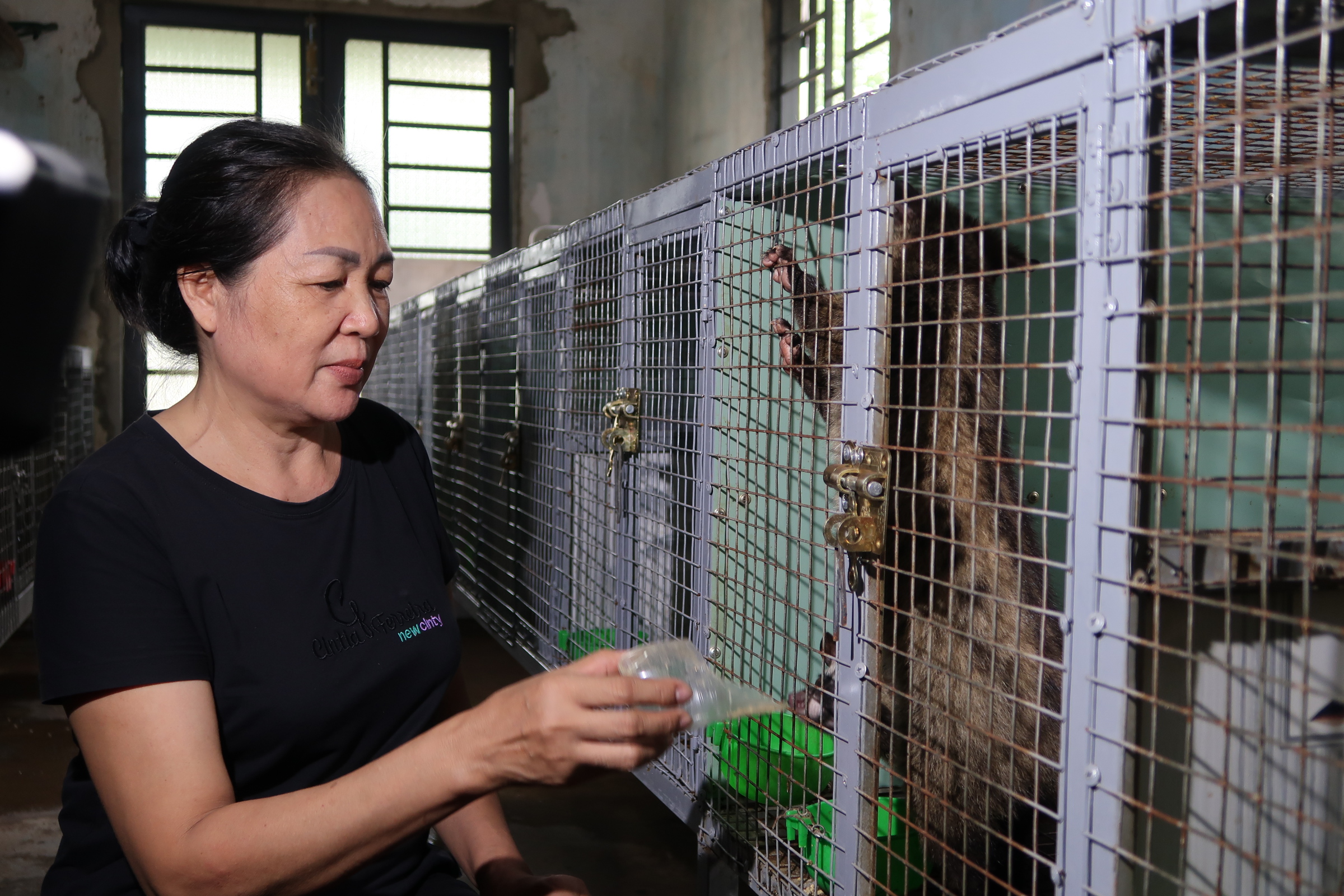
Scientists caution that limited risk perception and a lack of awareness about the impacts of human–wildlife interactions among wildlife farmers could increase the likelihood of disease transmission to humans. Vietnam has about 6,700 registered wildlife farms raising civets, bamboo rats, bats, wild boars, and other animals—all of which can harbor zoonotic pathogens.
A “Knowledge, attitudes, and practices of zoonotic disease transmission among wildlife farmers in Vietnam,” study by scientists from the International Livestock Research Institute (ILRI), the Uppsala University (Sweden), the Chungnam National University (South Korea), and the Vietnam National Institute of Veterinary Research (NIVR) found many wildlife farmers had low awareness of the risks of human wildlife interactions and practices for preventing zoonotic diseases.
A false sense of security
“We sought to understand how farmers perceive the risks that the wild animals they keep might carry and transmit pathogens,” says Ha Nguyen from ILRI, who led the study. “Surveying 210 wildlife farmers in Lao Cai (in the north) and Dong Nai (in the south), the team found that farmers demonstrated relatively high levels of knowledge (78%) and positive attitudes (83%), but their preventive practices against diseases were much lower—at only 47%.”
“Many farmers are aware of the risks of zoonotic diseases from wild animals, yet they do not change their behavior,” Ha Nguyen adds. “Those with higher education or government jobs tended to perform better, but risky habits remain common—for example, eating raw wild meat or wildlife products, handling animals without protection, and poor waste management.”
“Many farmers argued that they have been in contact with wildlife for decades without falling ill,” says Bui Nghia Vuong, head of the Virology Department at NIVR, who led the data collection for the study. “This false sense of security makes the situation particularly dangerous.”
The challenge of building trust
Beyond knowledge gaps, the study revealed deeper social issues that could contribute to zoonotic disease spread. Many farmers were reluctant to report sick animals, fearing punishment or being forced to cull animals without compensation. This mistrust could delay outbreak detection, which is already a serious risk in Vietnam in the battle against avian influenza and African swine fever (ASF).
“The problem is not just about knowledge—it’s about trust,” said Hung Nguyen, lead of the One Health work package under the CGIAR Research Initiative on Sustainable Animal and Aquatic Food Systems (SAAF) and ILRI’s Regional Director for Asia. “If farmers fear punishment more than disease, they won’t report outbreaks early. Building trust and a sense of shared responsibility between the government and farmers is therefore crucial.”
Engagement for zoonotic risk reduction
The authors call for low-cost, practical interventions such as feasible biosecurity measures, use of protective gear, and incentives for transparent reporting of diseases. They also highlight the power of community networks and the media in raising awareness on preventing zoonotic diseases where training is limited.
“Top-down measures cannot work alone,” adds Johanna Lindahl of Uppsala University. “We need engagement, empathy, and empowerment so that farmers see disease prevention not as a burden but as part of protecting their families and livelihoods.”
The study provides a clear takeaway: preventing the next pandemic begins not only in laboratories, but in the daily practices to reduce spillover risks from wildlife to farmers, consumers and communities, as well as to other animals and the environment.
This study was carried out between 2023 and 2024 as part of the CGIAR One Health Initiative and the CGIAR Science Program on Sustainable Animal and Aquatic Foods (SAAF).
Watch this video to learn more about the fight against health threats from wildlife in Dong Nai, Vietnam.
Download the full study: https://hdl.handle.net/10568/177259
Read more:
A One Health approach to tackling zoonotic disease risks in wildlife farming in Vietnam - CGIAR