Zimbabwe’s local innovation fuels regional action through One Health
“Biogas has made a big difference in our daily lives,” says Panashe Gomorago. “Cooking is now faster and cleaner, and we no longer struggle with smoke or delays in starting fires. It has really improved our learning environment.”
Gomorago is one of 764 pupils at Chifamba Girls’ School in Zimbabwe’s Guruve District, where a 13-cubic-meter biogas facility has recently been constructed.
“In the past, we relied on firewood, and cooking was a difficult and time-consuming experience,” continues Gomorago. “It was worst during the rainy seasons, as it was hard to start a fire with wet firewood. We would lose valuable learning time trying to get it to burn. Now we spend more time studying instead of searching for firewood.”
For the school, the benefits extend beyond the classroom. This new source of cooking gas has eliminated the need to cut down trees for fuel wood—safeguarding local forests and woodlands—and the clean gas reduces smoke and other health risks in the kitchen. In sum, one innovation improved health for both students and ecosystems.
“Previously, we used about 12 cords of firewood per term, but this term we have used only three. Our dependence on electricity and firewood for cooking has greatly reduced,” explains Steven Mutaiwa, the head teacher at Chifamba Girls’ School.
Turning waste into a resource
Constructed as part of the Transforming Waste to Resources (TW2R) project implemented by Chinhoyi University of Technology, the school biodigester is one part of a broader effort to rethink waste across Guruve District. It is one of eight projects funded by the Capacitating One Health in Eastern and Southern Africa (COHESA) project to address local challenges across the 12 COHESA countries.
Rather than treating waste as something to dispose of, researchers from the university have been helping communities transform waste into valuable products while improving human, animal, and environmental health.
The challenge is considerable. In 2020, the global direct cost of waste management was estimated to be USD 252 billion. The hidden costs of pollution—such as poor health and accelerated climate change from poor waste disposal practices—push the total cost to USD 361 billion. Without urgent action on waste management, by 2050 this global annual cost could almost double to a staggering USD 640.3 billion.
According to the Zimbabwe Environmental Management Agency, urban councils generate roughly 270,000–500,000 kg of waste daily. Uncollected solid waste is usually disposed of in illegal dump sites, along roadsides, open spaces and water sources, posing a health hazard to humans, animals, and the environment.
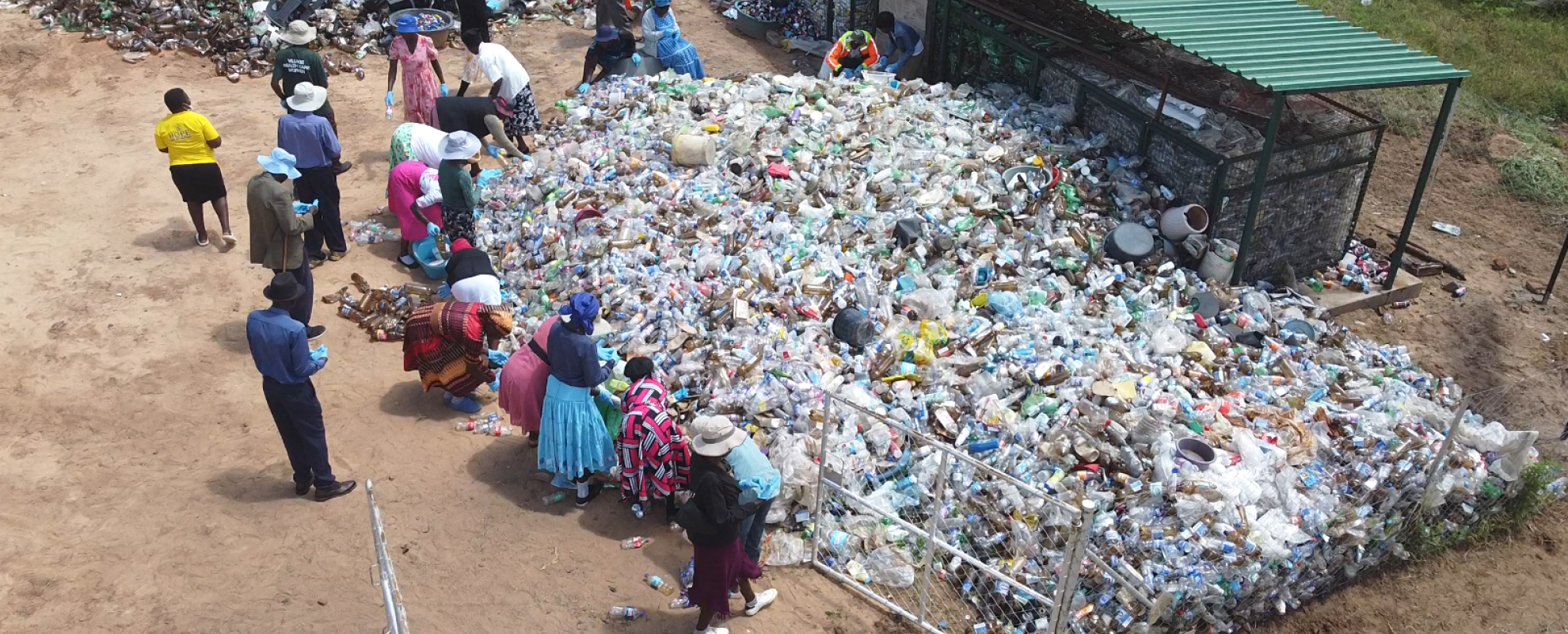
This is the problem that the Chinhoyi and COHESA researchers and partners set out to solve by designing initiatives that both turn waste into useful resources and yield health benefits. As of 2026, the project team had trained 240 community members to collect, sort and recycle waste into usable products such as doormats, bags, hats, and decorative bowls from melted plastics. The result is a boost to both household income and the local environment.
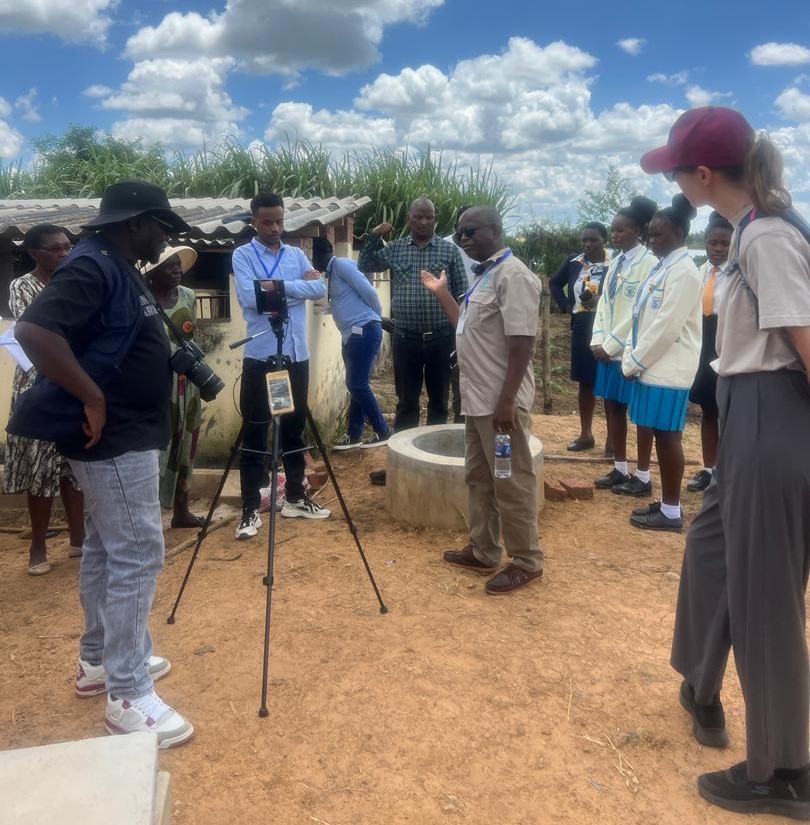
“What was previously discarded is now collected, recycled, and transformed into useful products that generate income for households and the community. We now see waste differently,” says Gogo Rumbidzai Magwaza, a community member.
Waste collection centers have been set up and equipped with plastic shredding machines. Knowledge Chikanya from the Guruve Rural District Council directorate notes that this has not only contributed to human and environmental health, but animal health as well: “We used to lose livestock after they ingested plastic waste. That problem has significantly reduced.”
Researchers are now exploring whether biogas technology can also help reduce deforestation linked to tobacco production, one of the major drivers of tree loss in Guruve. The team has trained 18 community members to construct biodigesters.
“Deforestation is a major problem in Guruve, driven primarily by agricultural expansion and the need for fuelwood, for cooking, heating and tobacco curing,” says Kudakwashe Chitindingu, the project lead at the university.
From local innovation to regional learning
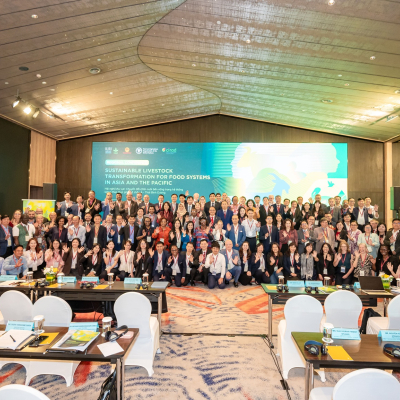
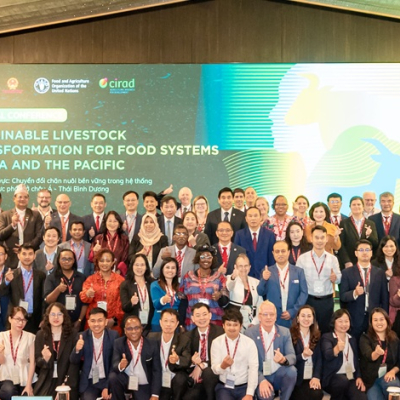
The practical results in Guruve have attracted attention beyond Zimbabwe. Delegates attending a One Health workshop in Zimbabwe, comprising of project country coordinators, policy makers and development partners from the 12 COHESA countries visited the waste management projects in Guruve, to see how a One Health approach can deliver benefits across human, animal, and environmental health.
Their observations informed discussions on establishing a regional One Health network that would build on lessons from the five-year COHESA program. The proposed network aims to strengthen collaboration among governments, universities and development partners, promote evidence-based policymaking, and expand successful local innovations across eastern and southern Africa.
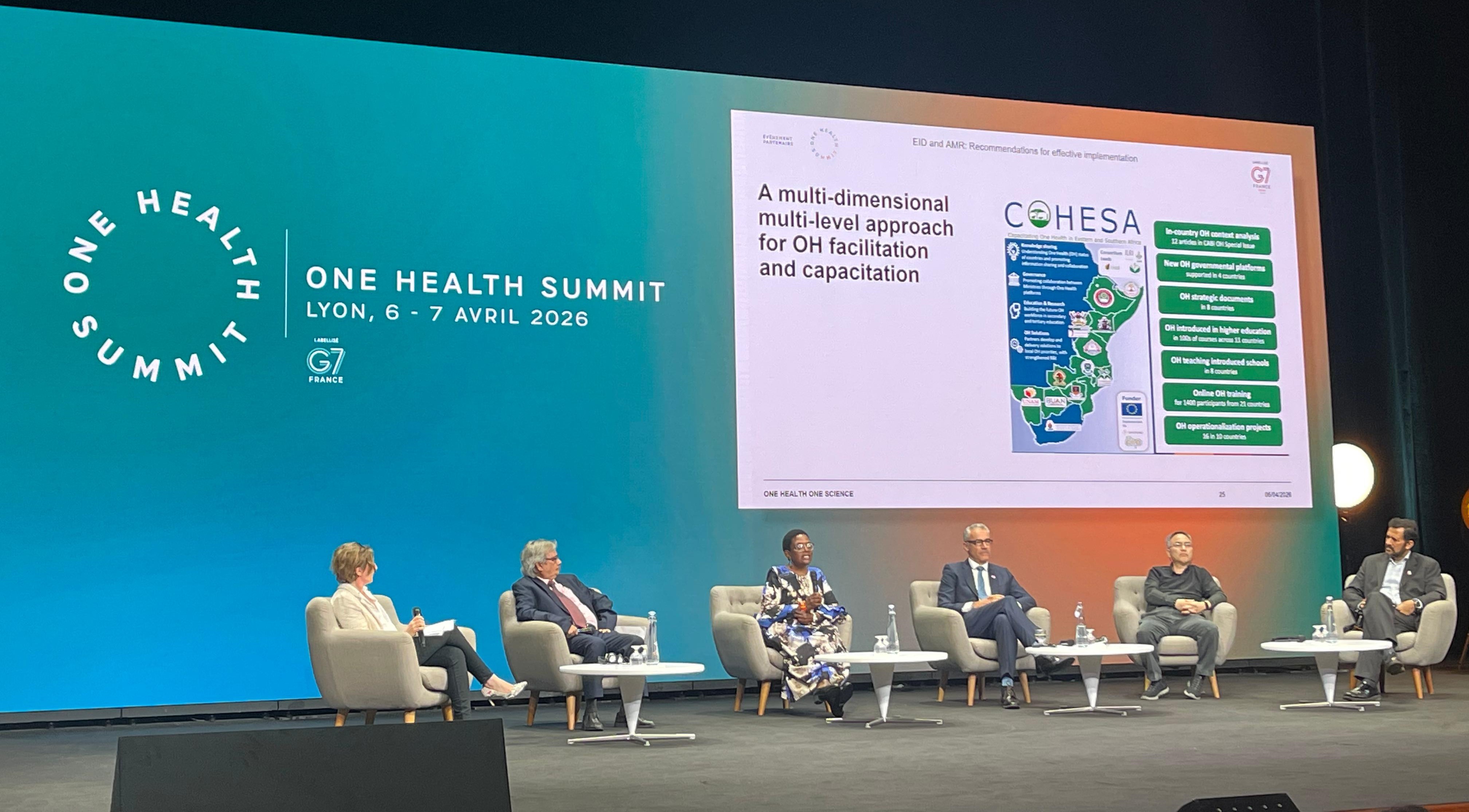
“We have a good story at COHESA,” said Prisca Mugabe from the University of Zimbabwe, when she told a global audience about the experiences from Guruve District at the One Health summit in Lyon. “The lessons we have learned can be scaled beyond our individual countries, to a regional network, where we can share our technical and strategic experiences for the betterment of health across humans, animals, and the environment.”
Resource mobilization is underway to kickstart the network’s operations.
For the students at Chifamba, however, the significance of the project is measured less in policies and more in everyday life: A cleaner kitchen. Less smoke. Fewer trips to collect firewood. More time spent in the classroom.
What began as a biodigester serving one school has become an example of how rethinking waste can improve education, protect forests, strengthen livelihoods, and inspire new approaches to One Health across the region.