Regional experts explore One Health solutions to reduce agricultural chemical use in Southeast Asian food systems
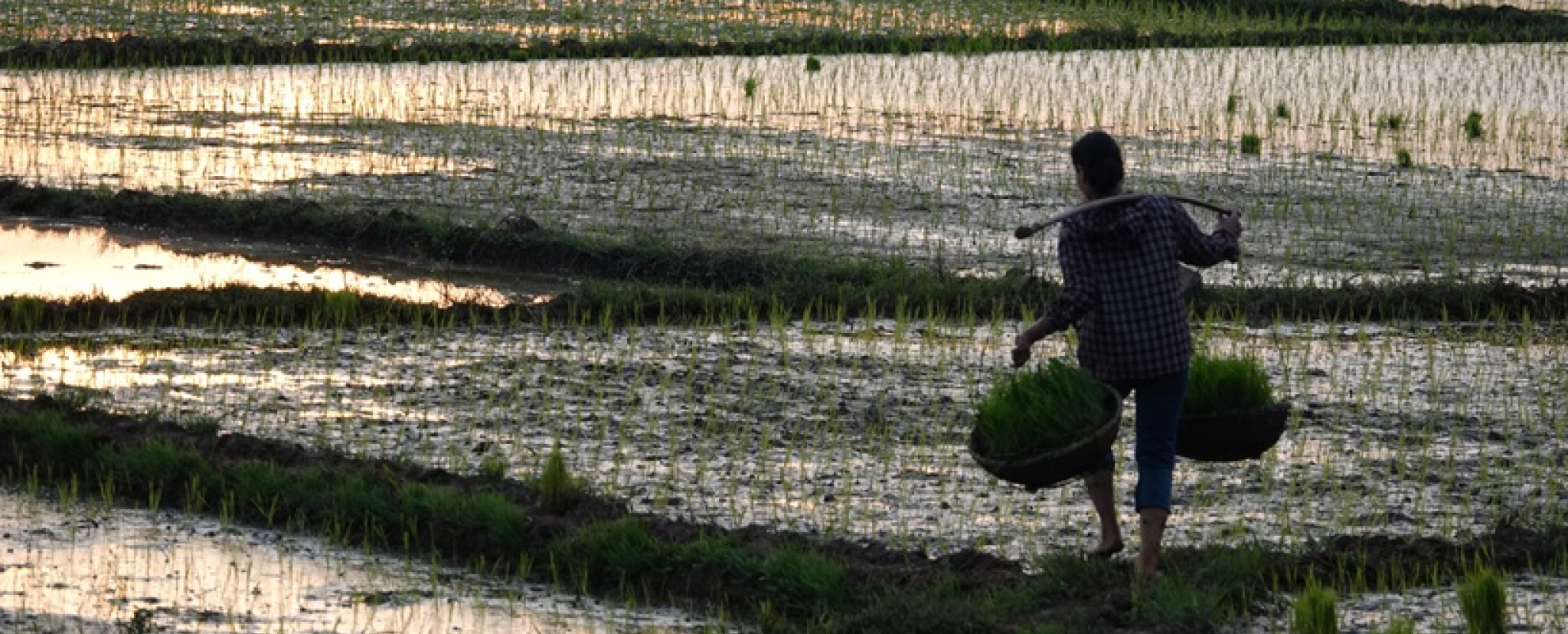
Across Southeast Asia, farmers rely on pesticides, antibiotics, and fertilizers to protect crops and animals and maximize production. Agricultural intensification due to population growth and market demand has increased reliance on these agrochemicals across the region.
While these inputs boost yields, inefficient use often leads to environmental damage and health risks. A significant portion of pesticides does not reach the intended target, instead accumulating in soil and water, while excess fertilizer leaches into groundwater or escapes into the atmosphere, leading to pollution and poorer soil health. Antibiotics play a critical role in disease treatment, but misuse can accelerate the development of antimicrobial resistance—a growing global threat—and the movement of resistant bacteria between animals, humans, and the environment.
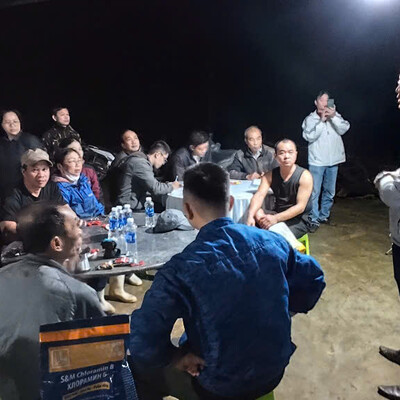
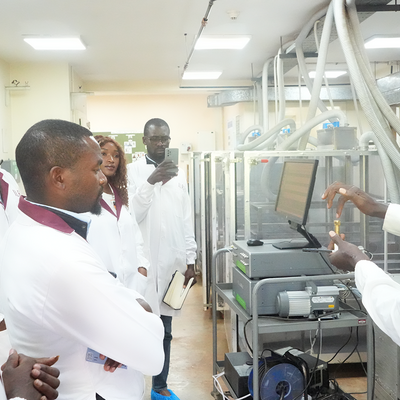
As part of mitigation measures, more than 40 experts from Vietnam, Laos and Cambodia gathered in Hanoi on 12 March 2026 to explore practical ways to reduce agricultural chemical use while maintaining productive and resilient food systems. Participants included representatives from government agencies, universities, research institutes, private sector organizations and international partners.
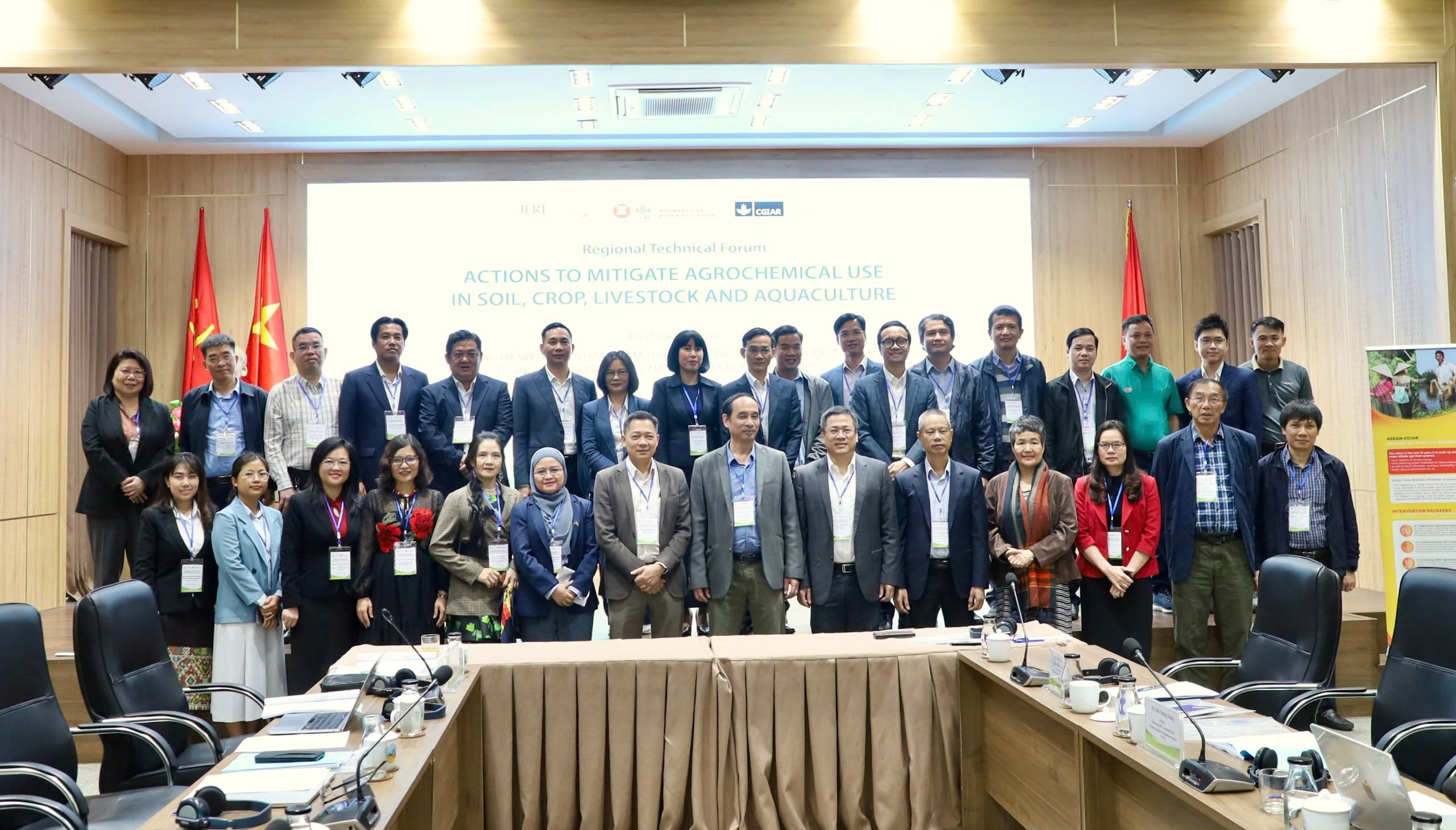
Promoting a collaborative approach
The One Health approach, which links human, animal and environmental health, was a key theme at the event. Speakers highlighted the value of collaboration and knowledge exchange in identifying and integrating solutions that reduce chemical use while protecting food systems.
Several innovations were showcased, including integrated pest management, biological pest control and organic fertilizers derived from crop residues as alternatives to synthetic chemicals
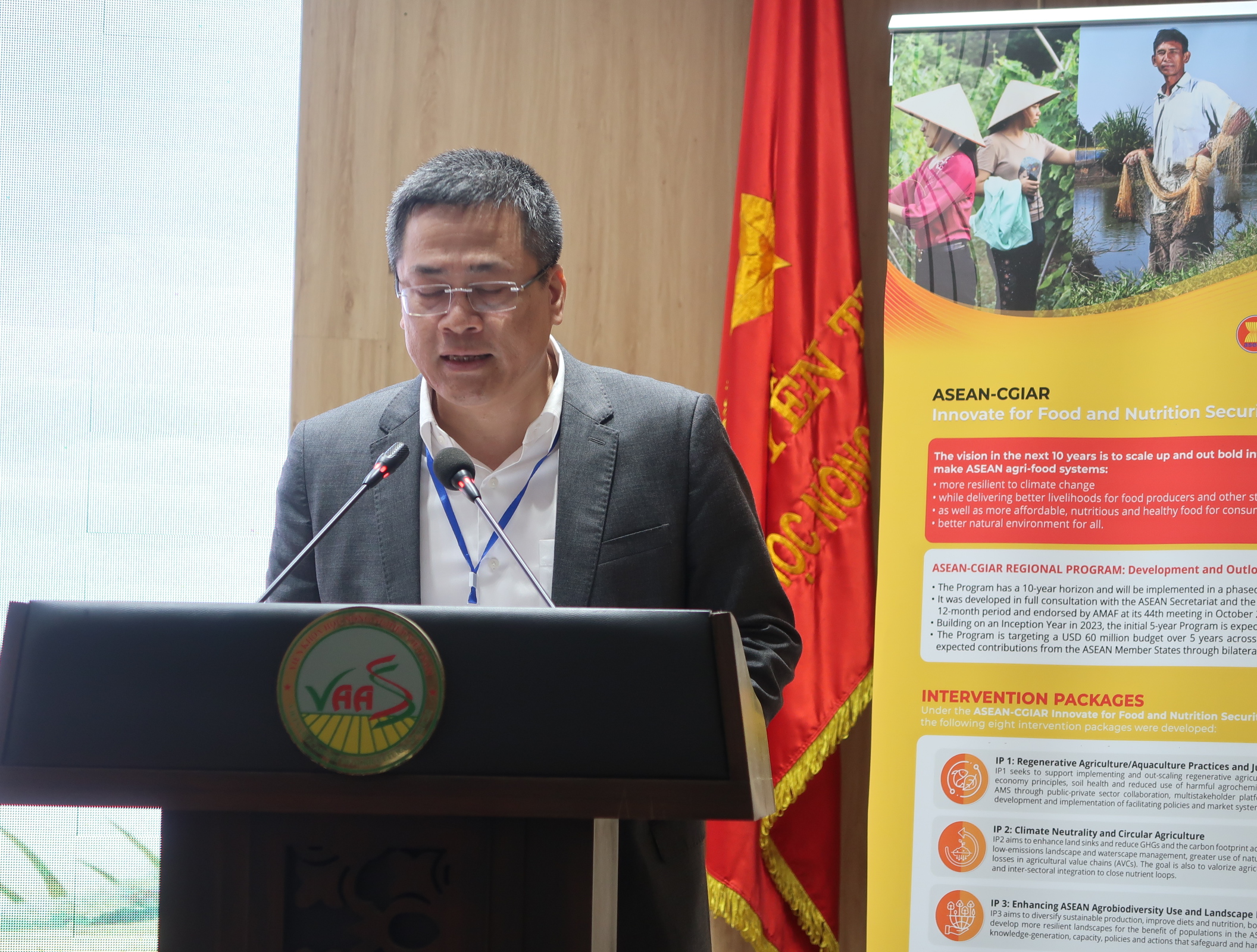
“There are many opportunities to reduce reliance on chemical inputs through improved farming practices, biological solutions and more sustainable soil and crop management approaches,” said Tran Minh Tien, Deputy Director of the Vietnam Academy of Agricultural Sciences. “In Viet Nam, increased use of organic fertilizers has contributed to a gradual reduction in chemical fertilizer and pesticide use in recent years.”
Digital tools and precision agriculture technologies were also highlighted as promising solutions. These can help farmers apply inputs more accurately, reducing waste while maintaining productivity.
In livestock systems, improving animal health, vaccination and biosecurity can significantly reduce the need for antibiotics. In aquaculture, alternatives such as probiotics, vaccines and better farm management practices are helping prevent disease outbreaks without relying heavily on antimicrobials. Participants noted that these approaches are most effective when combined with farmer training and advisory services.
Challenges and opportunities
Despite progress, several challenges remain. Weak monitoring and enforcement systems, easy access to chemical inputs and limited awareness among farmers continue to drive overuse. In many cases, chemical inputs are still seen as the fastest and most reliable solution, especially when farmers face disease risks or market pressure.
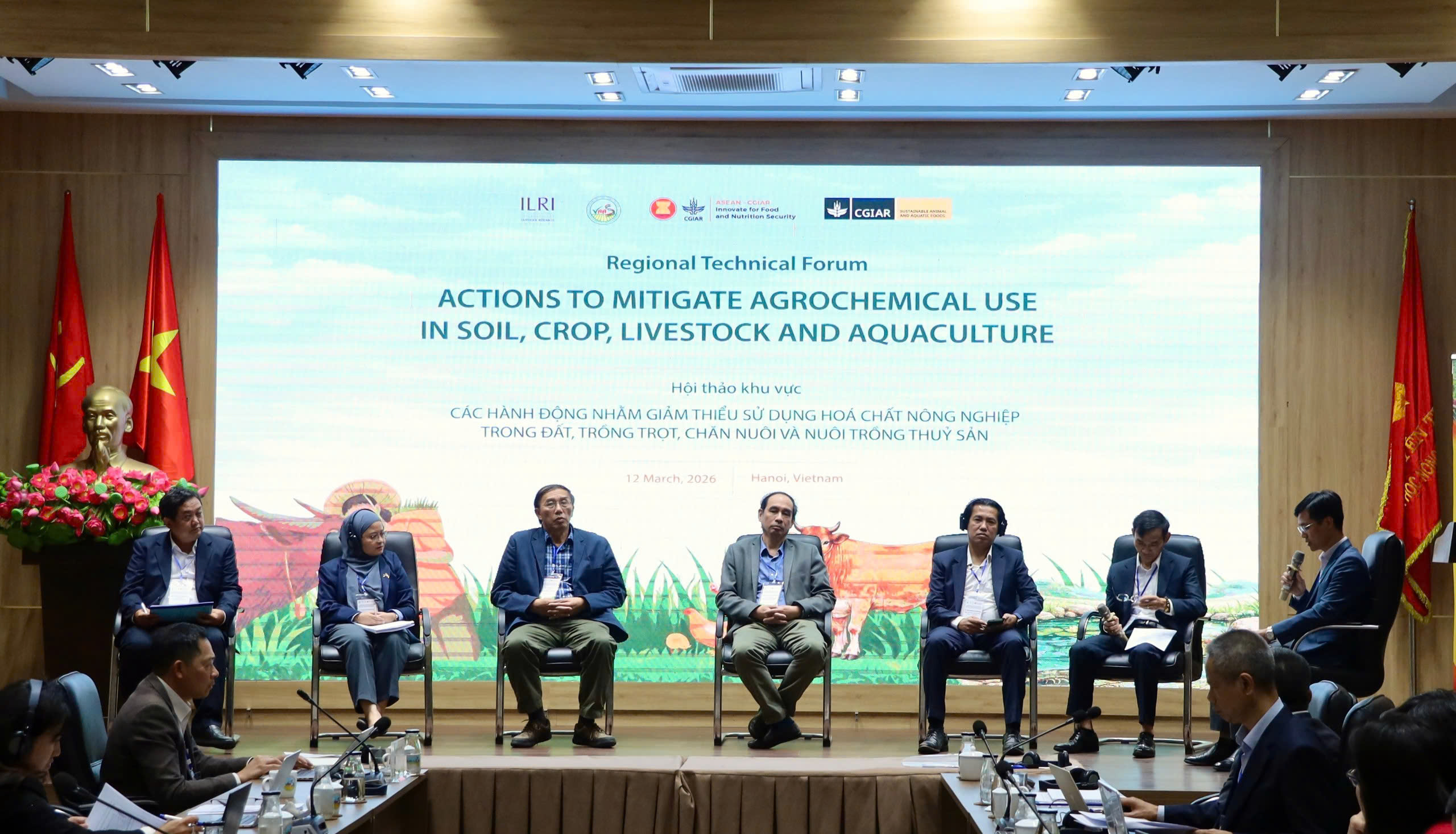
Participants also noted gaps in extension services and limited incentives for farmers to adopt safer alternatives. Without technical support and market signals, shifting away from conventional practices can be difficult.
At the same time, the forum highlighted strong opportunities for regional cooperation. By strengthening partnerships among governments, scientists, farmers and the private sector, countries in the Mekong region can accelerate the transition toward more sustainable agricultural practices.
The forum was jointly organized by the Vietnam Academy of Agricultural Sciences (VAAS) and the International Livestock Research Institute (ILRI) under the ASEAN–CGIAR Innovate for Food and Nutrition Security regional program.