Farmers showcase benefits of integrated crop-livestock innovations in Ethiopia
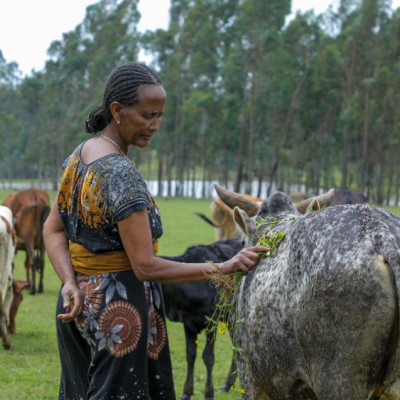
For millions of smallholder farmers, livestock are more than just animals: they are a vital source of income, nutrition and draught power. However, seasonal shortages of quality feed due to environmental, economic, and management constraints remain one of the most significant challenges to optimal animal productivity.
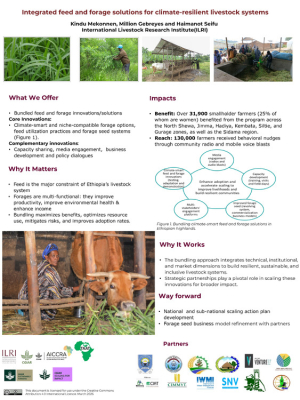
To mitigate this, the International Livestock Research Institute (ILRI), alongside national and regional partners, provides integrated, climate-smart and practical feed and forage solutions to ensure food security and protect livelihoods. This initiative is spearheaded by the Livestock Climate and Environment (LCE) program, which implements sustainable forage and forage bundling interventions to enhance livestock resilience in Ethiopia.
In 2025, over 31,900 smallholder farmers (23–25% women) across four (Amhara, Oromia, Sidama, and Central Ethiopia) regions of the country benefited from these interventions. These included 998 farmers, extension agents, and experts who participated in capacity development sessions. In addition, community radio and mobile extension messages were disseminated to more than 130,000 farmers, and quality forage seed multiplication was started in 68 hectares across the four regions. These interventions increased access to nutritious feed, strengthened local expertise and disseminated knowledge on scale. The results directly contribute to closing the feed gap, improving livestock productivity and enhancing the climate resilience of farming systems for tens of thousands of households.
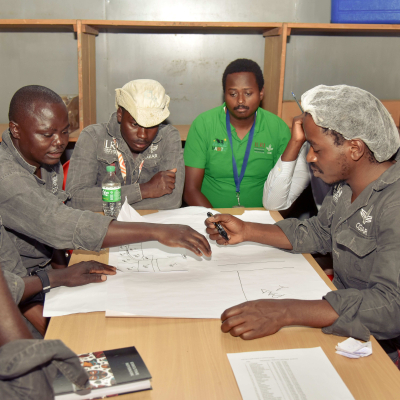
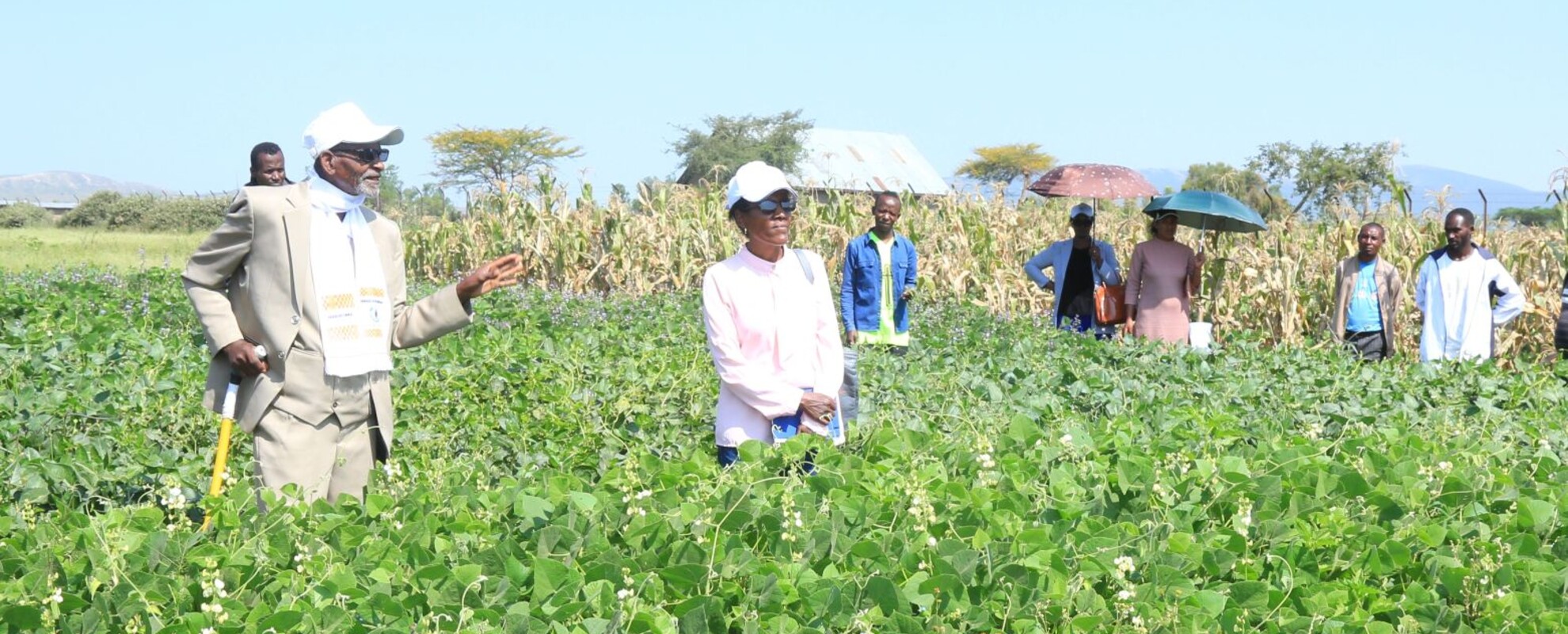
Most of the capacity development training was conducted during farmer field days, where farmers learn about new technologies and acquire practical skills through hands-on demonstrations and peer learning. Field days also encourage knowledge sharing, build community connections, and help farmers make better-informed decisions.
In November 2025, ILRI and agricultural research centers and universities co-hosted field days in the highlands of Ethiopia, showcasing tailored feed and forage innovations for each area. These interventions specifically address critical challenges such as land scarcity, soil waterlogging, and the lack of reliable local seed systems that hinder livestock productivity.
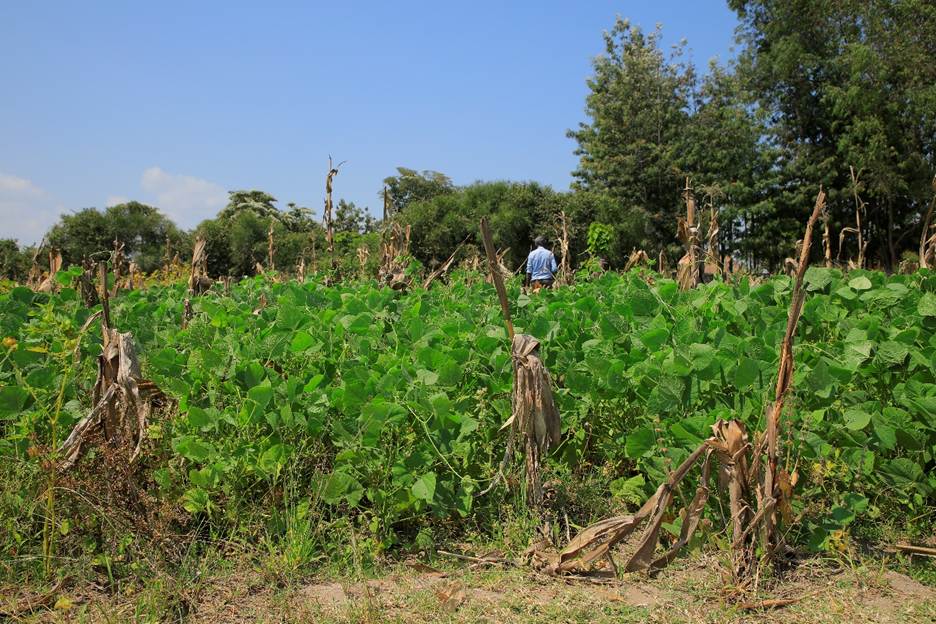
- Sidama Region: In Hawassa Zuria Woreda, farmers addressed land scarcity through maize-forage legume intercropping. By integrating legumes like lablab and cowpea, they produce superior feed without sacrificing grain yield. Farmers can produce significantly more and better-quality feed without sacrificing grain yield.
“When I intercropped legume forages, I thought I should have planted haricot bean instead,” shared one farmer. “But I realized that legume forage intercropping for livestock is like planting enset (Ensete ventricosum) with cabbage for human food; it improves the overall quality and quantity.”
- North Shewa Zone: Participants observed the impressive results of improved oat-vetch mixtures managed using best agronomic practices, including dry planting and broad bed and furrow (BBF) systems. Farmer Gizachew Shewaye testified that forage production could offer equal or better returns than wheat, especially when linked to increased milk yields.
- Hadiya Zone: In Lemo Woreda, the focus was on forage diversification and seed systems. Farmers explored adaptation trials of 21 oat and six vetch varieties, learning to select the best for their needs. The event also highlighted community-based seed production for faba beans and field peas, ensuring food and feed security go hand in hand.
- Jimma Zone: In a multi-location trial, farmers evaluated improved perennial grasses and legumes alongside maize-soybean intercropping. Discussions emphasized the need to promote perennial forages and create strong local seed systems to sustain adoption.
Integrated technologies for feed enhancement
Efficient utilization of innovations enhances productivity, sustainability, and profitability. During the field days, two complementary technologies captured great interest across all sites:
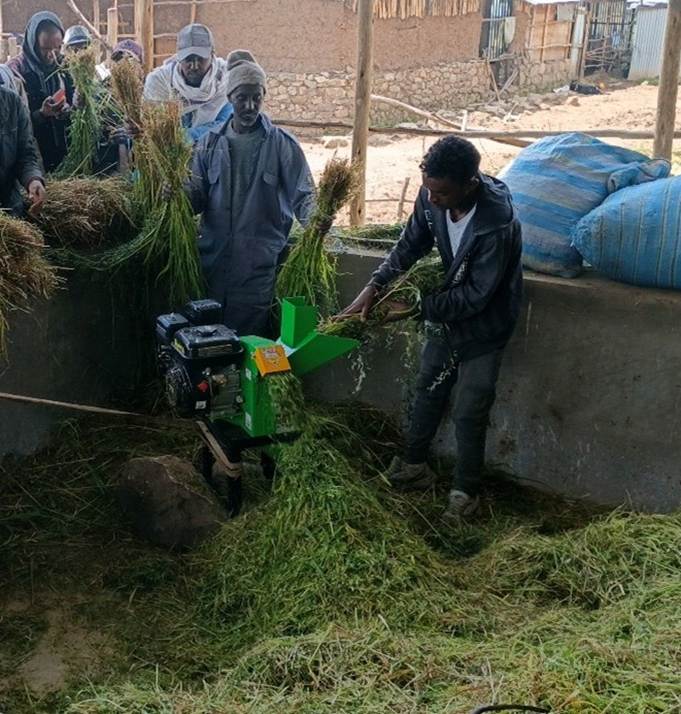
- Feed chopper machines: Live demonstrations showed how chopping forage into uniform pieces improves digestibility, reduces waste by up to 50% and saves hours of labor, a benefit particularly celebrated by women farmers. High demand led to practical discussions on cooperative ownership and service-provider models to make this technology accessible.
- Feed troughs and silage-making: Simple, specially designed feed troughs were shown to prevent feed loss. Hands-on silage-making demonstrations equipped farmers with the skills to preserve nutritious green forage for the dry season, turning seasonal surplus into year-round security.
Feedback from farmers
- Farmers who had adopted the innovations reported visible improvements, including improved animal body condition and increased milk production from feeding livestock chopped mixed forage. Intercropping enhanced soil moisture retention.
- The spirit of community learning was strong. A woman farmer in Sidama asserted, “We can take responsibility to transfer this knowledge to our fellow farmers”, highlighting the potential for farmer-to-farmer scaling.
- Farmers were candid about hurdles, such as the need for timely access to quality forage seeds and silage inputs such as molasses. Their questions were practical and forward-looking, focusing on feeding rates, machine costs and sustainability.
Collaboration for scale
The field days were not just demonstrations but springboards for action. The following key recommendations from stakeholders will pave the way for wider impact:
- Establish decentralized, farmer-managed seed production and distribution networks to meet the demand for forage seeds.
- Facilitate models for cooperative ownership to make choppers and other equipment affordable and sustainable.
- Link these feed technologies with existing national agricultural extension programs to leverage resources and reach millions more farmers.
- Institute systems to track the long-term impacts on milk yield, soil health, and income, building a powerful evidence base for policy and investment.
The resounding success of these field days underscores a clear message: the solutions to Ethiopia's feed challenge are within reach. Combining climate-smart forage production with efficient utilization of technologies and fostering strong partnerships from researcher to farmer can build more resilient and productive mixed farming systems.
The enthusiasm of farmers, the commitment of development agents and the support of local administrators create a powerful coalition for change. Moving forward, focus remains on supporting these stakeholders to scale what works, turning demonstration plots into fields of opportunity across the Ethiopian highlands.
These field days were made possible by the collaborative efforts of ILRI and its valued partners: the Sidama Region Agricultural Research Institute (SIRARI), Debre Birhan Agricultural Research Center (DBARC), Worabe Agricultural Research Center (WARC), Jimma University and the respective zonal and woreda offices of agriculture. This work contributes to the CGIAR Sustainable Farming and Scaling for Impact program and AICCRA and TAAT projects.