Bringing Madagascar's National Livestock Master Plan to life through science and regional cooperation
Even the best-laid plans will fail if not put into action. That's why Madagascar is plunging ahead with the implementation of its new livestock master plan, which was developed with support from the International Livestock Research Institute (ILRI) and its partners. The country is looking to science and regional cooperation to succeed.
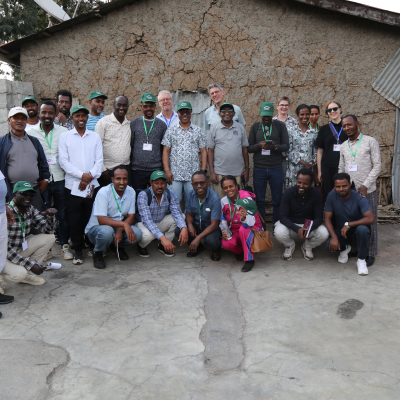
Making the shift from planning to implementing was the purpose of a working visit in early July 2026, when a high-level delegation led by Madagascar's Minister of Livestock, Riana Nantenaina Randrianomenjanahary, spent a week at ILRI's campus in Nairobi. The mission brought together decision makers, researchers, and technical experts to identify what innovations and partnerships can translate the master plan into real value for the millions of Malagasy families who depend on livestock for their livelihoods.
The visit built on a partnership that has grown step by step. In February 2026, the directors general of five CGIAR centers, including ILRI, traveled to Madagascar to align their research with national priorities, an engagement that produced a memorandum of understanding between ILRI and the National Center for Applied Research in Rural Development (FOFIFA). The July mission carried that momentum into practical questions of what to do next, and how.
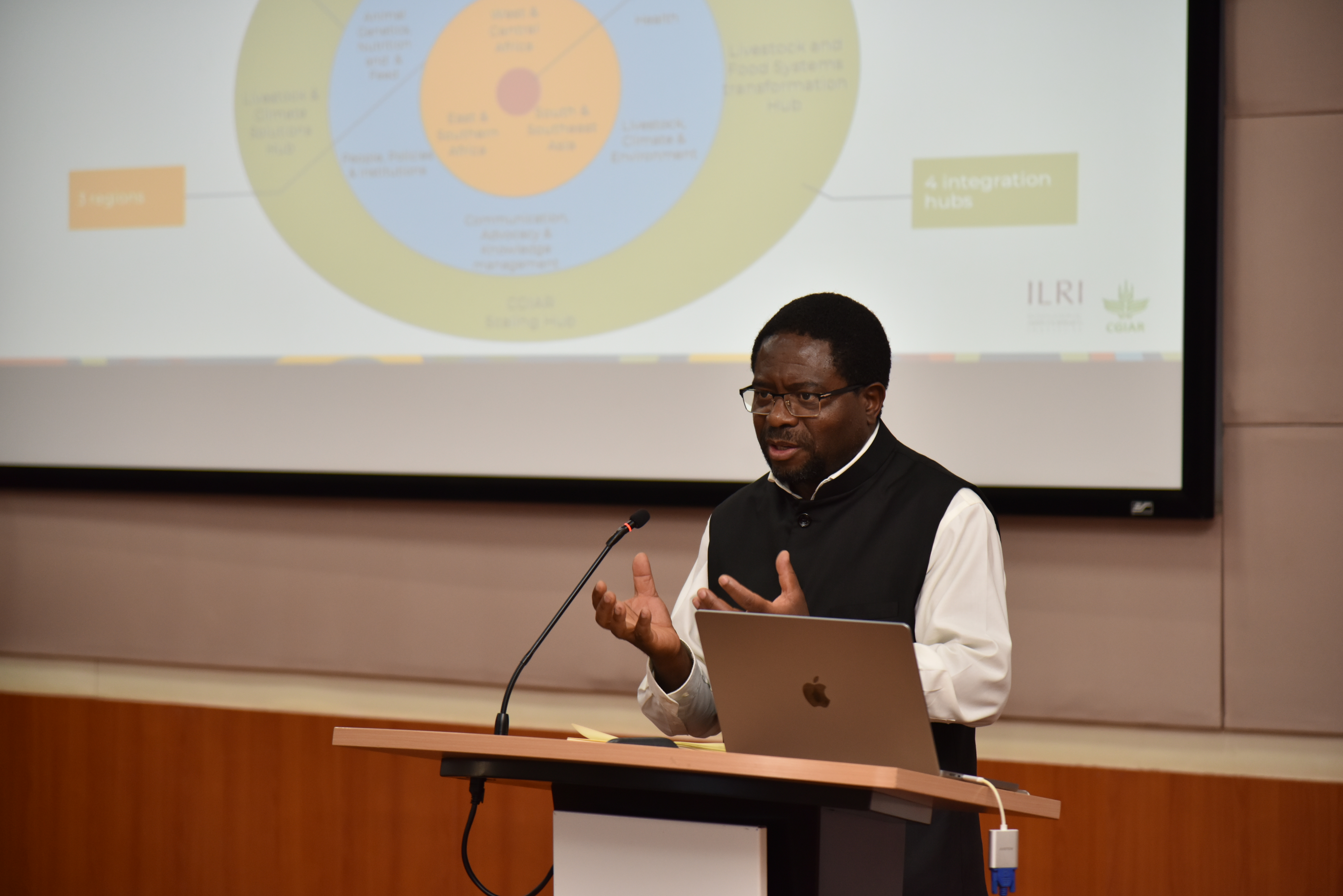
For Appolinaire Djikeng, ILRI's director general, the exchange showed why cooperation among African countries matters:
“This visit allowed us not only to share what we do at ILRI, but also to learn from Madagascar and understand the realities the country faces," he said. "It confirms that our countries have a great deal to learn from one another. That is the value of South-South cooperation.”
Turning science into practical advice
Much of the weeklong visit was spent learning how research becomes practical advice.
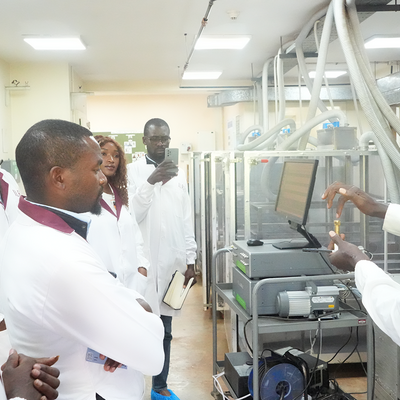
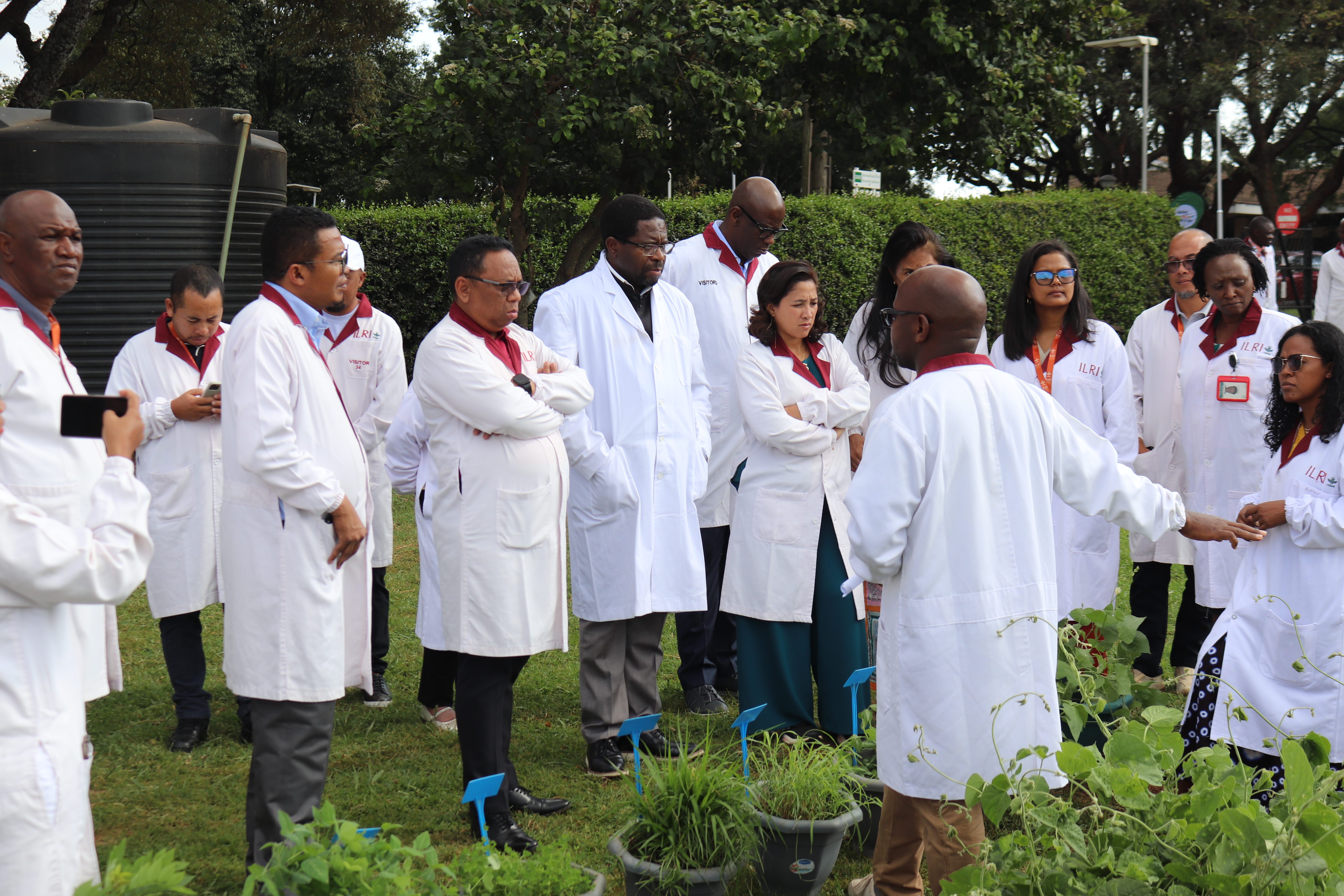
In ILRI's forage plots and laboratories, the Malagasy researchers followed the full chain of feed analysis, from sampling forage and preparing feed through testing for contaminants such as mycotoxins, interpreting the results, and using them to formulate rations and advise producers.
Reliable data, the discussions emphasized, allows institutions to anticipate feed shortages, improve early-warning systems, and tailor climate services to livestock keepers. ILRI researchers shared digital tools such as AgDataHub and iSAT that can help turn that data into information that producers can act on.
For Erline Razananoro, a veterinarian and researcher at FOFIFA, the mission was above all a chance to build national expertise.
“Madagascar already has real strengths in research and innovation," she said. "This mission lets us test them against other experiences, identify technologies suited to our context, and build the skills of our researchers and technicians.”
Lessons from across the region
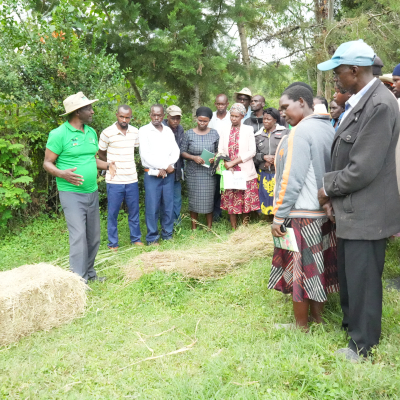
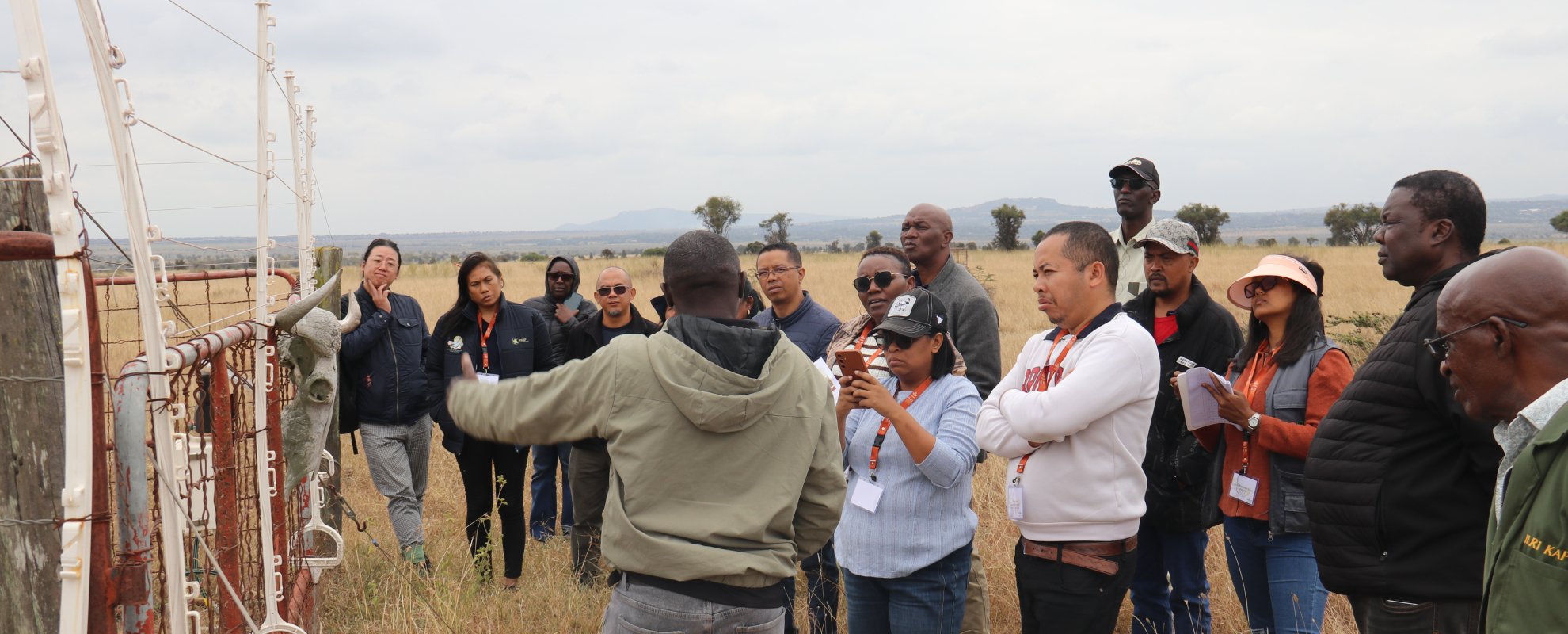
Beyond the laboratories, the Malagasy delegation saw how ILRI’s innovations reach farmers in Kenya. At ILRI's Kapiti Research Station, integrated approaches combining pasture restoration, improved forage, animal health, and genetics directly address some of the challenges Madagascar knows well: degraded rangelands and a variable climate.
At the Kenya Agricultural and Livestock Research Organization Dairy Research Institute, the visitors saw how a national institution moves innovations from research through extension to producers.
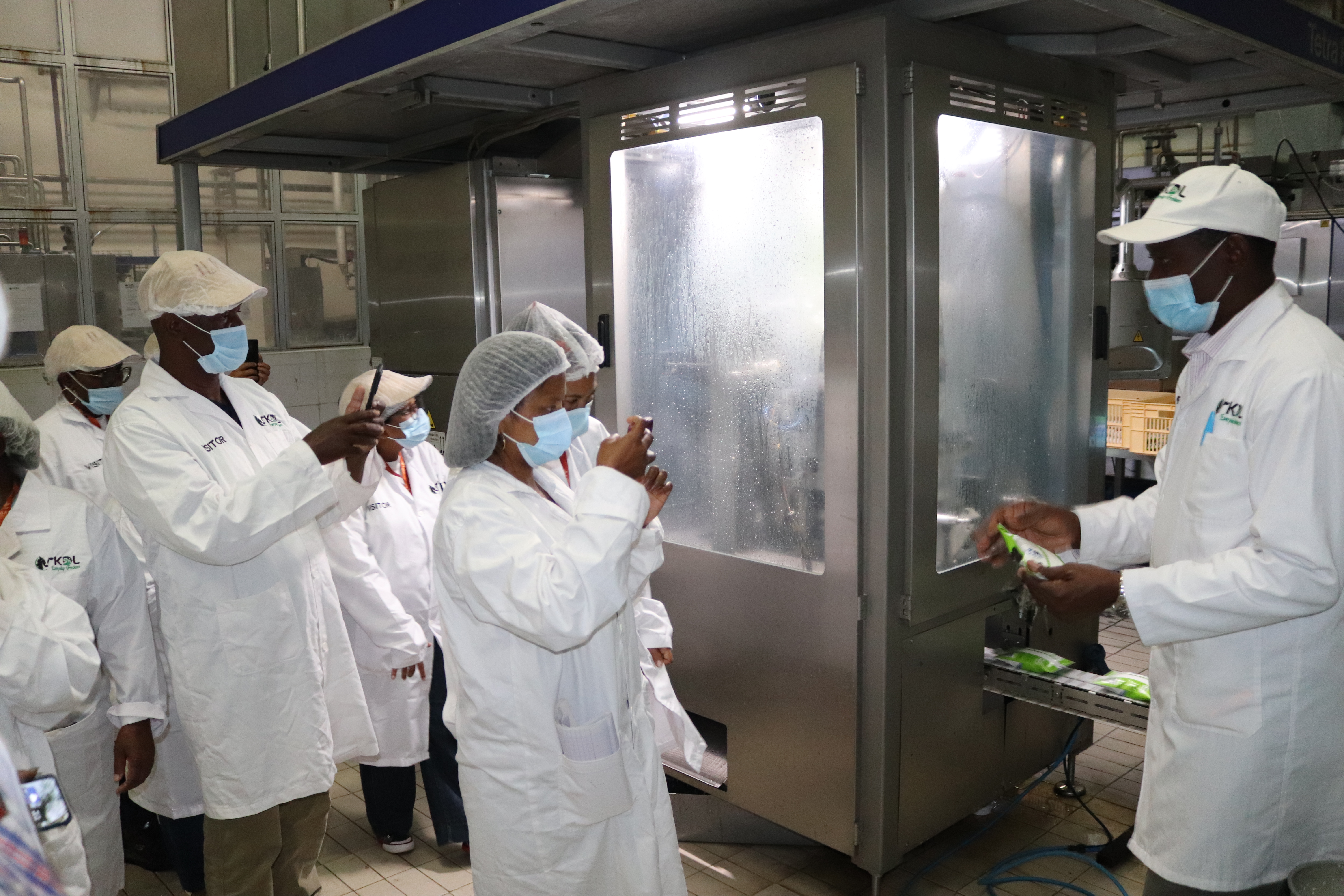
And at the Muki dairy cooperative in Naivasha, a single enterprise linking milk collection, quality control, veterinary services, processing, and marketing, showed that a value chain succeeds as much on the strength of its organization as on its technology – a message that the delegation heard repeatedly during the visit.
A partnership geared toward action
These lessons informed strategic discussions between Madagascar’s Ministry of Livestock, Malagasy technical institutions, and ILRI. During the discussions, Madagascar’s Minister of Livestock highlighted several immediate priorities, including access to quality forage seed, notably lablab (Lablab purpureus), buffel grass (Cenchrus ciliaris), and Sugargraze forage sorghum. He also stressed the need to strengthen climate services and animal health, while supporting promising value chains such as small ruminants, poultry, pigs, and dairy. He noted that building national capacity in vaccination, disease surveillance, and market development could create greater economic opportunities for producers.
Madagascar and ILRI also reaffirmed their intent to deepen their partnership over the long term, including by continuing discussions about ILRI's institutional presence in the country and a planned roundtable to start raising the investment the master plan will require.
“South-South cooperation is not only about sharing experiences,” said Djikeng. “It is about building, together, solutions suited to the realities of each country.”
From the CGIAR directors’ visit in February to the ministerial delegation in July, one conviction runs through the partnership: transforming Madagascar's livestock sector will depend on institutions working together, generating knowledge, and adapting innovations to local conditions. Anchored in the master plan, the shared goal is to make science, innovation, and cooperation practical levers for more productive, more resilient livestock systems.