From partnership to action: ILRI and WOAH deepen global One Health collaboration
Designation of the International Livestock Research Institute (ILRI) as the first One Health collaborating center of the World Organisation for Animal Health (WOAH) signaled clear recognition that global animal health challenges require deeper integration between research, policy and implementation.
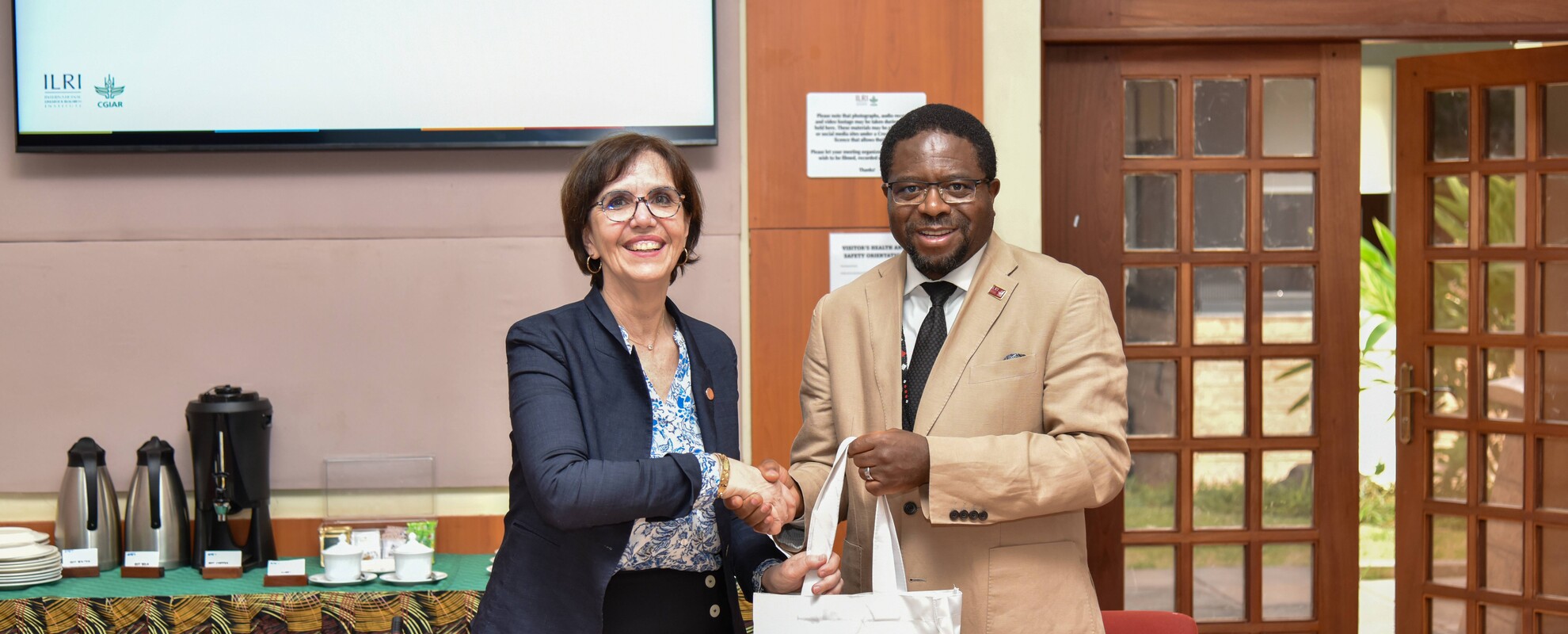
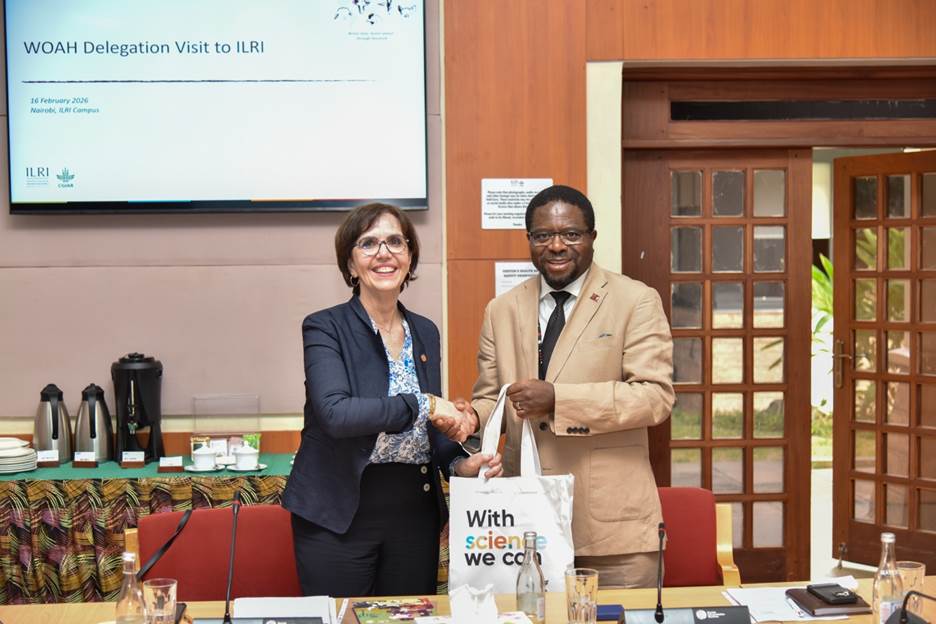
That mandate began taking shape on 16 February when ILRI’s leadership met WOAH director general, Emmanuelle Soubeyran, at the institute's Nairobi campus. Their discussions focused on aligning scientific research, global standards and policy advocacy under a shared vision: strengthening animal health systems as a cornerstone of food security, economic resilience and environmental sustainability.
Moving from designation to delivery
Speaking on the partnership’s role as a strategic platform for shaping the global evolution of animal health, climate action and One Health governance, ILRI director general, Appolinaire Djikeng, said: "We have been generating evidence on animal health and climate change that needs to be on the main stage. Our role in strengthening veterinary service capacities positions us to deliver meaningful impact alongside WOAH."
For both organizations, the One Health Collaborating Center provides a structured platform to connect research evidence with international animal health standards, risk assessment processes and policy guidance used by member states worldwide. Soubeyran welcomed the collaboration’s expansion into emerging areas such as climate change and its growing impact on animal health systems.
“Translating evidence into policy and action is key in our collaboration,” she said. “Data-driven approaches are essential to help decision-makers understand the value of investing in animal health.”
A shared agenda built around five pillars
The joint strategic collaboration framework is structured around five core pillars: disease surveillance, modeling and risk assessment; biosecurity and animal health interventions across value chains; animal health and climate-smart One Health strategies; workforce development and community engagement; and governance, policy and legal frameworks. Together, these pillars will bridge scientific innovations with operational implementation, ensuring research findings inform real-world decision-making.
“This is not just a research agenda; it is our institutional commitment to aligning science with the realities on the ground, where animal, human and environmental health intersect. By grounding our work in evidence, we aim to support countries to anticipate risks, shape policy and make informed decisions,” noted Ekta Patel, ILRI scientist and lead point of contact for the WOAH One Health Collaborating Center.
And Simon Brooker, who leads ILRI's health program, emphasized that collaboration with organizations like WOAH enables research to move beyond academic outputs: "Our goal is improving the health of livestock, farming communities and the shared environment, with research that directly informs policy.”
Climate change emerges as a defining frontier.
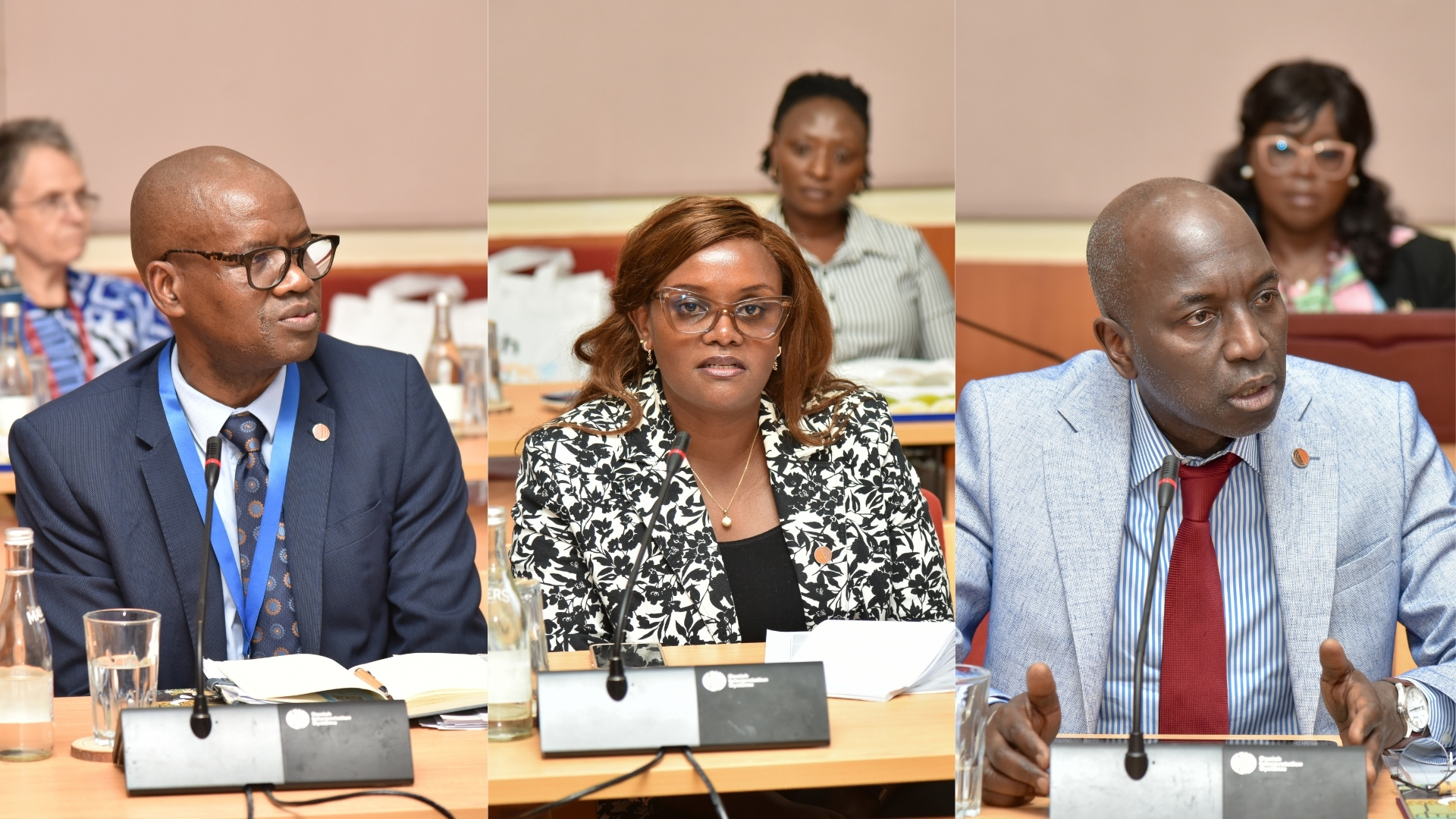
Climate change became a central theme of the discussions, reflecting increasing global concern about how shifting ecosystems alter disease dynamics, livestock productivity and environmental impacts. Soubeyran highlighted emerging challenges at the intersection of genetics, productivity and climate adaptation.
"We have members asking us to develop standards for new breeding techniques and their impact on animal health," she said. "Issues like cross-breeding dynamics and disease tolerance connect productivity, climate resilience and health outcomes. We need integrated thinking."
WOAH emphasized the need for stronger data to understand how animal health interventions influence climate outcomes, including greenhouse gas emissions, resilience pathways and the environmental implications of disease control strategies such as large-scale culling campaigns.
Pointing out that ILRI has already generated significant evidence linking livestock health, climate resilience and sustainable production systems, Djikeng said the partnership could bring these insights onto global policy platforms through initiatives such as the Livestock and Climate Solutions Hub.
Data, economics, and the case for investment
Another recurring theme was the role of data in strengthening advocacy and decision-making. Quantifying the economic burden of animal diseases and demonstrating return on investment are important to policymakers.
WOAH’s Global Burden of Animal Diseases initiative was highlighted as a key tool for advancing this agenda, providing data-driven insights that connect animal health outcomes to economic productivity and development priorities. The model will be integrated into the framework's first pillar on socioeconomic impact assessment.
For both organizations, stronger economic evidence is essential to elevate animal health within broader discussions on climate adaptation, trade and global health security.
Toward proactive research and prevention
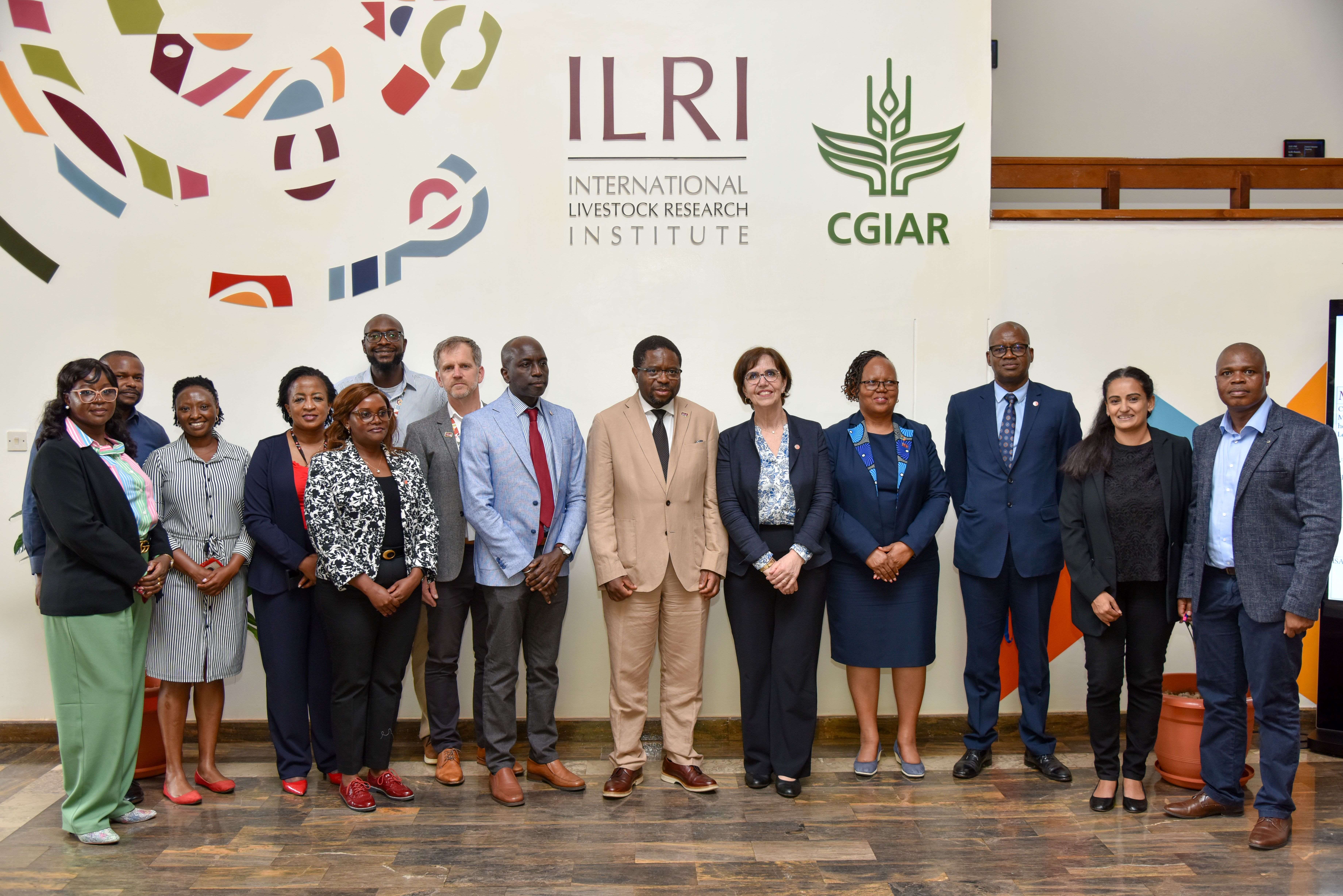
Participants agreed that the collaboration should prioritize anticipatory research rather than reactive responses to outbreaks. Targeted areas identified for alignment with global strategies include rabies elimination, zoonotic tuberculosis, Rift Valley fever, and avian influenza.
"The collaboration between WOAH and ILRI is important in shaping the One Health research agenda," said Lillian Wambua, WOAH regional One Health officer. "We need to craft research that addresses prevention, so we're not constantly reacting. As a global collaborating center, our agenda should be proactive."
Strengthening governance and capacity in Africa
The meeting also highlighted the strategic value of locating the collaborating center in Africa, where One Health governance frameworks remain uneven across many low- and middle-income countries.
"We only institutionalize One Health when we have the data to support it," said Lillian Wambua, WOAH regional One Health officer. "Countries need evidence to justify legal frameworks, budget allocations and institutional reforms. ILRI's research strength can address that evidence gap, particularly in Africa and other low- and middle-income countries where governance remains a constraint."
ILRI expressed willingness to support capacity strengthening for national veterinary services, aligning with WOAH's Performance of Veterinary Services program that evaluates and strengthens veterinary system performance globally.
Looking ahead
The significance of the meeting lies in how it advances a new model of collaboration between research institutions and intergovernmental organizations to shape the future of One Health. By aligning WOAH’s global authority in animal health standards with ILRI’s scientific expertise and regional reach, the partnership seeks to translate evidence into policy and accelerate progress toward healthier livestock systems, resilient communities and more sustainable food systems in a climate-constrained world.
Related Publications
Impact evaluation of a small ruminant flock health intervention on animal health, welfare, and farmer income in Ethiopia
Prevalence, quantification, and household-level risk factors associated with Salmonella spp. infection in chickens in Boussouma commune, Burkina Faso