Closing Africa's climate data gap, one scientist at a time
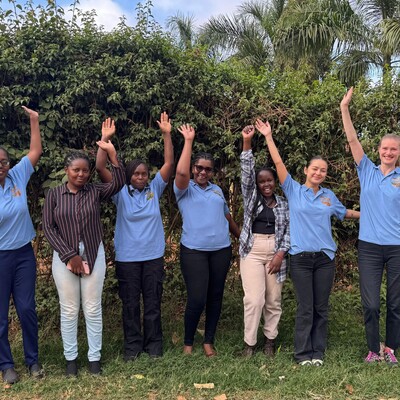
When researchers Deborah Ogundepo and Joseph Oyelude of the International Institute of Tropical Agriculture (IITA), Nigeria, arrived at the International Livestock Research Institute (ILRI) in Nairobi, Kenya, they had a clear goal: to strengthen their expertise in greenhouse gas measurement.
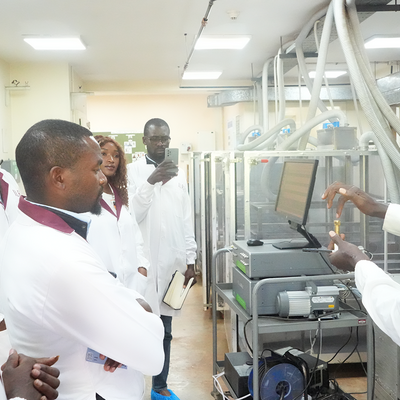
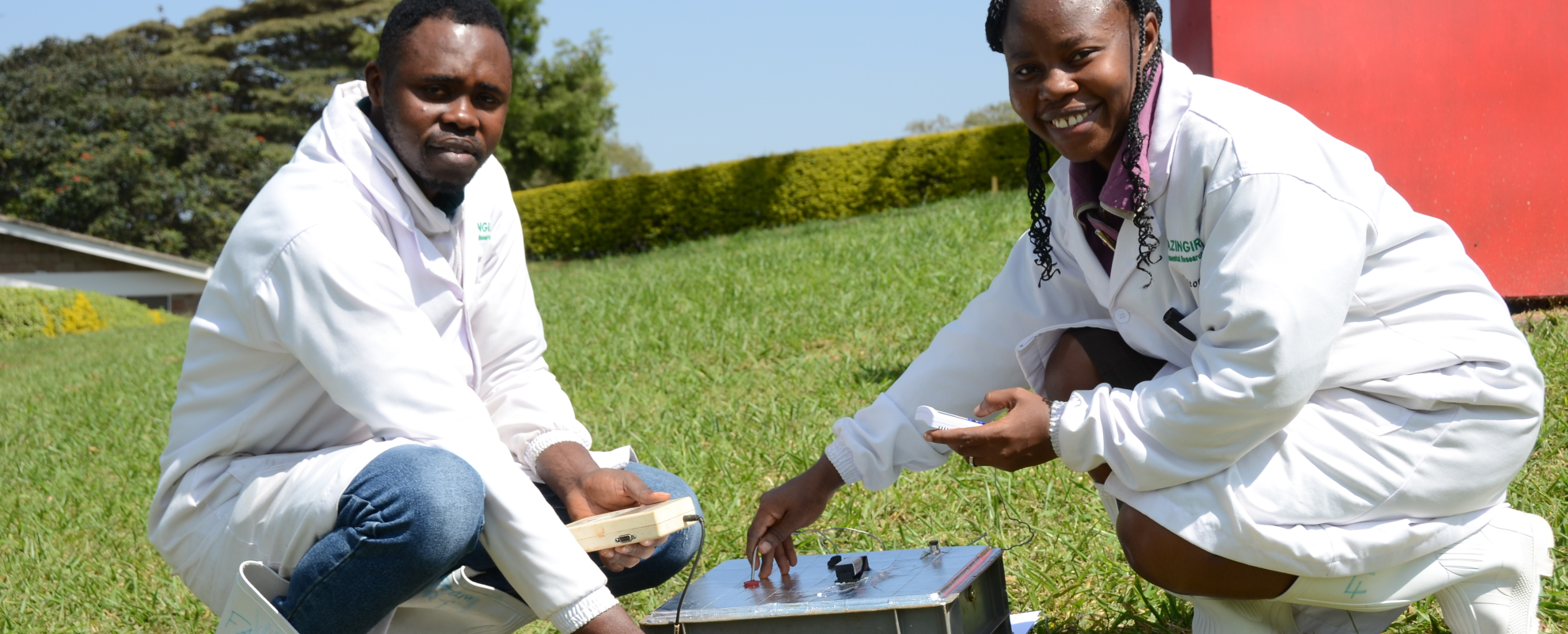
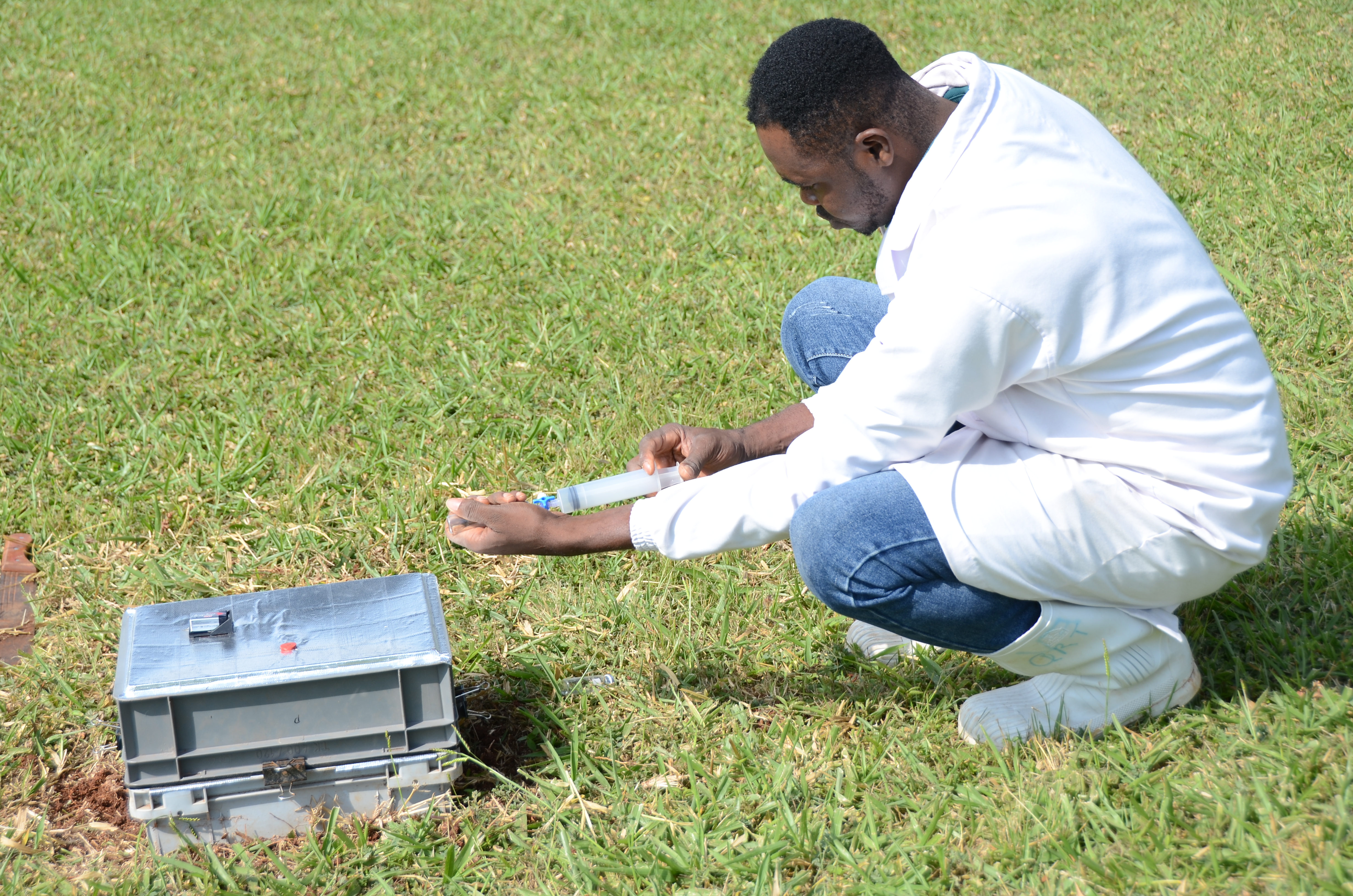
Over two weeks, that goal took shape in the field and the laboratory. They gained hands-on experience in designing greenhouse gas measurement studies, operating and maintaining gas chromatographs, fabricating static chambers, collecting field samples, implementing quality assurance and quality control procedures, and analyzing greenhouse gas data. They left with more than new skills; they had the tools to strengthen greenhouse gas research at IITA and generate reliable, locally relevant climate evidence.
Their training was part of something bigger: the Critical Capacity Strengthening Program (CASP), launched in 2026 under the CGIAR Climate Action Science Program. Through CASP, the ILRI Mazingira Centre is sharing its greenhouse gas measurement expertise with researchers and technical staff across CGIAR centers, strengthening the capacity to generate high-quality local data and building collaboration across the low- and middle-income countries.
Building the evidence for climate action
Reliable greenhouse gas data is essential for identifying agricultural practices that improve productivity while reducing environmental impacts. Yet many institutions, particularly in the low- and middle-income countries, have limited capacity to generate emissions data under local farming conditions. Strengthening this capacity can improve the locally generated evidence available for national greenhouse gas inventories, nationally determined contributions (NDCs), and monitoring, reporting, and verification (MRV) systems.
Science that benefits farmers
For Ogundepo, beyond collecting data, greenhouse gas measurement is about improving farmers' livelihoods: "Everything we do in research should ultimately benefit farmers. Reliable greenhouse gas data help us identify farming practices that improve productivity while reducing emissions, allowing farmers to build more resilient and sustainable production systems."
Field measurements can compare greenhouse gas emissions and soil carbon under different soil fertility, agroforestry, and crop management practices, helping researchers identify approaches that build and retain soil carbon. This is important for climate mitigation and for farmers, because higher soil organic carbon can improve soil health, nutrient cycling, soil structure, and water retention, supporting more resilient crop production.
Developing hands-on skills for better science
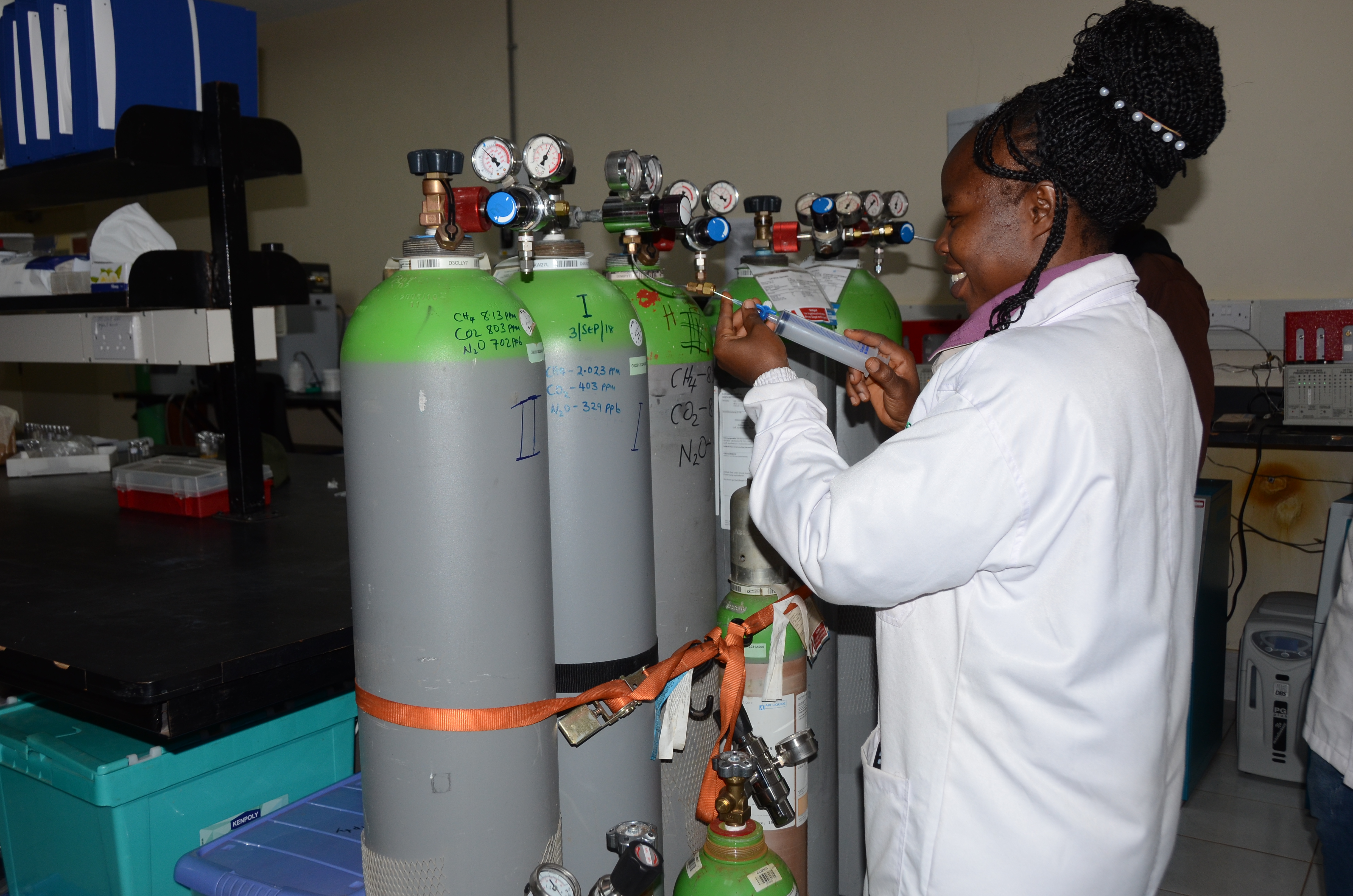
Working alongside scientists at the Mazingira Centre gave Ogundepo and Oyelude a deeper understanding of the greenhouse gas measurement process and how each stage, from field sampling and laboratory analysis to data interpretation, contributes to producing reliable climate evidence.
“Understanding how the different components fit together has changed the way I approach greenhouse gas research. This knowledge will improve the quality of our research,” said Oyelude.
For Ogundepo, one of the highlights was gaining practical experience with gas chromatograph equipment.
“I am now knowledgeable about proper operation, troubleshooting, and continuous maintenance, which will help me effectively use the equipment at our institution,” she said.
Strengthening climate research across West Africa
The strengthened expertise comes at a critical time as climate variability and soil degradation place increasing pressure on agricultural productivity across West Africa. Stronger measurement capacity will help IITA to quantify how soil, rice, and cropping practices affect greenhouse gas emissions and soil carbon and identify options that support agricultural productivity and climate resilience.
Leonard Rusinamhodzi, principal investigator and senior scientist at IITA explains: “In the CocoaSoils project, this strengthened capacity will enable precise quantification of greenhouse gas emissions and soil carbon sequestration under integrated soil fertility management (ISFM), agroforestry, and cocoa renovation practices, helping close yield gaps while monitoring climate impacts.”
Building a connected measurement network
Capacity strengthening can do more than build technical skills within individual institutions. By connecting scientists, expertise, and measurement infrastructure across institutions, it strengthens the wider research capacity needed to generate robust and comparable greenhouse gas evidence across different agricultural systems and regions. Over time, these relationships support more integrated science across institutions, agricultural systems, and regions, bringing together complementary expertise to address complex climate challenges.
The collaboration between ILRI and IITA will continue through technical support for greenhouse gas measurements in soils, rice, and cropping systems in Nigeria, strengthening quality assurance and quality control procedures, improving data interpretation, and developing standardized guidance that can be adopted by other research partners.
As the Mazingira Centre expands CASP to CGIAR centers, universities, national agricultural research systems, and partners, the aim is to extend greenhouse gas measurement expertise beyond a single institution, strengthening local capacity, connecting researchers and supporting more consistent, high-quality measurements across the low- and middle-income countries.
Acknowledgment
ILRI acknowledges the support of Bernard Vanlauwe, director general, IITA Nigeria; Joseph Uponi, laboratory manager, Analytical Service Laboratory, IITA; and Leonard Rusinamhodzi, senior scientist and systems agronomist for West Africa, IITA. ILRI also acknowledges the contributions of the Mazingira Centre team: Claudia Arndt, senior scientist and team leader; Paul Mutuo, research associate; and Daniel Girma Mulat, laboratory manager, for delivering the Critical Capacity Strengthening Program (CASP) and mentoring participants throughout the training.
Related Publications
Estimating carbon footprints and economic trade-offs in Mongolia's cashmere value chain: An integrated system dynamics approach