From food safety to One Health: Fred Unger’s two-decade journey with ILRI in Asia
After nearly two decades working on food safety, animal health, and One Health in Asia, Fred Unger, former regional representative of the International Livestock Research Institute (ILRI) in Asia, retired on 31 December 2025, leaving behind a legacy rooted in people, policy, and community.
In recognition of his long-standing contributions to agricultural development, food safety, and capacity development, he received a certification from Viet Nam’s Ministry of Agriculture and Environment in 2024, followed by an honor from the National University of Laos in 2025. These acknowledgements reflect not only his technical expertise, but also his commitment to partnership, trust-building, and strengthening national systems across developing countries in Southeast Asia.
“What I am most proud of is not a single project,” Unger reflected, “but that we started small, stayed consistent, and grew together—with partners, with institutions, and with countries.”
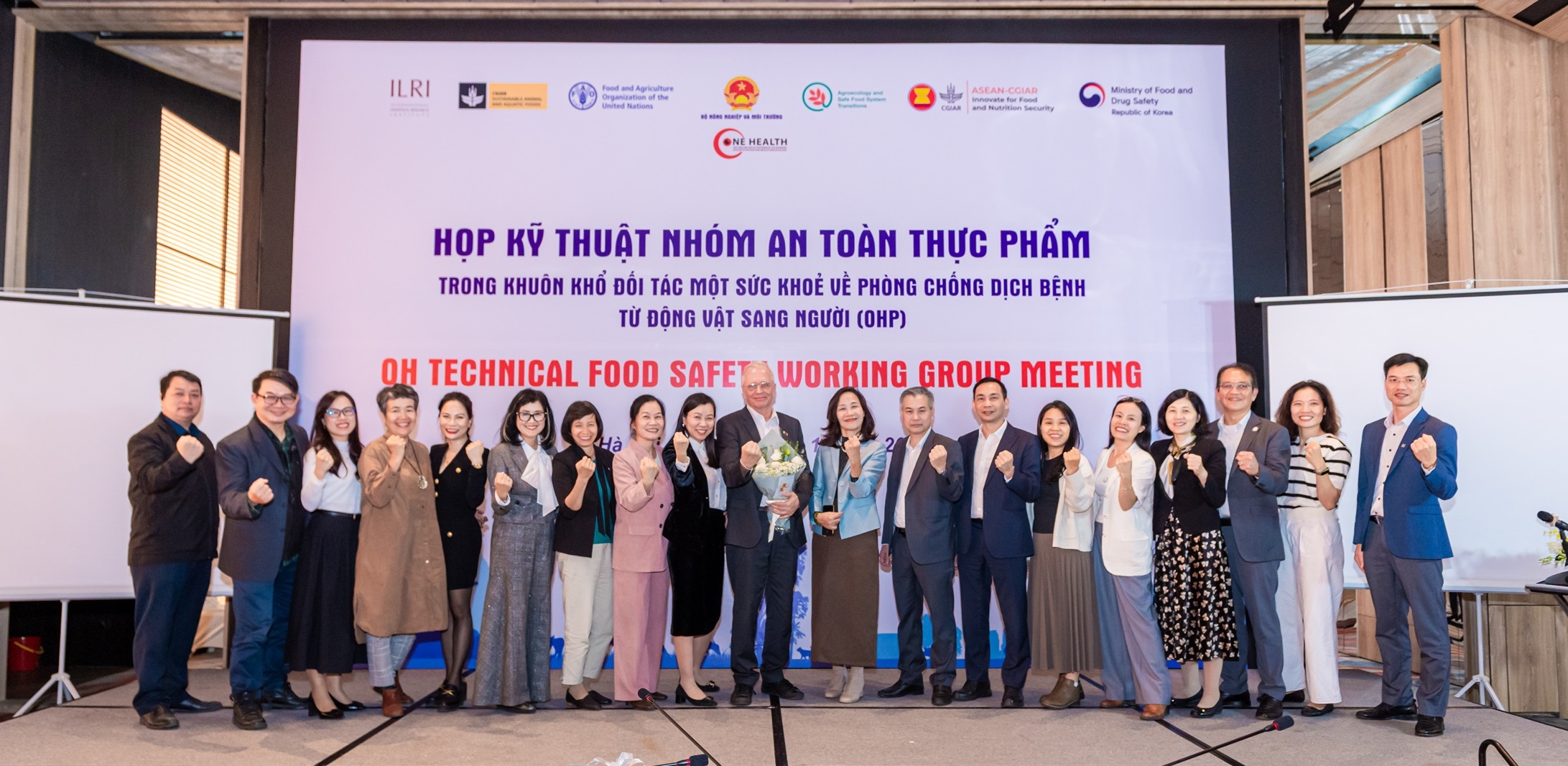
Nearly two decades in Southeast Asia’s food safety “hotspots”
Although Unger worked across multiple countries in Asia, Viet Nam became the place where he devoted the largest share of his professional life. When he arrived in Hanoi in the mid-2000s, the country was confronting avian influenza outbreaks, emerging zoonotic diseases, and food safety risks along small-scale livestock value chains.
At that time, interdisciplinary thinking was still rare. He became one of the early international advocates of what would later be formalized as the One Health approach, bridging veterinary science, public health, and environmental health.
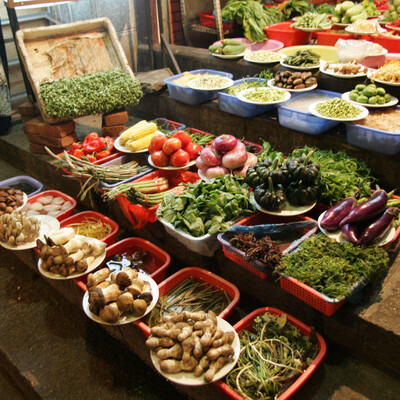
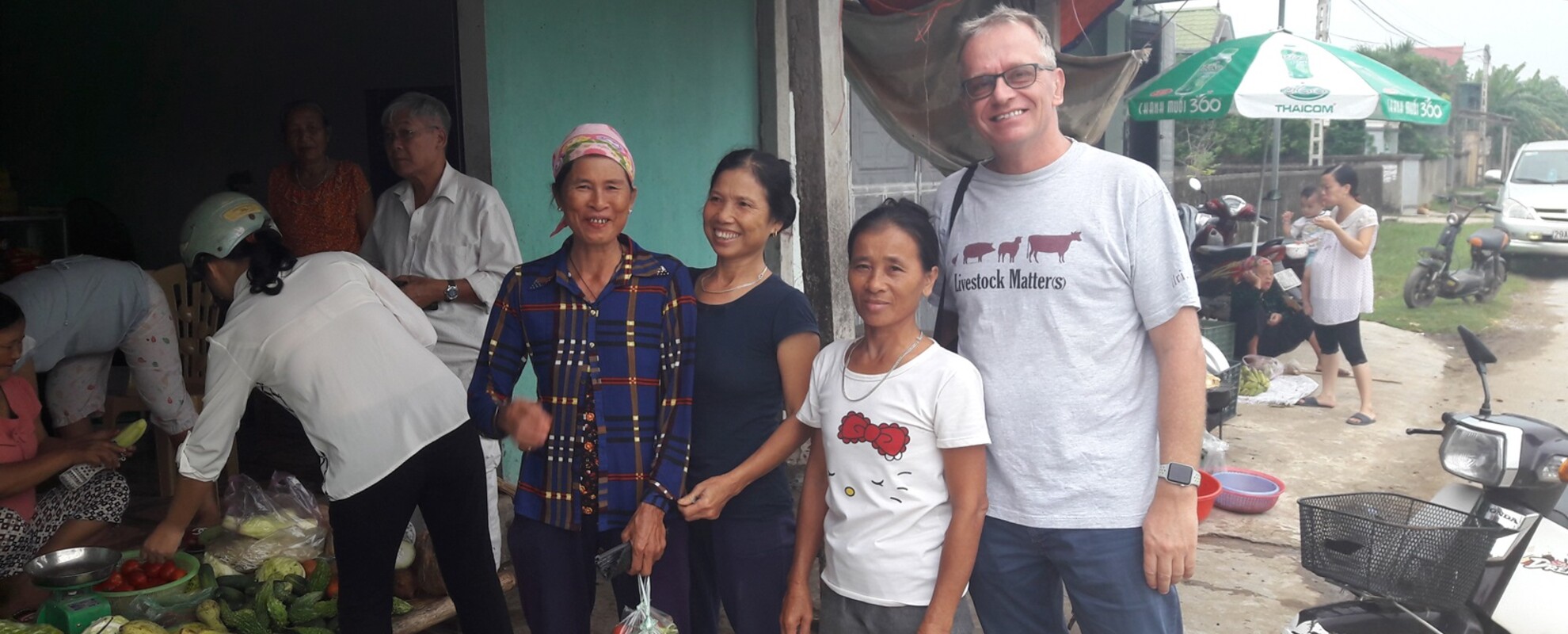
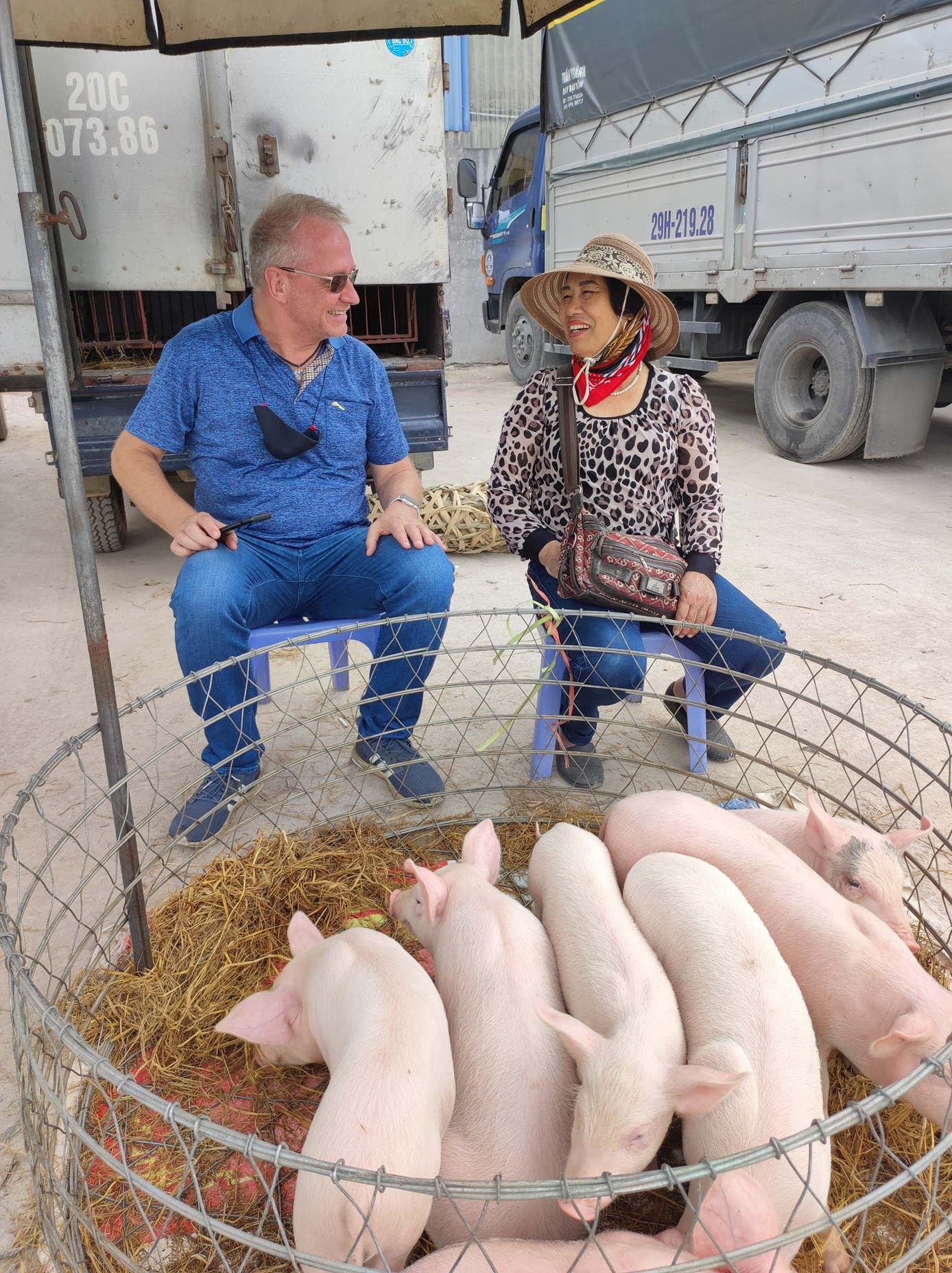
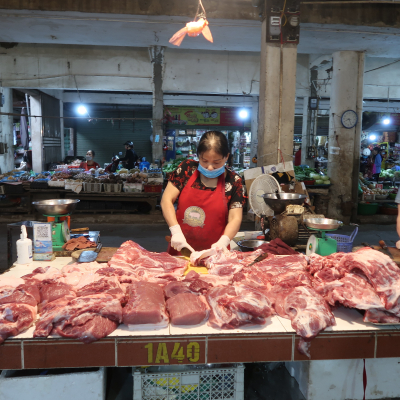
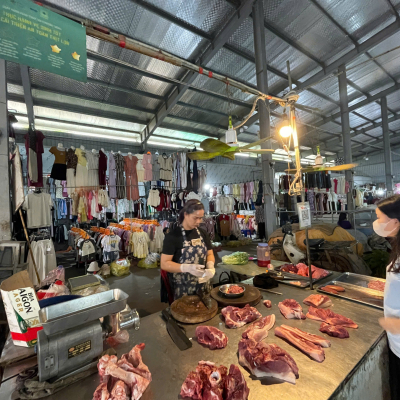
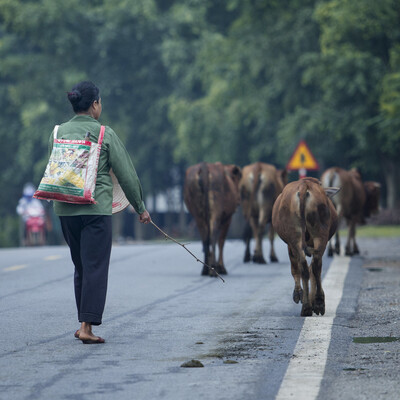
Colleagues recall him not in conference rooms, but in the field, conducting surveys at slaughterhouses, walking through traditional markets, or sitting with smallholder farmers on their farms.
“Research must start where people actually live and work,” he often said.
Evidence that reshaped food safety management approaches
From 2008 onward, he championed risk-based approaches to food safety—an internationally recognized but locally underused framework at the time. Under his technical leadership, several initiatives helped shift how governments and partners understood food safety risks.
- EcoZD (2008–2012) applied eco-health and One Health principles to zoonotic disease surveillance, improving understanding of avian influenza, rabies, and leptospirosis in smallholder systems.
- PigRISK (2012–2017) became the first comprehensive assessment of food safety risks along Viet Nam’s small-scale pork value chain, informing the establishment of the Food Safety Risk Assessment Working Group in 2013 and Viet Nam’s first evidence-based Food Safety Risk Management Report in 2017.
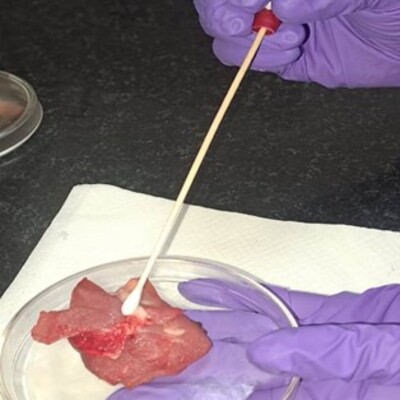
- SafePORK (2017–2023) translated research into action, piloting low-cost, practical interventions at slaughterhouses and markets, including hygiene toolkits and simple infrastructure improvements that reduced Salmonella contamination.
Many of these interventions were later scaled up under CGIAR’s One Health Initiative in Viet Nam and informed similar efforts in Cambodia, Lao PDR, Thailand, and Indonesia.
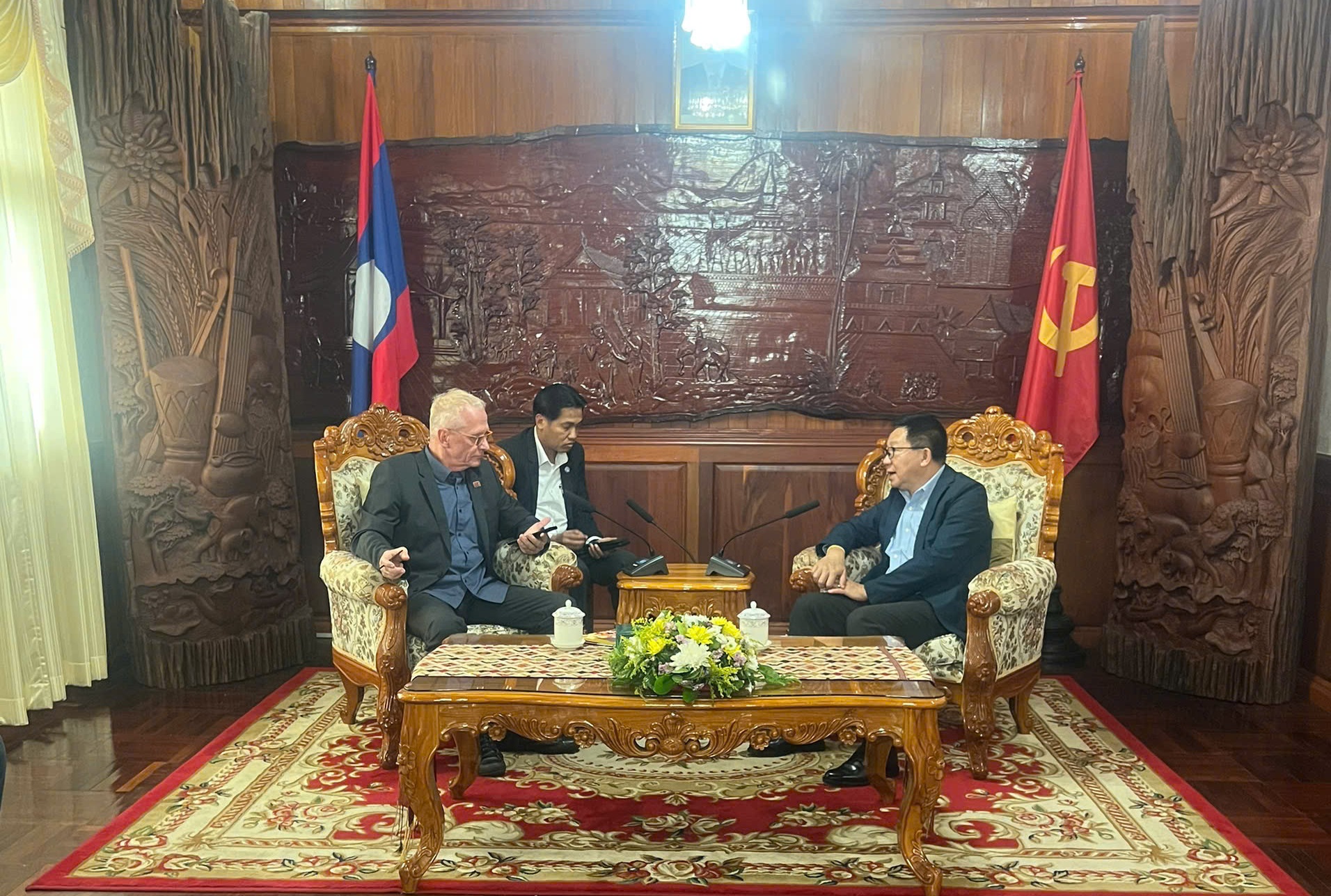
From research to policy: a long and patient road
Translating scientific evidence into policy was never straightforward—a reality Unger openly acknowledged.
“Influencing policy is probably the most complex part of our work,” he said. “Sometimes you succeed directly, sometimes you need to find another pathway.”
Under his leadership, ILRI’s research helped inform national guidelines on small-scale slaughtering, disease surveillance, and food safety in traditional markets. When African swine fever hit in 2019, ILRI’s studies on how the disease spread and its social and economic impacts were used in advisory reports, guiding discussions on biosecurity, restocking, and livelihood recovery.
“If policy change does not happen immediately, it does not mean the work failed,” he noted. “Working groups, task forces, local pilots, trusted relationships—these are also pathways to impact.”
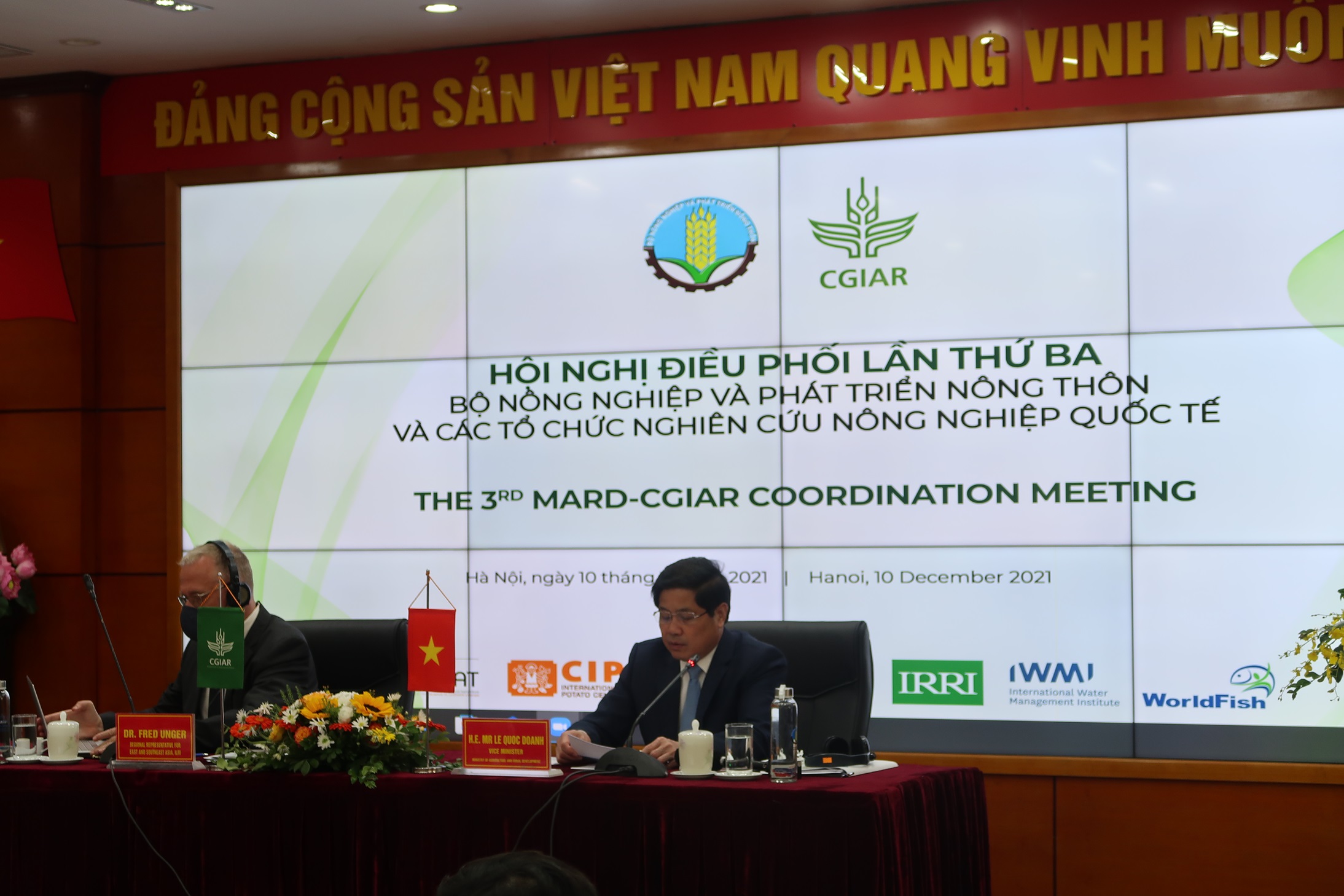
Building institutions across borders
Beyond Viet Nam, he played a key role in strengthening ILRI’s presence across Southeast Asia. From early work in Thailand with the Ministry of Public Health and Chiang Mai University, to partnerships in Indonesia, Cambodia, and Lao PDR, he helped seed EcoHealth and One Health resource centers—some of which continue today as self-funded national institutions.
“The most important lesson I learned,” he reflected, “is to be clear from the beginning—about expectations, roles, and what we want to build together.”
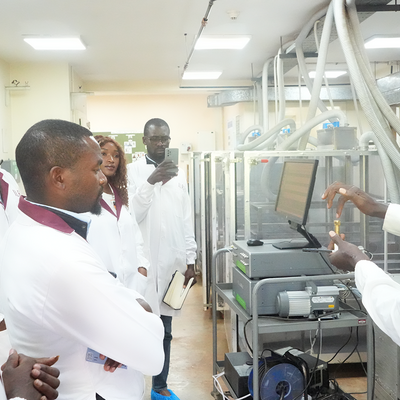
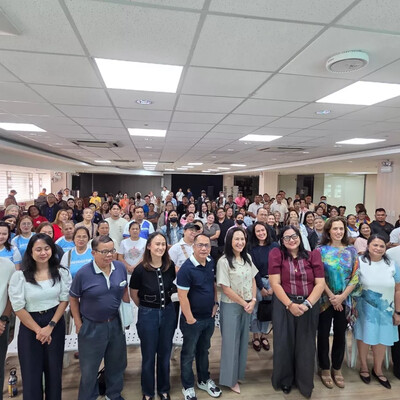
Perhaps his most enduring legacy is human capital. Over the years, more than 60 young researchers, veterinarians, and government officers were trained through ILRI-led projects, many of whom now hold senior positions in ministries, universities, and research institutes.
A farewell, but not a goodbye
As Unger steps down from his regional leadership role, partners across Southeast Asia describe him not only as a scientist, but as a bridge-builder between disciplines, institutions, and research and real-world action.
The awards from Viet Nam in 2024 and Lao PDR in 2025 formally recognize a career built on partnership and service. For many colleagues and partners, however, his impact is seen more simply in safer food, stronger systems, and a new generation of professionals carrying One Health forward.
Related Publications
Spatial and temporal risk mapping of human and porcine Taenia solium infections in Malawi: a systematic review and geostatistical approach
The three-legged stool: A practical One Health framework for scaling food safety in informal slaughterhouses and markets