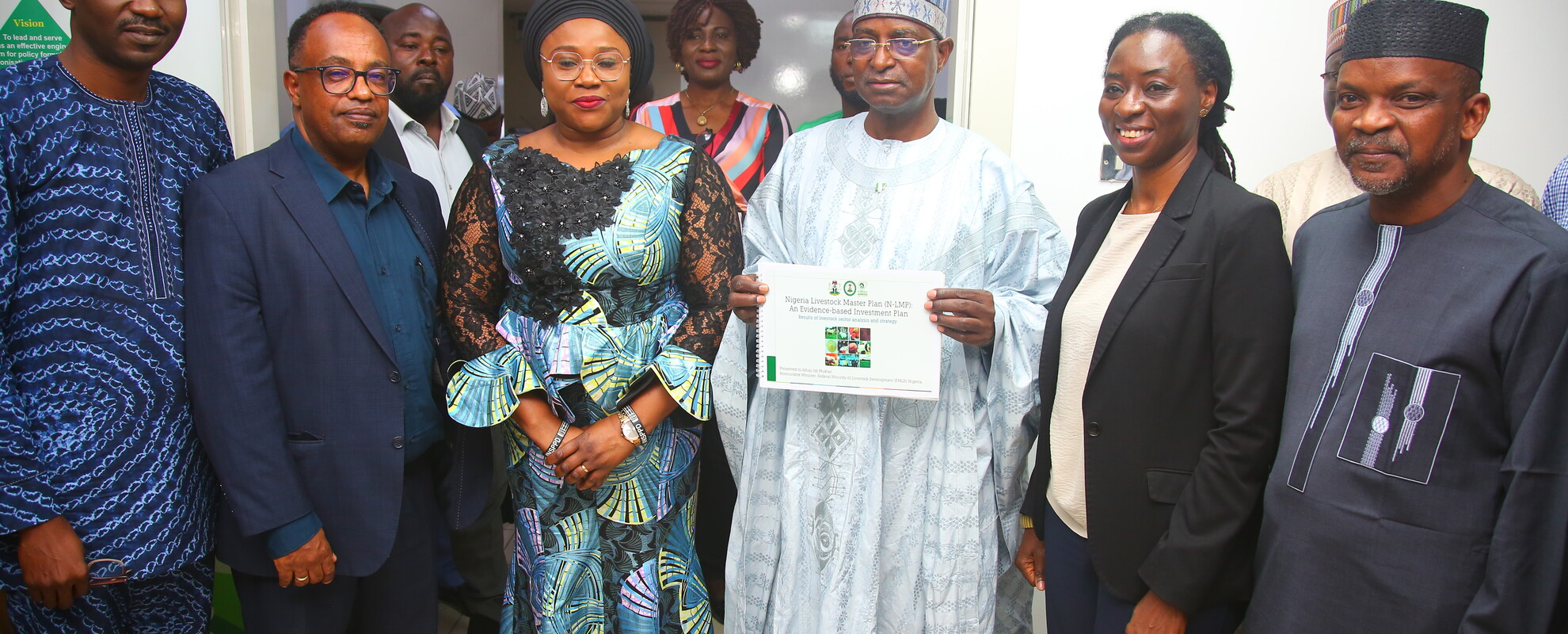
ILRI presents results of Livestock Sector Analysis and Strategy for Nigeria: Major step towards a national livestock master plan
The Federal Ministry of Livestock Development (FMLD) has received the results of a comprehensive Livestock Sector Analysis (LSA) and an investment-focused Livestock Sector Strategy (LSS), two key deliverables in the development of Nigeria’s first-ever National Livestock Master Plan (NLMP).
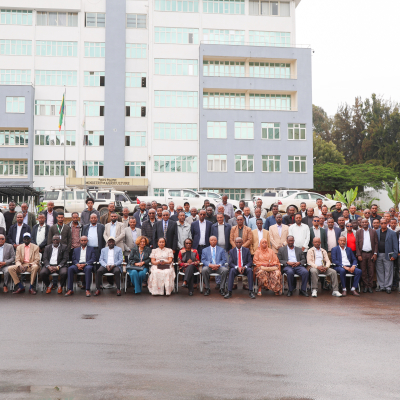
The presentation, recently held in Abuja, was the outcome of 24 months of evidence-based analysis, policy modelling, and extensive stakeholder consultations facilitated by the International Livestock Research Institute (ILRI), under the Livestock Productivity and Resilience Support Project (L-PRES), a World Bank-supported initiative. The event brought together senior ministry officials and technical experts.
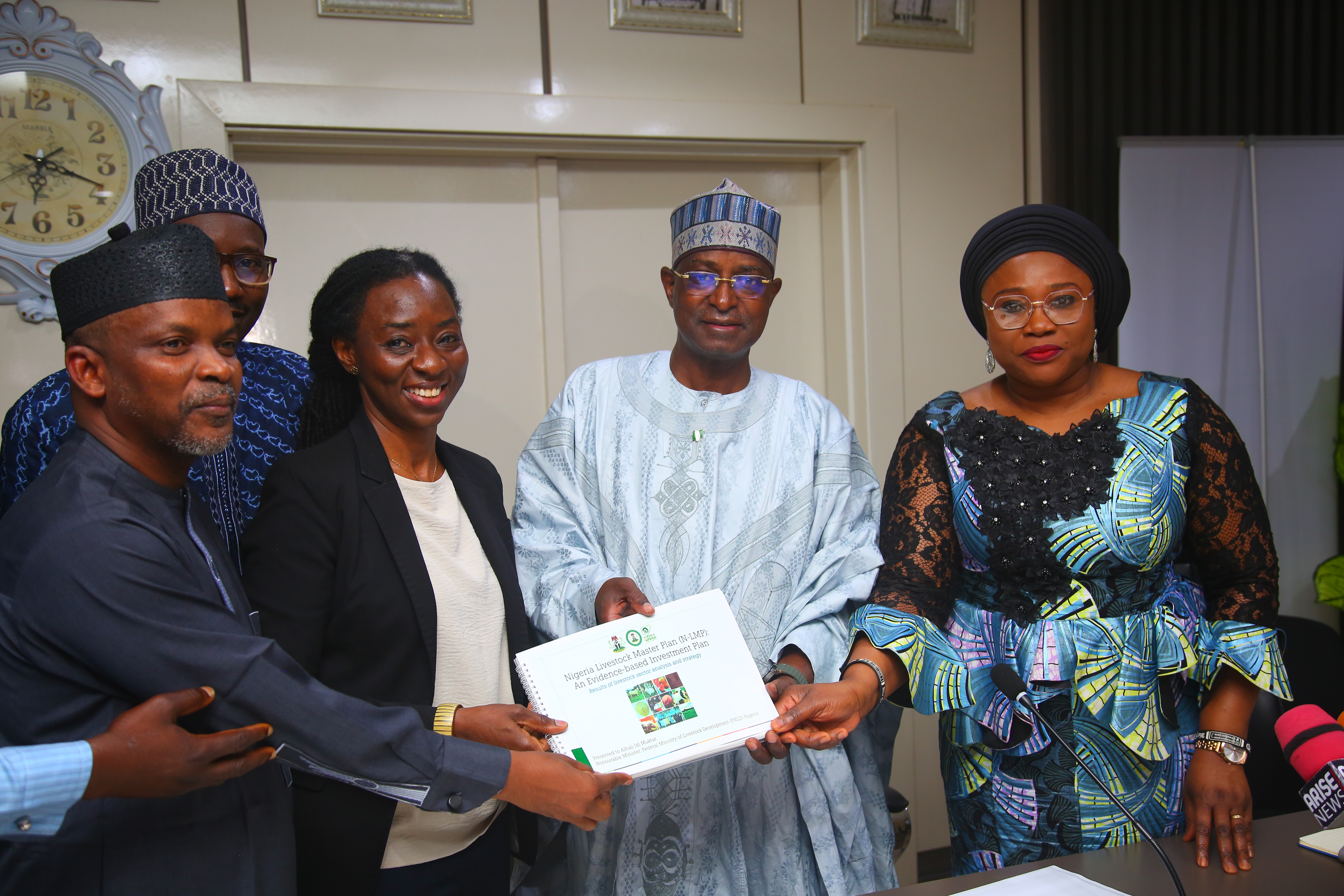
Speaking at the presentation, the Honourable Minister of Livestock Development, Idi Mukhtar Maiha, described the livestock sector as critical to food and nutrition security, rural livelihoods, and national GDP, but also highlighted persistent challenges such as low productivity, recurring disease outbreaks, feed shortages, and weak infrastructure.
He noted:
“The Nigeria Livestock Master plan is not merely a document; it is a blueprint for transformation. The strategic roadmap is designed to unlock the vast potential of Nigeria’s livestock sector. The Nigerian livestock sector is a corner stone in to the economy, contributing significantly to employment, food security and rural development. It accounts for approximately 17% of the gross agricultural GDP and 5% of the national GDP.” He added that “the NLMP is aimed at addressing the challenges of the sector head on by guiding the development of a sustainable livestock sector and attract targeted investments from governments, development partners and the private sector.”
Dolapo Enahoro, ILRI’s project lead for the NLMP, noted that the process was anchored in evidence and inclusiveness, and was validated and owned by stakeholders in value chains and institutions across Nigeria. She was joined by ILRI colleagues Oladeji Bamidele, Sirak Bahta, and Francis Wanyoki, at the high-level meeting that capped two days of a workshop reviewing the LSA and LSS results with national partners. In a presentation of the technical details of the results, Dr. Bahta explained that the analysis identified cattle (consisting of beef and dairy types), chickens (consisting of layers, broilers and dual-purpose types), sheep, goats, and pigs as the five priority livestock value chains. Microlivestock, were also assessed, with results presented on the potential of emerging value chains (grasscutter, snails, rabbit, honeybee, quail and guinea fowls) to support household nutrition, income diversification and niche markets. Using foresight modelling, the sector-wide analysis projects that without intervention, Nigeria’s rising demand for meat, milk, and eggs will outpace domestic production, thereby deepening the country’s import dependence. However, with targeted interventions, Nigeria has the chance to not only meet its growing demand but also to emerge as a regional livestock hub.
Key recommendations from the validated results include:
- Feed and pasture development: expansion of pasture cultivation, modernisation of feedlots, and promotion of floodplain grazing systems to raise animal productivity.
- Animal health: innovative tools and approaches for scaling up vaccination coverage and training community animal health workers to reduce livestock mortality.
- Genetic improvement: promoting community breeding programmes and modern technologies to improve herd performances while preserving the use of indigenous livestock breeds.
- Markets and infrastructure: upgrading infrastructure and improving market access to reduce losses, raise output, and increase value addition.
- Strengthening Policies: creating an enabling environment for increased and better-targeted investments through stronger policies and private sector engagement.
Drawing on continental experience, the Honourable Minister referenced Tanzania’s 2018 Livestock Master Plan, developed with ILRI’s support, which successfully mobilised over $624 million in investments in the livestock sector and reshaped budget priorities.
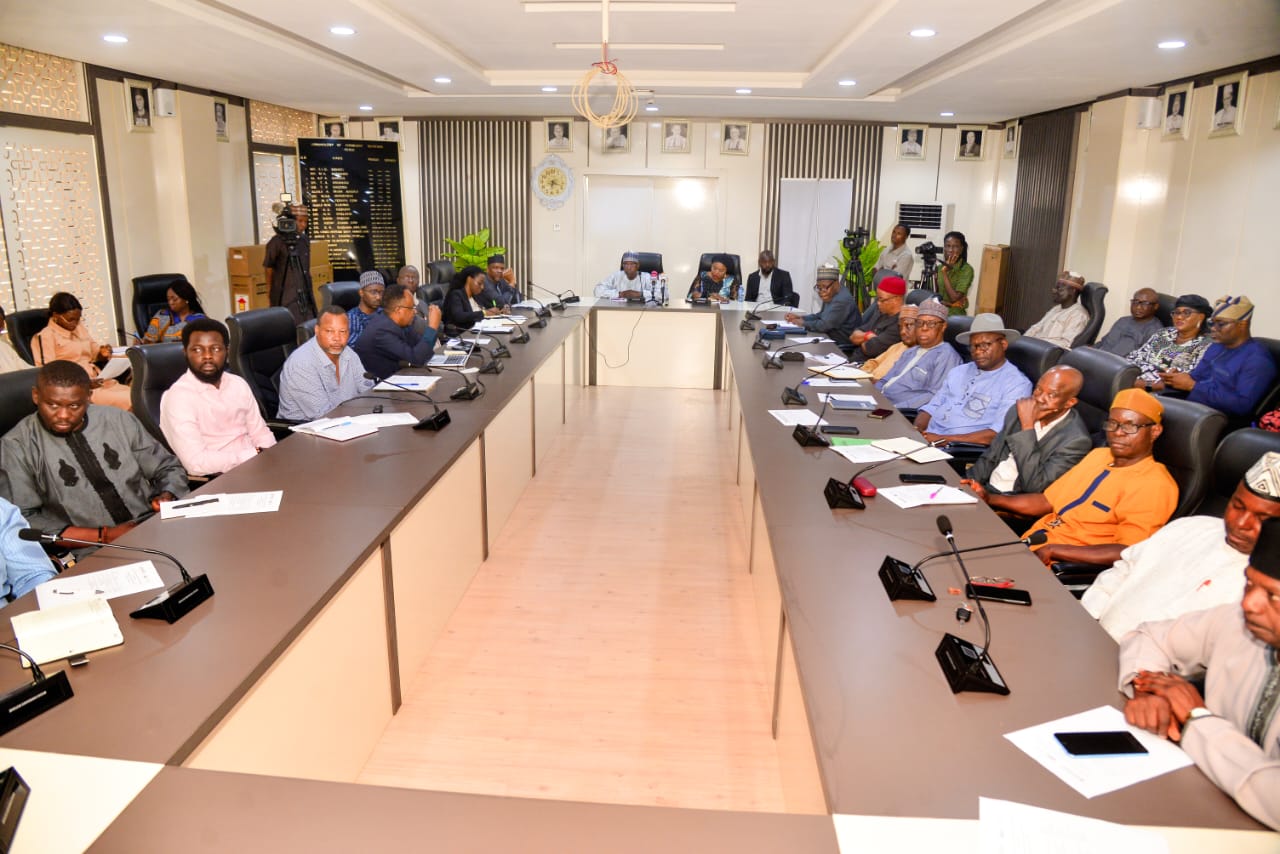
Present at the event was the Permanent Secretary of the Federal Ministry of Livestock Development (FMLD), Dr. Chinyere Ijeoma Akujobi, who had previously met with the team to discuss how the NLMP results could align with the Nigeria Livestock Growth Acceleration Strategy (NL-GAS) and how parameters from the NLMP could be integrated into its development. Also in attendance were directors of the Ministry and development partners, who reaffirmed their commitment to supporting Nigeria in shaping a livestock sector that is sustainable, resilient, and globally competitive.
The event marks a critical milestone in the development process of the Nigeria Livestock Master Plan, which will provide a five-year investment roadmaps that are livestock value chain-specific and aligned with the Nigeria Livestock Growth Acceleration Strategy (NL-GAS) of the Federal Ministry of Livestock Development.
For more information on N-LMP engagements visit:
- Nigeria officially inaugurates the development of a Livestock Master Plan
- ILRI unveils the Nigeria livestock master plan at the Nigerian Veterinary Medical Association Congress and Annual General Meeting
- Building a data-driven future for Nigeria’s livestock sector
- Key insights from the Nigerian Livestock Sector Assessment workshop
- Nigeria LMP – Aligning science, strategy and political will
- Nigeria's Livestock Master Plan learns from Tanzania’s success
Visit the ILRI Livestock Master Plan website for more information.