mature
New technology turns cassava peels into nutritious, affordable animal feed ingredient
New technology turns waste into wealth, laying the foundation for profitable business ventures in Nigeria and beyond.
Useful for
- Farmers and livestock keepers
- Private sector
What’s the challenge?
In Nigeria, processing cassava for food and industry yields around 15 million tons of wet peels annually. In the past, this waste product has been dumped near processing centers to rot or to dry enough to be burned. The rotting heaps release methane — a powerful greenhouse gas — into the air and a harmful fluid that pollutes nearby streams and groundwater, while burning produces clouds of acrid smoke.
At the same time, quality feed for livestock is in short supply and quite costly in many regions of Africa, including Nigeria. Until recently, attempts to use cassava peels in animal feed had failed: drying the peels in the open air takes too long and makes the final product susceptible to contamination by fungal toxins.
What’s the solution?
The high-quality cassava peel mash technology solves the issue of what to do with cassava waste and addresses feed scarcity by turning cassava peels into a nutritious, cheap, and safe animal feed ingredient.
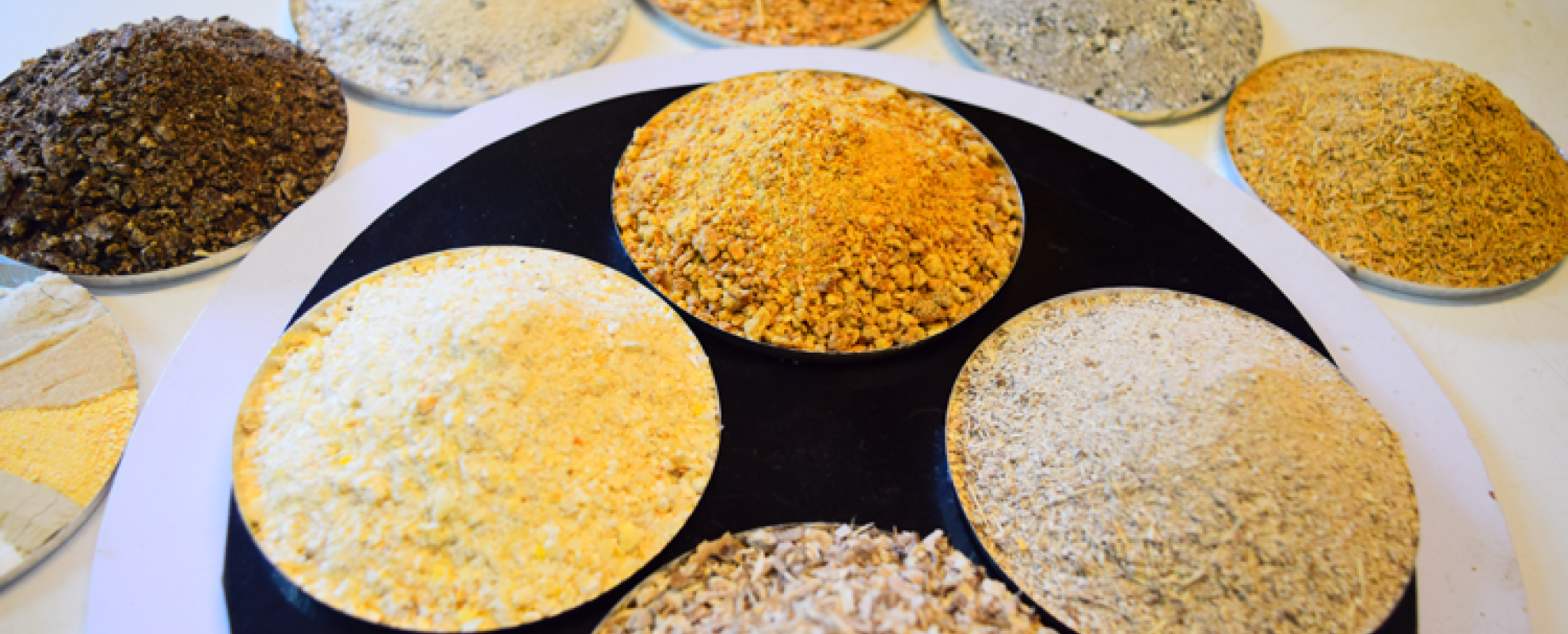
This technology — developed and piloted by the International Livestock Research Institute (ILRI) — involves sorting, grating, pressing, pulverizing, sieving, and drying cassava peels. The first product derived after pressing is known as cassava peel cake, which can be used in pig and ruminant diets. Sieving results in two products: fine mash, high in energy and ideal for poultry, fish, and piglets; and coarse mash, high in fiber and fit for ruminants and adult pigs.
A series of trials conducted by ILRI and partners has proved that animals fed diets containing this mash gain as much weight as those fed with maize-based diets while feed costs are lower. Various business models for making high-quality cassava peel products yield a net profit margin of 12–22%.
Want to use this in your work?
Contact our experts

Contributors
- CGIAR Trust Fund (CGIAR)
- CGIAR Research Program on Roots, Tubers and Bananas
- Gates Foundation (Gates Foundation)
- International Livestock Research Institute (ILRI)
What impact has been achieved so far?
ILRI’s first breakthrough happened in 2012, when researchers found that this technology could yield a product fit for use as animal feed. In 2016, the Cassava Peel Mash® and Cassava Peel Bran® trademarks were formally registered, enabling standardized production and commercialization. In 2022, the Nigerian Institute of Animal Science officially listed fine mash and coarse mash as approved ingredients for animal feed in Nigeria, which — along with the government’s road map to promote alternative feed resources — has further strengthened the commercial case for scaling this technology.
In total, ILRI has trained more than 5,000 people, including farmers, processors, and extension agents, on high-quality cassava peel mash production practices. Major feed millers and toll millers in Nigeria have adopted the technology, with farmers benefiting from lower expenses and greater feed efficiency, women and youth gaining access to new employment opportunities, and the environment being spared from pollution.
Who can use, support, and scale this solution?

Private sector actors, particularly cassava processors, can rely on the high-quality cassava peel technology to set up new business ventures that require relatively low upfront investment and yield a net profit margin of 12–22%.
Farmers and livestock keepers can supplement maize and other expensive animal feed sources with high-quality cassava peel products, reducing their feed cost — by nearly 40% in a recent sheep-fattening trial.


