Livestock and climate solutions hub
What’s innovative about it?
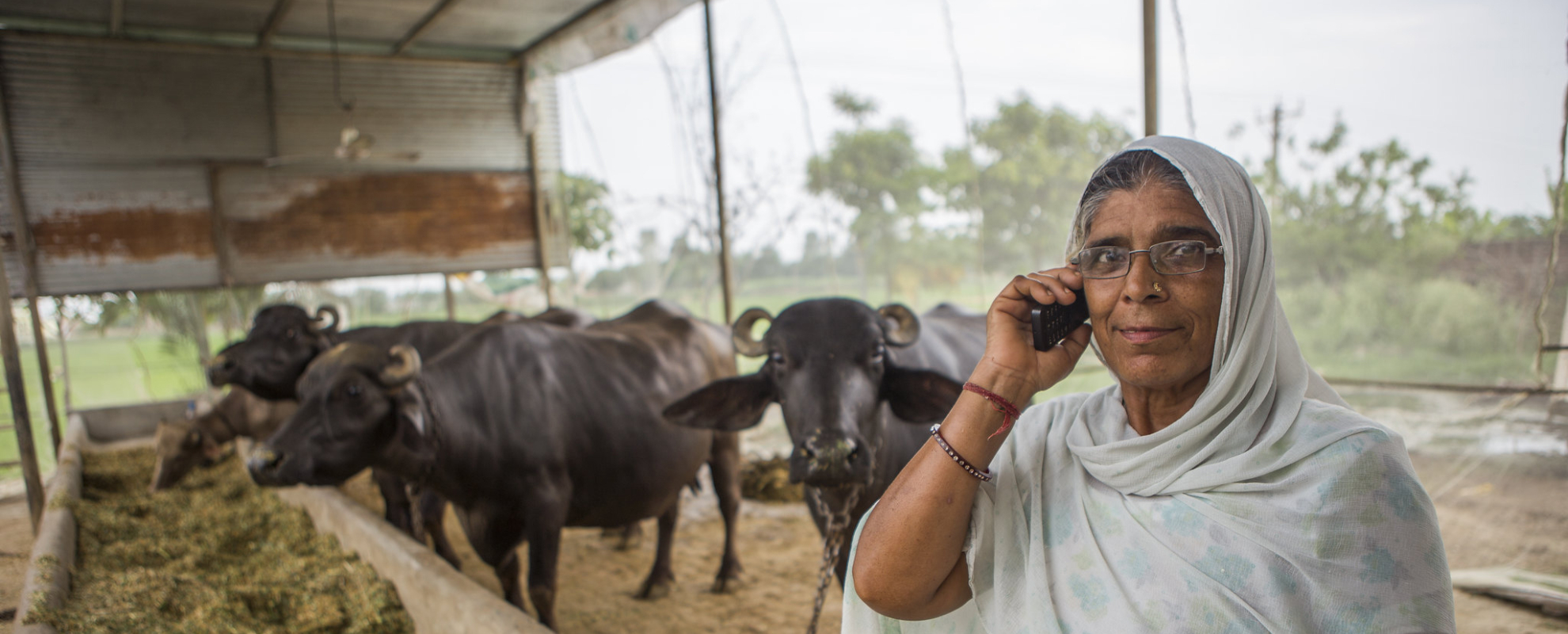
Unlike fragmented efforts, the Hub provides a coordinated and systems-oriented approach tailored to LMICs.
It brings together:
- Science across animal nutrition, health, genetics, and environmental management
- Climate-smart solutions adapted to smallholder and pastoral systems
- Platforms that enable coordination, knowledge exchange, and collective action
Rather than creating solutions, the Hub connects and strengthens existing efforts ensuring that solutions are aligned, evidence-based, and positioned for uptake and scale. The Livestock and Climate Solutions Hub works across four interconnected areas research and innovation, scaling through partnerships, policy support, and convening to connect science, policy, and practice and support the uptake of livestock and climate solutions at scale.
Strategy and solutions
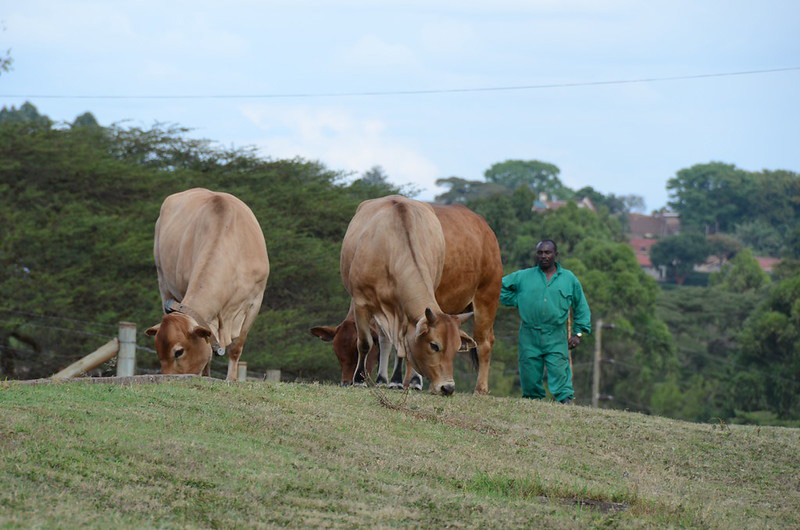
The Hub organizes livestock and climate interventions through a structured solution taxonomy, covering productivity, resilience, mitigation, and enabling systems such as policy and climate finance.
This includes areas such as:
- Improved genetics (animal and feed)
- Animal health
- Feeding and enteric methane solutions
- Manure and waste management
- Grazing, land use, and ecosystem-based approaches
- Climate risk reduction and resilience
- Value chain and systems-level solutions
- Demand- and diet-related approaches
- Finance solutions
- Policy solutions
Solutions are tailored across pastoral, mixed crop–livestock, and semi-intensive systems, and are assessed based on their ability to deliver multiple outcomes, including emissions reduction, improved natural resource use, increased productivity and incomes, and strengthened resilience.
Why does it matter?
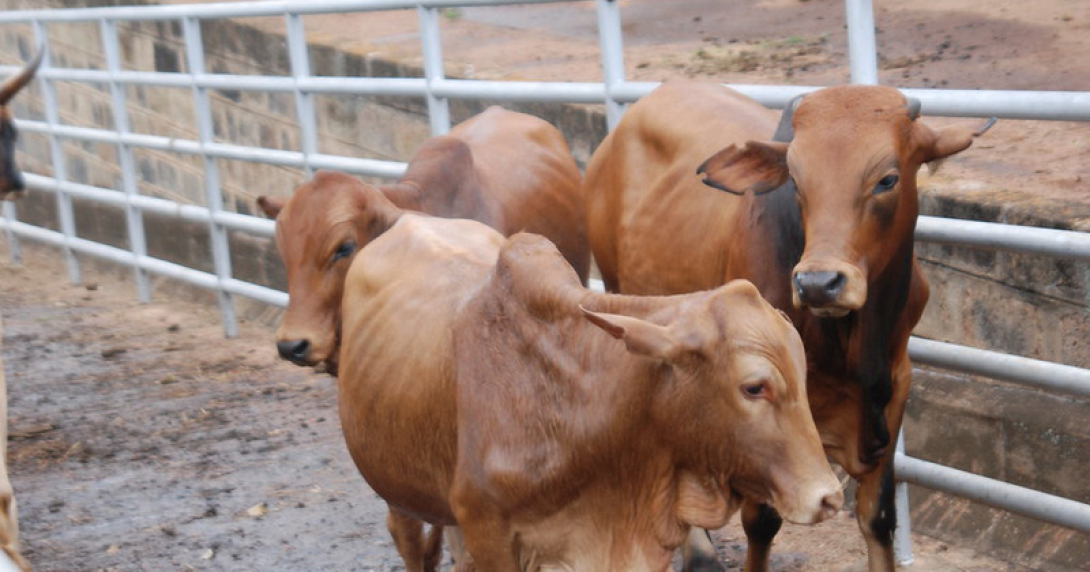
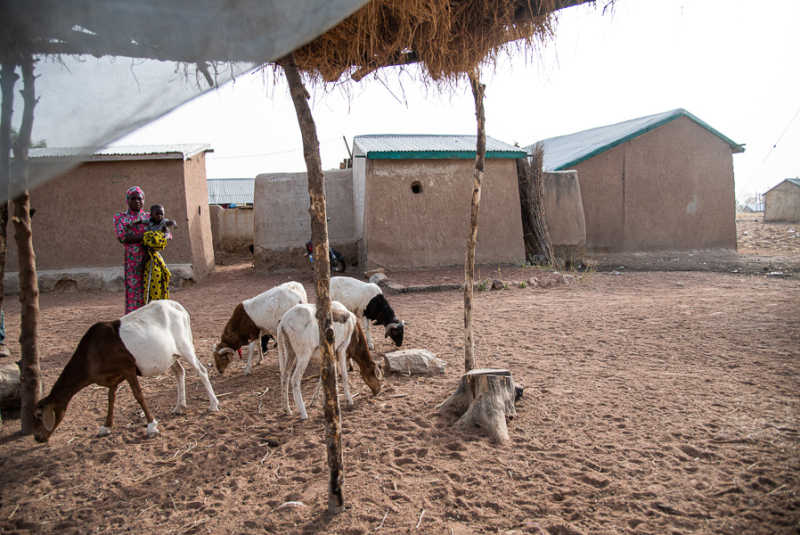
Livestock systems in LMICs face mounting pressures from climate change, including extreme weather, shrinking feed supplies, and disease outbreaks. At the same time, emissions intensity remains high due to productivity constraints, even as demand for animal-source foods continues to grow.
The Hub addresses this challenge by supporting a triple win:
- Strengthening adaptation and resilience
- Reducing greenhouse gas emissions
- Improving livelihoods and nutrition
Explore livestock and climate solutions
The Livestock and Climate Solutions Hub curates and packages evidence-based solutions that support low- and middle-income countries to build more resilient, productive and low-emission livestock systems.
The solutions are organised using the Hub’s livestock and climate solutions taxonomy, covering animal genetics, feeds and forages, animal health, emissions reduction, rangelands, climate risk management, finance, policy and other enabling systems. Each solution brief brings together the problem, the evidence, potential impact, users, partners and scaling considerations to support decision-makers, investors, researchers and implementation partners.
Browse the featured solutions below to identify practical interventions that can be adapted, financed and scaled across different livestock systems.
Animal genetics
Climate-smart cattle: Breeding for lower methane and higher productivity
Breeding approaches that support higher cattle productivity while reducing methane emissions intensity and strengthening farmer incomes.
Forages and feeding
Climate-resilient feeds and forages
Improved forage production and animal nutrition for increased productivity, reduced emissions and improved livestock producer resilience