World AMR Awareness Week 2026
The global picture
Source: World Health Organization
4.7 million+deaths a year are associated with bacterial antimicrobial resistance
39 milliondeaths possible by 2050 without urgent action
US$3.4 trillionpotential annual cost to the global economy
What ILRI research found
97%of Kenyan poultry farmers using antibiotics buy them at a drug store
90%of milk samples in Assam and Haryana, India, carried resistant bacteria
77%of intensive poultry farms in Thai Nguyen, Vietnam, used antibiotics
6%of farmers in Kiambu and Kajiado, Kenya, had paid for a diagnostic test
8 of 11veterinary laboratories in Kenya struggled to get testing reagents
1 in 10vaccinated broiler flocks in Wakiso, Uganda, were well protected against Newcastle disease
Events this week
18–20 November 2026 · Ole Sereni, Nairobi
Kenya’s National AMR Scientific Symposium
16–20 November 2026 · Uganda
Uganda Veterinary Association scientific symposium and farmer field day
Five things to know about antimicrobial resistance
Antimicrobials include antibiotics, antivirals, antifungals and antiparasitics. They treat infections in people, animals and plants. Resistance sets in when the microbes they target adapt and the medicines stop working.
Microbes change each time they meet an antimicrobial. Unnecessary doses on farms and in clinics give them extra chances, so responsible use matters in every sector.
Resistant bacteria travel through food, water, soil, manure and direct contact. A resistant microbe on a poultry farm can end up in a family kitchen. That is why antimicrobial resistance is a One Health problem.
Many livestock keepers cannot get the right drug at the right time. The aim is fewer infections and better-targeted treatment, so sick animals still get the care they need.
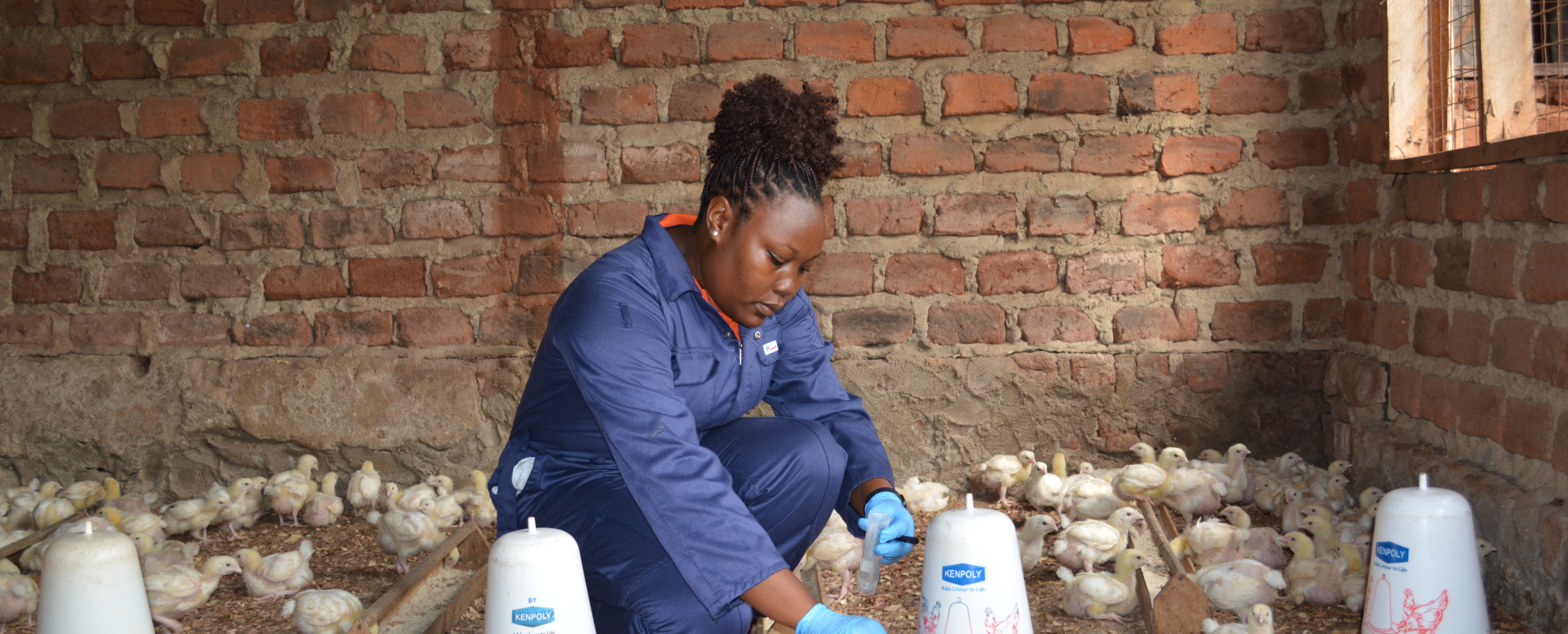
Vaccination, clean housing, biosecurity and a good diagnosis stop infections before they start. Every infection prevented is one less reason to reach for an antibiotic.
What our science shows
Farmers reach for antibiotics because they are close at hand. ILRI studies in six countries across Africa and Asia show how to bring prevention just as close.
Prevention pays, when it works
In Senegal, broiler farms with stronger biosecurity used fewer antibiotics in healthy birds and produced more. In Wakiso, Uganda, only about one flock in ten had a good antibody response to Newcastle disease vaccine, so a vaccinated flock is not always a protected one.
Test before you treat
Only 6% of farmers surveyed in Kiambu and Kajiado, Kenya, had paid for a diagnostic test in the past year. Eight of 11 veterinary laboratories could test for resistance, and eight struggled to get reagents. A cheap test that farmers trust turns a guess into the right drug.
The drug store is the front line
Of Kenyan poultry farmers using antibiotics, 97% got both the drugs and the advice from a veterinary drug store. In Malawi, the problem runs the other way: rural farmers struggle to find and afford antibiotics, and some shops store them on open shelves in direct sunlight. Train the people behind the counter, and good advice reaches farmers where they already shop.
As farms grow, so does antibiotic use
Across 398 poultry farms in Thai Nguyen, Vietnam, 77% of intensive farms used antibiotics, against 33% of small-scale farms. Biosecurity was low on all of them. Countries that are scaling up poultry production need to build prevention in from the start.
Resistance reaches the food on our plates
In Assam and Haryana, India, 90% of 256 milk samples from farms and vendors carried resistant bacteria. They turned up in milk from informal traders and organized dairies alike.
Advice has to reach women too
Women and men handle different animals, take advice from different people and face different risks. Advice on antibiotic use that reaches only one of them misses half the decisions.
Featured story
Not on our watch: Kenya monitors antimicrobial resistance across animals, humans, environment
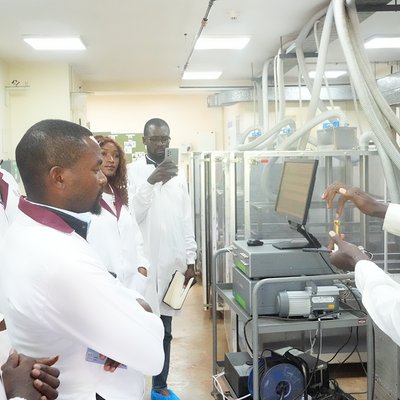
Seven years of work with the Directorate of Veterinary Services and partners gave Kenya the laboratories, protocols and trained staff to track resistance and report it to the world. ILRI equipped eight national laboratories and trained animal health officials in 18 counties. Along the way, teams collected more than 10,000 samples from poultry and dairy cows.
Take one action
This week, ILRI scientists name the one action they would take to prevent antimicrobial resistance. What’s yours?


Swipe or scroll sideways to see all seven →
ILRI scientists working on antimicrobial resistance






Related publications


Related news
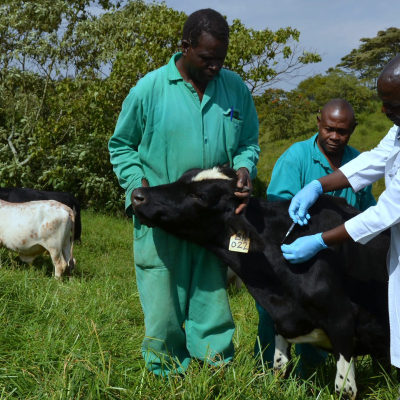
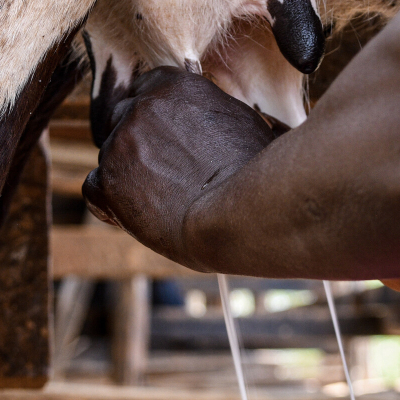
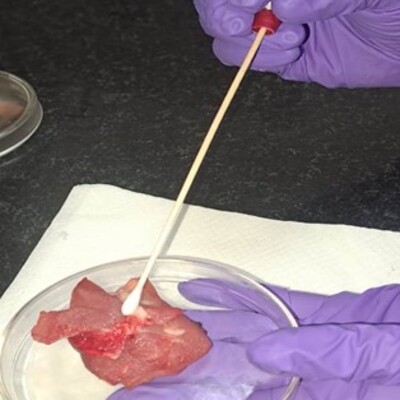


Programs, projects and funders supporting this research
ILRI's antimicrobial resistance research is made possible by these programs, projects and funders.
Programs and projects



MaziwaPlusReducing mastitis and improving antibiotic stewardship on Kenyan dairy farms. Funded by ICARS.View project →ROHOKETAntimicrobial resistance with a One Health approach in Uganda, Kenya, Ethiopia and Tanzania. Funded by AFD.View project →MAD-tech-AMRUsing digital tools to track animal disease and antimicrobial use in East African poultry. Funded through JPIAMR.View project →SEFASIRanking farm-level antimicrobial stewardship interventions from a One Health perspective. Funded through JPIAMR.View project →GO HEAL MASTITISHarnessing bacteriophages to prevent mastitis in goats in Kenya. Funded by IDRC.View project →
Funders