Secondary navigation

  • Search
  • Microsites

Main navigation

  • About
    • Overview
    • People
    • Supporters
  • Research
    • Impact areas
      • Climate adaptation and mitigation
      • Environmental health and biodiversity
      • Gender, equality, youth and social inclusion
      • Nutrition, health and food security
      • Poverty reduction, livelihoods and jobs
    • Research support
      • Research compliance
      • Communication and knowledge management
      • Intellectual property and legal unit
      • Data and research methods
    • Themes
      • Health
      • Livestock, Genetics, Nutrition, and Feed Resources
      • People, Policies, and Institutions
      • Livestock, Climate, and Environment
    • Projects
    • CGIAR research initiatives
    • BecA-ILRI Hub
    • Innovations scaling and impact
    • Capacity development
    • Facilities
      • Centre for tropical livestock genetics and health
      • ILRI Genebank
      • Kapiti research station
      • Mazingira centre
      • One health centre
      • Poultry facility
      • The CGIAR AMR hub
      • Tick unit
      • Bioscience facility
      • Genomics platform
      • ILRI-Hyderabad livestock research facilities
  • Where we work
    • Eastern and southern africa
      • Kenya
      • Ethiopia
      • Tanzania
      • Uganda
      • Zimbabwe
      • Burundi
    • West Africa
      • Burkina Faso
      • Mali
      • Nigeria
      • Senegal
    • South Asia
      • India
      • Nepal
    • East and Southeast Asia
      • Vietnam
    • Explore our work in the countries
  • News & Events
    • News
    • Events
    • ILRI in the media
  • Knowledge
    • Outputs
      • Publications
      • Journal articles
      • Presentations
      • Infographics
      • Browse archive
    • Data
      • Datasets
      • Apps
    • Multimedia
      • Videos
      • Podcasts
      • Stories
  • Join Us
    • Careers
    • Subscribe
International Livestock Research Institute
  • Overview
  • People
  • Supporters

CGIAR RESEARCH INITIATIVES

ILRI is actively engaged in several CGIAR initiatives and platforms.

  • Impact areas
    • Climate adaptation and mitigation
    • Environmental health and biodiversity
    • Gender, equality, youth and social inclusion
    • Nutrition, health and food security
    • Poverty reduction, livelihoods and jobs
  • Research support
    • Research compliance
    • Communication and knowledge management
    • Intellectual property and legal unit
    • Data and research methods
  • Themes
    • Health
    • Livestock, Genetics, Nutrition, and Feed Resources
    • People, Policies, and Institutions
    • Livestock, Climate, and Environment
  • Innovations scaling and impact
  • BecA-ILRI Hub
  • CGIAR research initiatives
  • Projects
  • Capacity development
  • Facilities
    • Centre for tropical livestock genetics and health
    • ILRI Genebank
    • Kapiti research station
    • Mazingira centre
    • One health centre
    • Poultry facility
    • The CGIAR AMR hub
    • Tick unit
    • Bioscience facility
    • Genomics platform
    • ILRI-Hyderabad livestock research facilities
International Land Coalition Rangelands Initiative

International Land Coalition Rangelands Initiative: Making rangelands secure

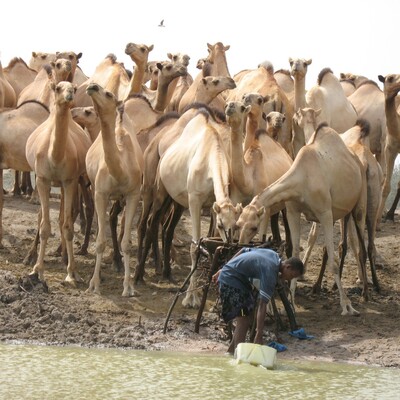
Camels drinking at a water pan in Wajir County, Kenya

ACTIVE Feb 2028

Emerging public health threats in Africa’s drylands

  • Eastern and southern africa
    • Kenya
    • Ethiopia
    • Tanzania
    • Uganda
    • Zimbabwe
    • Burundi
  • West Africa
    • Burkina Faso
    • Mali
    • Nigeria
    • Senegal
  • South Asia
    • India
    • Nepal
  • East and Southeast Asia
    • Vietnam
  • Explore our work in the countries
  • News
  • Events
  • ILRI in the media
SAAF_ActivityReport_AdoptingTechnologies.pdf.jpg
2025

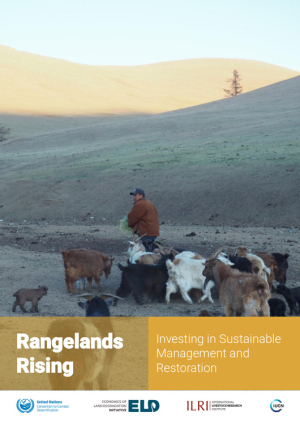
Adopting technologies to enhance productivity, resilience and equity in ruminant livestock resources under pastoral systems of Africa

  • Ojango, Julie M.K.
two_pager_ strategy.pdf.jpg
2024

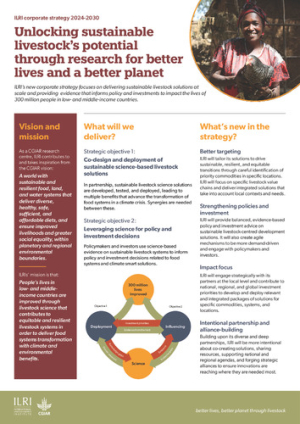
Unlocking sustainable livestock’s potential through research for better lives and a better planet: ILRI Corporate Strategy 2024–2030

  • International Livestock Research Institute
  • Outputs
    • Publications
    • Journal articles
    • Presentations
    • Infographics
    • Browse archive
  • Data
    • Datasets
    • Apps
  • Multimedia
    • Videos
    • Podcasts
    • Stories
  • Careers
  • Subscribe

  • Welcome to the Kenya One Health Conference
  • Conference recordings
  • Day 1: One Health Research
  • Day 2: One health education
  • Day 3: One health implementation and policy
  • Frequently asked questions
  • Conference partners

Main navigation

  • About
    • Overview
    • People
    • Supporters
  • Research
    • Impact areas
      • Climate adaptation and mitigation
      • Environmental health and biodiversity
      • Gender, equality, youth and social inclusion
      • Nutrition, health and food security
      • Poverty reduction, livelihoods and jobs
    • Research support
      • Research compliance
      • Communication and knowledge management
      • Intellectual property and legal unit
      • Data and research methods
    • Themes
      • Health
      • Livestock, Genetics, Nutrition, and Feed Resources
      • People, Policies, and Institutions
      • Livestock, Climate, and Environment
    • Projects
    • CGIAR research initiatives
    • BecA-ILRI Hub
    • Innovations scaling and impact
    • Capacity development
    • Facilities
      • Centre for tropical livestock genetics and health
      • ILRI Genebank
      • Kapiti research station
      • Mazingira centre
      • One health centre
      • Poultry facility
      • The CGIAR AMR hub
      • Tick unit
      • Bioscience facility
      • Genomics platform
      • ILRI-Hyderabad livestock research facilities
  • Where we work
    • Eastern and southern africa
      • Kenya
      • Ethiopia
      • Tanzania
      • Uganda
      • Zimbabwe
      • Burundi
    • West Africa
      • Burkina Faso
      • Mali
      • Nigeria
      • Senegal
    • South Asia
      • India
      • Nepal
    • East and Southeast Asia
      • Vietnam
    • Explore our work in the countries
  • News & Events
    • News
    • Events
    • ILRI in the media
  • Knowledge
    • Outputs
      • Publications
      • Journal articles
      • Presentations
      • Infographics
      • Browse archive
    • Data
      • Datasets
      • Apps
    • Multimedia
      • Videos
      • Podcasts
      • Stories
  • Join Us
    • Careers
    • Subscribe

Secondary navigation

  • Search
  • Microsites

Kenya One Health conference

Welcome to the Kenya One Health Conference

The One Health Research, Education and Outreach Centre in Africa (OHRECA) is pleased to announce the upcoming online Kenya One Health Conference that will take place from 6-8 December, 2021. The conference will bring together experts across different sectors to share information and build partnerships in the One Health space in Kenya. Join us online and contribute to the understanding and management of the shared threats at the human animal and environment interface.

CPD POINTS 

The Kenya One Health Conference has been approved as a CPD activity for registered members of the Kenya Veterinary Board, Environment Institute of Kenya and the Kenya Medical Practitioners and Dentists Council.

  • The Kenya Veterinary Board will offer 14 CPD points for members who attend the conference over the 3 days.
  • The Environment Institute of Kenya will offer 20 CPD points for members. 10 points for Day 1, 5 points for Day 2 and 5 points for Day 3.
  • The Kenya Medical Practitioners and Dentists Council will award 9 CPD points over the 3 days. 3 points for each day attended.

Register today and attend the conference and get these professional CPD points.

                           We look forward to your participation on 6-8 December 2021!
Contacts

  • Lian Thomas

    Lian Thomas

    Jointly Appointed Scientist ILRI & University of Edinburgh

Conference recordings

Conference posters

Kindly visit https://cgspace.cgiar.org/handle/10568/110005 to view posters submitted for the Kenya One Health Conference.

Day 1: One Health Research

In this session, we will explore the One Health research landscape in Kenya. Royal Society Africa Prize winner Prof. George Warimwe will give a keynote on developing a Rift Valley fever vaccine suitable for human and livestock use before opening the floor to selected presentations from the active research community in Kenya. The session will wrap up with a deep dive into how we can improve how we conduct One Health research with a panel of eminent researchers from various domains within the One Health space.

Monday 6 Dec 11:00 - 17:00 EAT

Session chairs

  • Lian Thomas

    Lian Thomas

    Jointly Appointed Scientist ILRI & University of Edinburgh

Keynote speaker

  • George Warimwe

    George Warimwe

    Associate Professor Of Vaccinology University Of Oxford

What is One Health Research and how can we do it better? A round table discussion

Jason Sircely

Jason Sircely

Ecosystem Ecologist

Salome Bukachi

Salome Bukachi

Associate professor in the University of Nairobi’s Institute of Anthropology, Gender and African Studies

Eleanor Ochondo-Opondo

Eleanor Ochondo-Opondo

leads the Evidence for Health Research Group at the Centre for Global Health Research at the Kenya Medical Research Institute (KEMRI) and is an Associate Professor Extraordinary of Clinical Epidemiology at Stellenbosch University, South Africa

Eric Fevre

Eric Fevre

Jointly Appointed Principal Scientist, ILRI and Professor of Veterinary Infectious Diseases, Institute of Infection, Veterinary and Ecological Sciences, University of Liverpool

Jeanette Dawa

Jeanette Dawa

Public health specialist/epidemiologist

Day 2: Gender and one health

Although intersections between gender and One Health have been identified, significant gaps still exist on mainstreaming gender in One Health research, policy, and practice. Scientific evidence exists on how gender roles and relations influence disease exposure, access to health services and decision making on investments in disease control at the household level. More gender-disaggregated data are also being generated from various activities as gender gets included as a key variable.

This session will explore frameworks that can guide gender research and how to integrate gender in disease prevention and control programs for better outcomes at the human-animal-environment interface. The session will bring together researchers, policymakers, and development actors with a track record on gender and One Health.

Tuesday 7 Dec 13:45 - 16:00 EAT

SESSION CHAIRS

  • Salome Bukachi

    Salome Bukachi

    Associate professor in the University of Nairobi’s Institute of Anthropology, Gender and African Studies

  • Bernard Bett

    Bernard Bett

    Senior scientist, Animal and human health

Keynote speaker

  • Hellen Amuguni

    Hellen Amuguni

    Associate Professor in the Department of Infectious Disease and Global Health at the Cummings School of Veterinary Medicine, Tufts  University

PANELISTS

Alessandra Galiè

Alessandra Galiè

Team leader: Gender

Edna Mutua

Edna Mutua

Health Systems Researcher at the KEMRI-Wellcome Trust in Kenya

Kathleen Earl Colverson

Kathleen Earl Colverson

Associate Research Scientist, Department of Animal Sciences, University of Florida

Day 2: One health education

To implement One Health, we need a cadre of trained professionals who can deploy systems thinking and facilitate transdisciplinary collaboration. Yet, these concepts have not been incorporated formally into the curricular of our animal, human and environmental health professions.

This session will explore how to develop One Health capacity at the local level and integrate the concept at all levels of informal and formal training— from primary to tertiary levels – so that systems thinking and transdisciplinary collaboration can be used to solve the ‘wicked’ global health challenges of today.

Tuesday 7 Dec  16:00 - 17:00 EAT

SESSION CHAIRS

  • Samuel Wanjohi

    Samuel Wanjohi

    Country Manager, AFROHUN Kenya

KEYNOTE SPEAKER

  • Njenga Munene

    Njenga Munene

    Vice-Chancellor of Zetech University aProfessor of Clinical Veterinary Medicine

PANELISTS

Oladele Ogunseitan

Oladele Ogunseitan

University of California Presidential Chair and Professor, Population Health and Disease Prevention

Caroline Kimani

Caroline Kimani

Range Socio-Ecologist

Margaret Karembu

Margaret Karembu

Director of ISAAA-AfriCenter

Mabel Nangami

Mabel Nangami

Dean School of Public Health, Moi University

Day 3: One health implementation and policy

One Health approach has been recognised and proposed as a solution to the complex global and local health challenges. Poor collaboration and coordination between the medical, veterinary and environmental disciplines/ fraternities remain stumbling block in fast tracking the achievement of One Health Agenda. Several recommendations have been brought forward by different research groups, scientists, and institutions. In this session we will hear from government officials how One Health recommendations have been adopted in the animal, human and environment sectors. This will be followed by sharing of experiences of delivering One Health projects in Kenya.

Wednesday 8 Dec 13:45 - 18:00 EAT

SESSION CHAIRS

  • Victor Yamo

    Victor Yamo

    Farming Campaigns Manager at World Animal Protection Africa office

  • Martin Barasa

    Martin Barasa

    Regional Head of Programs VSF Germany

KEYNOTE SPEAKER

  • Mark Nanyingi

    Mark Nanyingi

    Infectious Disease Epidemiologist

PANELISTS

Anthony Odhiambo

Anthony Odhiambo

Country Representative, Comitato Collaborazione Medica (CCM)

Frequently asked questions

The 2021 Kenya One Health Conference will take place on 6-8th December online.

Anyone who is interested in One Health and how this approach can contribute to the understanding and management of the shared threats at the human animal and environment interface.

You will need a computer, laptop, or tablet and a good internet connection.  We recommend 1.5 megabytes internet speed to view and present conference content and we recommend using Google Chrome or Firefox for a browser. On rare occasions, disruptions to your internet connection can result in sessions freezing or closing abruptly. If this occurs, simply rejoin the session.

Register for the conference by visiting the Kenya One Health Conference website. There, you can complete the online form.

There are no registrations costs for this conference. Simply register and attend the conference.

Registration open on Wednesday, September 15 2021 Participants may register online.

All selected speakers will be provided with a bursary to cover travel and subsistence for the period of the conference to attend in-person. Early career researchers (those registered for an undergraduate or graduate degree) and animal, human or environmental health practitioners in Kenya are also eligible to apply for a competitive bursary to cover data and per-diem to attend virtually. Applications  for bursaries can be made here and include a 500 word statement describing your motivation for attending the Kenyan One Health Conference 2021.

On the conference website, click on submit abstract and fill in the form

All speakers for each session can be found on the conference website

We will contact you directly regarding your participation in the program.

Details will be posted on the conference website as they are confirmed. A full conference schedule, including conference sessions, will be available on our website in late September.

The sessions will all be recorded and available on the website by the next day. 

All participants will have full access to the conference website until 31 March 2022, which includes all presentation recordings, abstracts and posters, handouts, and other tools. We will provide all registrants with 30 day notice before the site is shut down.

Please contact KOHC2021@cgiar.org for assistance.

Conference partners

Republic of Kenya Zoonotic Disease Unit

Center for Epidemiological Modelling and Analysis: University of Nairobi

VSF Germany

Paul G. Allen School for Global Health

University of Liverpool

University of Nairobi

World Animal Protection

Kenya Medical Research Institute

One Health regional network for the Horn of Africa

Kenya Animal Health Network

Africa One Health University Network

Centers for Disease Control and Prevention

ILRI logo

ILRI Kenya

PO Box 30709
Nairobi 00100, Kenya
  • +254-20 422 3000
  • +254-20 422 3001
  • ILRI-Kenya@cgiar.org

ILRI Ethiopia

PO Box 5689
Addis Ababa, Ethiopia
  • +251-11 617 2000
  • +251-11 617 2001
  • ILRI-Ethiopia@cgiar.org

Get Involved

  • Subscribe to our Newsletter
  • Facebook
  • Twitter
  • Slideshare
  • Flickr
  • Youtube
  • Linkedin
  • Pinterest
  • Instagram

We would like to thank all funders who supported this research through their contributions to the CGIAR Trust Fund.

CGIAR logo
  • Copyright and permissions
  • © 2026 International Livestock Research Institute
  • Creative commons