Challenging gender norms: Bringing gender-transformative approaches (GTAs) to livestock communities to the Northwest Highlands of Vietnam
Gender transformative approaches (GTAs) are championing equity and challenging gender norms in livestock production in Vietnam’s Mai Son District. Under the CGIAR Science Program on Sustainable Animal and Aquatic Foods (SAAF), these approaches are promoting women’s empowerment and contributing to increased productivity on farms.
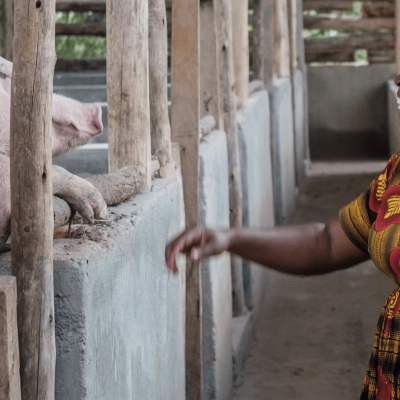
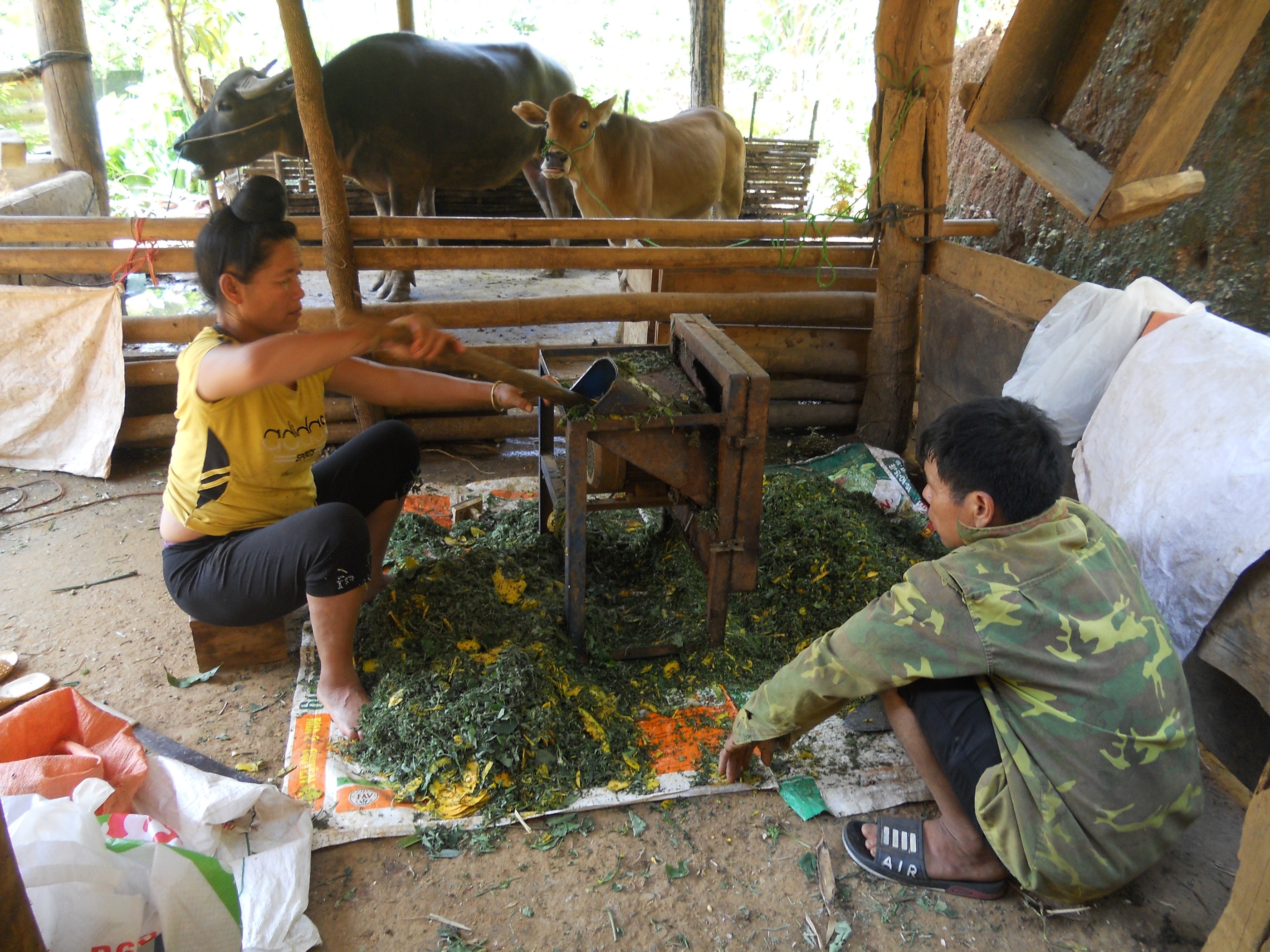
Although the status of women in Thai and Mong ethnic minority communities in Mai Son has significantly improved compared to previous generations, with, for example, women now more involved in livestock production, unwritten social rules, or gender norms, still cause inequalities in decision-making power. For instance, it is generally considered socially unacceptable for Thai and Mong women to decide on matters such as breed selection, disease treatment, and sale of cattle. These conventions limit the opportunities and resources available to women, who do most of the day-to-day livestock care, leading to poorer animal health, lower yields and missed income.
To close this gap, from 2023, gender experts from the International Livestock Research Institute (ILRI), the Alliance of Bioversity International and CIAT (ABC), and the Vietnam Women's Academy (VWA) conducted a qualitative study to identify gender norms in livestock in Thai and Mong villages in Mai Son. Based on their findings, the team developed suitable gender messages that VWA converted into leaflets, poems, and videos for use in communication sessions with ethnic minority communities.
The products were part of a gender-transformative strategy that was implemented using a dual approach: Gender equity behavior change communication targeting women and men from Thai and Mong ethnic communities, and capacity building in gender equity for local officials. The main idea behind this strategy was to get people to rethink current gender norms in livestock and embrace new, gender-equal behaviors.
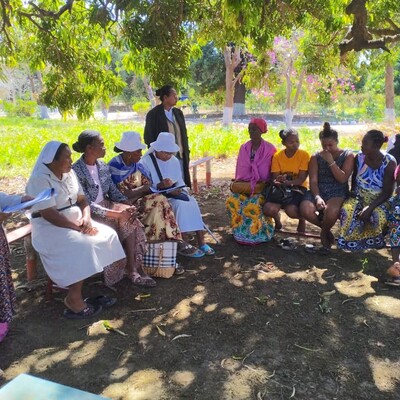
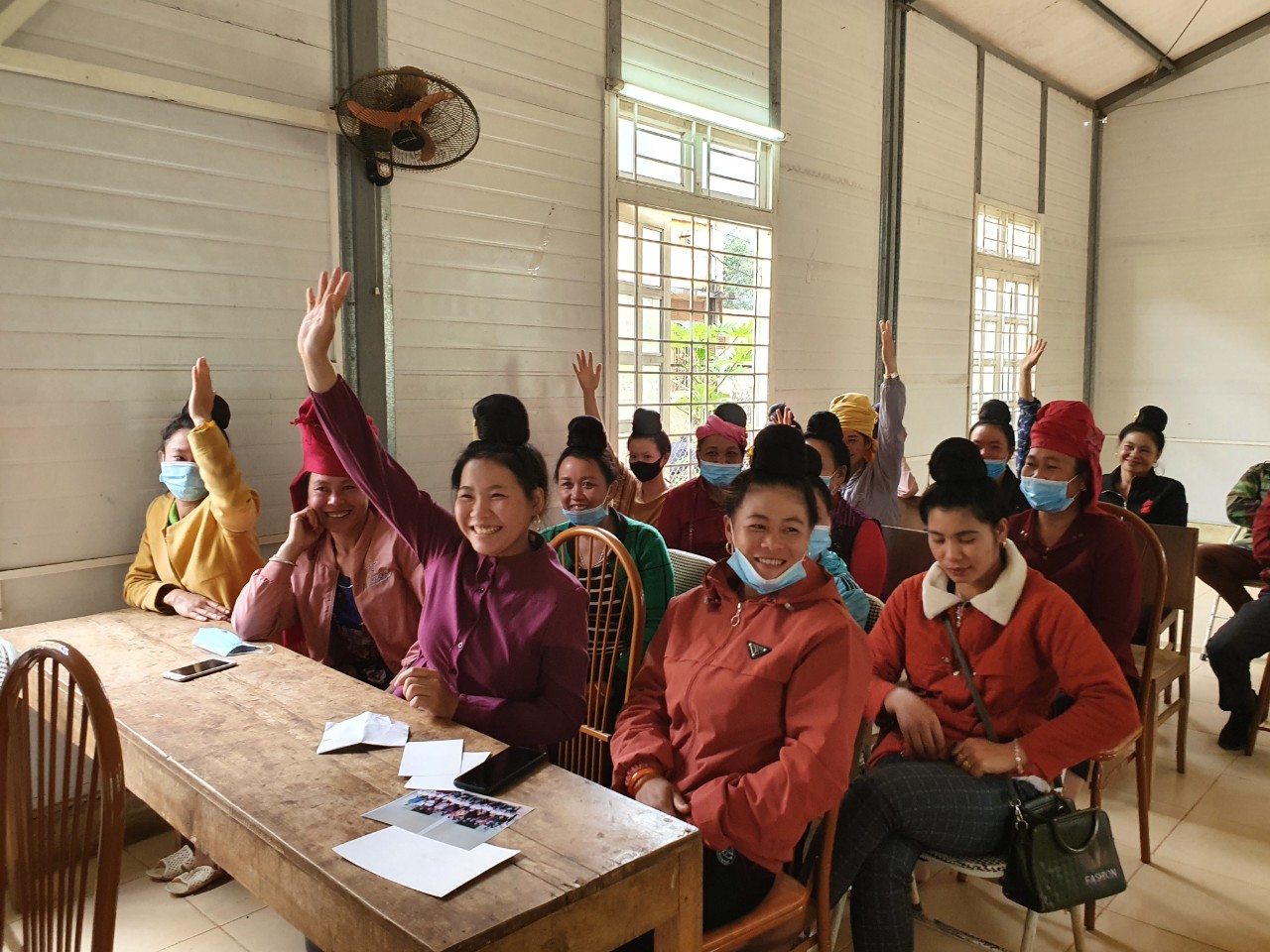
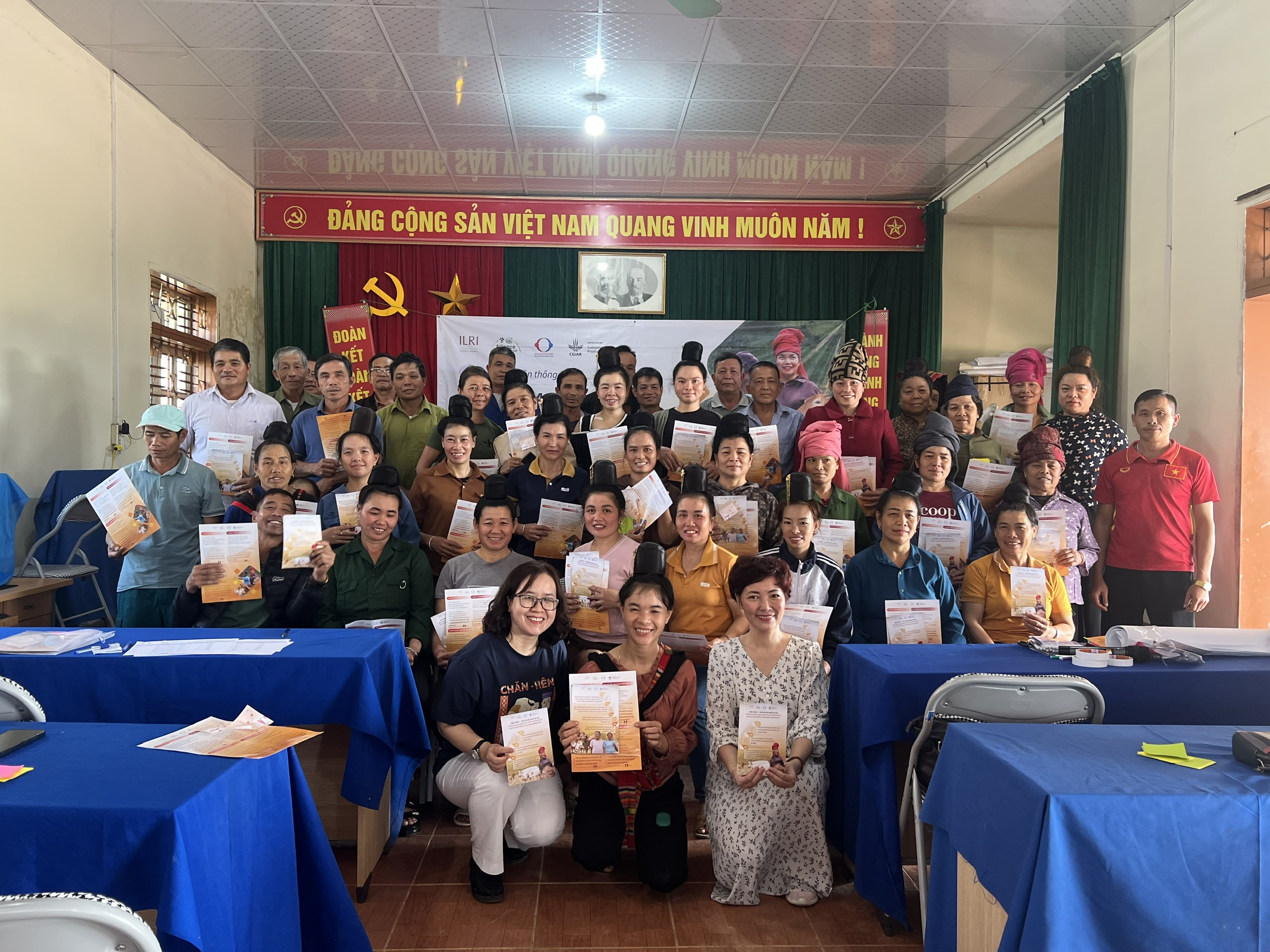
In 2024, the GTA team reached 663 people (55.4% women) from 11 villages across the district through direct communication sessions. Furthermore, the approach was scaled via indirect communication to all Women’s Unions and Farmer Associations in 56 villages, while capacity-building efforts provided gender training to 70 local officials and community leaders. These sessions encouraged communities to give women more autonomy in livestock production, as well as in their daily routines.
The GTA communication scope helped ethnic minority communities in the district recognize women's potential. The gender transformative approaches encouraged them to strive for change so that women can become autonomous in decisions related to their livestock production and their daily routines.
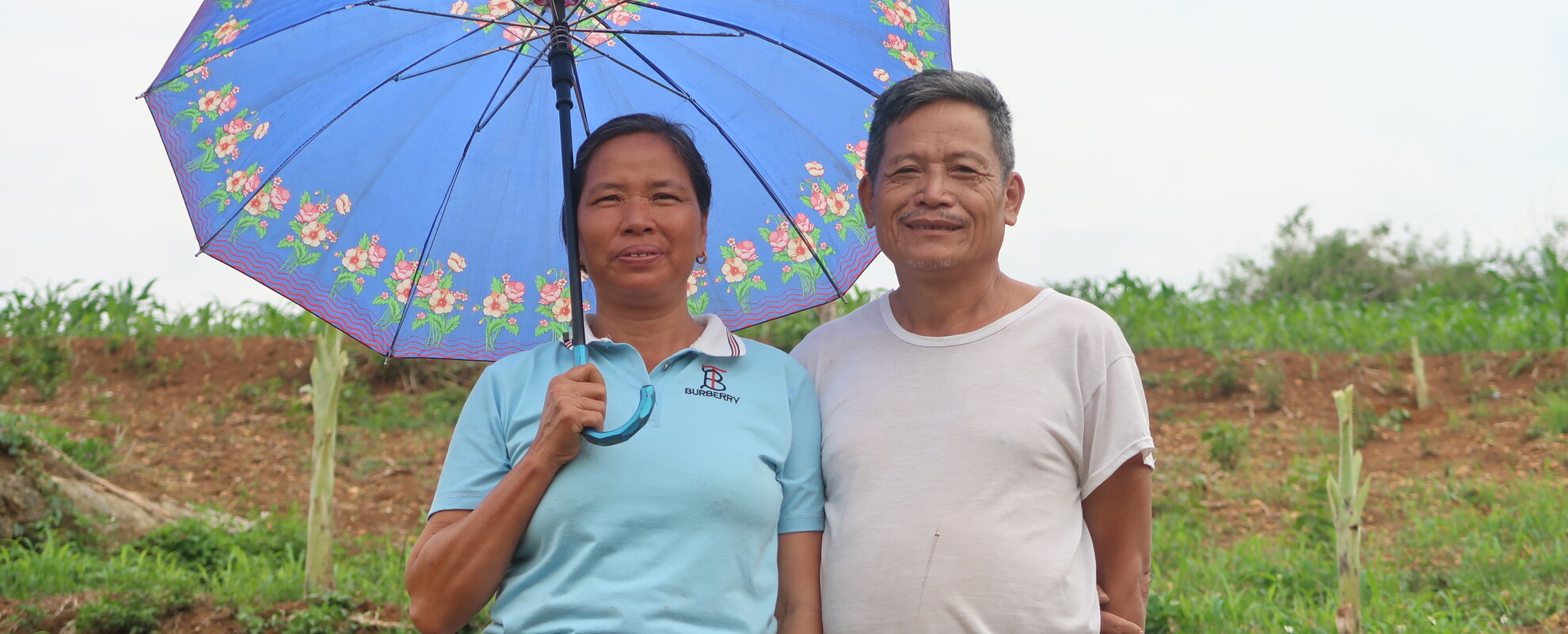
“Now, in our village, most husbands and wives have equal decision-making power,” says Luong Thi Son, head of the women’s union in Cu Nghe Village.
Ca Thi Dien adds: “There’s been a change. Now, I have the right to decide on my private life, whether it's for work or going out with friends. For example, in the past, I had to ask my husband for permission whenever I wanted to go somewhere. Now, I can just go and inform him when I get back.”
Through the capacity building forum, local officials––including women’s union staff at the provincial, district, and commune levels, people’s committee leaders, and village heads––were trained to conduct gender analysis and mainstream gender in their livestock development plans. They collectively identified hindrances to empowering women in livestock production and proposed actions for change. The goal was transformation of gender norms at the community and institutional levels.
"In the past, the province has implemented various policies to support farmers, focusing on technical support. We haven’t had guidance on gender so there is a deficit in this dimension. I hope the Son La officials take advantage of this gender training to develop policies that benefit the people," says Nguyen Ngoc Toan, head of the Sub-department of Animal Health, Son La Province.
GTAs are a relatively new approach in gender science in Vietnam. In recent decades, professionals, development practitioners, and others working for the advancement of women in Vietnam have focused on changing gender stereotypes, but they have not discussed gender norm transformation much.
Typing "chuyển đổi giới" (gender transformation), "phương pháp chuyển đổi giới" (gender transformation methods) or “các tiếp cận chuyển đổi giới” (gender transformative approaches) in Vietnamese on the internet only returns articles about the biological transition of human sex. These articles are not related to transformative approaches that challenge gender norms to create societal change towards women's empowerment and greater gender equality.
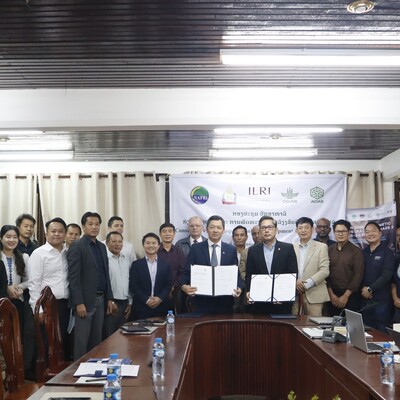
The collaboration between ILRI, CIAT, and VWA in co-designing and implementing GTAs in Son La has paved the way for introducing GTAs not only to livestock communities but also in lectures for students at VWA and local officials in northern, central, and southern Vietnam. The lectures reached nearly 1,534 students and learners (70% women) in 2025.
By questioning what was once considered natural and advocating more equal participation in farms, classrooms, and communities, gender transformative approaches are not only building understanding but also creating a lasting ripple of change.
“I want to emphasize that through the project, gender knowledge has moved from theory into daily practice and action. The approaches helped students recognize gender norms as ‘unwritten rules,’ question what once seemed ‘natural,’ and practice more equitable participation in classrooms, communities, and future workplaces. The project is not only building understanding but also creating a lasting ripple of reflection, voice, and change.” – Duong Kim Anh, Vice President of the Vietnam Women's Academy.
Watch videos to learn more about our gender work:
Transforming gender norms and empowering women in livestock farming
CGIAR empowers gender equality in agriculture in Vietnam