Africa–Asia Bioscience Challenge Fund: Building the next generation of bioscience leaders for climate-resilient livestock systems
Addressing the complex challenges of transition toward climate-smart livestock production in Africa and Asia, requires more than new technologies. It demands a new generation of scientists who can combine advanced bioscience skills with interdisciplinary thinking and policy awareness.
The Africa–Asia Bioscience Challenge Fund (AABCF) responds directly to this need. By strengthening scientific capacity and forging long-term partnerships between African and Asian institutions, AABCF is nurturing a pipeline of researchers equipped to tackle food security, climate resilience, and sustainable livestock production through locally grounded, yet globally informed science.
Investing in people for lasting impact
At the heart of AABCF is a simple but powerful premise: lasting development is built by investing in people. Through a competitive fellowship programme supported by the Australian Centre for International Agricultural Research (ACIAR), AABCF provides early- and mid-career scientists with an opportunity to deepen their skills while building enduring professional networks.
Each year, up to 18 scientists—three each from Ethiopia, Kenya, Tanzania, Cambodia, Lao PDR, and Vietnam—are selected for a three-month research placement. These placements combine hands-on laboratory work, peer learning, mentoring, and structured capacity-building activities, all focused on advancing climate-smart livestock production systems. Importantly, fellows are expected to apply the knowledge and skills they gain upon returning to their home institutions, strengthening their national research systems and amplifying impact beyond the individual.
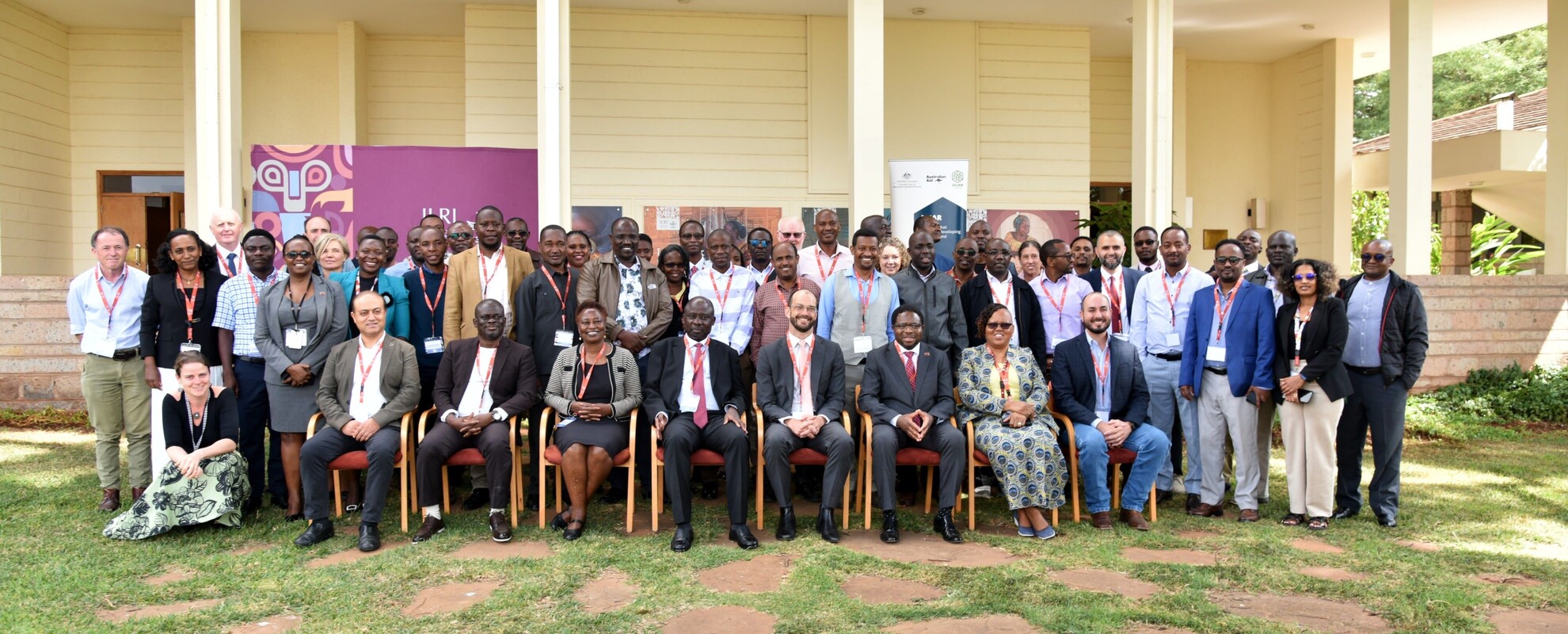
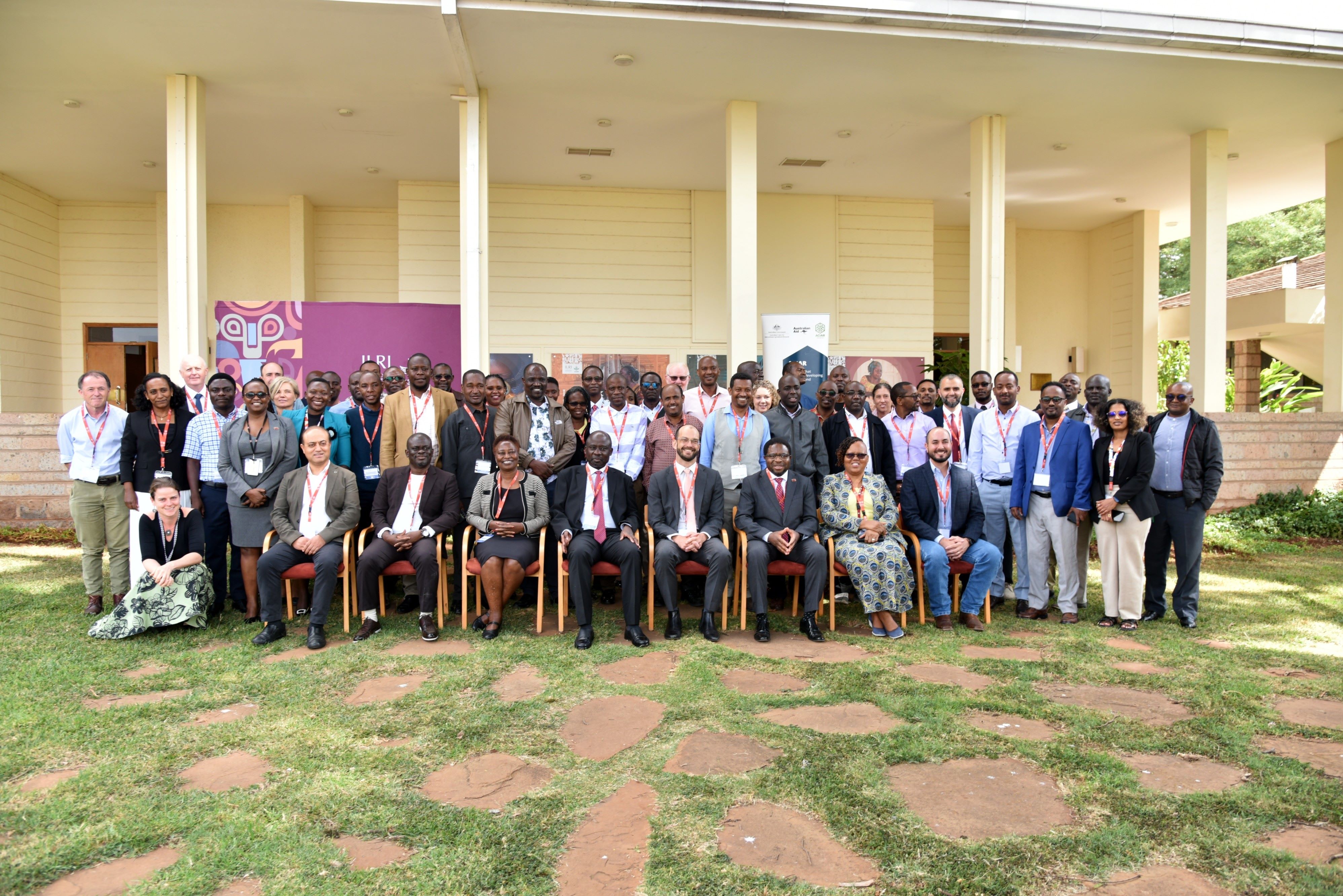
The official opening of the 2025 AABCF program was held from 19–23 January 2026, at the International Livestock Research Institute (ILRI) Nairobi campus. Christopher Wanga, Director of Livestock Policy and Research at Kenya’s Ministry of Agriculture and Livestock Development and Christopher Ellinger, Deputy High Commissioner at the Australian High Commission in Kenya, were the chief guests alongside ILRI Director General Apollinaire Djikeng.
In his address, the Deputy High Commissioner underscored the people-centred philosophy behind Australia’s development partnerships.
“At the heart of Australia’s development partnerships is a simple belief: lasting change comes through people. By investing in scientists, practitioners, and leaders, and strengthening the institutions they return to, we ensure that knowledge is locally owned, nationally embedded, and capable of delivering real, long-term impact.”
Ellinger revealed that more than 1,000 fellows have benefitted from ACIAR-supported initiatives to date, evidence of sustained commitment to building scientific leadership across partner countries.
Aligning science with policy and practice
For climate-smart livestock solutions to succeed, they must align with national development priorities and policy frameworks. This message was emphasized by Christopher Wanga, Director of Livestock Policy and Research at Kenya’s Ministry of Agriculture and Livestock Development, during the official opening of the AABCF workshop.
“Climate resilience in livestock is central to Kenya’s food security and climate adaptation agenda, particularly in the arid and semi-arid lands that constitute nearly 80 percent of the country,” he said. “For these solutions to succeed, they must be policy-driven, evidence-based, and practical designed to work within Kenya’s devolved livestock systems at both national and county levels,” said Wanga.
He added that such policy environments provide fertile ground for innovations emerging from initiatives like AABCF to be tested, adopted, and scaled. By engaging policymakers alongside scientists, the programme can help bridge the often-cited gap between research and implementation.
Apollinaire Djikeng, Director General of ILRI, highlighted the central role of livestock in sustainable development across Africa and Asia.
“Livestock sits at the intersection of food security, livelihoods, climate change, and environmental sustainability. As climate variability increasingly affects livestock systems, our focus at ILRI is on co-creating and scaling innovations that strengthen resilience through adaptation and mitigation—working closely with partners to deliver solutions where they are needed most.”
This collaborative, solution-oriented ethos is deeply embedded in AABCF’s design and execution.
A flagship model for South–South collaboration
The AABCF is jointly implemented by ILRI, the University of Queensland, and the University of Melbourne, bringing together world-class scientific expertise, cutting-edge infrastructure, and a global mentoring network. The programme builds on the legacy of the Africa Biosciences Challenge Fund while extending its reach across Asia, creating a truly south–south platform for collaboration.
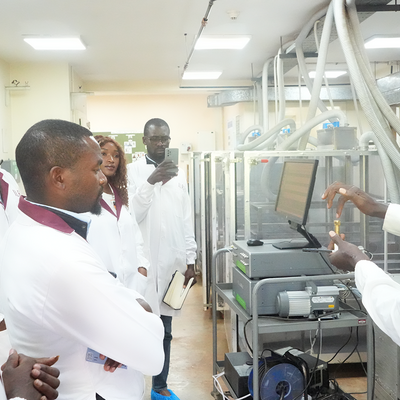
Central to the fellowship experience is access to advanced laboratory facilities at the Biosciences eastern and central Africa (BecA)–ILRI Hub in Nairobi, including the state-of-the-art Mazingira Centre, which specializes in livestock-environment-climate interactions. These platforms enable fellows to validate technologies, refine methodologies, and strengthen the scientific rigor of their work, often in ways not possible within their home institutions due to resource constraints.
AABCF’s strength lies not only in infrastructure, but in its emphasis on relevance. Research questions are rooted in real-world challenges facing farmers, pastoralists, and value-chain actors, ensuring that innovation remains practical, scalable, and responsive to local contexts.
Climate-resilient livestock systems: An integrated approach
Climate-smart livestock production is not a single technology or practice, but an integrated approach built on three pillars that balances productivity, resilience and mitigation, and environmental sustainability. According to Anthony Whitbread, Program Leader for Livestock, Climate and Environment at ILRI, success depends on addressing all three dimensions simultaneously.
“Climate-smart livestock productivity—for smallholders—means producing more food and animal products from limited land and capital, while strengthening resilience to climate shocks and reducing emissions through more efficient, integrated farming systems,” he said.
In practice, this involves sustainable intensification, improved breeds, better-quality feeds, diversified crop–livestock systems, and management practices that help farmers adapt to climate variability while lowering greenhouse gas emissions. AABCF fellows engage directly with these themes, translating theory into applied research that responds to farmers’ realities.
Meet the AABCF fellows of 2025–2026: Science rooted in local realities
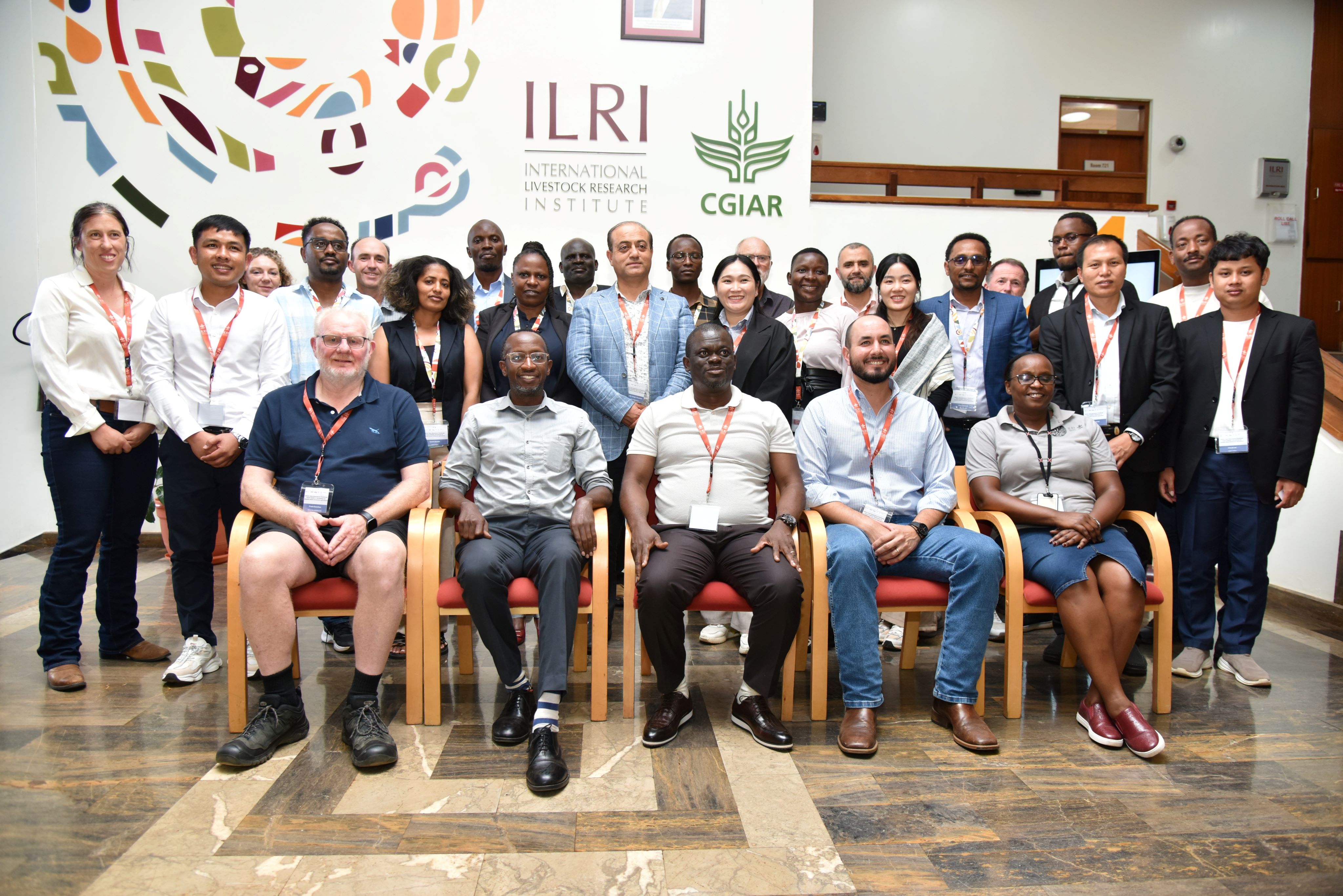
From East Africa to Southeast Asia, AABCF fellows are tackling similar challenges through context-specific innovations.
Rosemary Peter Mramba, an AABCF fellow from Tanzania, is a senior lecturer at the University of Dodoma and researcher at the Tanzania Livestock Research Institute (TALIRI). She focuses her research on sustainable livestock production using non-conventional feed resources. Her fellowship research topic explores the potential of baobab (Adansonia digitata) as an alternative ingredient in poultry feed.
According to Mramba, conventional poultry feed ingredients often compete directly with human food, driving up costs for smallholder farmers. By analysing the nutritional composition of baobab fruit pulp and formulating poultry feed using this locally available resource in central Tanzania, Mramba aims to reduce feed costs while encouraging conservation of baobab trees, an important carbon sink, creating both economic and environmental benefits.
Menghak Phem from Cambodia is another AABCF fellow. He works with the National Animal Health and Production Institute in Cambodia and coordinates the Asian Chicken Genetic Gain Project at ILRI Ethiopia. His research topic centres on participatory improvement of indigenous chicken breeds, an often overlooked but vital component of smallholder livelihoods.
“Indigenous chickens provide protein, income, and employment to around 70% of households in Cambodia, and hold cultural significance. These birds are well adapted to local conditions and command prices up to three times higher than commercial alternatives,” he explains. Through participatory breeding and genetic improvement, Phem’s work aims to enhance productivity and climate resilience while preserving chicken traits valued by farmers and households.
Willis Adero, a research scientist at the Kenya Agricultural and Livestock Research Organization (KALRO), is advancing innovations in animal nutrition and emissions reduction. His fellowship focuses on validating KALPRO™, an organic natural feed additive designed to increase milk and meat production by 20–30% while reducing methane emissions.
Adero explains that KALPRO™ improves rumen function, enhances the breakdown of complex carbohydrates, and supports animal immunity, reducing reliance on antibiotics and helping address antimicrobial resistance. By validating the product at ILRI’s Mazingira laboratories, Adero is laying the groundwork for large-scale adoption by farmers.
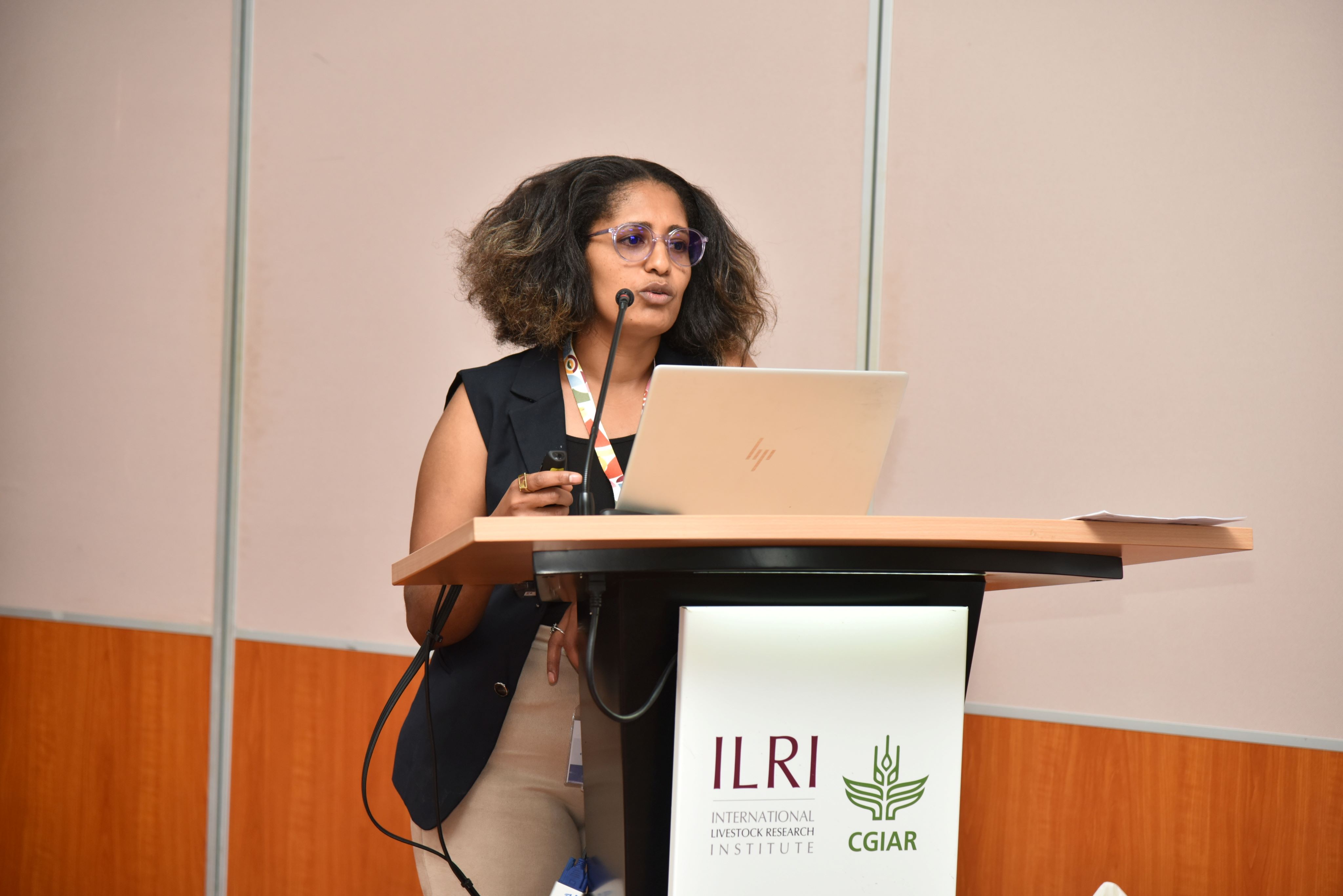
Genet Zewdi is a genomics researcher from Ethiopia’s Bio and Emerging Technologies Institute (BETIN). Her research seeks to use genetic information to identify and conserve adaptive sheep breeds that are more resilient and productive under changing climatic conditions.
“Sheep are a critical source of income and nutrition for many rural households, particularly women and children. Through genomics, we can identify resilient breeds that withstand drought and disease, helping to secure food systems and build climate-smart livestock futures,” she explains.
In addition to her core sheep genomics work, Ethiopia’s Genet Zewdi aims to strengthen her skills in bioscience tools, data analysis, communication, and stakeholder engagement, while building international collaborations that can translate genomic research into practical, climate-smart solutions for livestock keepers.
Toward a sustainable and resilient future
Although contexts vary, the challenges faced by livestock keepers in Africa and Asia are strikingly similar: climate stress, rising input costs, disease risks, and the need to balance productivity with sustainability. AABCF provides a rare platform where scientists from both regions can learn from one another, exchange perspectives, and co-develop solutions. Beyond technical skills, fellows leave the programme with expanded professional networks, exposure to international research standards, and a deeper understanding of how science interfaces with policy and practice. These intangible benefits often prove as valuable as laboratory training itself. By linking science, policy, and practice across continents, AABCF ensures that innovations are scientifically robust, locally relevant, and globally informed.
With strong partnerships, committed fellows, and the stewardship of institutions such as ILRI, the University of Queensland, and the University of Melbourne and ACIAR, the programme is shaping a future where Africa and Asia jointly address food security, climate change, and sustainable livestock production.