

Integrating technology and pedagogy in the training of future One Health workers in Eastern Africa
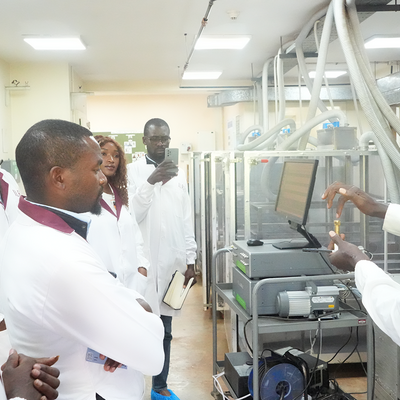
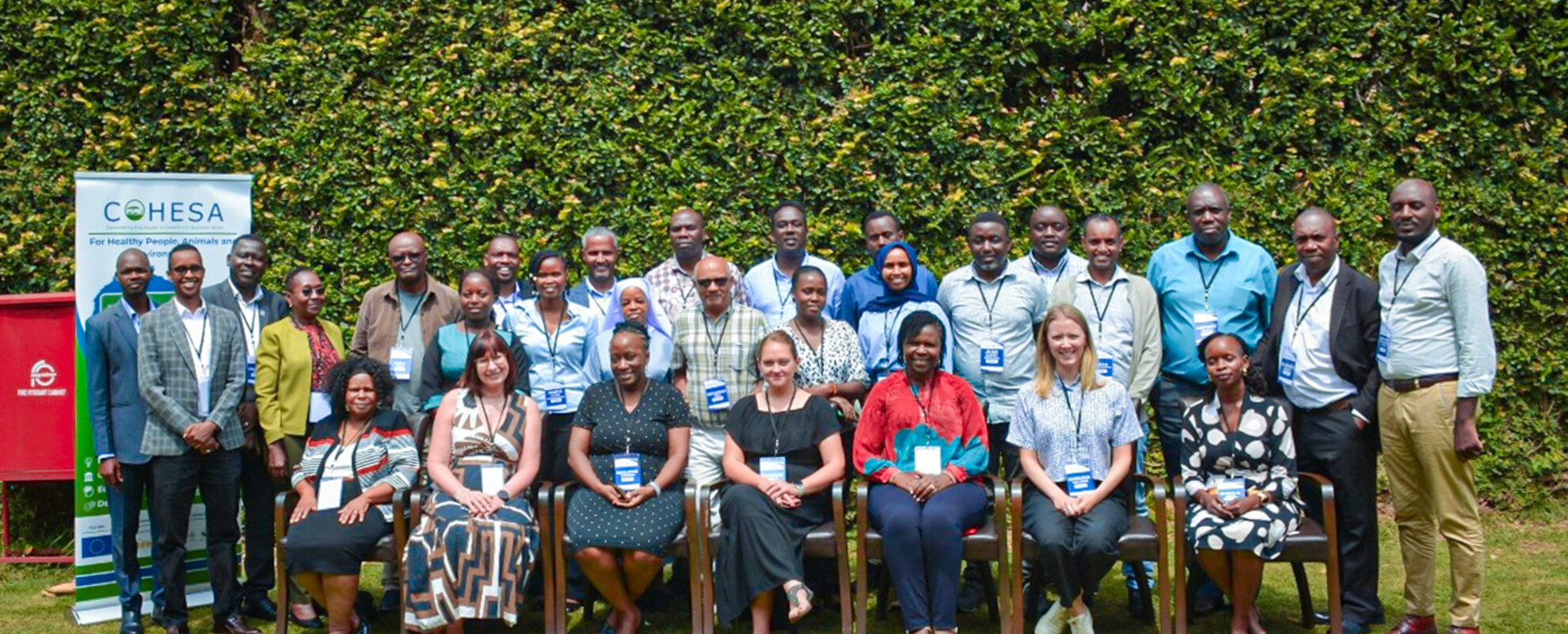
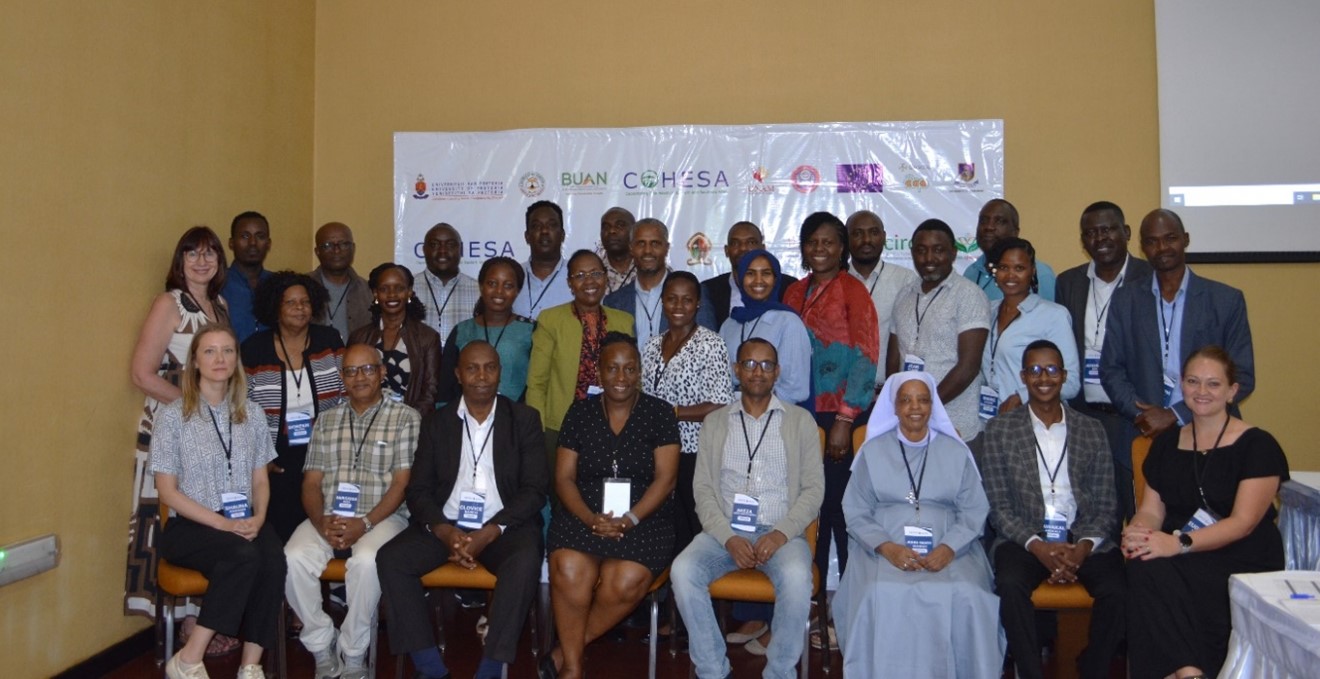
Twenty-four educators from higher education institutions in six Eastern Africa countries (Ethiopia, Somalia, Kenya, Tanzania, Rwanda and Uganda) have completed training on integrating technology in pedagogy.
Pedagogy refers to the strategies, approaches, and techniques that educators use to facilitate learning and includes how content is delivered, how learning is structured, and how students are supported throughout the learning process.
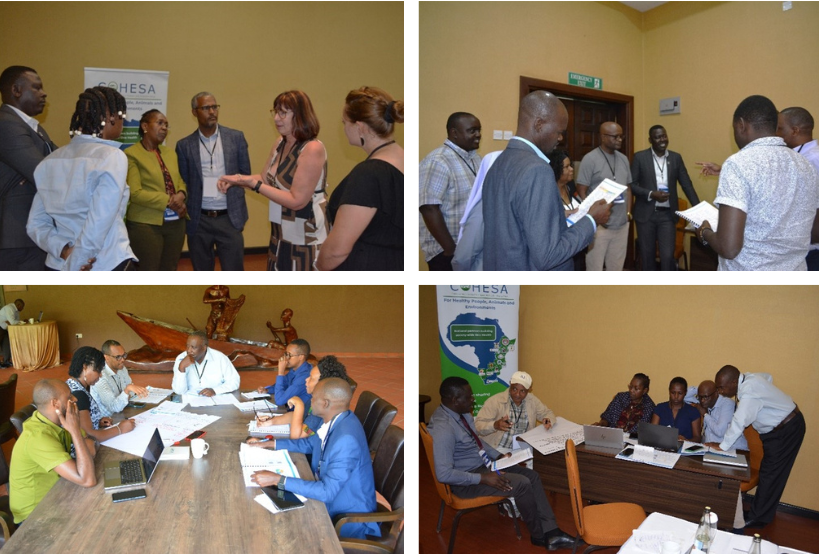
The one-week training, held in Kampala, Uganda from 7-11 July 2025 and organized by the Capacitating One Health in Eastern and Southern Africa (COHESA) project and University of Pretoria aimed to address gaps in delivery of One Health education by equipping lecturers with tools and skills that would enable them to capacitate their students to teach One Health principles. The workshop addressed this gap by demonstrating and engaging participants in various strategies to teach (pedagogy) and to engage learners by using activities (think-pair share; jigsaw) and technology (Pear Deck, Kahoot, Padlet) to facilitate learning.
Mari van Wyk, a senior learning designer and research associate at University of Pretoria and one of the trainers noted the foundational role of:
"Pedagogy as the driver, with technology as the vehicle."
This metaphor resonated strongly with participants, reinforcing that technological tools must serve clear pedagogical purposes and student learning outcomes.
Shauna Richards, a scientist at the International Livestock Research Institute (ILRI) and the COHESA project said:
"The training will enhance the process of transferring the tremendous technical skills among the educators in the COHESA countries to the next generation."
With challenges like high student to teacher ratios, insufficient infrastructure, limited access and increasing workload for teachers, integrating technology into pedagogical approaches not only promotes student engagement, but also ensures effective learning as lessons are tailor-made to student needs, learning objectives and environments.
For participants who have been using traditional teaching methods for more than 15 years, the exposure to diverse technologies to improve engagement, delivery and formative assessment was eye opening. They were optimistic that the integration of technology in their teaching would transform student experiences and improve outcomes, while reducing the teaching workload and over-reliance on text-heavy documents.
Doreen Mloka, associate professor in the Department of Microbiology at Muhimbili University of Health and Allied Sciences, in Dar es Salaam, Tanzania said:
‘This training has opened my eyes to numerous free artificial intelligence (AI) resources, such as AI simulations to teach systems’ thinking and the use of virtual laboratories to teach medicine and clinical sciences. This is very critical for resource-constrained environments like ours.'
Hailu Lemma, a lecturer at Bule Hora University in Somalia University said the training would enable him to start thinking beyond lecture-based methodologies and start considering interactive, engagement methods and making One Health teaching more accessible.
A mathematics lecturer at Uganda’s Makerere University, Marjorie Batibwe, said:
"I am intrigued by tools like Padlet that can be used to simultaneously assess group learning and address misconceptions, using learners as points of reference and promoting active engagement."
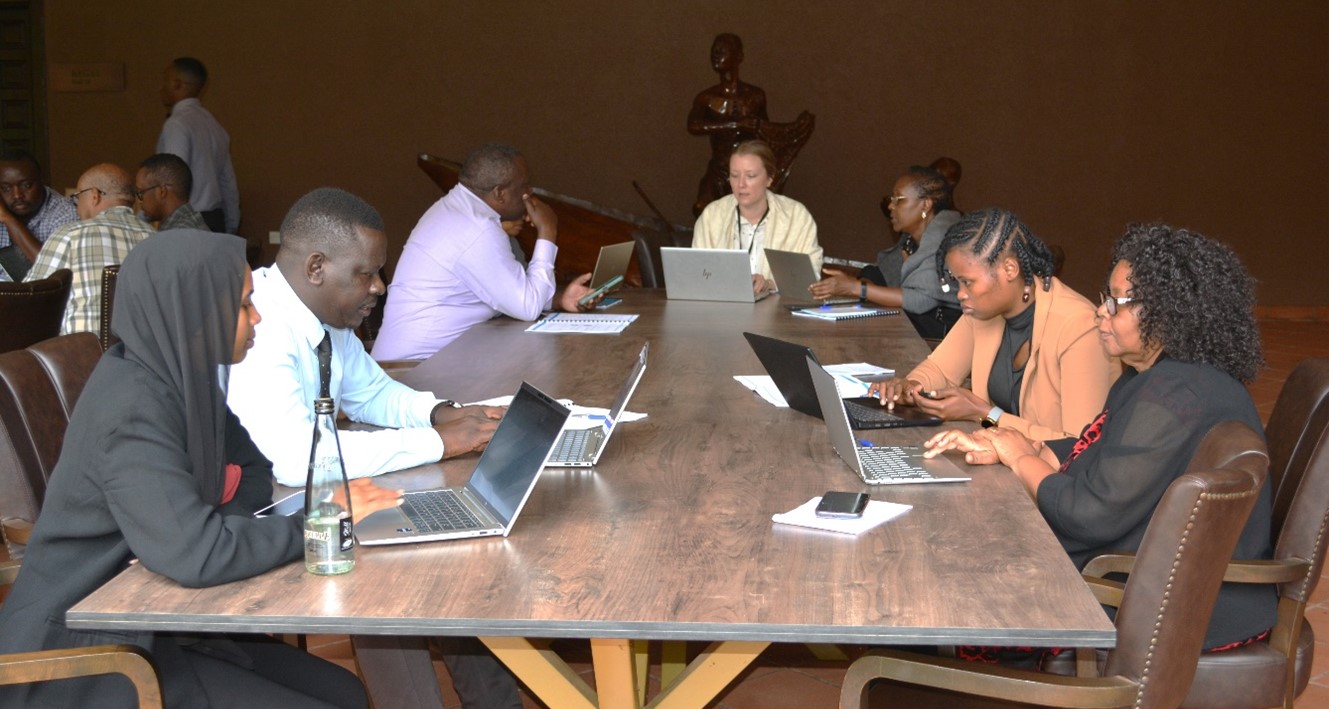
The educators, however, noted that while integrating technology into pedagogy offers numerous benefits, it also poses challenges related to the accuracy of machine learning, high costs as well as poor or limited access to infrastructure such as internet. They cautioned that AI might curtail innovation and learning among students but said its benefits, if used effectively, outweigh the challenges.
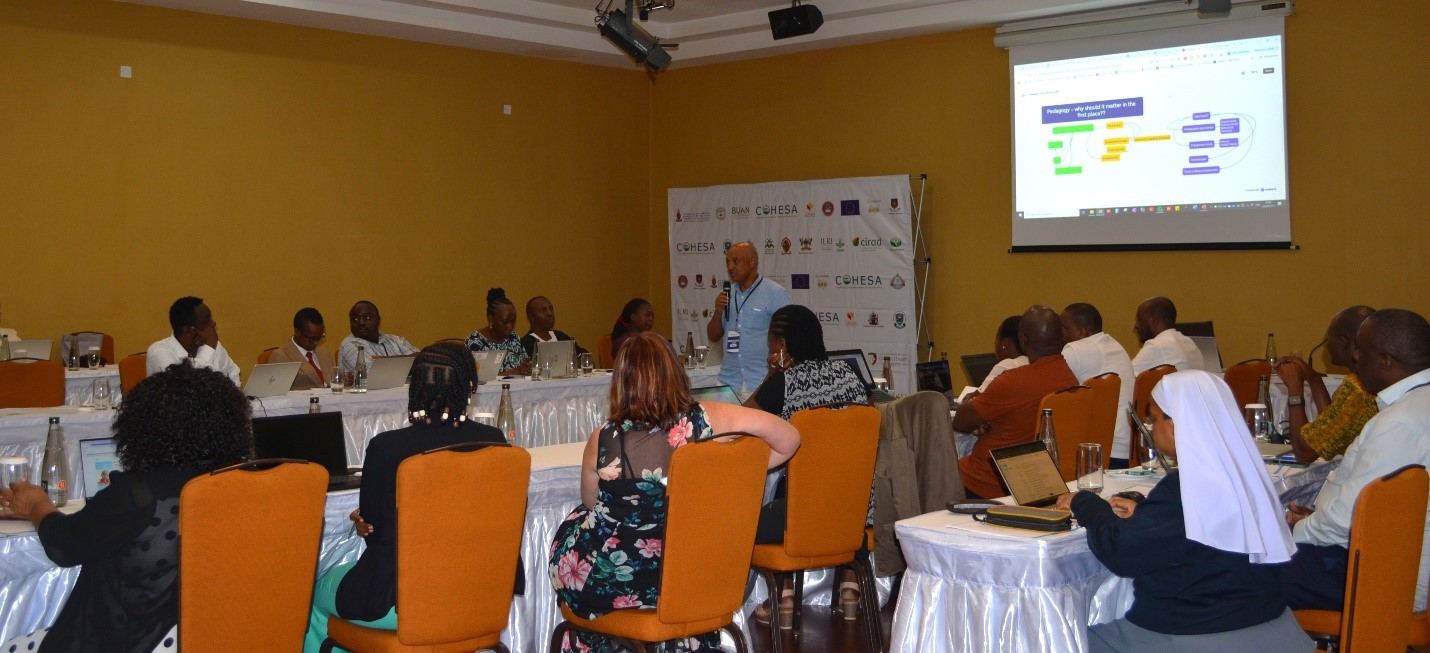
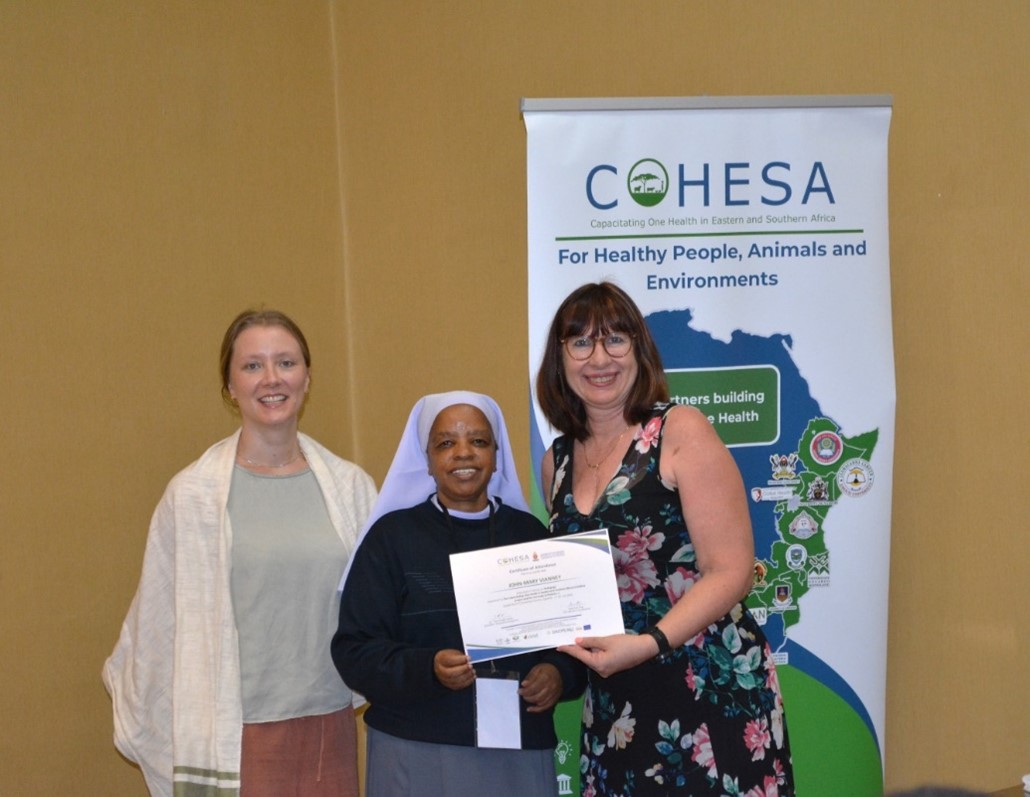
Highlights from the training
- Pedagogy isn’t just what you teach, but how and why you teach it.
- Pedagogy drives technology e.g. collaborative pedagogy—use of discussion boards, collaborative documents and digital whiteboards
- AI is not 100% accurate and should be used to enhance learning experiences, not replace the role of the teacher.
- Technology and AI can transform educators from content deliverers to learning facilitators, enabling students to construct their own learning experiences.
- Engagement is more than active classroom participation – it entails recognition of the behavioral, emotional and cognitive requirements of learners, and can be enhanced by technology.
- Various tools and apps are available and can be custom-made to meet diverse student needs depending on areas of study, learning objectives, classroom size etc.
- Use of technology and AI equips students with soft skills and prepares them for the job-market by promoting collaborative learning, conflict resolution, communication, and accountability among others.
Participants noted the need for the training to be made accessible to more educators across the continent and called on governments and institutions of higher learning to make policy and infrastructure provisions to promote technology and AI adoption in teaching.
Participants agreed that accessibility challenges should not deter technological adoption. Instead, there was a collective call for practical resourcefulness:
"If all cannot use it, make a plan to use what you have."
This insight underscored an important professional responsibility that educators must balance the provision of robust pedagogical strategies with empowering learners to contextualize and adapt them.
COHESA, in collaboration with the University of Pretoria, will hold a similar training in Namibia later this year, targeting educators from the Southern Africa region.