How African research is driving the global fight against superbugs
In Africa, antimicrobial resistance (AMR) is associated with more than a million deaths each year, placing an immense burden on health systems, food security and economic development. But behind the scenes, a powerful movement is underway. For the last four years, research connected to the One Health Centre in Africa (OHRECA) has helped to shape the conversation on good AMR governance and bring the voices and realities of low- and middle- income livestock producers into international policy and decision-making forums. The goal has been clear: to build strong local evidence, ensure African voices are heard, and champion a "One Health" approach that connects human, animal, and environmental health in every policy discussion.
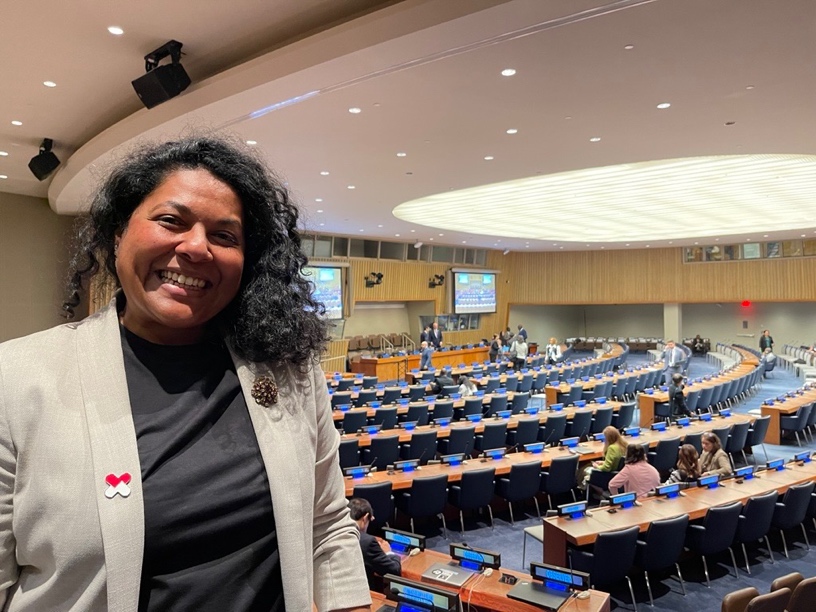 Leading this charge is Arshnee Moodley the lead of the AMR pillar at OHRECA. Her scientific leadership and policy insight have made her a trusted voice on the global stage. Her research has informed major Quadripartite reports and contributed to the 2024 UN’s political declaration on AMR.
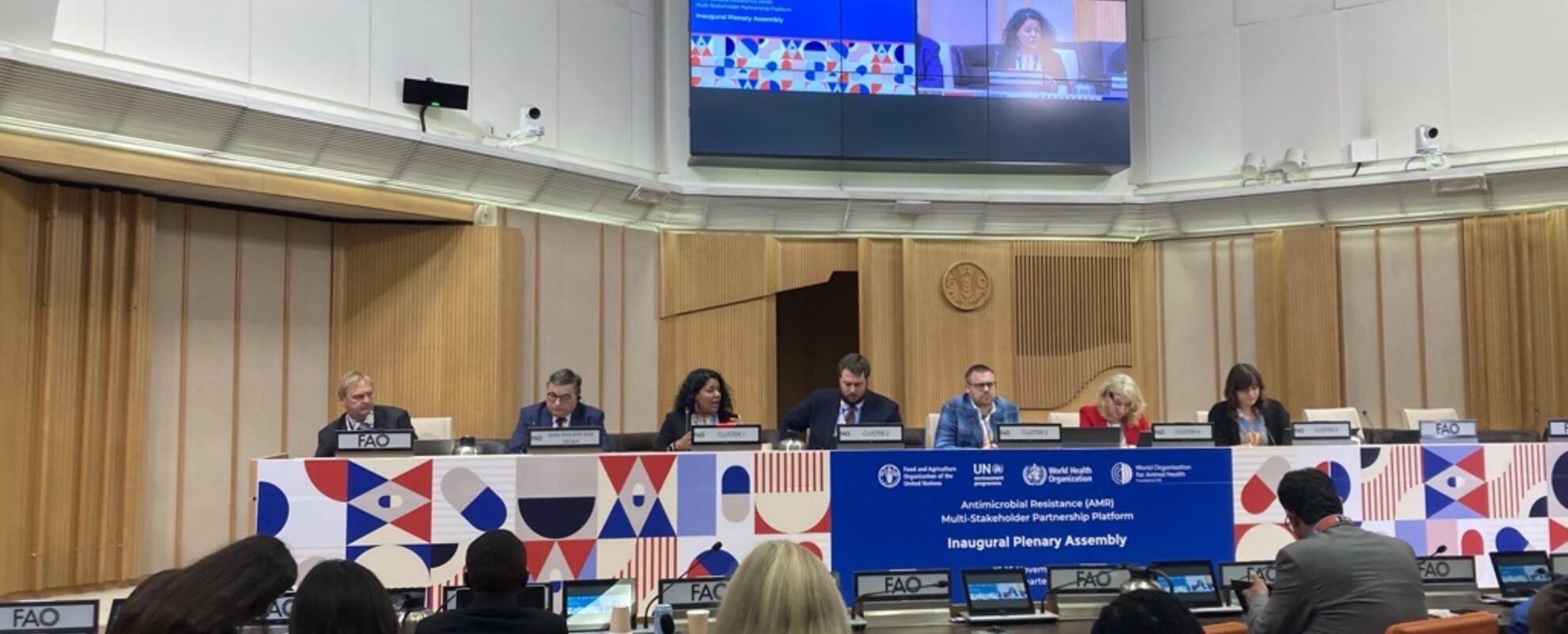
Her influence extends beyond authorship. Arshnee holds key positions where global AMR strategy is set. She chairs both the Steering Committee and the Research and Academic Cluster for the Quadripartite (FAO, UNEP, WHO, WOAH) AMR Multistakeholder Partnership Platform. She also Chairs the World Organization for Animal Health’s AMR Working Group, making sure the latest science guides policies that affect animal health worldwide.
Bringing Africa's reality to the UN
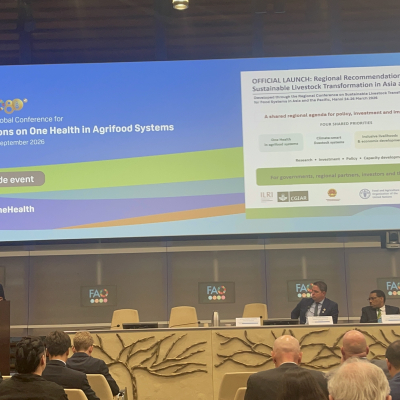
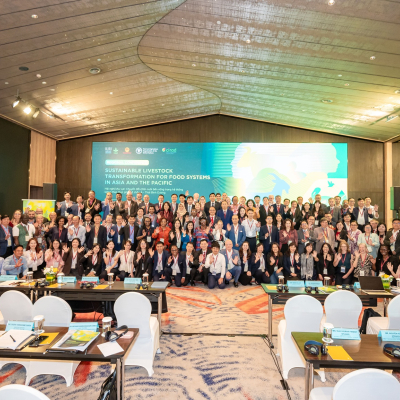
A major milestone came in September 2024 at the United Nations General Assembly High-Level Meeting on AMR. Here, evidence and perspectives from African leaders, researchers, stakeholders played a visible role in shaping the negotiations. Their work highlighted the structural realities driving AMR on the continent, weak regulation, fragmented supply chains and informal markets. The message was clear: AMR policy cannot succeed if it focuses on human health alone. It must address the full One Health system.
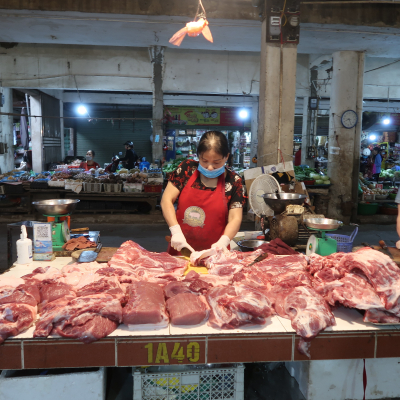
This global engagement is built on a strong national evidence base. In Kenya, our research mapped exactly how veterinary antibiotics move through formal and informal supply chains, revealing major regulatory blind spots that allow uncontrolled access and misuse. These findings directly support reforms in licensing, distribution, and enforcement of veterinary medicines.
At the same time, we showed during the COVID-19 pandemic in Nairobi how antibiotic use surged in both community and clinical settings, often without prescriptions, demonstrating how health system shocks can rapidly accelerate inappropriate antibiotic use and resistance risks.
Finally, a comparative policy assessment between Kenya and Denmark has shown that legislation alone is not enough. Even where strong laws exist on paper, weak enforcement capacity, poor coordination between sectors, and lack of farmer engagement can undermine impact. This work directly informs ongoing discussions on how African countries can strengthen AMR governance in ways that fit their institutional realities.
Perhaps just as important as the policies themselves is what this research is changing behind the scenes. It is opening sustained dialogue between health and agriculture ministries, regulators, training institutions, and the private sector. These cross-sector conversations are essential for turning national AMR action plans into coordinated, implementable strategies. This is where OHRECA’s model is proving transformative: evidence does not stay in academic journals. It is translated into technical guidance, training materials, and direct engagement with decision-makers.
A lasting impact
The big picture is clear. African-led research is no longer simply contributing data, it is actively shaping how AMR is governed globally. For OHRECA, this is a core to its mission: to bridge the science and policy, elevate African leadership, and ensure that those most affected by AMR have a voice at the highest levels of decision-making. As the threat of superbugs continues to grow, the evidence and leadership emerging from Africa are proving to be among the most powerful tools we have for building a safer, healthier, and more resilient future.
Related AMR policy publications
Mapping the flow of veterinary antibiotics in Kenya
Veterinary antimicrobial use legislation: A comparative policy analysis of Kenya and Denmark