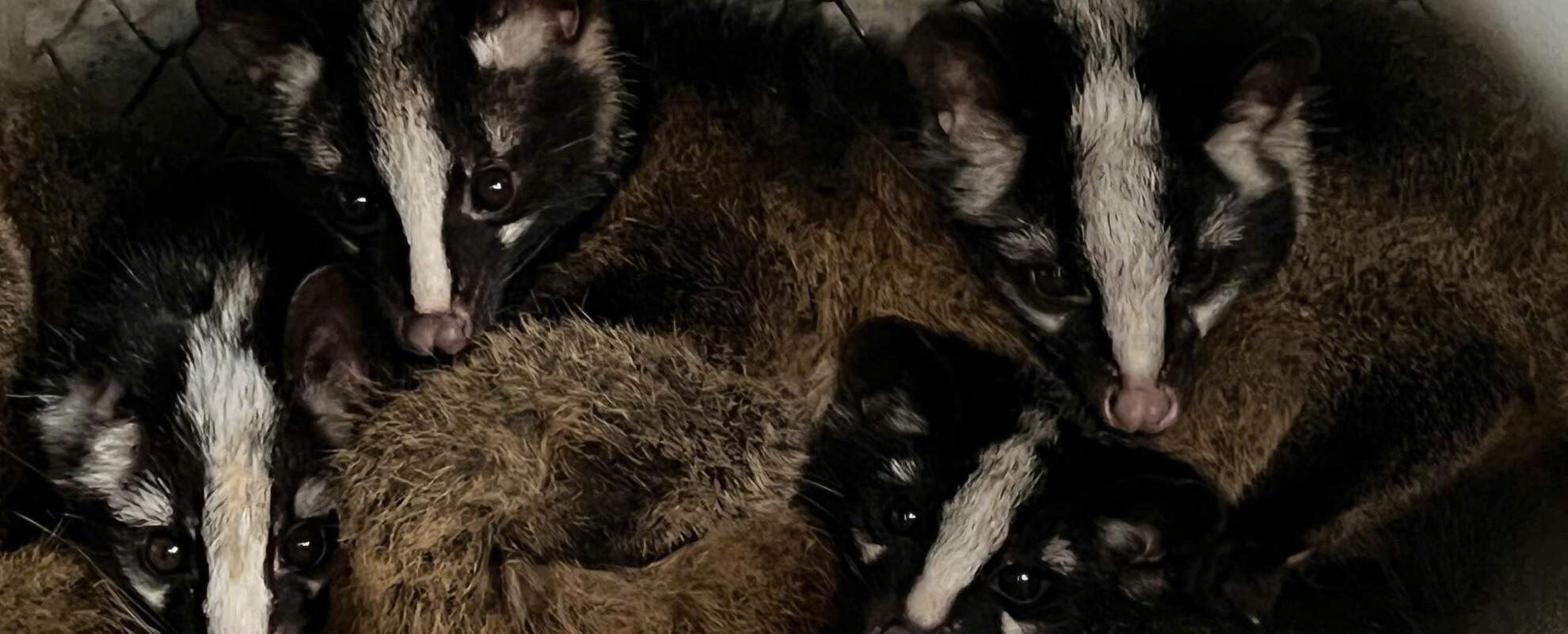
Strengthening zoonotic disease prevention in captive wildlife farming in Vietnam
With nearly 40,000 captive wild animals raised across hundreds of small-scale facilities, Thai Nguyen Province in northern Vietnam is emerging as a critical frontline for preventing zoonotic disease outbreaks. Through a One Health approach, local authorities, researchers and development partners are strengthening biosafety, surveillance and coordination to reduce the risk of diseases spilling over from animals to humans.
The initiative responds to growing concerns that fragmented management, predominantly household-based wildlife farming, and limited disease surveillance are increasing public health and environmental risks. Addressing these challenges requires coordinated action across animal health, public health and environmental sectors, an integrated approach that the CGIAR Science Program on Sustainable Animal and Aquatic Foods (SAAF) is designed to support.
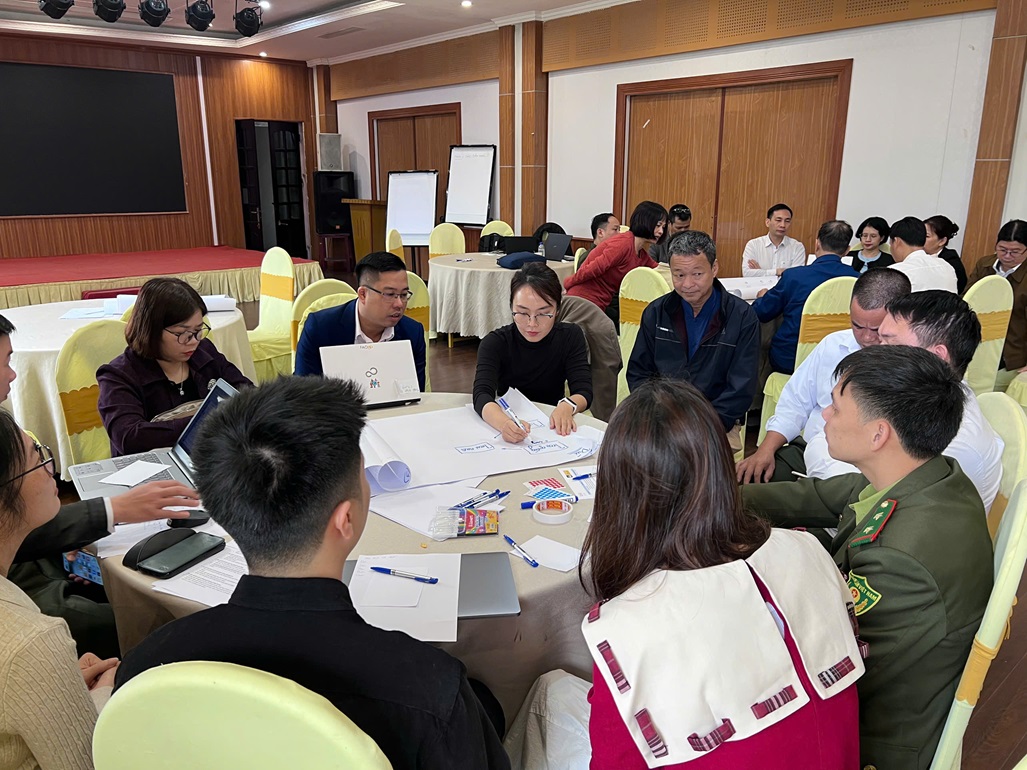
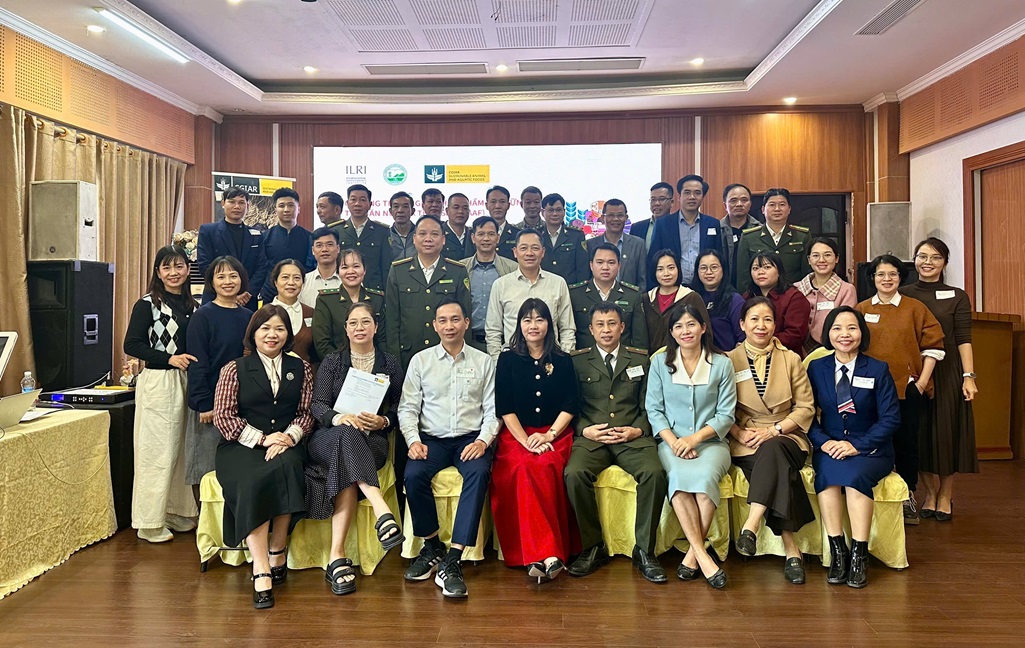
Recent progress and next steps were discussed at a workshop held on 17-18 December 2025 on captive wildlife farming management and zoonotic disease control, which convened nearly 40 participants from academia, research institutions, local and provincial authorities, public health and animal health services, development partners, and household wildlife farmers involved across the value chain.
During the workshop, participants reviewed existing regulations and on-farm practices, identified priority wildlife value chains and high-risk zoonotic diseases, and mapped critical risk points requiring enhanced surveillance.
A complex and growing system
According to provincial data, Thai Nguyen currently has 475 captive wildlife facilities, most of them household-based, raising 39,822 animals across 30 species. Of these, 338 facilities raise endangered and rare species, accounting for 31,731 animals, including masked palm civets, Asian palm civets and various snake species. The remainder raise common wildlife species such as bamboo rats, rat snakes and deer.
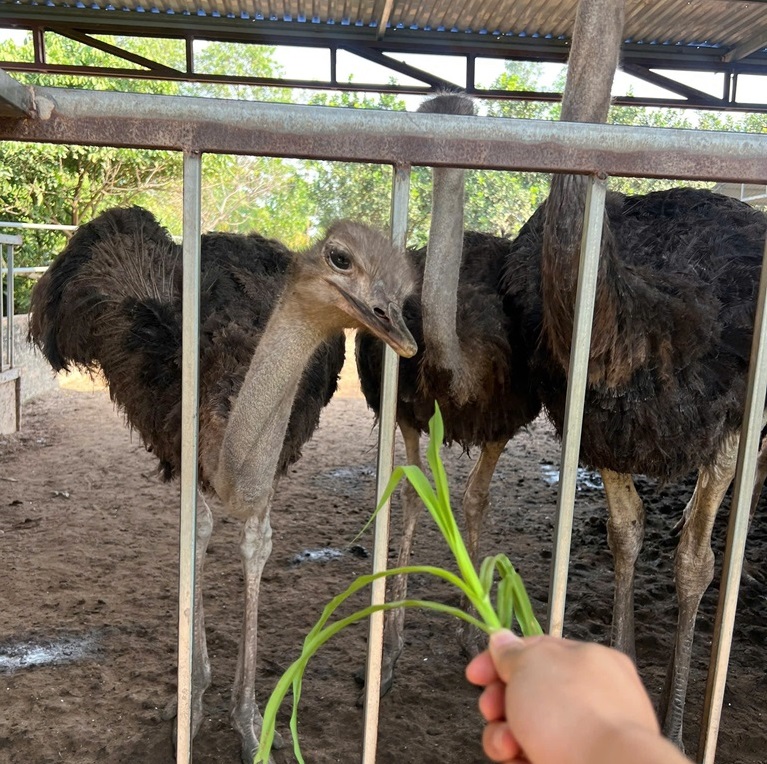
While most licensed facilities comply with legal requirements, gaps remain. “Small-scale wildlife keeping for ornamental purposes is not yet well controlled, which poses a high risk of disease transmission,” said Nguyen Thai Son, deputy head of the Division of Forest Use and Development under the provincial Forest Protection Sub-department. “Coordination between sectors is sometimes delayed, and record-keeping and herd change reporting are not always fully implemented.”
In 2025, authorities handled 32 cases of illegal wildlife trading and transportation, highlighting ongoing enforcement challenges alongside disease risks.
Why One Health — and why now
“Captive wildlife systems are more complex, involve a wider range of species, and carry higher zoonotic risks,” said Phan Thi Hong Phuc, vice rector of the Thai Nguyen University of Agriculture and Forestry. “Building a comprehensive database of captive wildlife farms and strengthening disease surveillance and management support are critically important.”
She emphasized the need for updated technical guidelines, stronger biosafety standards, and continuous capacity building for both authorities and farmers. TUAF, she added, will continue working with partners under SAAF to propose solutions that reduce disease risks while supporting livelihoods and biodiversity conservation.
From pilot action to scalable solutions
At the programme level, SAAF recognises captive wildlife farming as an important but often overlooked link between food systems, public health and the environment.
“Applying a One Health approach across sectors allows us to address disease risks at their source,” said Hung Nguyen, regional director for Asia at the International Livestock Research Institute (ILRI). “In Thai Nguyen, collaboration between local authorities, researchers and communities is already delivering tangible benefits, from improved surveillance to safer farming practices.”
Building on the workshop discussion, ILRI and partners will conduct a province-wide assessment of captive wildlife farming to generate evidence on farming scale, biosafety conditions and zoonotic disease risks. The findings will inform targeted management and intervention measures in the next phase.
From 2025 to 2030, the SAAF program aims to improve livelihoods and health in low- and middle-income countries by improving the safety, nutrition and environmental sustainability of animal and aquatic food systems.
Read more:
Living with wildlife: Vietnam’s battle against zoonotic threats