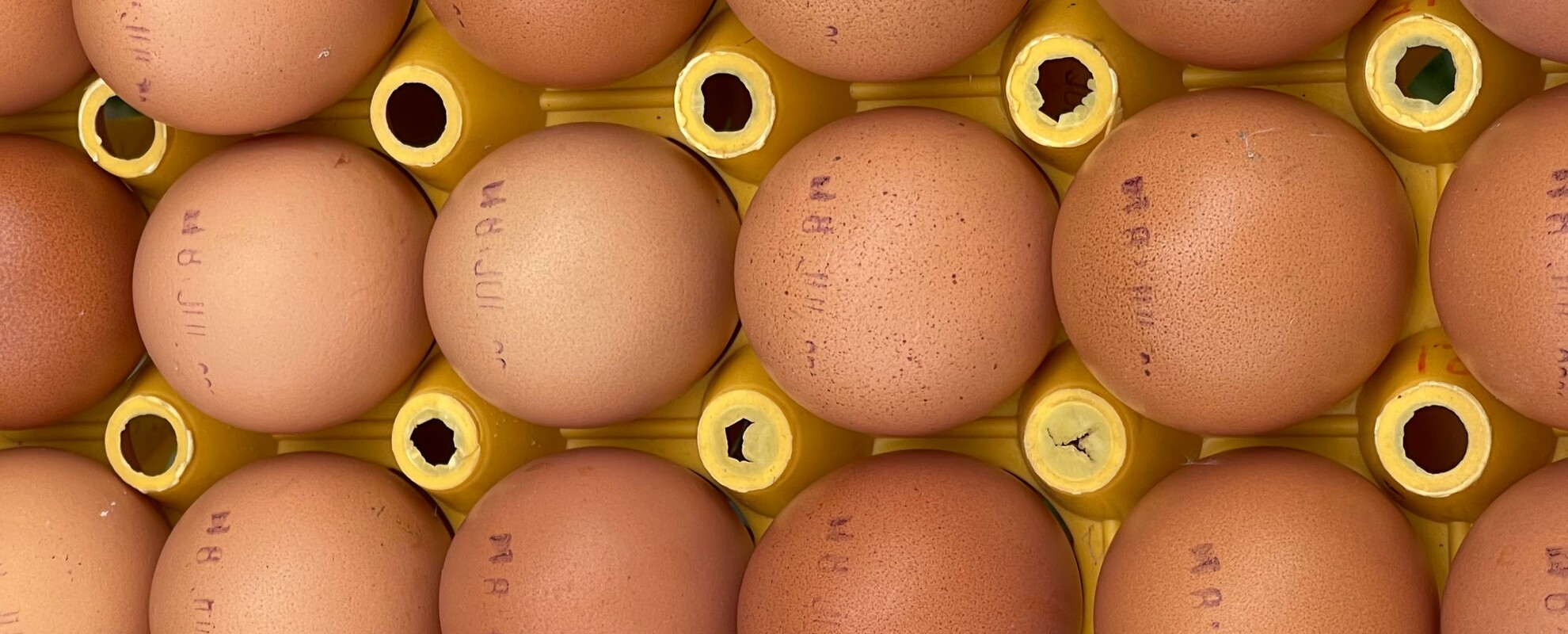
TPGS offers poultry breeding solutions to empower women and fight malnutrition in Africa and southeast Asia
Poultry farming plays an essential role in rural livelihoods of Africa and southeast Asia, contributing to family nutrition and income. Despite this, the poultry subsector faces several challenges in these regions: low investment and low output, high young bird mortality, and being perceived as a hobby.
Tropical Poultry Genetics Solutions (TPGS), a science-led project implemented by the International Livestock Research Institute (ILRI), is working to reshape how rural communities engage with poultry farming by developing locally improved chicken breeds and thus contributing to nutrition, entrepreneurship and economic inclusion. Running from August 2022 to July 2025, the project is being implemented in 9 countries; 6 in Africa and 3 in southeast Asia.
TPGS was created on the gains of the Africa Chicken Genetic Gains (ACGG) project, which successfully tested and made available high-producing, farmer-preferred chicken strains, boosting productivity for smallholder farmers in Ethiopia, Nigeria and Tanzania. While these exotic strains effectively addressed farmers' needs, there was growing recognition of the need for local solutions in achieving long-term impact.
As a result, ACGG (whose bridging phase ended in April 2022) has evolved into TPGS, focusing on developing local breeds that are more productive and home-grown. Through genetic innovation, community partnerships and policy engagement, TPGS is striving to deliver chickens that are productive and thrive in the toughest conditions in Cambodia, Ethiopia, Kenya, Tanzania and Vietnam.
Breeding better chickens for bigger impact
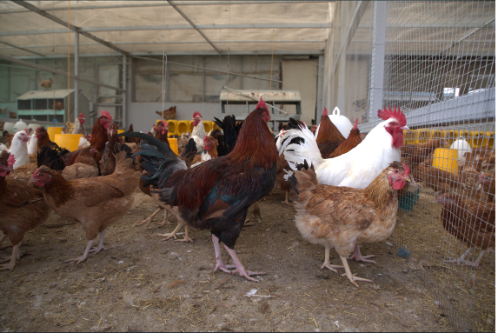
At the heart of the TPGS project is genetics. After developing and field-testing improved dual-purpose chicken breeds – designed for both meat and egg production – the project is making strides to provide farmers with access to chickens that grow faster, lay more eggs and flourish under smallholder farming systems.
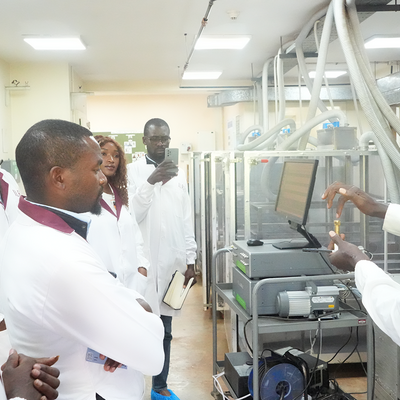
Field trials across Ethiopia, Nigeria, Tanzania, Kenya and Cambodia have shown significant increases in productivity. One of the facilities where these trials are being conducted is the ILRI Poultry Facility in Addis Ababa, Ethiopia, which has been a hub for cutting-edge poultry research, training and education since 2018.
The ILRI Poultry Facility strives to address the challenges of the poultry subsector by serving as a centre for innovation, where science meets real-world needs. Its goal is to produce knowledge and put it in the hands of smallholder farmers, especially women, who are the main drivers of the sector’s growth.
Remarking on the progress made by TPGS, Wondmeneh Esatu, a scientist at ILRI said, 'The team was conducting comprehensive evaluations of crossbred chicken populations, pinpointing genetic potential associated with strong immune systems, high egg-laying capacity and efficient feed conversion.'
‘We set a target of 1.5 kgs of body weight at 16 weeks of age and about 200 eggs per year from these crossbred chickens. Now the average chicken reaches 1.6 kg of body weight at week 12, which is a month earlier than anticipated. We are using feed that is much less compared to what smallholders use to get a chicken to this weight. The egg production is impressive, and we have exceeded our target, with over 200 eggs produced annually. Local chickens produce a maximum of 60 eggs per year,’ said Esatu.
Once these breeds reach smallholder farmers, these gains will contribute to more protein on the table, more income in pockets and fewer losses from disease or climate stress.
Engaging women to enhance poultry consumption
Recognizing that nutrition and poultry farming are predominantly a woman’s domain, TPGS has centred its efforts on empowering women. In rural smallholder farm households, promoting the consumption of chicken meat and eggs has become vital in enhancing nutrition. This is particularly important for children under five, pregnant women and lactating mothers, who are most vulnerable to malnutrition. To support this goal, the intervention was integrated into the existing on-farm chicken performance testing program, providing farmers with access to improved poultry breeds and nutrition education through digital and print materials tailored to their needs.
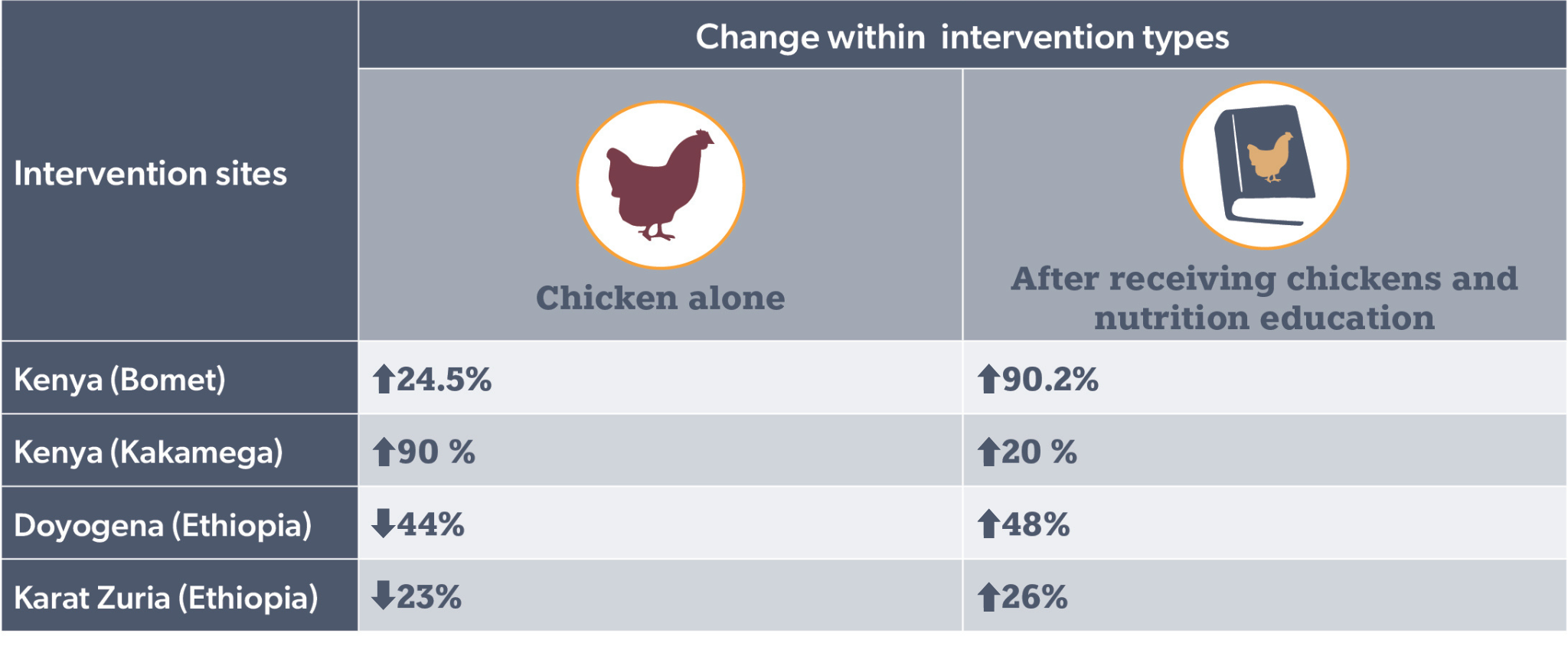
Baseline and end-line data were collected in Kakamega and Bomet counties in Kenya, and in Doyogena and Karat Zuria districts of the Central and Southern regions of Ethiopia, to assess the impact of poultry-based interventions and nutrition education on women's dietary diversity, as shown in table 1.
By providing access to productive breeds and training, the project also strives to transform small backyard flocks into viable businesses. Women are using poultry income to buy food, cover school fees or invest in group savings.
Teje Kassa from West Gojam zone in Amhara region of Ethiopia shared the positive impact that improved breeds of chickens from the ACGG project have had on her family: ‘We’re happy to have chickens that suit our needs. Along with providing our children with eggs and chicken meat, we’re able to sell eggs and chickens to buy other essential food items. We’ve even managed to purchase a solar panel that lights up our home, allowing my children to study at night.’
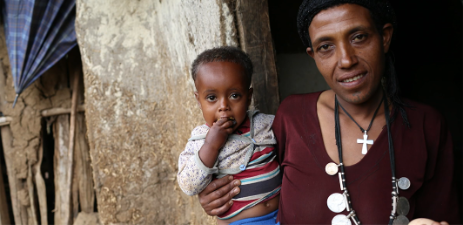
TPGS also provides monthly nutrition sessions to educate families on the vital benefits of consuming chicken products (meat and eggs), the significance of maternal nutrition, and the critical 1,000-day period following childbirth, which is essential for preventing stunting. A custom mobile app is offering tips, reminders and recipes in local languages, making knowledge more accessible.
Joyline from Longisa Village in Bomet County of Kenya shared her experience: ‘My friend introduced me to the nutrition literacy app, and I was so impressed that I wanted to learn more about the in-person nutrition education sessions. My friend then invited me to attend the monthly sessions. Since then, I've learned a lot about creating nutritious diets. Now, my family enjoys healthy meals and it's been a wonderful change!’
Developing a home-grown school feeding program
TPGS has embarked on a transformative journey to address the nutritional challenges faced by school-age children in Kenya, Ethiopia and Tanzania through its 'Home Grown School Feeding Program'.
In collaboration with regional agricultural research institutes, TPGS has piloted school-based poultry farms in four public schools, integrating an egg per day for learners in the existing school feeding programs. This initiative constructs chicken farms in the school compounds – away from areas where students learn and play – and provides training on chicken production and management. To ensure the program’s sustainability, the school’s administration sells the remaining eggs and use the funds to cover expenses such as chicken feed, medicine, labour, and costs of water and electricity.
As part of this program, TPGS undertook research to identify the key factors contributing to undernutrition among schoolchildren, while also examining the impact of daily egg consumption on their nutritional status. This comprehensive assessment encompassed physical measurements, biological indicators, dietary habits at home, as well as evaluations of school performance and cognitive abilities. The results revealed significant improvements across parameters.
Alemayehu Elias, a representative from the Hawela District Education Bureau in Sidama, Ethiopia, said, ‘The program has positively impacted students’ physical health, class attendance and academic results. Despite a few challenges, we have sufficient land and materials for construction of similar farms in more schools and have begun the process of expanding the program to eight additional schools.’
Building policy and partnerships
To ensure sustainability, TPGS works together with governments, research institutes and private sector players to embed its solutions into national strategies. Its work aligns with broader efforts to strengthen food systems and improve rural livelihoods.
Looking ahead, TPGS is prioritizing how its innovations can be packaged and scaled to reach more users. This includes expanding access to the improved chicken breeds developed through the project, making sustainable and non-conventional feed resources widely available, and promoting the uptake of new tools and technologies. Future efforts will also focus on integrating digital tools and strengthening community delivery systems to ensure that women, youth, and smallholder farmers can continue to benefit from TPGS beyond the project’s lifetime.
The success of TPGS is not in the number of chickens distributed, but in the lives transformed. From a mother who feeds her family nutritious foods, to a student who stays in school and a woman who reinvests her poultry income into her community, TPGS is proving that chickens, when backed by science and systems, can change lives.
Acknowledgements
This work is supported in part by the Gates Foundation and the Australian Centre for International Agricultural Research (ACIAR).