Vendor business school for healthy diets: Food vendors as agents of better urban nutrition
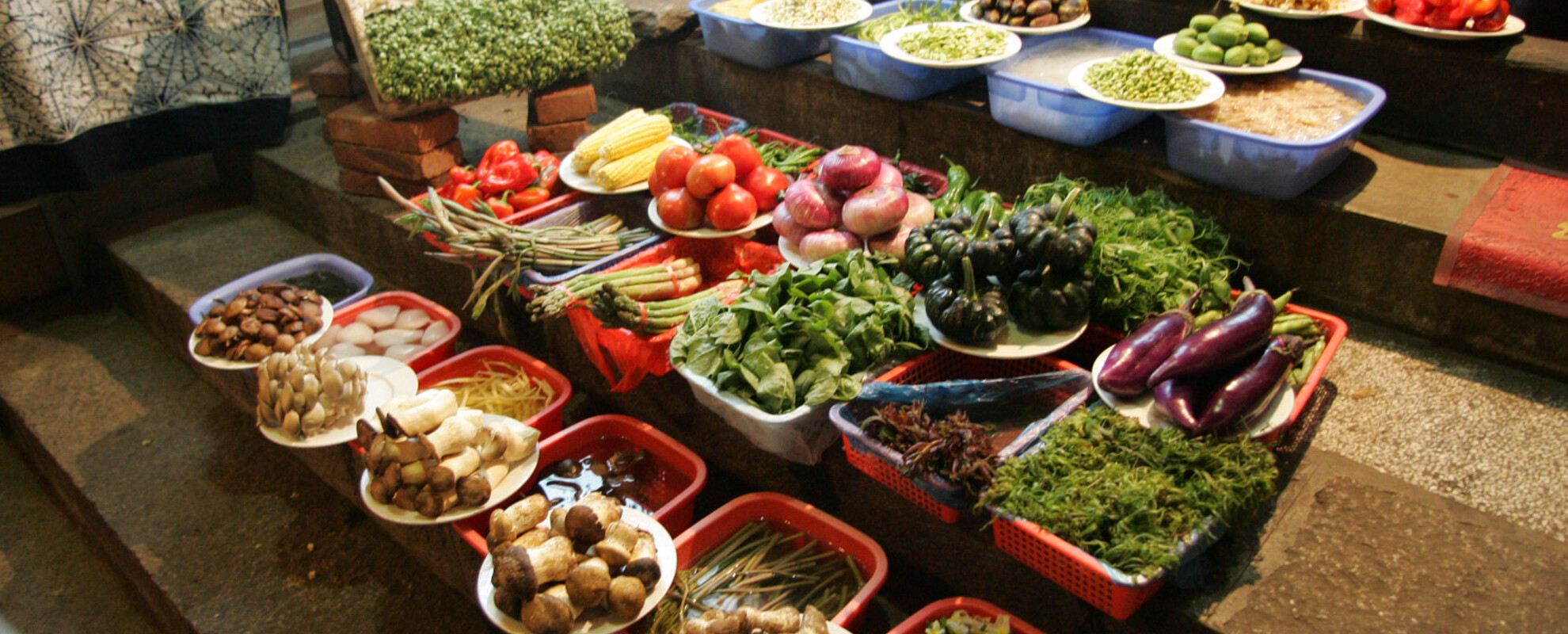
This project aims to measure the effectiveness of a food vendor-based capacity development program for increasing availability and consumer demand of safe and nutritious vegetables in urban settings in the Philippines.
Background
The Philippines ranks among the top five countries in south and southeast Asia in the number of deaths due to non-communicable diseases attributable to diets.
While undernutrition rates are slowly decreasing, the rates of overweight and obesity grow steadily every year, especially in cities.
The Government of Quezon City, in Metro Manila, has made nutrition security and sustainable food systems a focus of its development agenda.
In collaboration with CGIAR, the government pilot tested and institutionalized the vendor business school, a program to support the empowerment of the informal food vendors through entrepreneurship training and coaching towards professionalization of the sector.
The vendor business school has the potential to be a platform to improve food safety in markets and increase consumer demand for nutritious foods.
Specific objectives
The project will design and measure the effectiveness of a food vendor-based capacity development program for increasing availability and consumer demand of safe and nutritious vegetables in urban settings.
The intervention will expand the existing vendor business school to strengthen food vendors’ knowledge and capacity on
- nutrition and healthy diets,
- food safety,
- food system climate resilience, and
- food marketing and promotion.
It will also include a healthy foods marketing campaign to increase demand for vegetables among consumer households.




Related Publications
A Practical Guide to the Living Lab for People Approach: A Toolbox for Collaborative Research Design for Climate Action
Inclusive Digital Innovations and Information Systems for Resilience and Livelihood Improvement in Fragile and Conflict-Affected Settings: Workshop report