African livestock genetic resources and sustainable breeding strategies
Overview
African livestock genetic resources and sustainable breeding strategies: Unlocking a treasure trove and guide for improved productivity synthesizes leading research on livestock genetic resources, breeding goals, production systems, and enabling institutional frameworks in Africa. This volume is the first comprehensive source to consolidate scientific evidence on African livestock genetic diversity across multiple species, practical breeding strategies, and policy implementation considerations relevant to scientists and policymakers.
This book started in late 2020 by a multidisciplinary team of livestock researchers, involving 83 contributing authors, professionals, and experts from animal science, animal breeding, genetics, genomics, and other science disciplines, from 24 countries, all aspiring to pool effort in AABNet to transform African livestock production systems. Authored by African livestock professionals representing a wide range of disciplines and focused on an examination of efforts toward understanding indigenous African livestock, their uses and systems of production, improvement challenges, and achievements made to date, this book presents a rich resource, across livestock species, for formulating technical, institutional, and policy interventions going forward and that leverage on rapidly changing technologies and responds to evolving human nutritional needs and other trends. The chapters reflect peer-reviewed evidence, case studies across ecological zones, and analyses of livestock production systems ranging from small-scale subsistence livestock farming to large-scale commercial operations.
The Africa Animal Breeding Network (AABNet), as the convener of the Animal seed working group of the Africa Seed and Biotechnology Partnership Platform, has positioned itself as the credible body to support Africa in the following:
- Multi-country genetic evaluations to be able to rank genetic materials
- Animal seed certification systems on the continent
- Professionalizing the African animal industry through development of capacity of livestock industry practitioners, including ethical practice to eliminate ‘fake seed.’
- Incubation of ideas and technologies to generate new animal genetic products or approaches and best practices and their injection in industry
- Advocacy and awareness, to make a business case for livestock genetic improvement and advise countries on genetics and livestock improvement.
This book is the first to present, as one source, the diversity and uniqueness of African farm animal genetic resources, and the possibilities that new technologies present, which will give a better appreciation of the existing resources to a wide range of users. It is a valuable manual for students, professors, researchers, animal science professionals, livestock farmers and farmer organizations, civil society organizations, non-governmental organizations, business professionals, government agencies, including policymakers, the international development community, and anyone who seeks to understand the uniqueness of African livestock genetic resources, production systems, and strategies for sustainable improvement for the African environment.
Key Findings
Rich livestock genetic diversity in Africa
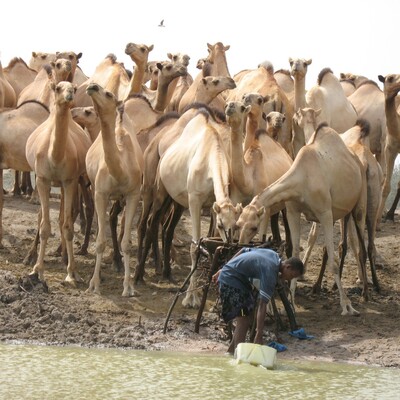
Africa has the greatest diversity of cattle, goat and dromedary breeds globally and the second highest number of sheep, chicken, rabbit and donkey breeds. This livestock genetic diversity contributes to adaptation, resilience, and productivity in diverse ecological zones and production systems.
Livestock production system characteristics
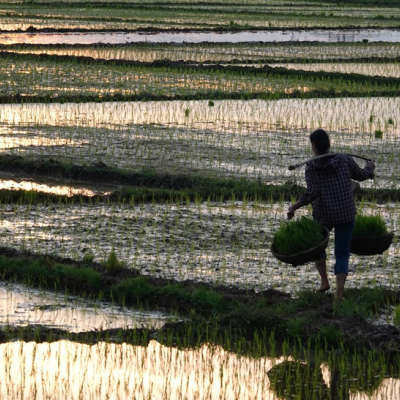
African livestock systems are dominated by small-scale subsistence livestock farming that depends on rain-fed agriculture. These systems coexist with medium to large-scale intensive and extensive systems. Each system presents different genetic, environmental, and market challenges that shape breeding objectives and priorities.
Species-specific evidence
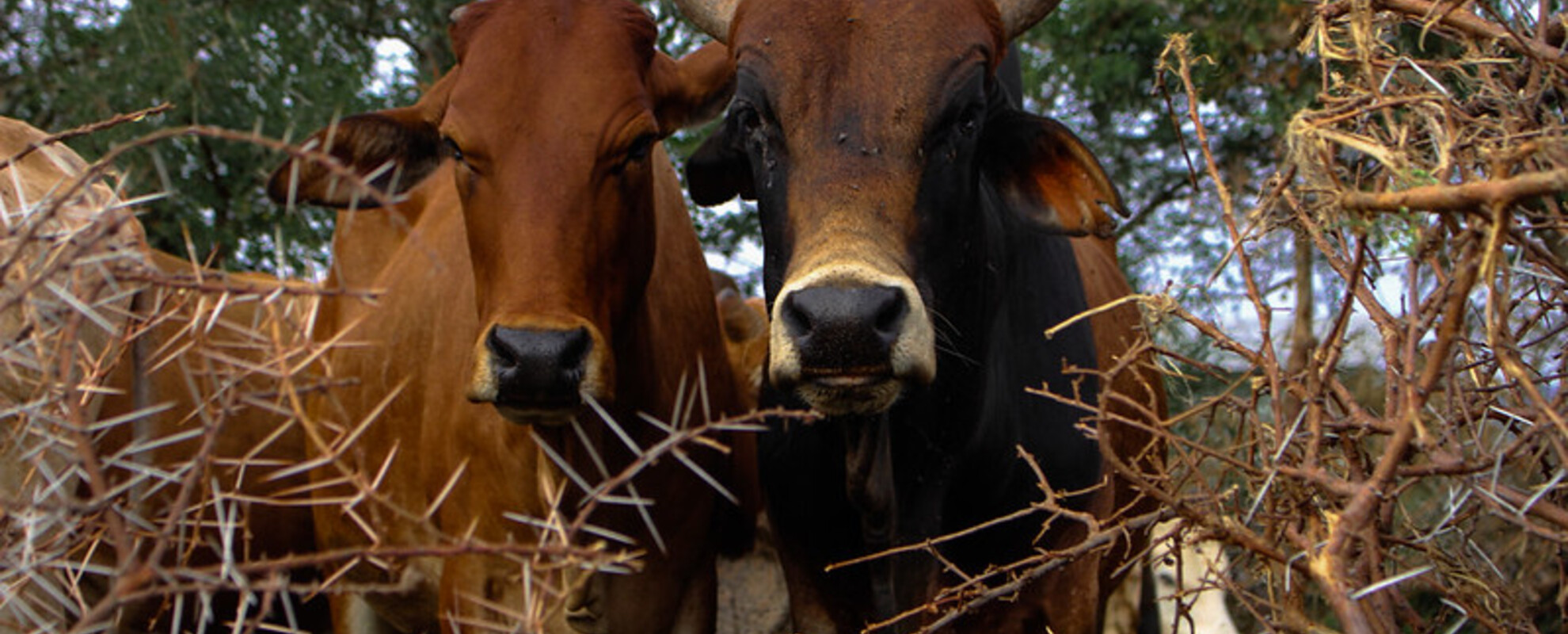
- Cattle: Many indigenous taurine and zebu breeds have unique adaptive traits but are at risk of genetic erosion from uncontrolled crossbreeding.
- Goats and sheep: Indigenous goats and sheep are fundamental to food security, particularly in harsh environments, and their genetic resilience supports adaptation.
- Pigs: African pigs are resilient and support livelihoods in rural and urban settings, but unregulated crossbreeding threatens genetic distinctiveness.
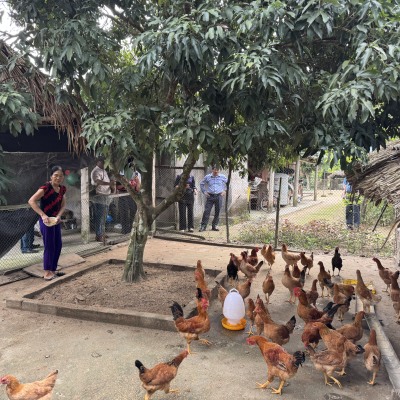
- Poultry: Locally adapted chickens provide essential nutrition and income; breeding strategies should balance productivity, health, and resilience.
- Donkeys and horses: These working animals contribute to transport, labour and cultural heritage, yet face threats from market pressures and weak conservation measures.
- Non-conventional species: Frogs, snails, rabbits, and honeybees offer protein sources that can strengthen rural food systems when managed sustainably.
Research insights on genetics and climate
- Genetic basis for adaptation and resilience: Many adaptive traits, such as heat tolerance and disease resistance, are genetically controlled. Characterisation of animal genetic resources at breed and species levels provides evidence for targeted improvement that supports resilience to climate variability.
- Emissions intensity and productivity: While total livestock emissions in Africa remain lower than in OECD countries, emissions intensity per unit of product is high. Improving productivity through sustainable genetic improvement is a key pathway for reducing emissions intensity while enhancing food security, livelihoods and economic returns.
- Technology and livestock systems: Advances in genomics, phenomics, reproductive technologies and digital livestock data systems are expanding research and practical options for genetic improvement. When aligned with farmer priorities and production realities, these modern technologies can strengthen genetic gains and sustain adaptation.
Recommendations for Policy and Practice
- Breeding objectives aligned with context: Define breeding goals that reflect specific production systems, ecological zones and farmer priorities. Farmer participation at all stages of breeding programme design, implementation and evaluation is critical.
- Conservation and sustainable use: Link conservation of African livestock genetic resources to sustainable use in production systems. Characterisation and monitoring are essential to prevent genetic erosion and support long-term resilience.
- Institutional and human capacity: Strengthen institutional arrangements for livestock research, breeding programme coordination, and technology dissemination. Support training, livestock data systems, and partnerships to translate research into action.
- Policy and frameworks: Embed livestock genetic research into national and regional livestock and climate strategies. Use evidence from economic valuation and emissions measurement to inform investment and policy implementation.