Repositioning communal veterinarians in Vietnam’s changing animal health system
The CGIAR Sustainable Animal and Aquatic Foods (SAAF) program has proposed a new service delivery model that repositions former communal veterinarians as private service providers leading networks of veterinary paraprofessionals in Vietnam. This approach aims to preserve critical veterinary expertise, strengthen service delivery, and support more sustainable, market-oriented animal health systems.
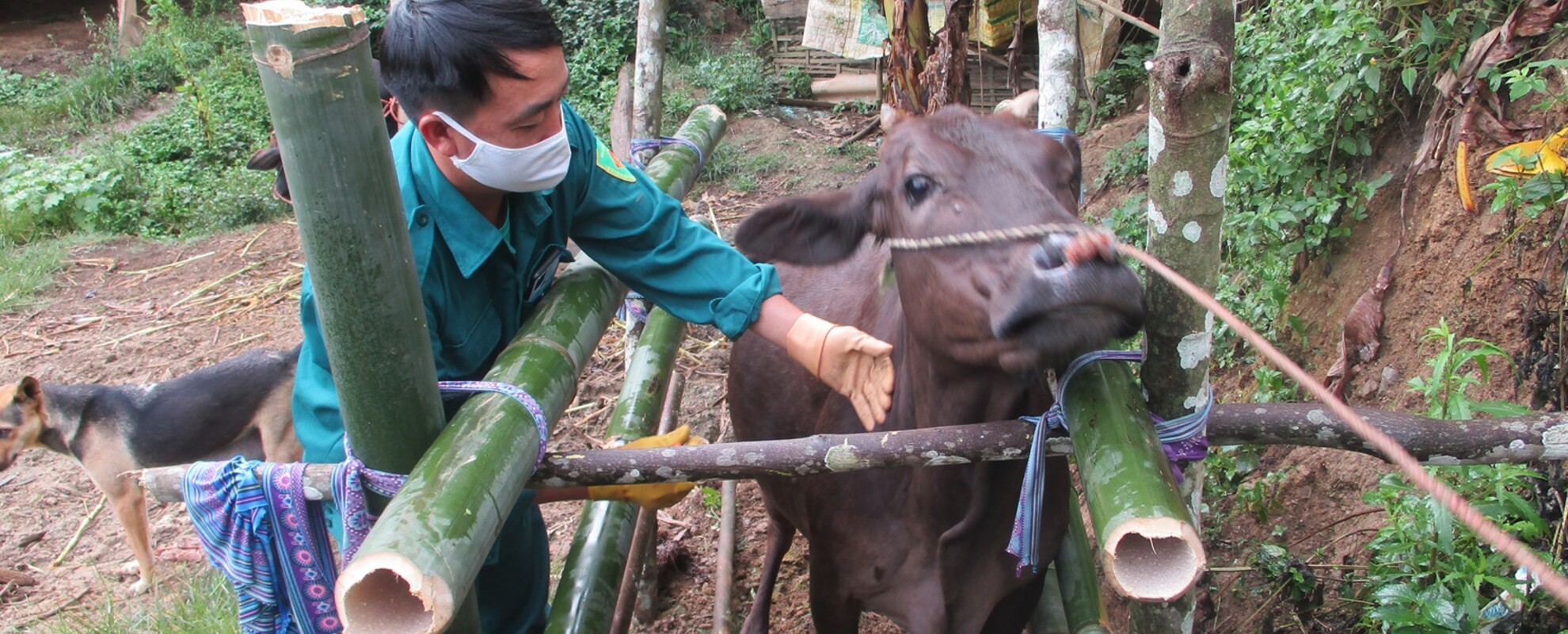
Livestock production is central to rural livelihoods in northwest Vietnam, providing income, employment, and essential animal-source foods, especially in remote and mountainous areas. Within this system, grassroots paraveterinarians (paravets) play a critical role by supporting vaccination campaigns, disease prevention, and basic animal health services.
While paravets have traditionally focused on government-assigned tasks, they also have the potential to help farmers adopt improved technologies, increase productivity, and connect to markets. However, there are no clear guidelines on how to effectively engage paravets in these expanded and more sustainable roles.
Assessing the veterinary system
As part of measures to address this gap, the International Livestock Research Institute (ILRI), in collaboration with the Vietnam National University of Agriculture (VNUA), conducted a rapid assessment of veterinary paraprofessionals in Son La Province. This study was part of SAAF under the Vietnam country program (area of work 4: market systems, policy solutions, and scaling).
Between 18 December 2025 and 17 January 2026, the research team surveyed 100 paravets across 14 SAAF study communes in Son La Province. The assessment examined the structure, roles, and operating conditions of paravets to inform future interventions under the SAAF program.
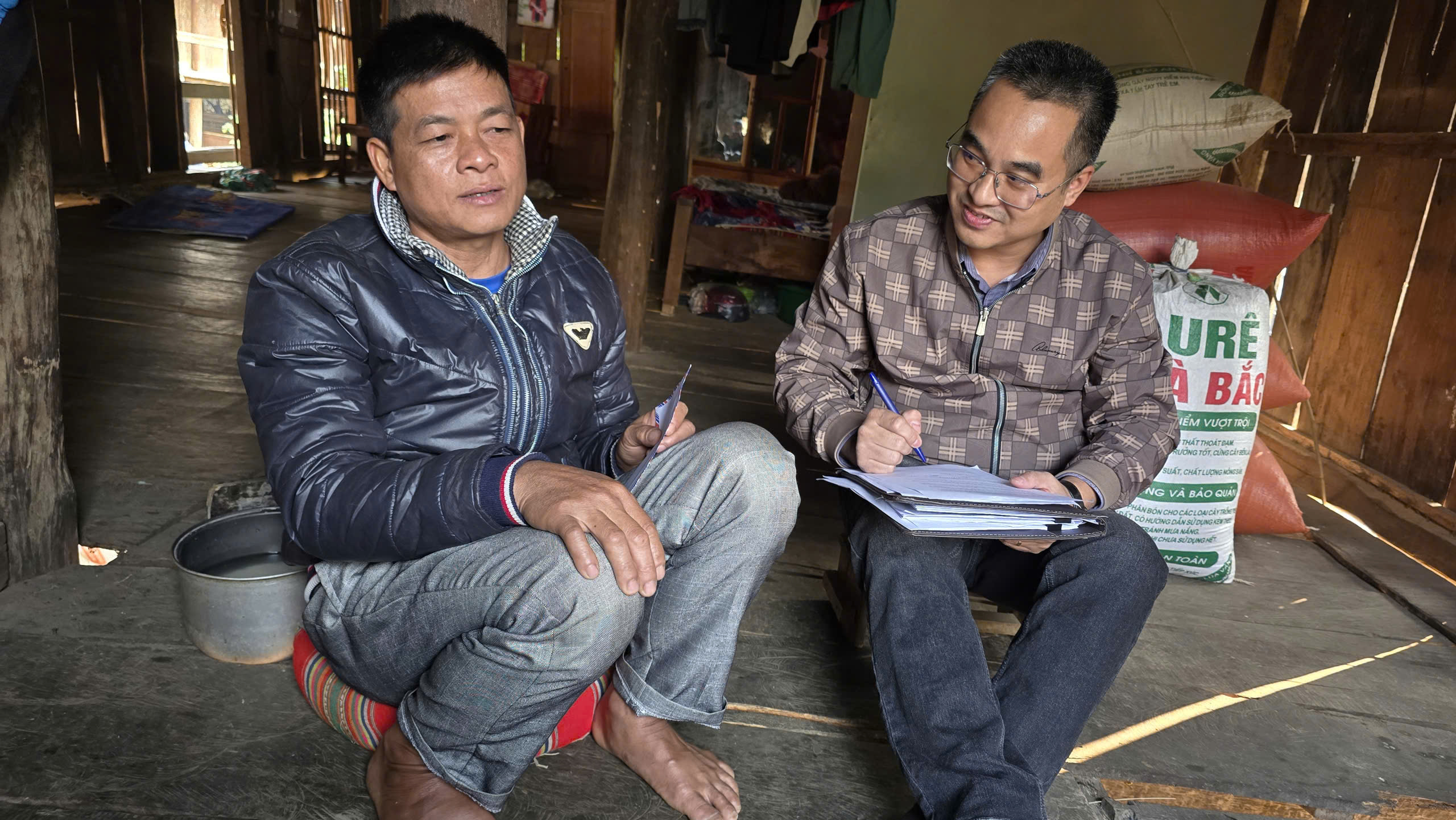
This study was conducted amid a major administrative restructuring in Vietnam, from a three-tier system (province–district–commune) to a two-tier system (province–commune). Under the new arrangement, village paravets have been reinstated, district veterinary staff reassigned to communes, and communal veterinarians largely removed from the public system—sometimes reassigned as village paravets. This restructuring has major implications for animal health service delivery.
Who are village paravets?
Village paravets are typically selected by local communities based on trust, social standing, or livestock experience rather than formal veterinary qualifications. Most hold other roles, such as village leader or farmers’ association representative, making veterinary work a secondary responsibility.
Training is limited and mainly focused on vaccination campaigns. As a result, village paravets are rarely involved in disease diagnosis or treatment and seldom provide fee-based services. Their monthly allowance is very low (around USD 20), so most rely on farming or other income sources. In addition, village paravets play only a minor and informal role in linking farmers to livestock traders.
A growing capacity gap
One of the most concerning changes under the new system is the loss of communal veterinarians, many of whom hold formal animal health qualifications and valuable experience. Village paravets are not equipped to replace them in disease diagnosis and treatment. In practice, many paravets still contact former communal veterinarians when animals fall ill, and some veterinarians continue to provide services informally. This suggests that fully removing communal veterinarians risks creating serious service gaps and wasting trained human resources.
Exploring a new business model
In response, the SAAF program is exploring a business model centered on former communal veterinarians operating as private service providers. Under this model, veterinarians would lead networks of village paravets, who serve as the first point of contact with farmers. Initially, veterinarians would deliver treatment and sell veterinary drugs, while gradually training selected paravets to provide services as demand grows. The model could later expand to include breeding and other livestock services.
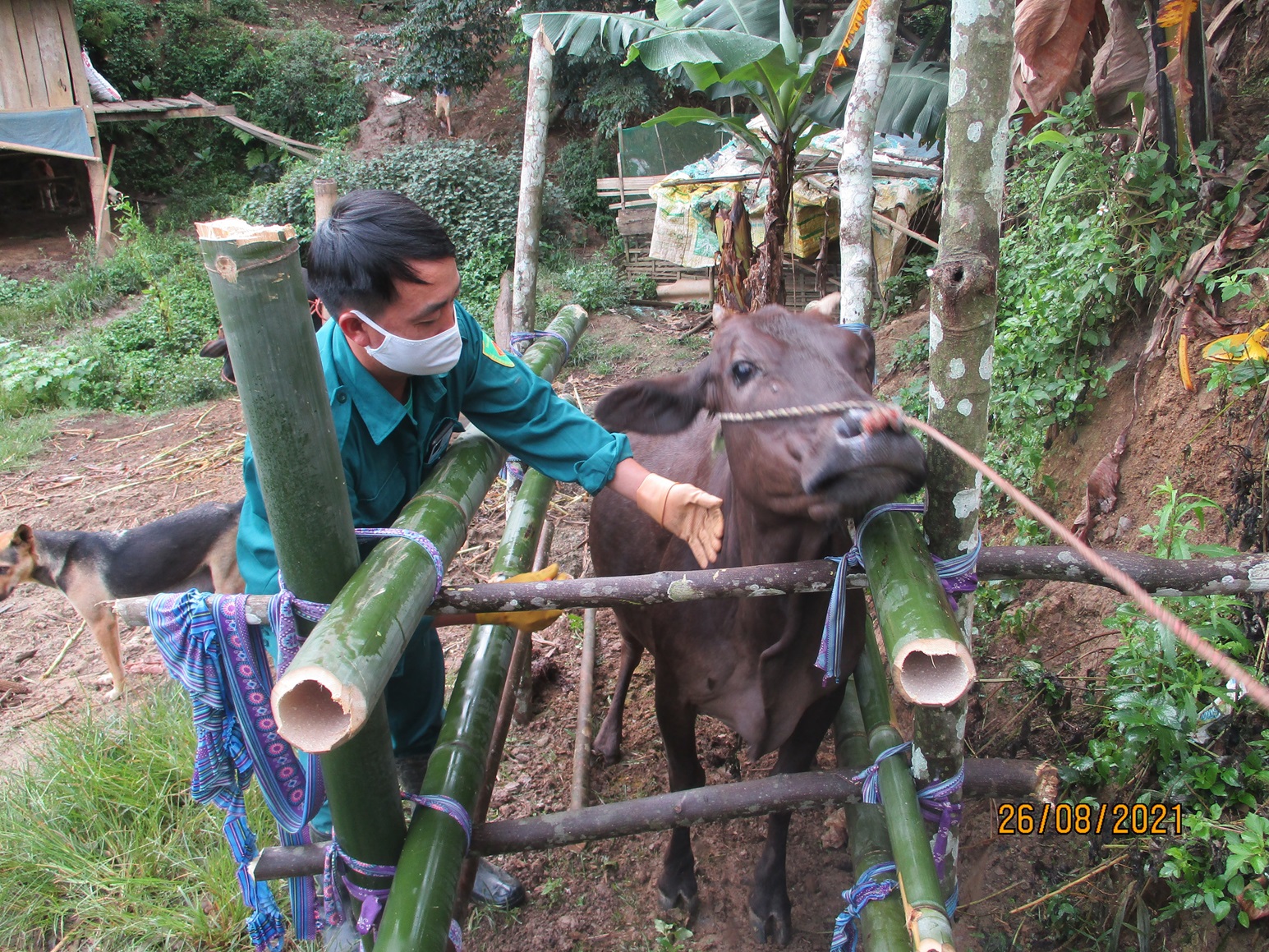
This idea resonated strongly with leaders of the Son La Sub-Department of Animal Health, who expressed concern about the current lack of technical capacity among village paravets and viewed this approach as a promising solution.
“The current village-level veterinary workforce mainly consists of part-time personnel, whose professional qualifications are generally lower than those of commune-level veterinary officers. However, this workforce has a clear advantage in being close to local communities and having a strong understanding of local conditions and farmers’ livestock-raising practices. Therefore, it is necessary to establish an appropriate mechanism that both enhances the professional capacity of village-level veterinary workers and maximizes effectiveness, while avoiding the underutilization of professionally trained commune-level veterinary officers in the context of implementing the two-tier local government model,” said Nguyen Ngoc Toan, director of the Son La Sub-Department of Animal Health.
Building on these findings, SAAF proposes piloting an expanded version of this model in Son La Province. By linking paravet networks not only to trained veterinarians but also to livestock traders, the pilot could strengthen animal health services while improving farmers’ market access. If successful, it could provide timely evidence to support policymakers as they navigate capacity gaps within Vietnam’s newly restructured veterinary system—and offer lessons for other livestock-dependent regions.
Read more about SAAF works in Vietnam:
Strengthening zoonotic disease prevention in captive wildlife farming in Vietnam

Related Publications
Prevalence, quantification, and household-level risk factors associated with Salmonella spp. infection in chickens in Boussouma commune, Burkina Faso
Impact evaluation of a small ruminant flock health intervention on animal health, welfare, and farmer income in Ethiopia