Agricultural leaders explore the future of food security at DialogueNEXT conference in India
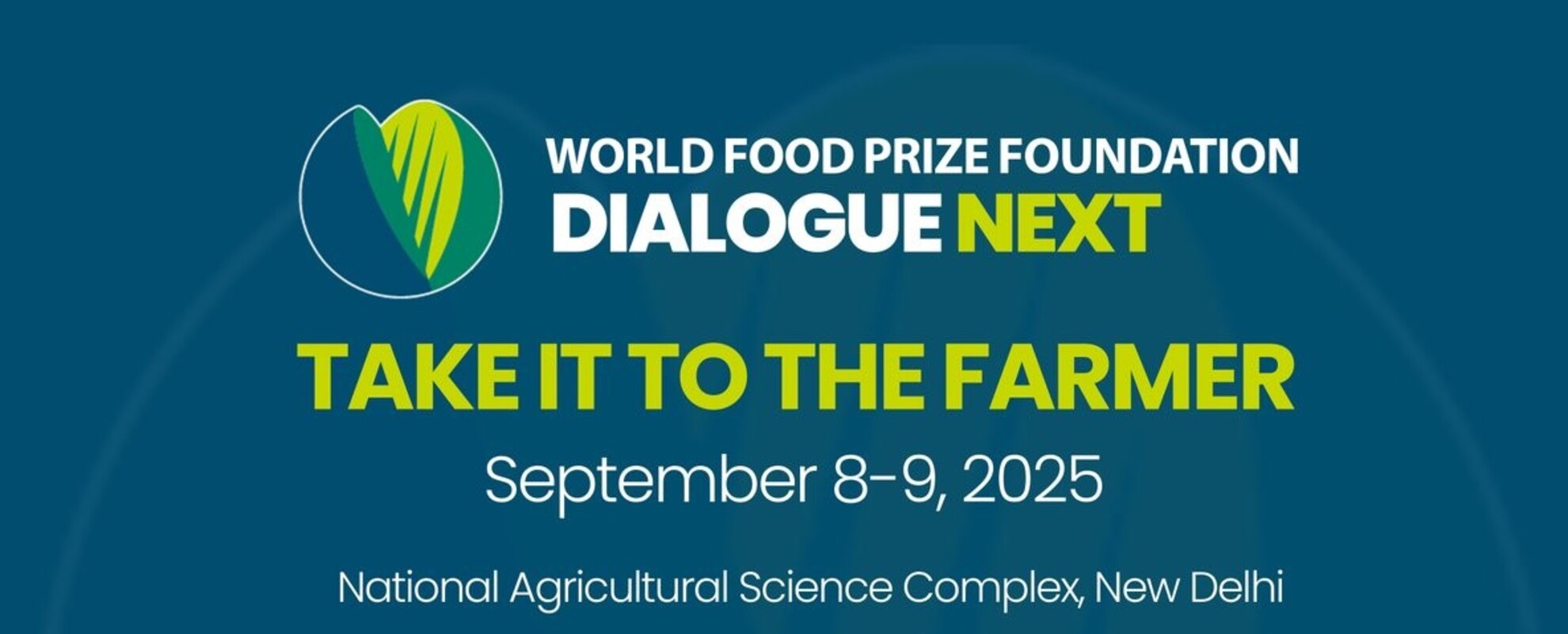
India's contributions to global food systems and innovative solutions to enhance food security for a growing global population were a key part of the DialogueNEXT conference in New Delhi on 8–9 September, 2025. Held to mark World Agriculture Day, the event brought together more than 400 farmers, scientists, agribusiness leaders, and policymakers from across Asia and the world.
Nobel laureate Norman E. Borlaug’s call, "Take it to the farmer", inspired DialogueNEXT, a global series of events launched by the World Food Prize Foundation in 2024 to discuss actionable strategies for ending world hunger. The New Delhi event was the third in the series leading up to the fourth Norman E. Borlaug International Dialogue under the theme SOILutions for Security, underscoring the foundational role that agriculture plays in sustaining global stability in Iowa, USA, in October.
Panel discussions, keynote addresses, fireside chats and networking events all focused on a farmer-first agenda and the deepening of collaboration in the transformation of agricultural systems worldwide.
Shirley Tarawali, assistant director general of the International Livestock Research Institute (ILRI), spoke in a panel on “Reimagining the NEXT stage of nutrition and food systems”. The panel included leaders from farming communities, global research centers, and Indian government institutions. It explored innovative approaches to food security, dietary quality, and health outcomes.
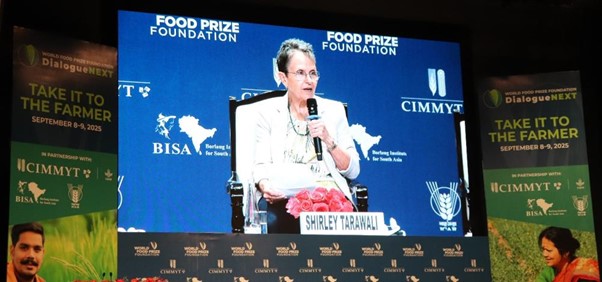
Shirley Tarawali delivers her remarks on the conference (photo credit: ILRI/Vijayalakshmy Kennady).
Tarawali addressed the "paradox" of animal-sourced foods, which are vital for nutrition but are often debated in sustainability conversations. She emphasized the essential role of animal-sourced foods like milk, meat, and eggs for a healthy diet, stating that they can make a significant difference in physical and cognitive development.
At least half of India's staple cereals are produced in integrated farms where animals are a key part of the system, providing manure and timely income for farmers. In addition, Tarawali pointed out that milk and meat also contribute significantly to the Indian economy, totaling approximately USD140 billion in 2023, which surpassed the combined value of rice and wheat.
“But arguments against livestock focus on their contributions to greenhouse gas (GHG) emissions, especially methane and nitrous oxide, which contribute to climate change. Livestock farming also requires large amounts of land and water, thus contributing to resource depletion,” she said.
Tarawali expressed confidence that the “paradox” could be resolved by achieving "triple wins" that address demand for animal-source foods, ensure continued contributions to development, and mitigate potential harms: “This is achievable through a combination of science-based technical solutions, such as better animal health, good genetics and innovative feed solutions, along with new innovations deployed at scale through innovative partnerships for small- and medium-scale farmers.”
When asked about the one change in food systems that would most improve nutrition in the next 10 years, Tarawali's response focused on being more intentional about recognizing and harnessing diversity. She highlighted the need to harness diverse pathways for sustainable food systems with the common goal of creating more nourishing, accessible, affordable, safe, and sustainable food systems for everyone.. This involves combining a diverse range of commodities—from milk and meat to cereals and legumes and fish —produced through different systems. To achieve this transformation, we must collaborate with a variety of stakeholders and leverage the newest innovations. Crucially, this requires intentional investment in two key areas: empowering smallholder producers and facilitating new consultations to rapidly apply innovative solutions to the challenges facing our food systems.
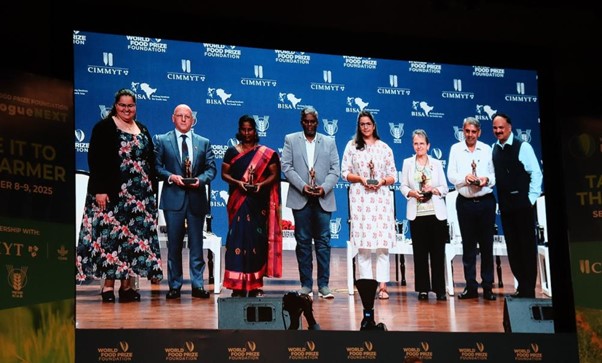
Group photo taken during the session (photo credit: ILRI/Vijayalakshmy Kennady).
The conference was organized by World Food Prize Foundation, in partnership with the Indian Council of Agricultural Research (ICAR), Borlaug Institute for South Asia, and the International Maize and Wheat Improvement Center (CIMMYT). The DialogueNEXT series mobilizes action to sustainably feed the world by placing a "farmer-first" agenda at its core. It fosters cross-sector collaboration to develop and showcase agricultural innovations and leadership.
(The post was edited by Terry Mwenda and Paul Kariamu, communication officers, ILRI)


Related Publications
Effects of Thymus vulgaris, Euphorbia hirta, and Allium sativum as phytogenic feed additives on nutrient digestibility, gut microbiota, and performance of Kabir chickens in Cameroon
A novel automated participant-recorded dietary data collection method using low-cost mobile phones and Interactive Voice Response (IVR) with low-literacy women: a validation study in rural Uganda
Incentivized interventions improve willingness to adopt edible insects farming for household consumption: Experimental evidence from Kenya