Putting the environment at the heart of the fight against antimicrobial resistance
Putting the environment at the heart of the fight against antimicrobial resistance
Ask most people where antimicrobial resistance (AMR) begins, and they will likely point to a hospital ward or a livestock farm. Ask an environmental scientist, and you may hear something different: a river downstream of a wastewater outlet, contaminated soil, a wastewater treatment plant, or a dumpsite.
These environmental pathways matter. Addressing them is essential to protecting the effectiveness of medicines for people and animals.
Why the environment cannot be left out
AMR threatens the medicines we rely on, with consequences for public health, food security, and sustainable development. Efforts to address it have traditionally focused on human and animal health, yet the environment plays a critical role in how resistance develops and spreads.
Opening a recent Environmental AMR Workshop, Rose Mwebaza, director and regional representative for Africa at the United Nations Environment Program (UNEP) noted that many countries are updating their National Action Plans on AMR. However, environmental considerations remain underrepresented in many of these plans, partly because gaps in data, technical capacity and coordination.
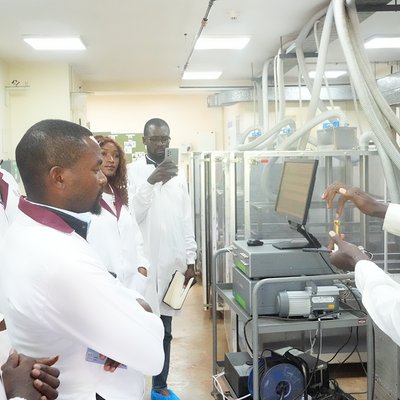
To help address these gaps, UNEP and the International Livestock Research Institute (ILRI), brought together environmental authorities, AMR focal points, technical experts and regional partners from Kenya, Malawi, Uganda, Eswatini, Ethiopia, Zimbabwe, Senegal, Madagascar, Morocco and South Africa to share national experiences and agree on priorities.
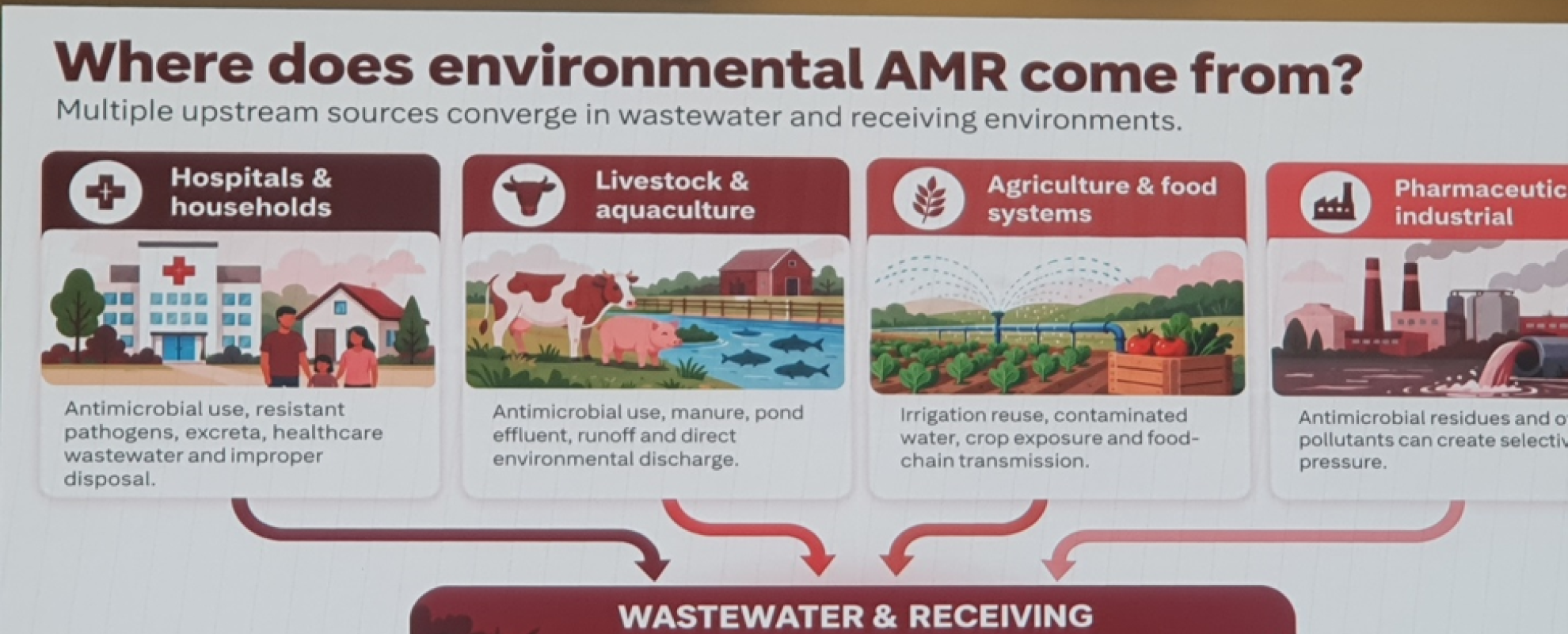
Participants pointed to common sources of environmental AMR: wastewater, healthcare waste, agricultural runoff, livestock production and pharmaceutical waste. They also identified barriers holding countries back: inadequate treatment infrastructure, limited laboratory capacity, insufficient financing, fragmented data and weak coordination across sectors.
The evidence base varied widely. Some countries presented research findings and monitoring results; others had yet to establish baseline data. These differences make regional comparisons challenging and reinforce the need for harmonized approaches to sampling, testing and reporting.
Lessons worth borrowing
Country experiences offered practical lessons for the whole region:
- Start small and build on existing capacity. Ghana and Nigeria recommended starting with a few priority sample types or laboratories that already have the necessary capacity, then expanding surveillance as resources and expertise grow.
- Strengthen existing systems rather than create parallel ones. Uganda, Malawi, Zambia and Ghana highlighted the importance of integrating environmental AMR into existing policies, budgets and surveillance systems instead of establishing standalone initiatives.
- Compliance is not the same as control. South Africa noted that meeting wastewater discharge standards does not guarantee that antimicrobial residues and resistant microorganisms are under control. Reviewing water, waste and pollution regulations could help close these gaps.
- Turn data into decisions. Madagascar stressed moving beyond collecting data to understanding exposure, assessing risks and choose the right interventions.
- Break down sectoral silos. Eswatini underlined that no single ministry or institution can address AMR alone.
- Adapt surveillance to local realities. Kenya’s experience showed that environmental AMR surveillance is feasible when approaches fit each country’s context and capacity.
Together, these lessons point to a common thread: progress does not depend on every country starting from the same place, but on building practical, context-specific approaches that can grow over time.
Young people have a role to play
Youth engagement emerged as a priority. The Children and Youth Major Group (CYMG), which represents more than 2,000 youth organizations and over 15,000 members worldwide, called on governments to designate national contact points for environmental AMR and involve young people in revising their national action plans.
Countries are already turning to youth networks and digital platforms to raise awareness. Namibia plans to develop awareness videos, while Malawi intends to engage youth networks, symposiums and social media influencers to broaden public understanding.
Shared priorities for regional action
Despite different national contexts, participants agreed on common priorities: raising awareness, developing practical technical guidance, strengthening environmental surveillance, securing sustainable financing, integrating AMR into existing policies and plans, engaging young people, and deepening regional collaboration so countries can learn from one another and avoid duplication.
What happens next?
Back home, participants plan to map environmental AMR hotspots and stakeholders and establish environmental technical working groups. Nigeria, for example, intends to develop a training manual for environmental practitioners, while Senegal plans to strengthen environmental surveillance.
UNEP also highlighted opportunities to collaborate with the CYMG and interested countries to strengthen youth engagement and raise awareness of AMR’s environmental dimensions.
The message from the workshop was clear: addressing AMR requires action beyond health facilities and farms. It demands stronger environmental surveillance, better coordination, sustainable investment and the involvement of communities and young people.
By building the environment into national plans and existing systems, African countries can move towards a more coordinated One Health response, one that recognizes the links between human, animal and environmental health and keeps antimicrobials working for future generations.