2026: International Year of Rangelands and Pastoralists
Rangelands
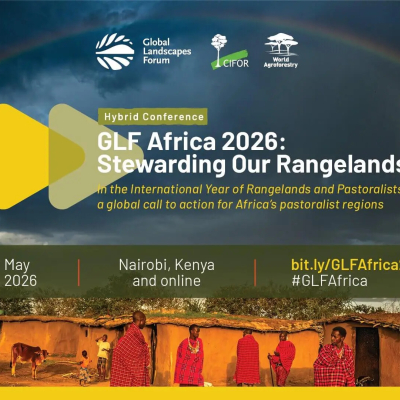
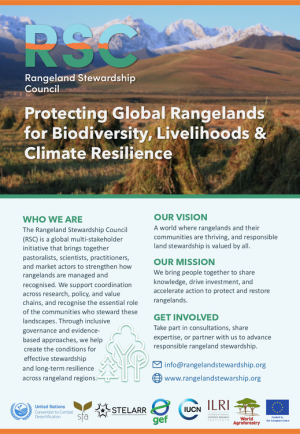
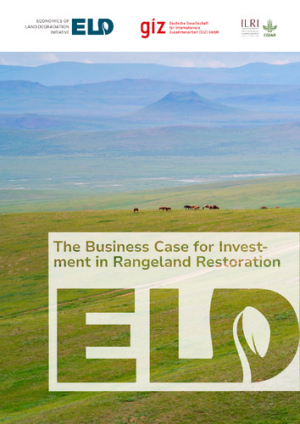
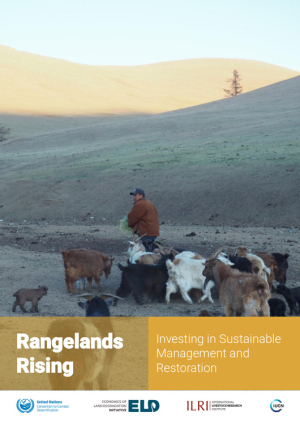
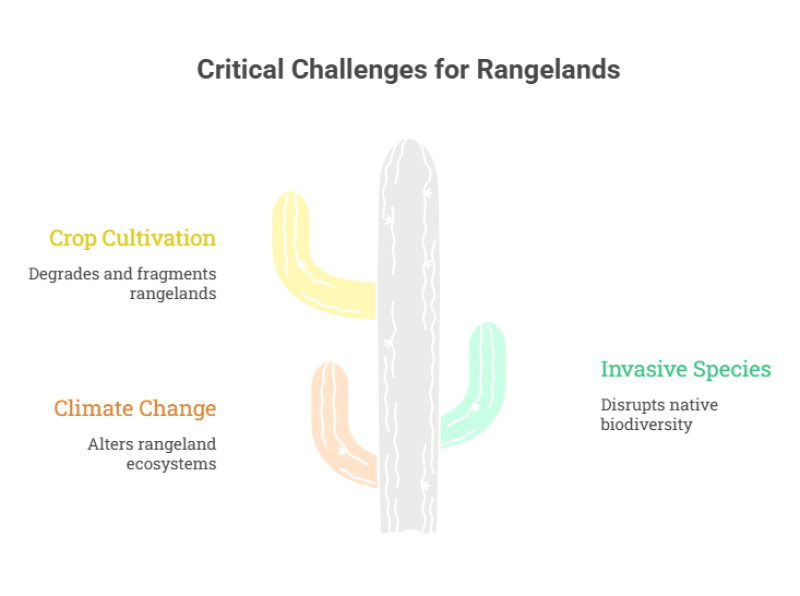
Rangelands cover 54% of the earth’s terrestrial surface, supporting millions of pastoralists and their livestock, and safeguarding rich biodiversity, iconic wildlife, and vital soil carbon reserves. However, these landscapes are under threat from climate change, invasive species, and unsustainable expansion of crop cultivation, which undermine the mobility of pastoralists and the integrity of pastoralism. Under the IYRP 2026 campaign, ILRI is working with global and national partners to elevate the value of rangelands, notably through events like the Global Landscapes Forum in Nairobi and UNCCD COP17 in Mongolia. ILRI will enhance access to rangeland data through a new Global Rangelands Data Platform, advance the investment case for rangeland restoration, and promote private-sector engagement through publications, roundtables, and incentives. It will also strengthen research on resilience-building solutions, expand participatory rangeland management, and empower pastoralist youth to engage in policy and advocacy via the Pastoralist Youth Alliance Africa.
Pastoralist food systems
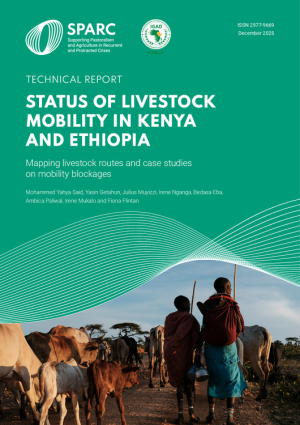
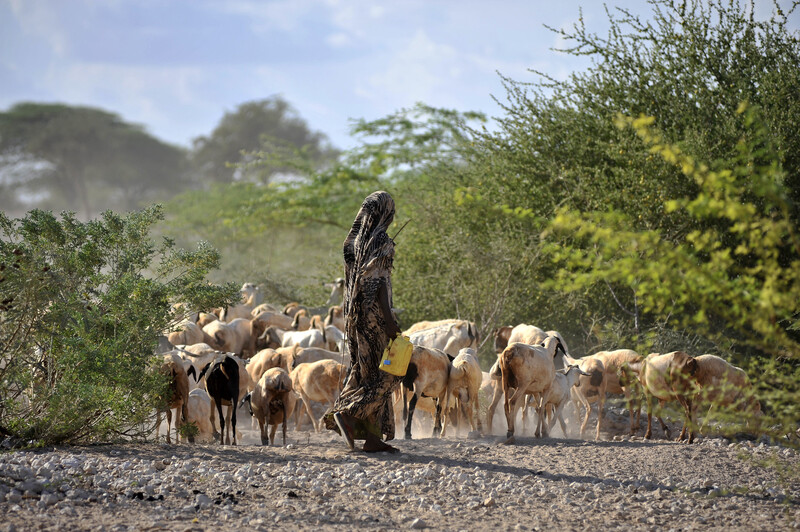
Pastoralist food systems play a key role in feeding both rural and urban communities, especially in areas where crop production is limited by harsh climates and geography. By providing cities with important animal-source foods, such as meat and dairy, through active livestock and milk value chains, pastoralists supply high-quality protein and vital micronutrients necessary for healthy diets. These foods are particularly important for women and children, who have higher nutritional needs and are at greater risk of malnutrition. Livestock raised in rangelands move through local and cross-border markets, connecting remote areas with rapidly growing urban centers. This way, pastoral systems connect rural production with urban consumption, supporting national food supplies and dietary variety. Besides nutrition, pastoralist food systems promote urban livelihoods and economic activity. The broad trade in livestock and livestock products involves many actors, including traders, transporters, processors, retailers, and small businesses, most of whom work in urban and peri-urban markets. The income generated along these value chains sustains jobs, boosts local economies, and improves access to food and services. By promoting the supply of nutritious foods and supporting market systems, pastoral food systems are essential for rural resilience, urban food security, and the economic well-being of communities.
Pastoralism and digital transformation
Pastoralists are using digital tools to encourage discussion, share information, and promote community innovation to tackle challenges such as water access, drought, and livestock health. Under the IYRP 2026 campaign, ILRI is dedicated to improving digital transformation in drylands by supporting digital networks led by pastoralists and solutions driven by local needs. This effort includes creating a white paper on digital opportunities and challenges, hosting policy discussions and a seminar series with the Jameel Observatory for Food Security Early Action, and participating in the Global Landscapes Forum to highlight the practical use of digital platforms and push for more support and investment in these innovations.
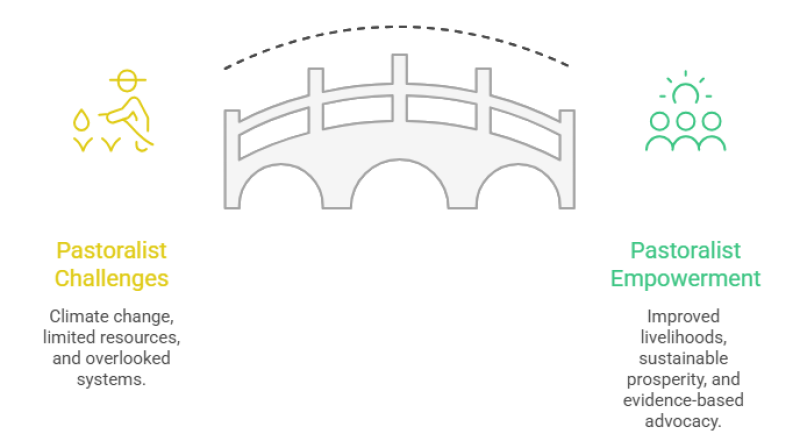
New research on KAZNET – a mobile-based platform that enables communities to collect and mobilise data on rangeland conditions, livestock, and local priorities – will explore how pastoralists can use digital tools for evidence-based advocacy, helping to shape interventions that directly support their livelihoods and foster sustainable prosperity in the drylands.
Livestock biodiversity in rangelands
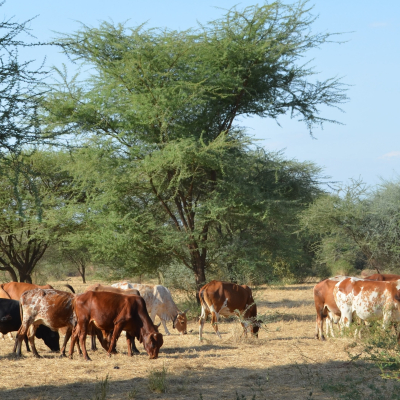
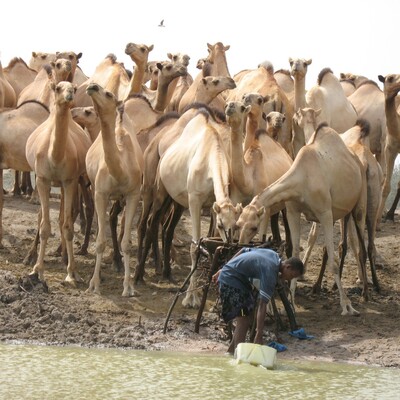
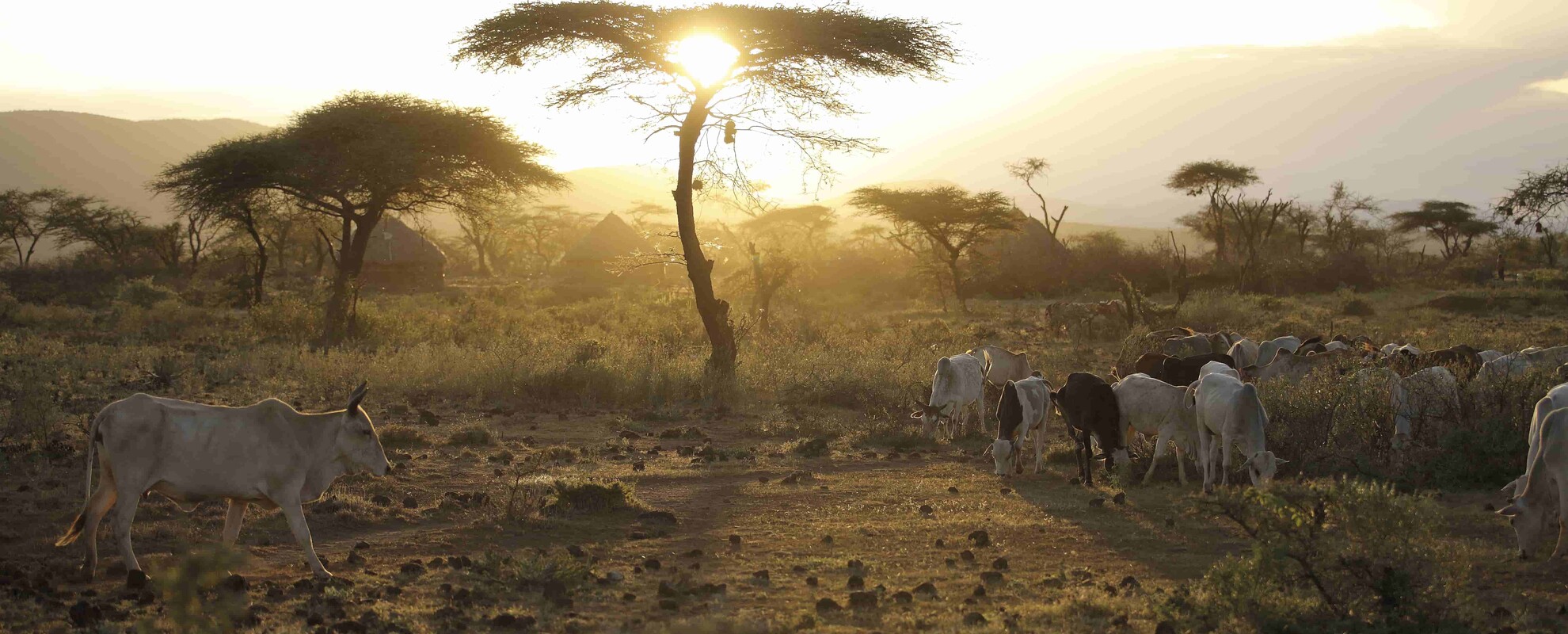
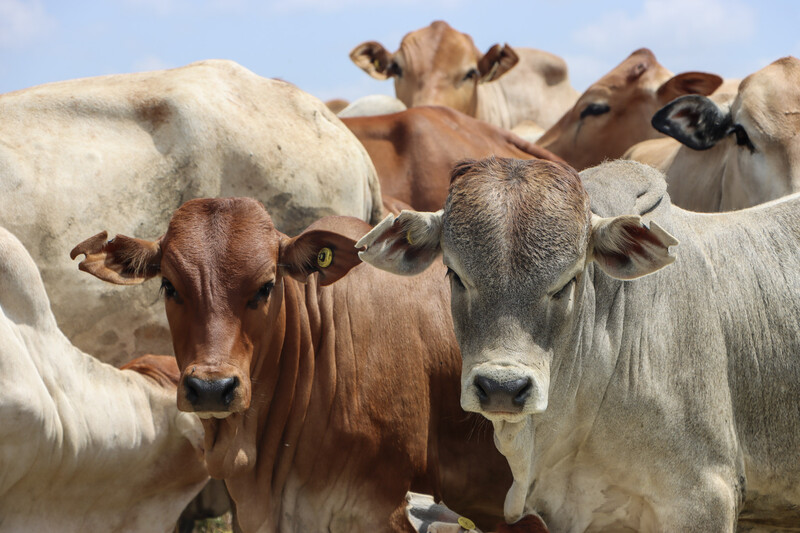
Rangelands support millions of pastoralists and house some of the richest biodiversity on the planet. Indigenous livestock breeds, such as cattle, sheep, goats, camels, and poultry, are at the core of these ecosystems. These animals have evolved alongside pastoral communities to thrive in harsh environments, such as the arid and semi-arid lands of Africa. Pastoralists help maintain healthy rangelands through their movement and specific grazing practices. This fosters nutrient cycling, improves soil fertility, and balances vegetation. As climate change worsens, the genetic diversity within indigenous livestock becomes increasingly important for creating resilient food systems worldwide. However, this unique biodiversity faces threats from land degradation, climate challenges, limited mobility, and the loss of local breeds due to uncontrolled crossbreeding. These issues endanger both ecosystems and livelihoods. Through IYRP 2026, ILRI is working globally to highlight the importance of pastoral livestock biodiversity in climate action, food systems, and conservation. Through research, policy work, and community partnerships, ILRI is promoting the conservation and responsible use of indigenous breeds. This effort presents a crucial opportunity to protect these valuable genetic resources and create more resilient, fair, and sustainable food systems for future generations.
Changing the narrative about pastoralism and rangelands
IYRP 2026 offers a great opportunity to rethink the dominant narrative on rangelands and pastoralism, which has undermined investment in pastoral systems worldwide. This dominant narrative has often portrayed rangelands as degraded, unproductive, and marginal, while pastoralism has been perceived as destructive, irrational, and inefficient. Such a narrative has shaped long-term policy and investment decisions, often promoting sedentarization, displacement, restricted mobility and structural marginalization that undermines the livelihoods of pastoral communities.
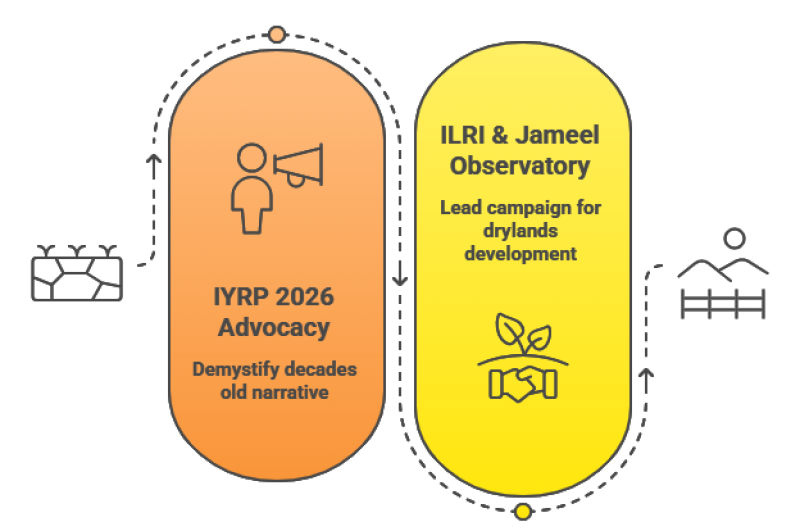
The IYRP 2026 offers an instrumental advocacy opportunity to demystify decades old narrative that has led to underinvestment in pastoral systems. ILRI and Jameel Observatory, with its leadership role in livestock research and policy convening, and its longstanding partnership with the rangelands and drylands community, will lead the IYRP campaign's advocacy to change the narrative about pastoralism and drylands development.