African Livestock Genetic Resources and Sustainable Breeding Strategies book launch: protecting Africa’s livestock diversity
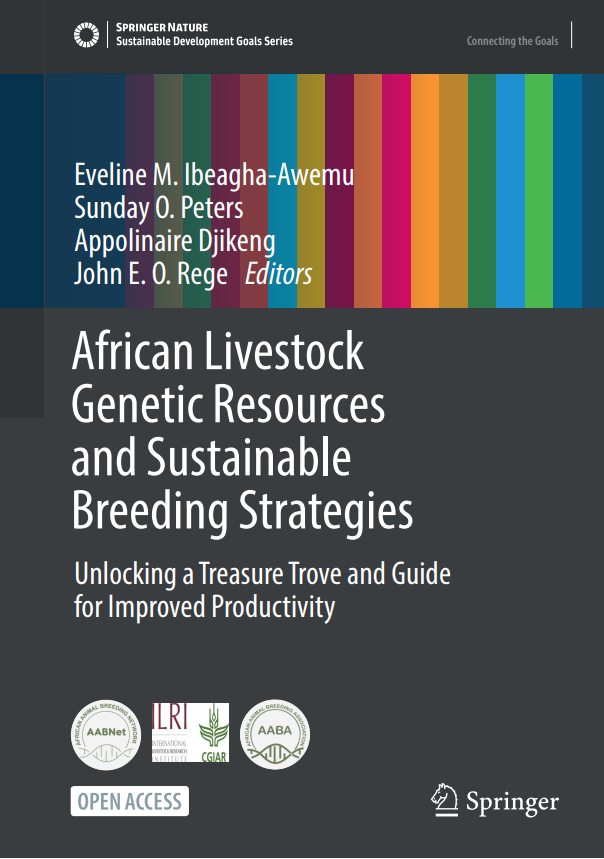
The open-access book titled "African Livestock Genetic Resources and Sustainable Breeding Strategies: Unlocking a Treasure Trove and Guide for Improved Productivity" will officially be launched on 20 February 2026 at the International Livestock Research Institute (ILRI) Nairobi campus and online.
This book is an initiative of ILRI in collaboration with the Centre for Tropical Livestock Genetics and Health (CTLGH) and the African Union–Inter-African Bureau for Animal Resources (AU-IBAR) and hosted by the African Animal Breeding Network (AABNet).
The launch will bring together policymakers, researchers, livestock experts and development partners to highlight the book’s findings and discuss how Africa’s livestock genetic resources can support productivity, resilience and climate adaptation.
About the book
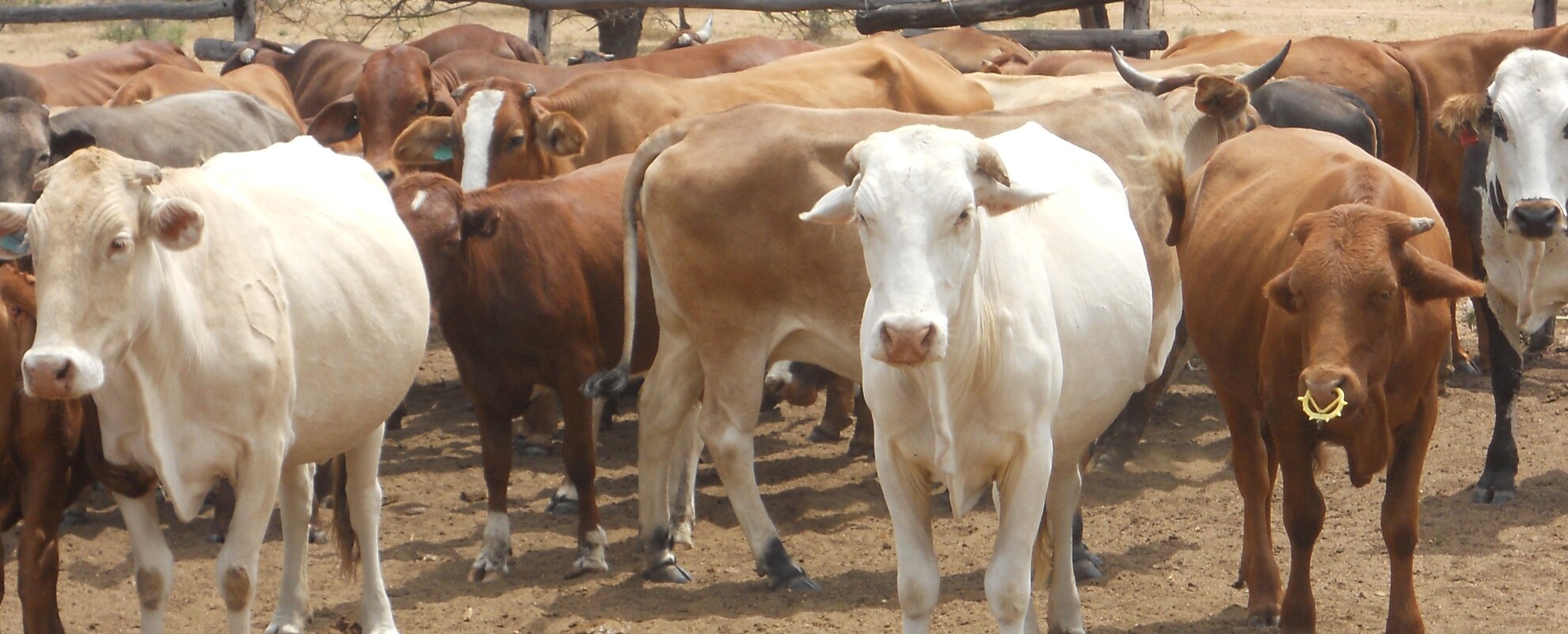
Africa is home to the world’s richest diversity of cattle and goats, and the second highest diversity of sheep, chickens, rabbits, and donkeys. Over generations, these breeds have developed traits that help them survive heat, disease, scarce feed and other challenges, making them central to food security and livelihoods across the continent.
Many of these breeds are at risk due to uncontrolled crossbreeding and genetic erosion, and scientific knowledge about them is scattered. This book brings together decades of research from 83 contributors across 24 countries, offering a clear picture of African livestock genetic resources, practical breeding strategies, and the institutional support needed to sustain them.
Why the book matters
Livestock are key to African diets, economies and rural resilience, but productivity remains low in many systems. Low productivity drives higher emissions per unit of milk, meat, or eggs and limits the benefits farmers can gain.
The book highlights how breeding strategies that match local production systems can improve efficiency, support climate adaptation, and conserve the continent’s unique genetic resources. It shows why conserving diversity and improving productivity must go hand in hand and provides practical lessons across species from cattle and small ruminants to pigs, poultry and working animals.
Program
The book African Livestock Genetic Resources and Sustainable Breeding Strategies: Unlocking a Treasure Trove and Guide for Improved Productivity represents a landmark, Africa-led scholarly effort to consolidate knowledge on the characterization, conservation, and use of African livestock genetic resources. Developed by African scientists and partners and published as an open-access resource with support from the International Livestock Research Institute (ILRI), the book is intended to serve National Agricultural Research and Extension Systems (NARES), policymakers, researchers, students, development practitioners, and livestock producers across the continent.
The objective of this one-day event is to launch the book officially, showcase its key themes, honor outstanding contributions to animal genetic resources in Africa, and stimulate dialogue on strategies to improve livestock productivity through sustainable breeding and genetic innovations.
08:30 - 09:00
Agenda
Arrival, registration, and welcome coffee
09:11 - 09:30
PART I: OPENING AND SCENE SETTING – FRAMING THE AABNet BOOK Moderator: Prof. Ed Rege (Emerge Centre for Innovations -Africa & chair, AABNet Executive Committee) Session 1: Introduction and overview of the book launch agenda and objectives of the day
The concept of the ‘African Animal Breeding Network’ and its potential in African Livestock development, including anticipated partnership with ILRI Speaker: Prof. Appolinaire Djikeng (Director general, International Livestock Research Institute, ILRI)
09:31 - 09:50
OPENING AND SCENE SETTING – FRAMING THE AABNet BOOK
The strategic importance of animal genetic resources (AnGR) for food security, resilience, and livelihoods Speaker: Prof. Mizeck Chagunda (Director, Centre for Tropical Livestock Genetics and Health, CTLGH)
09:51 - 10:10
OPENING AND SCENE SETTING – FRAMING THE AABNet BOOK
The value of African-driven production knowledge: Lessons from past and current breed improvement initiatives Speaker: Dr. Okeyo Mwai (ILRI emeritus fellow: Former program leader for Livestock Genetics, Nutrition and Feed Resources (ILRI)
10:10 - 10:40
OPENING AND SCENE SETTING – FRAMING THE AABNet BOOK
Plenary discussion
10:41 - 11:00
Break
Tea/coffee break and networking
11:00 - 11:15
PART II: HIGHLIGHTS FROM THE BOOK – KEY THEMES AND INSIGHTS Session 2A: Diversity, breeding goals, and emerging technologies Moderator: Prof. Sunday Peters (chair, Department of Animal Science, Berry College, Mount Berry, Georgia, USA)
The diversity of Africa’s animal genetic resources; unique adaptive and productive traits across species and production systems Speaker: Prof. Olivier Hanotte (Principal scientist, ILRI)
11:15 - 11:35
HIGHLIGHTS FROM THE BOOK – KEY THEMES AND INSIGHTS
Aligning breeding objectives with smallholder and commercial realities; opportunities for multi-country genetic evaluation Speaker: Prof. Raphael Mrode (Principal scientist, ILRI)
11:35 - 11:55
HIGHLIGHTS FROM THE BOOK – KEY THEMES AND INSIGHTS
Modern and emerging technologies for livestock improvement; genomics, data analytics, and decision-support tools in African contexts Speaker: Dr. Victor Olori (Senior geneticist, genetic evaluation manager, Aviagen Group)
11:55 - 12:15
HIGHLIGHTS FROM THE BOOK – KEY THEMES AND INSIGHTS
Plenary discussion
12:15 - 12:35
Session 2B: Valuation, conservation, and management of animal genetic resources Moderator: Dr. Chinyere Ekine (scientist, statistical genetics and genomics, ILRI)
Economic valuation of Africa’s animal genetic resources; why valuation matters for policy and investment decisions Speaker: Prof. Ed Rege (Emerge Africa & chair, AABNet Steering Committee)
12:35 - 12:55
Session 2B: Valuation, conservation, and management of animal genetic resources Moderator: Dr. Chinyere Ekine (scientist, statistical genetics and genomics, ILRI)
In-situ and ex-situ conservation strategies; practical approaches to safeguarding genetic diversity Speaker: Dr. Isidore Houaga (Livestock Statistical Genetics, ILRI)
12:51 - 13:10
Session 2B: Valuation, conservation, and management of animal genetic resources Moderator: Dr. Chinyere Ekine (scientist, statistical genetics and genomics, ILRI)
Plenary discussion
13:10 - 14:10
Lunch
ILRI Campus, Nairobi
Lunch break and networking
14:10 - 14:30
Session 2C: Capacity, policy, and institutional strategies Moderator: Prof. Mizeck Chagunda (director, CTLGH)
Building human and institutional capacity in animal breeding; training, mentorship, and professional development needs Speaker: Prof. Sammy Aggrey (Distinguished professor, University of Georgia, Athens, Georgia, USA)
14:30 - 14:50
Session 2C: Capacity, policy, and institutional strategies Moderator: Prof. Mizeck Chagunda (director, CTLGH)
Policy and governance frameworks for sustainable use of AnGR; national, regional, and continental strategies Speaker: Prof. Alexander Kahi, Centre of Excellence for Livestock, Innovation and Business (CoELIB), Egerton University, Kenya
14:50 - 15:10
Session 2C: Capacity, policy, and institutional strategies Moderator: Prof. Mizeck Chagunda (director, CTLGH)
Economic and institutional models for African livestock genetic improvement; sustainable resourcing and partnership approaches Speaker: Dr. Christian Tiambo (Scientist - lead cellular resources, functional genomics tools and biotechnology, CTLGH/ILRI)
15:10 - 15:25
Session 2C: Capacity, policy, and institutional strategies Moderator: Prof. Mizeck Chagunda (director, CTLGH)
Plenary discussion
15:25 - 15:45
Break
Tea/coffee break
15:45 - 16:00
PART III: RECOGNITION AND BOOK LAUNCH CEREMONY Moderator: Dr. Siboniso Moyo, (ILRI deputy director general - Research, Partnerships and Impact)
Special tribute: Honoring the contribution of Dr. Mbah to animal genetic resources in Africa Speaker: Prof. Eveline Ibeagha-Awemu (Senior research scientist, genomics and biotechnology, Agriculture and Agrifood, Canada)
16:00 - 16:20
PART III: RECOGNITION AND BOOK LAUNCH CEREMONY Moderator: Dr. Siboniso Moyo, (ILRI deputy director general - Research, Partnerships and Impact)
The AABNet book project: Origins, process, and lessons learned from concept to publication Speaker: Prof. Eveline Ibeagha-Awemu (Senior research scientist, genomics and biotechnology, Agriculture and Agrifood, Canada)
16:20 - 16:35
PART III: RECOGNITION AND BOOK LAUNCH CEREMONY Moderator: Dr. Siboniso Moyo, (ILRI deputy director general - Research, Partnerships and Impact)
Overview of the book’s structure and content; key sections, audiences, and intended use Speaker: Prof. Ed Rege (ECI-Africa & Chair, AABNet Executive Committee
16:35 - 16:55
PART III: RECOGNITION AND BOOK LAUNCH CEREMONY Moderator: Dr. Siboniso Moyo, (ILRI deputy director general - Research, Partnerships and Impact)
Official book launch ceremony • Unveiling of the book: Short remarks by presiding guest (Director, AU-IBAR) • Sale of copies of the book (Moderator: Dr Siboniso Moyo) • Book access and dissemination plans, next steps for awareness, uptake, and expected outcomes and impact (Prof. Eveline Ibeagha-Awemu)
16:55 - 17:00
PART III: RECOGNITION AND BOOK LAUNCH CEREMONY Moderator: Dr. Siboniso Moyo, (ILRI deputy director general - Research, Partnerships and Impact)
Vote of thanks, closing remarks and way forward Speaker: Prof Sunday Peters (Department of Animal Science, Berry College, Mount Berry, Georgia, USA)
17:00 - 18:00
Reception
Networking cocktail/reception