Closing the silage quality gap: A demand-driven study with smallholder dairy farmers in Kenya
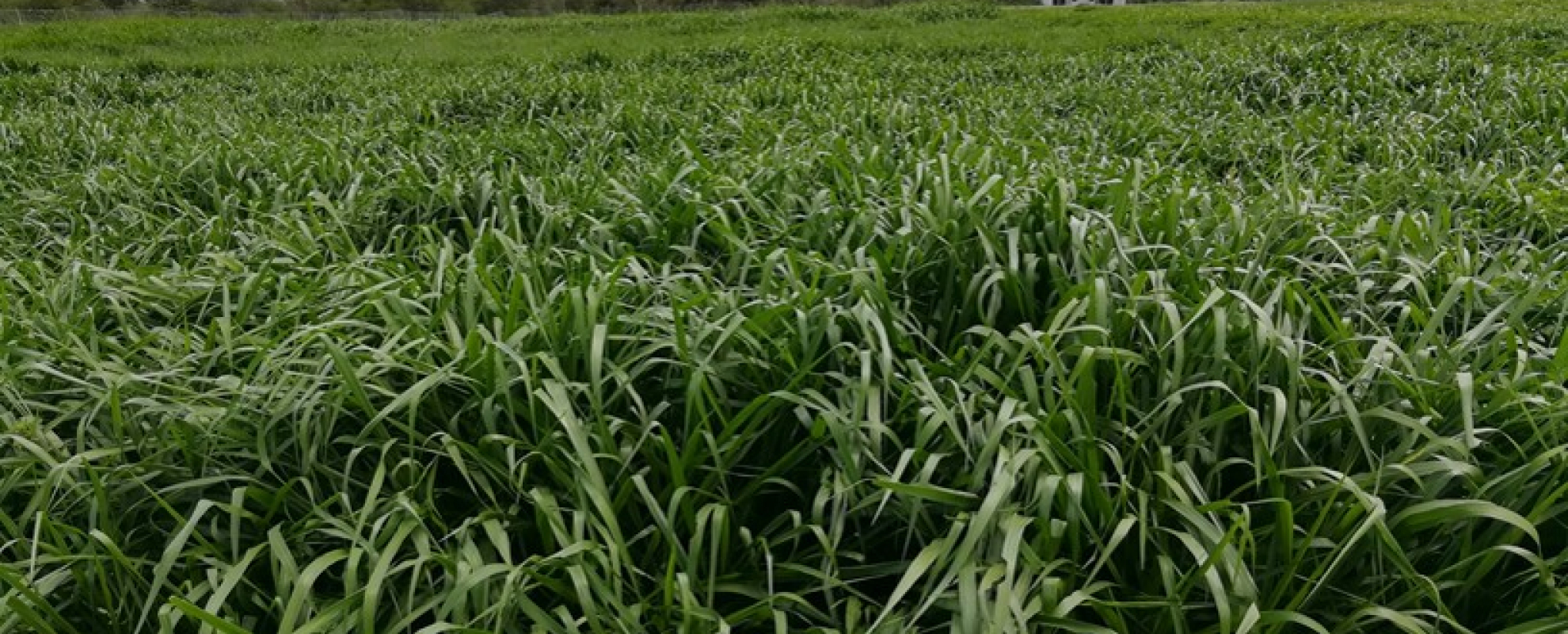
Silage is high-moisture green fodder (such as maize, sorghum, or Napier grass) that has been chopped, compacted, and fermented under anaerobic (air-free) conditions to preserve it for feeding livestock during the dry season or periods of feed scarcity.
Silage offers farmers a practical and cost-effective way to stabilize milk production by preserving forage during periods of abundance. If done well, silage enables more consistent milk yields, improves household incomes, and strengthens food security.
Despite its promise, however, many farmers are not realizing the full benefits of silage due to low-quality.
To better understand why silage quality remains low, the International Livestock Research Institute (ILRI) Adaptation Pioneers and Feed and Forages teams, designed a demand-driven silage quality study in Nandi and Bomet counties between October and November 2025.
Through a participatory approach, the research focused on pioneer farmers: those recognized as innovative and relatively successful under similar constraints as their peers.
One surprising finding from the ILRI study is that even pioneer farmers, many of whom had attended silage training, were producing suboptimal silage. This finding revealed the need to move beyond assessing adoption and instead examine how effectively farmers are implementing silage technologies at the farm level.
The study concentrated on smallholder dairy farmers in Nandi and Bomet counties in Kenya with at least two years of experience making silage. It sampled 90 households, including both farmers currently producing silage and those who had abandoned the practice. In each county, the study involved 45 farmers.
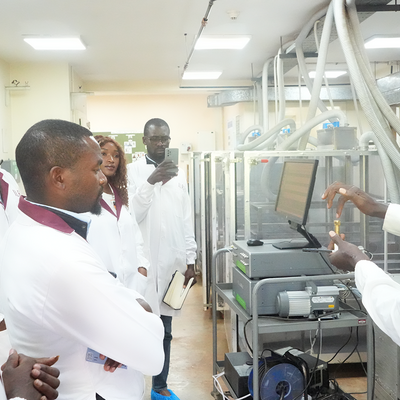
Data collection combined farm visits, structured interviews, focus group discussions, and key informant interviews with farmers, extension workers, dairy cooperatives, and private sector actors. ILRI researchers also collected silage samples to analyze forage types, storage methods, and silo temperatures, providing a robust empirical foundation for assessing silage quality.
“The silage quality testing that was done by ILRI gave us as farmers an opportunity to ask ourselves what we needed to improve in the silage making process and the best forages to use, especially in our area where there are feed shortages during dry seasons,” says Calistus Kipsang, a farmer from Kembu in Bomet County.
Why silage quality matters for smallholders
“I started making silage because my grazing field is small. when I feed it to the cattle in the morning, they only need to graze for a short time to be satisfied,” says Felix Sum, a farmer from Chepterwai Ward in Nandi County.
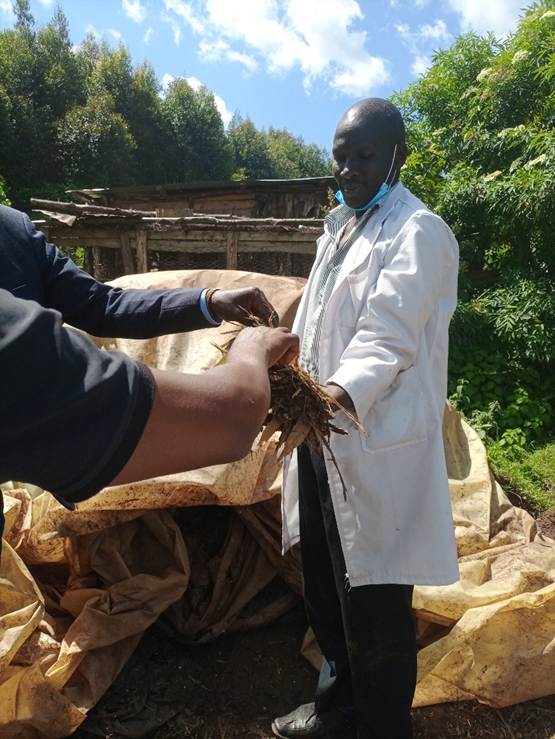
“As a dairy cooperative, we train farmers on feeds including silage making, because we want them to supply more milk to us when dairy productivity improves,” says Isaac Kirui, a veterinary officer at Siongiroi Dairy Cooperative in Bomet County.
His perspective highlights the importance of evidence-based insights in strengthening both farmer livelihoods and cooperative performance.
Poor-quality silage produced at the farm level undermines livestock productivity and discourages farmers from fully committing to the practice. Without visible success stories among neighbors or peers, silage can appear risky and unrewarding. This reality raises a critical question about what prevents smallholder farmers from producing high-quality silage and how these challenges can be addressed in ways that respond directly to farmers lived experiences.
Looking beyond adoption
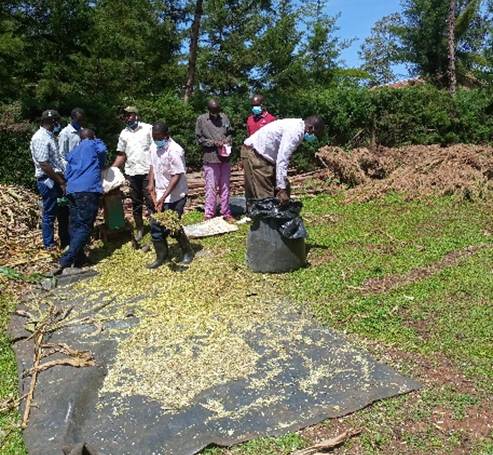
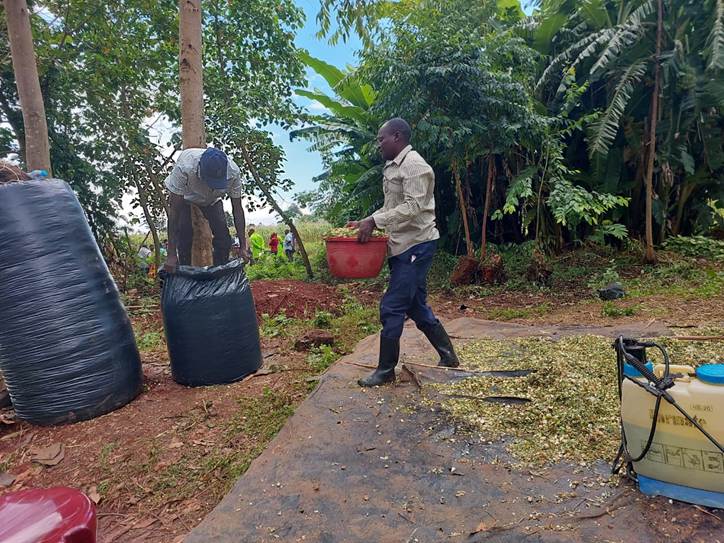
The ILRI study showed that several constraints continue to hinder effective silage production. Labor shortages during harvesting and processing, limited access to suitable equipment, inadequate technical knowledge, and challenges with storage and preservation all affect the quality of silage produced. These factors determine whether farmers can harvest forage at the optimal stage, chop them to the right size, compact sufficiently, and store it under airtight conditions—key requirements for proper fermentation and nutrient retention. Compounding these challenges is a significant lack of empirical data on the actual quality of silage produced by smallholders. Without this evidence, interventions tend to focus on promoting adoption rather than addressing quality bottlenecks.
Strengthening silage quality through farmer-led learning
Feedback from the study shows that farmers acquire most silage knowledge informally from neighbors or through trial and error. While farmers recognize the importance of good compaction, airtight sealing, timely harvesting, and proper chopping, many struggle to apply these practices consistently. Despite these challenges, farmers and stakeholders widely recognize the benefits of silage.
Esther Omayio, the livestock production officer, County Government of Nandi, explains.
“In Nandi County, silage is particularly important in our dairy production. Our farmers make silage from maize, Napier grass, sorghum, and a few from oats, mixed with maize. If you compare farmers who are using silage and the others who are not, you will see that farmers who are making silage have good milk production in all the months of the year, even in the dry spells.”
Next steps
Laboratory analysis of the samples collected during the ILRI study is now underway to assess dry matter content, pH levels, lactic acid concentrations, and fiber composition. ILRI will share these results through farmer-friendly, anonymized reports, allowing households to compare performance without stigma. The researchers will disseminate the findings through farmer field days, pioneer farmer demonstrations, media engagement, and targeted capacity-building sessions to strengthen extension services and inform dairy development strategies.
Acknowledgement
This work was conducted by ILRI as part of the CGIAR Sustainable Animal and Aquatic Foods program.
Link to resources
Forage conservation in sub-Saharan Africa: Review of experiences, challenges, and opportunities
Empowering producer-led innovation for climate resilient livestock


Related Publications
A Practical Guide to the Living Lab for People Approach: A Toolbox for Collaborative Research Design for Climate Action
Inclusive Digital Innovations and Information Systems for Resilience and Livelihood Improvement in Fragile and Conflict-Affected Settings: Workshop report