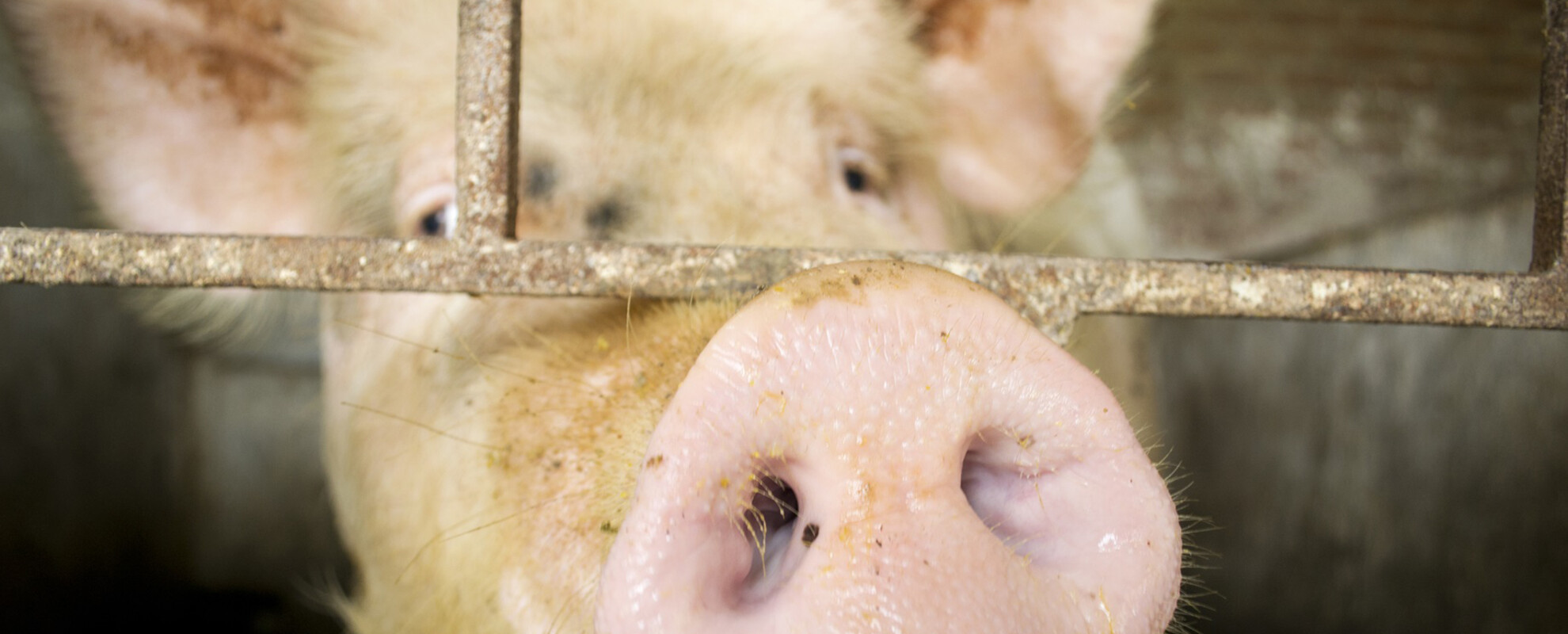
Analysis of African swine fever virus spread model and immune response to warthog against viral infection
African swine fever virus (ASFV) is the causative agent of African swine fever (ASF). ASFV is a devastating pathogen with a mortality rate up to 100% in infected pig herds. The virus, endemic in Africa, re-entered the European continent in 2007 and since then it has been spreading not only in Europe, but also in Asia and more recently the Caribbean. This highlights the urgency of developing efficient countermeasures against ASF, since there is no worldwide available vaccine or treatment to control the disease. A live attenuated vaccine for ASF has been licensed recently in Vietnam, however its approval for commercialization in other countries is still a challenge.
Biosecurity and control of animal movement are also good measures to control the spread of the disease. However, there is an urgent need to thoroughly characterise the circulating ASFV strains in a region in order to apply the most effective control measures. With this objective in mind, this collaborative project between NIAS (South Korea), NIVR (Vietnam) and ILRI (Vietnam and Kenya) will evaluate (1) the spread of the Vietnam genotype II circulating ASFV strain (VNUA/HY/Vietnam) in a controlled environment (farm pens); (2) the minimum dose of the VNUA/HY/Vietnam ASFV strain causing disease when adminsitered orally (in the feed); (3) the transmission model among farms in Vietnam by means of surveillance; and (4) the mutation rate among different field ASFV strains. All objectives will generate key information for stakeholders, policymakers, and other disease control actors to inform the control of this devastating disease.
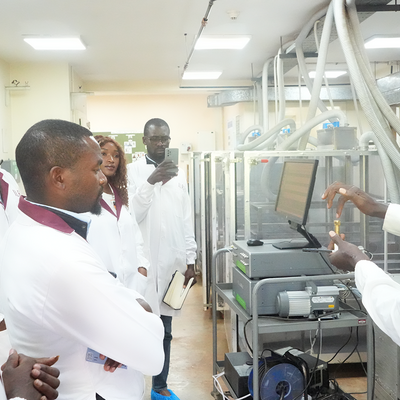
Furthermore, the project has an additional objective: (5) to compare the transcriptomic profile of warthog (resistant to disease) cells after ASFV in vitro infection with domestic pig (susceptible to ASF) cells. Despite the lethality of ASF in domestic pigs and European hog; African warthogs and bush pigs display tolerance to ASF. This remarkable capacity to survive an ASFV-infection is likely driven by a combination of genetic and environmental factors, but it has not yet been elucidated. Very little has been made to investigate the immune responses of African wild pigs to ASF. The research conducted at ILRI in Kenya, in collaboration with scientists from NIAS in South Korea, provides valuable insights into the natural mechanisms of protection against African swine fever. These findings will support the rational development of effective treatments and vaccines to combat this devastating disease.
Sang Ik Oh, a scientist from the Division of Animal Diseases and Health at the National Institute of Animal Science (NIAS), South Korea, and Hu Suk Lee, a former ILRI scientist and now a professor at Chungnam National University, South Korea, are the lead scientists who initiated the project.



Related Publications
Prevalence, quantification, and household-level risk factors associated with Salmonella spp. infection in chickens in Boussouma commune, Burkina Faso