By combining science, partnerships, and training, ILRI’s work on capacity development is helping countries strengthen their ability to respond to climate change, food insecurity, animal disease, and antimicrobial resistance.
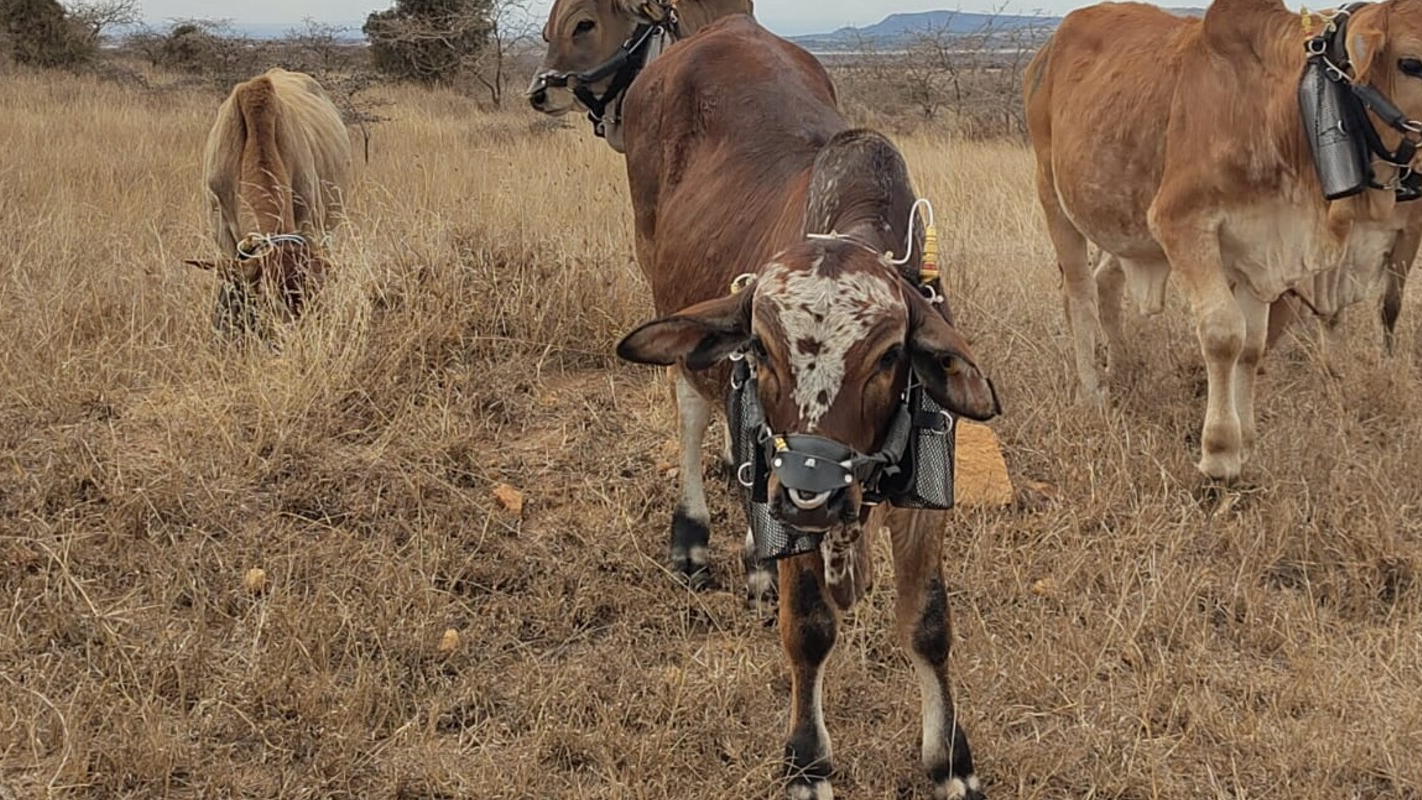
At the heart of this work is ILRI’s Mazingira Centre in Kenya. Through integrated laboratory, field, and modelling systems, the center helps African countries produce internationally recognized livestock greenhouse gas emission factors—estimates of how much pollution is produced by a specific activity—using locally measured data. Collecting Africa-specific field data is essential for accurately representing the continent’s livestock systems in global climate models and for identifying the most effective mitigation options.
“Mazingira really backstops a huge shift in being able to manage your own affairs in terms of greenhouse gas accounting,” said ILRI lead scientist Anthony Whitbread.
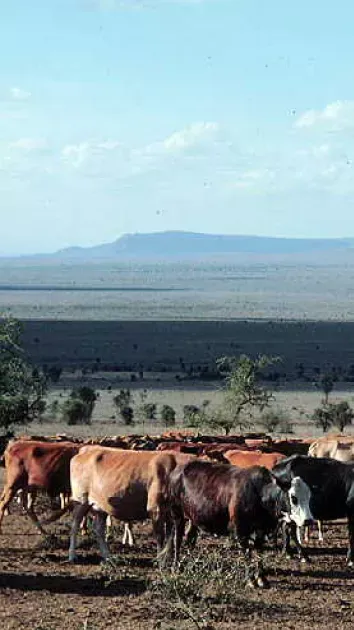
Recent studies tracking the emissions of almost 1,500 cattle across different production systems in Kenya, for instance, are helping improve the accuracy of national greenhouse gas inventories and climate reporting.
The center exists not just to create new knowledge, but also to share and retain it. Mazingira scientists train and supervise African Masters and PhD students, and run trainings for students from the Global North, too.
Also facilitating the exchange of climate knowledge between regions, the Africa-Asia Biosciences Challenge Fund fellowship, implemented by ILRI and its partners in 2026, brought together scientists from East Africa and Southeast Asia for training and discussions on climate-smart livestock systems, strengthening regional networks and south–south learning.
In addition, ILRI supports a growing ecosystem of science-policy platforms, including the African Group of Negotiators Experts Support (AGNES), set up to strengthen Africa’s voice in global climate negotiations. Notably, ILRI worked with AGNES to develop its climate negotiators leadership program, which has trained over 1,000 specialists to date.
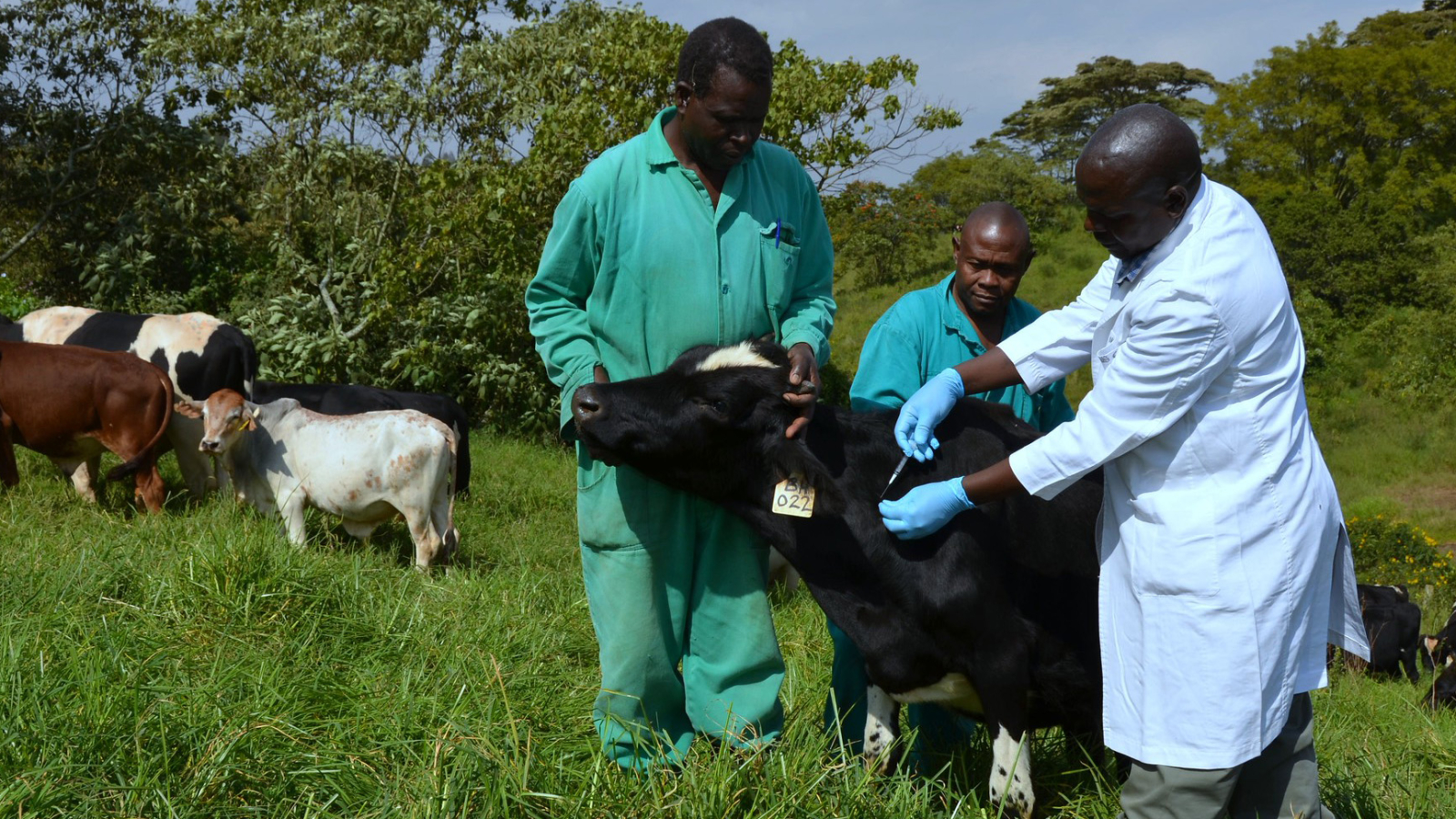
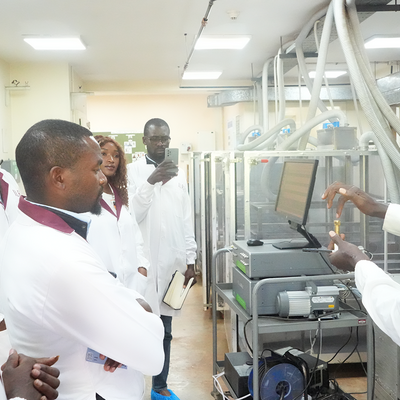
Beyond climate, ILRI has worked with Kenyan authorities to address another pressing challenge: the spread of antimicrobial resistance. By furnishing eight labs with better equipment and training animal health officials in 18 counties, ILRI has helped ensure that Kenya has the infrastructure, skills, and knowledge needed to understand and curb resistance.
climate experts
trained on long-term planning
and use of decision-support tools
delegates
from 50 countries joined the 9th
International Greenhouse Gas and
Animal Agriculture Conference
innovators
brought together for the
Second Climate Action
Innovation Hub
To overcome the livestock sector’s many challenges, the right people need to be in the same room and pulling in the same direction. For the past few years, ILRI has worked across the Global South to bring together diverse coalitions for change.
On its Nairobi campus, ILRI has established an Animal Health Innovation Hub for Africa with the French company Ceva Santé Animale. The hub focuses on vaccine development, data systems, technical transfer, and market intelligence for the continent, which loses nine billion US dollars each year to poor animal health. "This hub…will ensure that scientific advancements translate into real-world impact for African farmers," said Ceva Santé Animale Chief Executive Marc Prikazsky.
In October 2025, ILRI and the Norwegian Institute of Bioeconomy Research co-organized the 9th International Greenhouse Gas and Animal Agriculture Conference in Nairobi—the first time the event had ever been held on African soil. The conference drew scientists, development partners, policymakers, and practitioners from across the world to deepen shared understanding of livestock’s role in climate change.
“Bringing GGAA to Nairobi is a deliberate and significant move,” said Claudia Arndt, senior scientist at ILRI. “Developing countries’ livestock systems have been under-represented in global climate science.”
And in September, ILRI gave 70 climate innovators a stage at the Africa Climate Summit in Addis Ababa—trailblazers like Joyce Rugano, a Kenyan entrepreneur whose solar-powered device turns organic waste into affordable fertilizer for thousands of smallholder farmers, and Upendo Lyimo, a Tanzanian inventor whose satellite-based app helps pastoral communities plan around climate risk.
Getting these bright minds in the room with policymakers and investors has the potential to spark progress and hasten scale—both on the continent and further afield. When it comes to the challenges of climate change, said ILRI Director General Appolinaire Djikeng, Africa is “not just getting by,” he said.
“We’re innovating. And some of those innovations will go beyond Africa’s borders.”