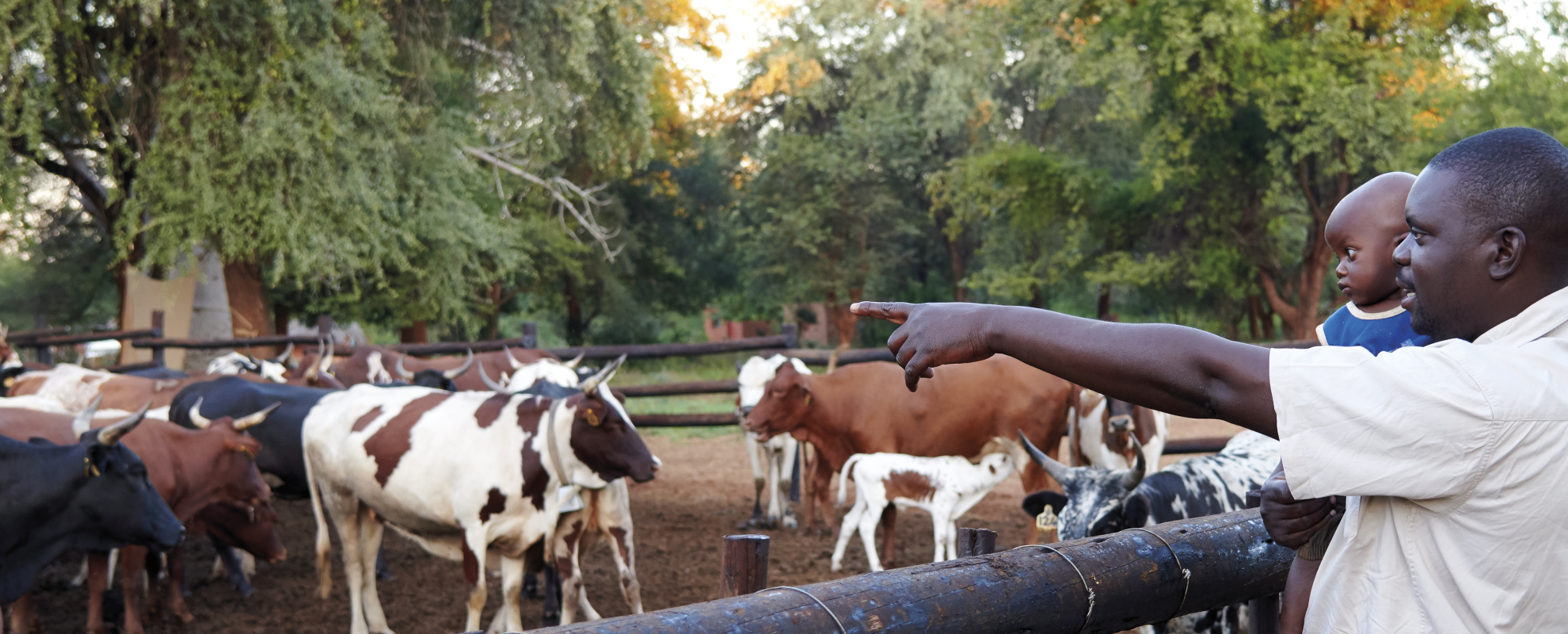
In close collaboration with pastoralists and farmers, ILRI is advancing climate innovations that can transform livestock systems across Africa and Asia—improving productivity, strengthening resilience, and reducing environmental impacts.
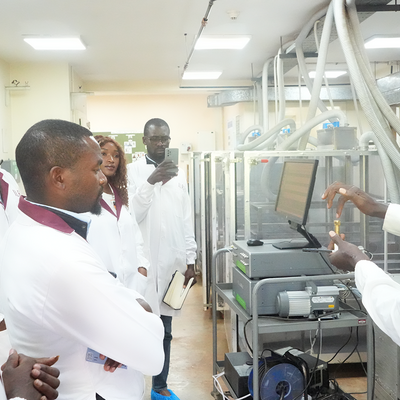
Improving livestock health boosts productivity, livelihoods, and food security—and it reduces greenhouse gas emissions per unit of milk or meat produced. That's why ILRI's efforts to prevent and treat common livestock diseases, such as mastitis, emerge as promising climate solutions. New research shows that eliminating mastitis in dairy herds could increase total milk production by 9.1% and reduce emissions per liter of milk by 4.8%.
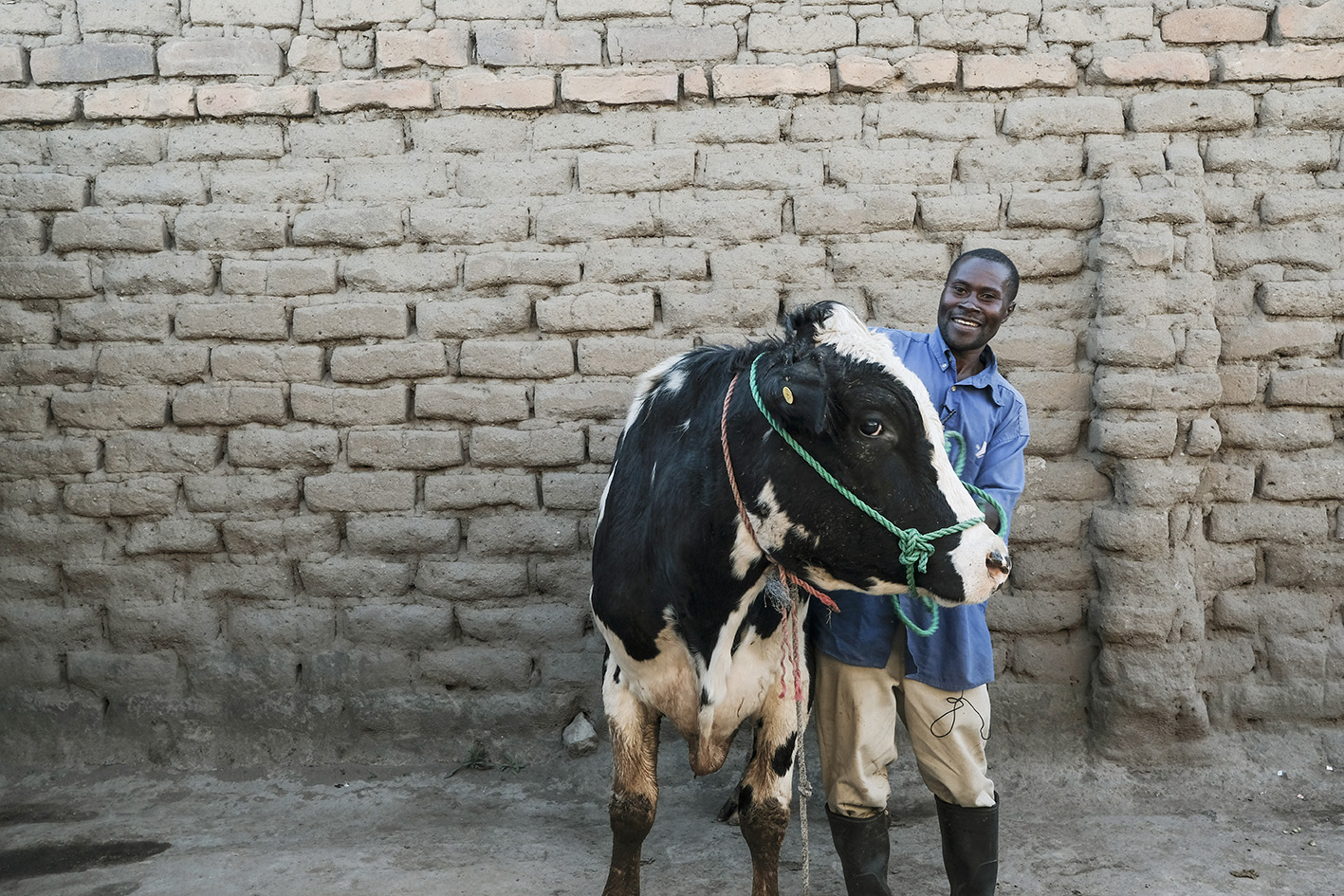
Along the same lines, via advances in livestock genetics, ILRI scientists have identified strong, resilient cows and bulls with the best chance of converting the least amount of feed into the most milk. Using these superior animals for breeding, farmers have already seen improved milk yields of 60 percent—again reducing net emissions.
“Nobody thought that this was feasible in a smallholder system... but we have actually seen that it works,” said ILRI principal scientist Raphael Mrode.
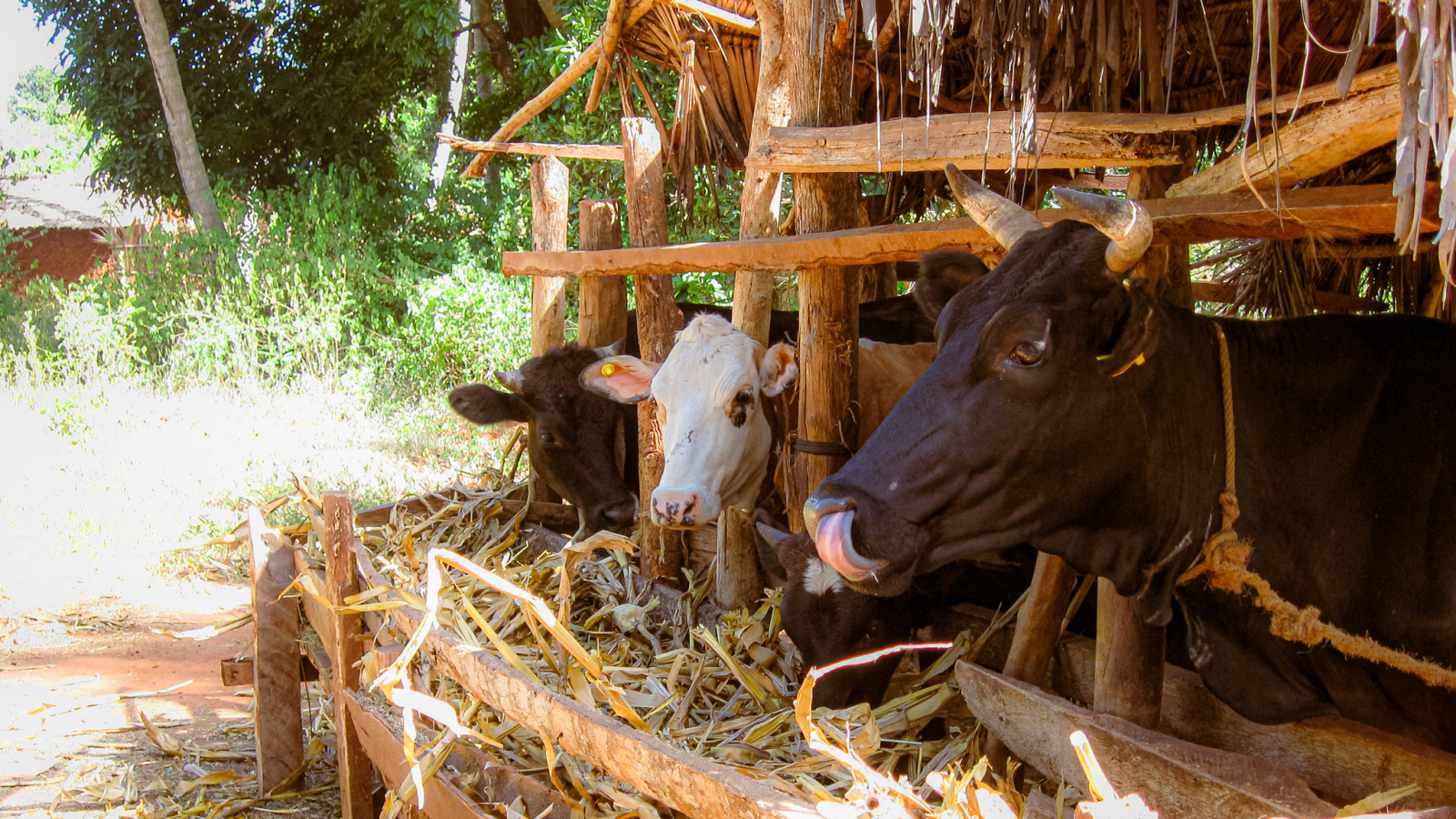
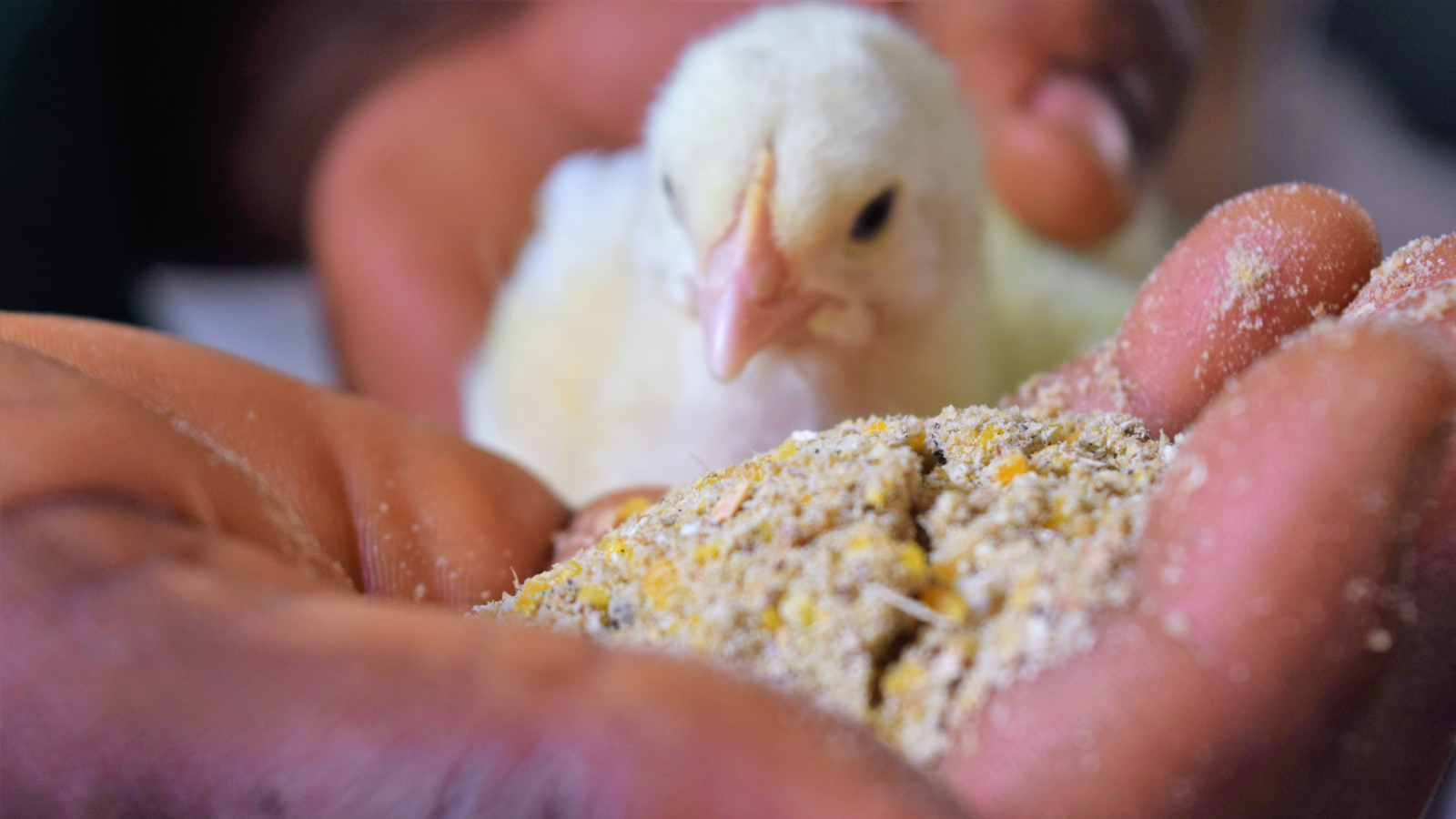
Providing animals with more nutritious feed is another way to increase productivity and lower emissions. ILRI and its partners are testing, validating, and scaling climate-smart feed and forage innovations with community participation. Radio programs and mobile voice messages in local languages have reached more than 130,000 farmers in Ethiopia, with timely information on what, when, and how to feed their livestock. Drought-tolerant, highly nutritious, and low-methane forages are particularly helpful—Burchell's clover, for example, has been demonstrated to lower cows’ methane emissions by around 80 percent compared with most other forages.
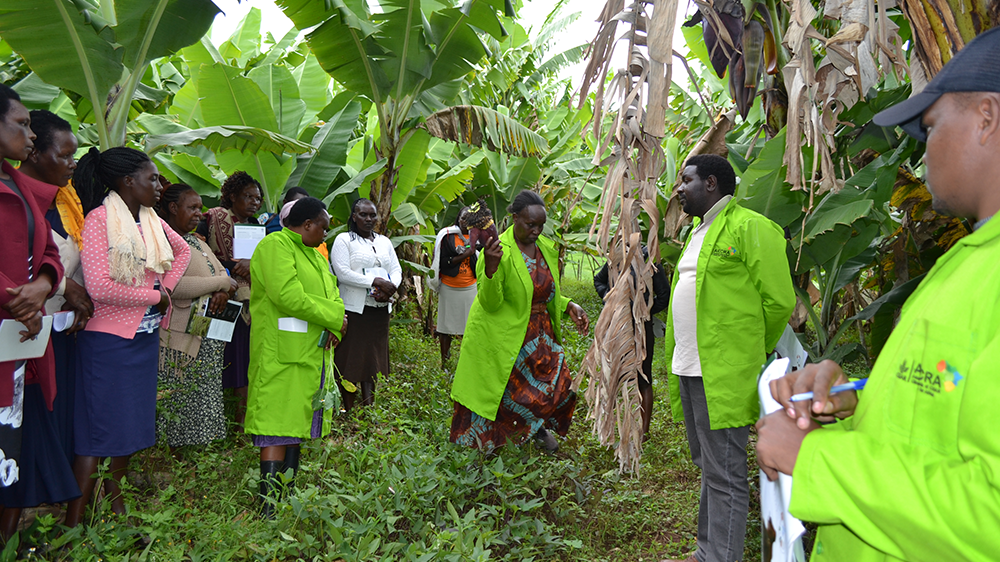
Finally, ILRI is working with and learning from those on the frontlines of climate change: farmers and adaptation pioneers who share locally developed climate solutions with their peers, showing the way to resilient livestock livelihoods as the climate changes.
farmers
supported by climate
information services
smallholders
introduced to
poultry solutions
farmers and
extension agents
benefited from feed
and forage innovations
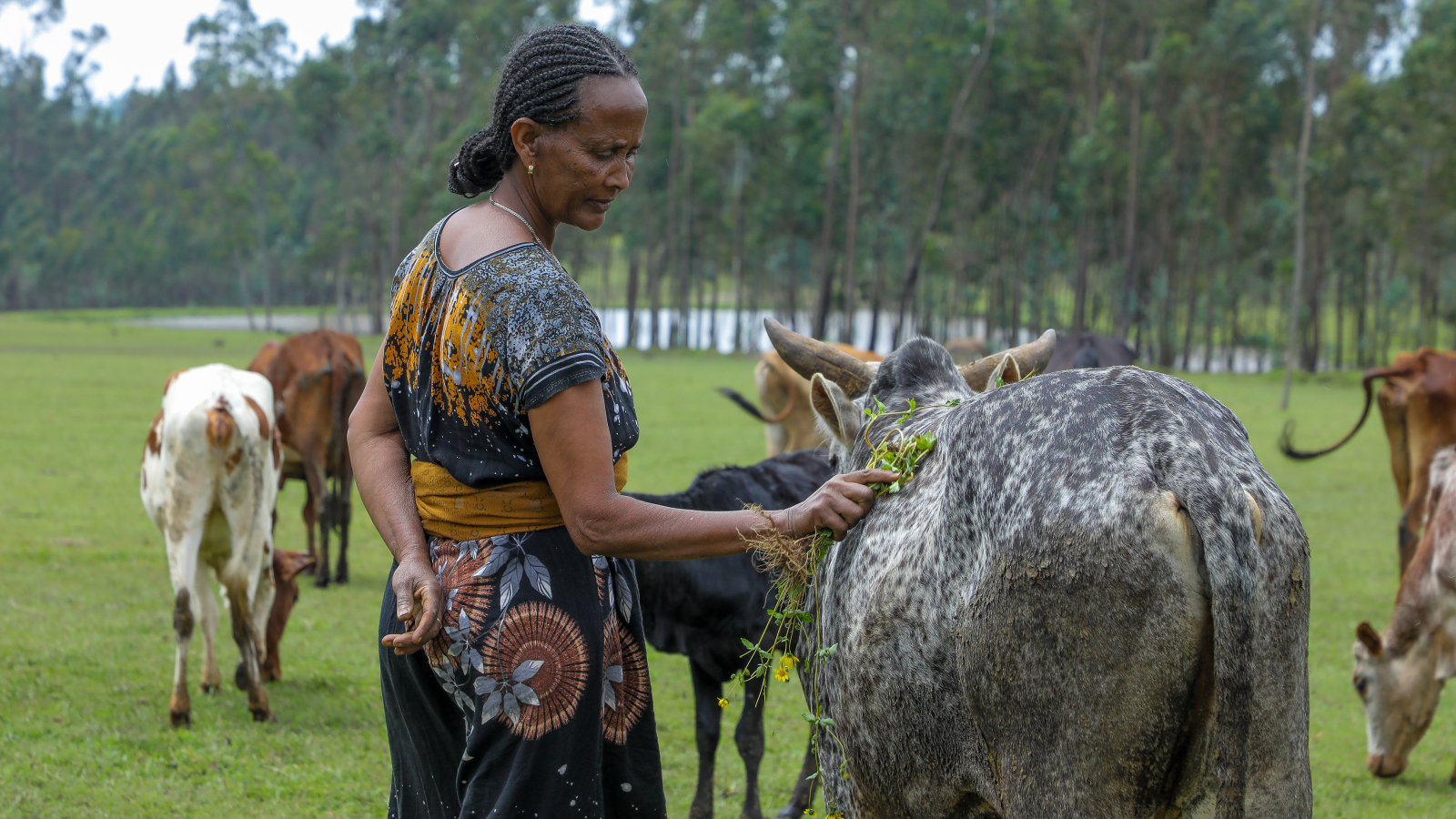
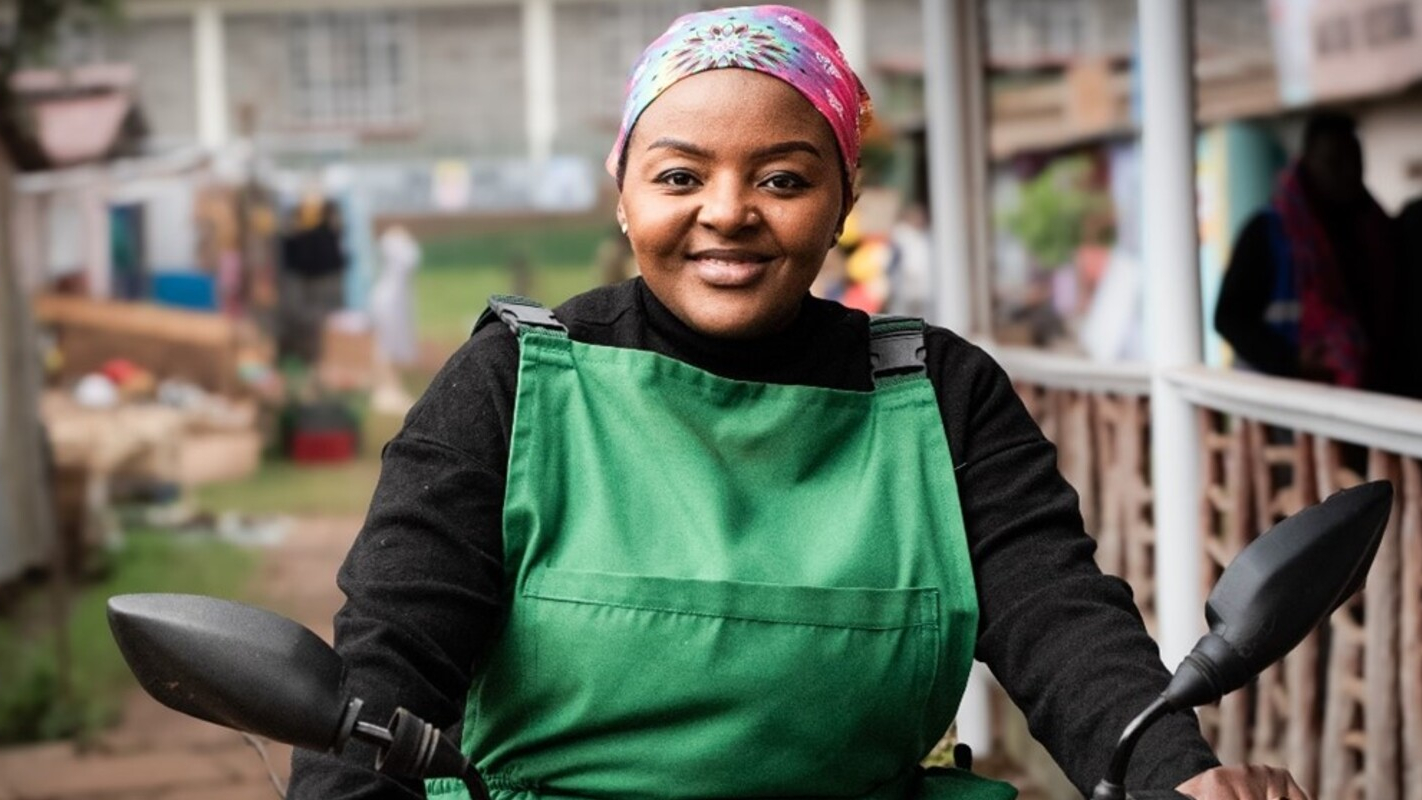
Women and youth are important players in smallholder livestock systems worldwide, but in many countries, they have less access to resources compared with adult men. They also face limiting cultural norms that determine the types of animals they can work with and own. ILRI research aims to address these challenges.
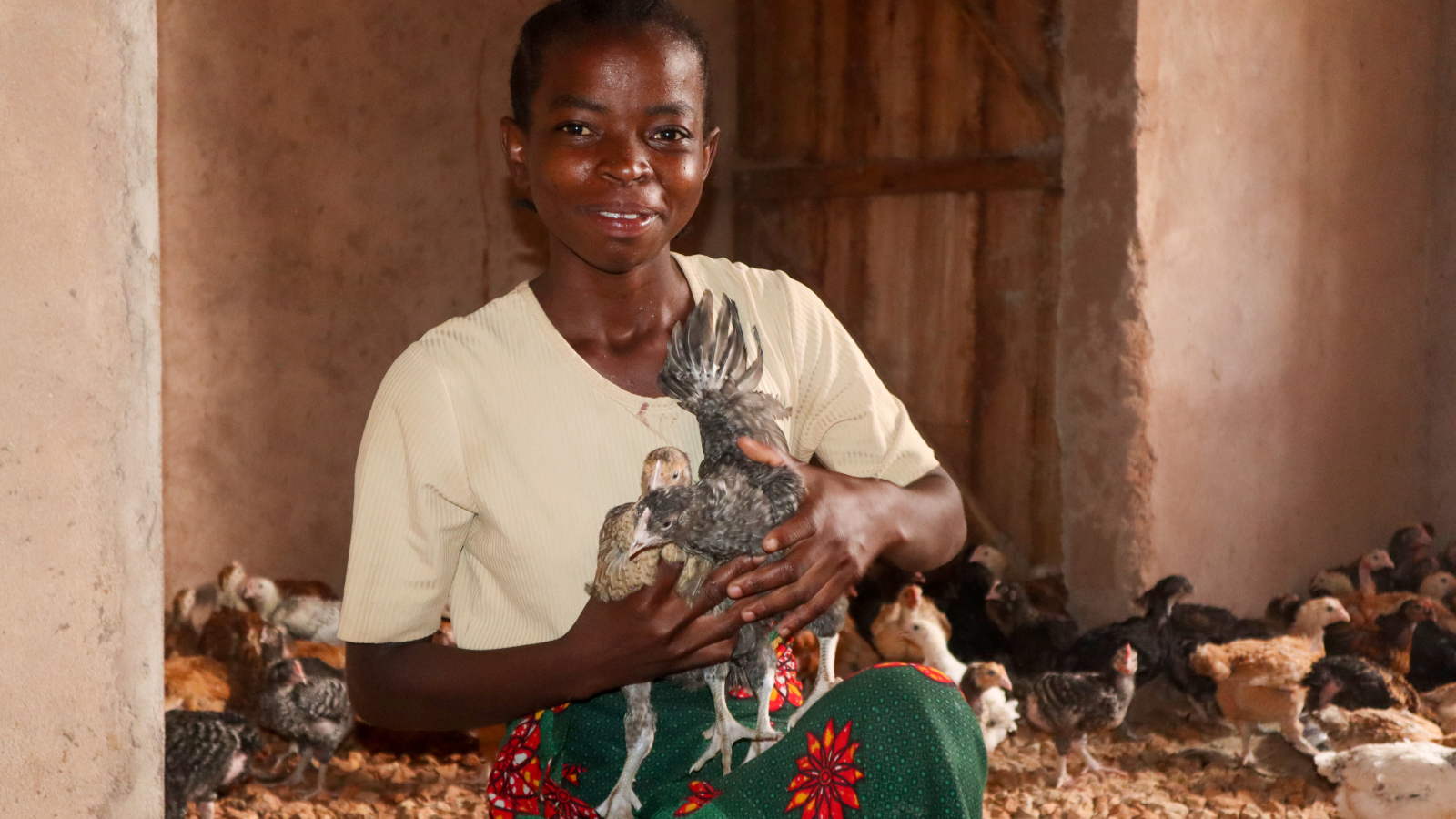
Chickens are often considered ‘women’s business.’ In Ethiopia, Nigeria, Nepal, Cambodia, Kenya, and Tanzania, chicken breeds developed by ILRI and partners have improved the livelihoods of 840,000 smallholders, many of whom are women or young people. These chicken breeds grow faster, lay more eggs, and flourish in smallholder farming systems. ILRI gender researchers also developed the “women in business” model to connect women chicken farmers from remote areas with women vets and para-vets, helping them access good breeds, animal health services, and markets.
In Nigeria, the High-Quality Cassava Peel innovation is transforming a waste product—cassava peels—into a cheap, safe, energy-rich ingredient that can partially replace maize in livestock feed. Low-capital business models developed through a participatory process
have created income opportunities for women and youth, who can integrate the innovation into their existing enterprises.
In Nepal, ILRI researchers and national partners co-designed the Village Livestock Promoter business model, aiming to bring livestock services closer to smallholder farmers in remote areas. The community members—both women and men—who were trained to work as Village Livestock Promoters gained new business skills and learned how to provide extension services on animal feeding, breeding, and health management.
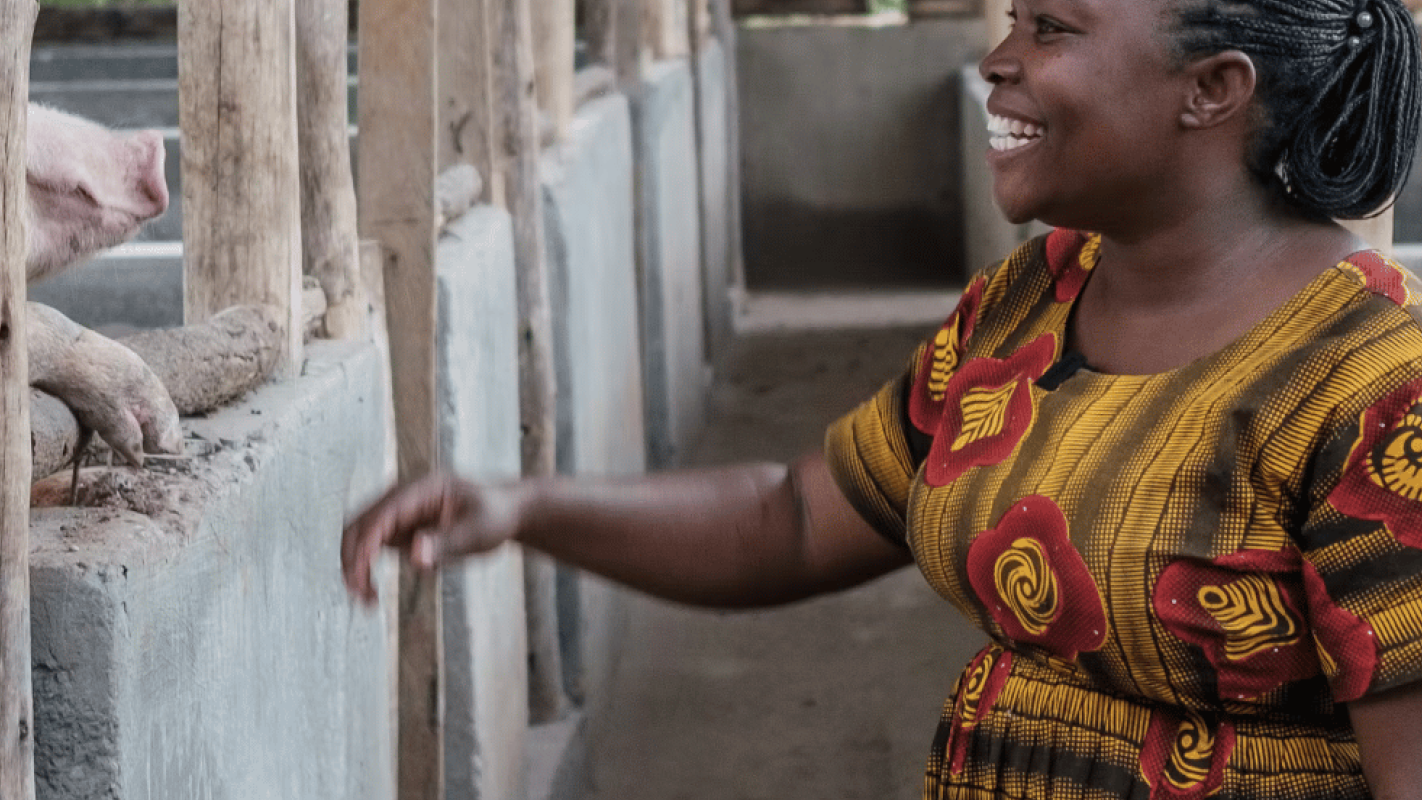
And in Uganda, ILRI-led interventions—including business mentorship and artificial insemination training—are beginning to remove systemic barriers for women and youth in the country’s fast-growing pig sector. Critically, the team also worked to transform restrictive gender norms, which required engaging both men and women in open dialogue, said ILRI gender researcher Esther Achandi.
“Religious, political and community leaders—people who often enforce these unwritten rules—must be part of the conversations and solutions”.
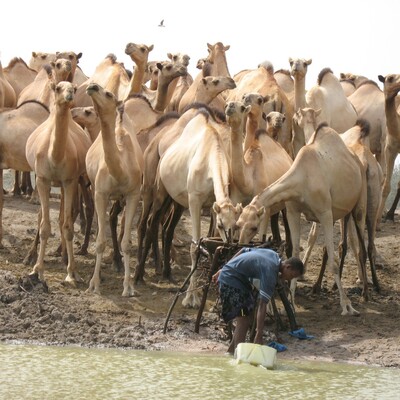
In northern Kenya and eastern Senegal, pastoral communities must navigate drought-prone rangelands. In rural Ethiopia, wheat farmers need localized advice on fertilizers, planting, and harvesting. With the right information, even people living in the most remote areas can make informed decisions about a range of livestock dilemmas—but the information has to reach them first.
In countries across Africa, ILRI and its national and regional partners are helping to improve connectivity and transform complex climate and livestock data into practical, accessible advice that communities need—and can trust.
Collaborating with governments, CGIAR centers, meteorological agencies, and private-sector innovators, ILRI has helped to set up national AgData hubs, which give farmers timely access to climate, rainfall, and pest advisories which are delivered via web portal, mobile app, text message, and telephone hotlines to more than 1.5 million smallholders.
In Ethiopia, the Ethiopian Digital Agro-Climate Advisory Platform reaches hundreds of thousands of farmers and herders. In Kenya, the national AgData hub has grown rapidly from 400,000 to 700,000 registered members in just two years, with text-message advisories on climate-smart agriculture estimated to reach more than five million people.
Also in Kenya, the KAZNET platform has pioneered a successful citizen-science model that shifts communities from passive recipients of climate data to active contributors. Pastoralist volunteers generate real-time information on grazing conditions, livestock health, water availability, and market status, which are shared via offline platforms to other herders and supporters.
In addition, ILRI is piloting an artificial intelligence-powered chatbot that supplies instant veterinary advice for livestock disease management — without the hallucinations.
“We wanted users to not just trust the answer, but explore the science behind it,” said ILRI system administrator Alan Orth. “Every response leads back to real scientific publications.”
Developed by CGIAR partners and Fahamu AI, an African tech innovator, the chatbot makes accurate agricultural knowledge rapidly accessible, and is linked to trusted digital systems such as CG Space, an online hub where anyone can find and download research and other outputs produced by CGIAR and partner institutions.