Over the past ten years, ILRI’s evidence-based advocacy has helped to shift the global narrative about livestock. For instance, ILRI and its allies successfully campaigned to ensure that the UN Declaration on Non-Communicable Diseases did not deny the world’s poorest people the nutritional benefits of milk and meat.
Along the same lines, ILRI and partners have championed fair and equitable ownership, access, and distribution of benefits linked to genetic resources such as local and Indigenous cattle breeds. This has meant collaborating with national governments, regional bodies, and research partners to inform global agreements on access and benefit sharing from digital sequence information.
These achievements are the product of deliberate, multi-year partnerships—including with surprising groups, like plant-based food advocates.
“You need to figure out who are the allies, and who is listened to,” said ILRI’s then advocacy lead Cynthia Mugo. “It has to be someone credible—people who enter rooms that we are not seated in.”
In other cases, ILRI has opened the doors to previously inaccessible policymaking spaces, enabling pastoralists and smallholders to make their voices heard. By supporting farmer representatives to participate in UN climate meetings, ILRI has helped progress discussions beyond emissions and toward a nuanced understanding of livestock’s role in climate adaptation, livelihoods, and equitable economic development.
At the regional level, ILRI has advanced sustainable livestock through close collaboration with the African Union to shape the Kampala Comprehensive Africa Agriculture Development Programme (CAADP) Declaration, moving livestock from a peripherical issue to a central pillar of resilient agrifood systems and nutrition security.
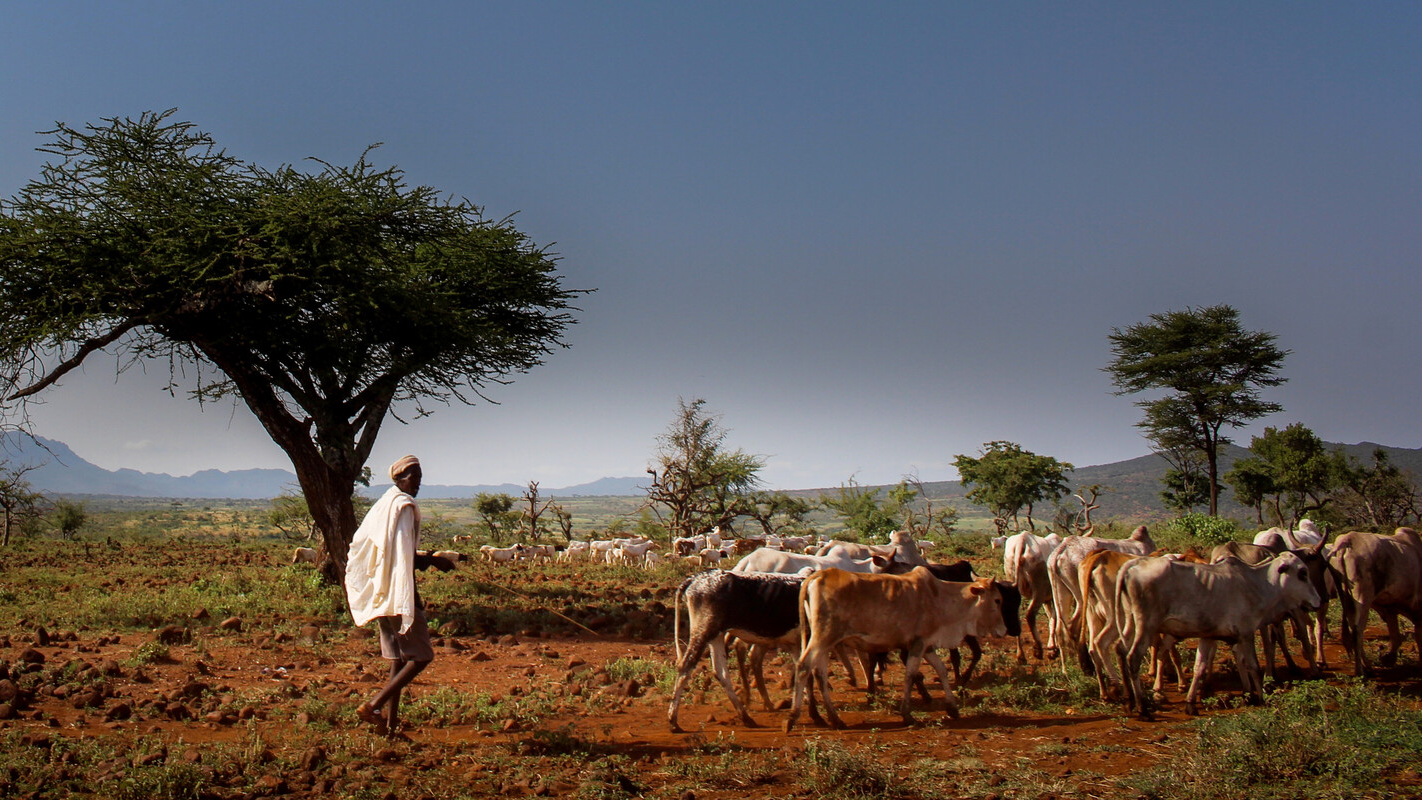
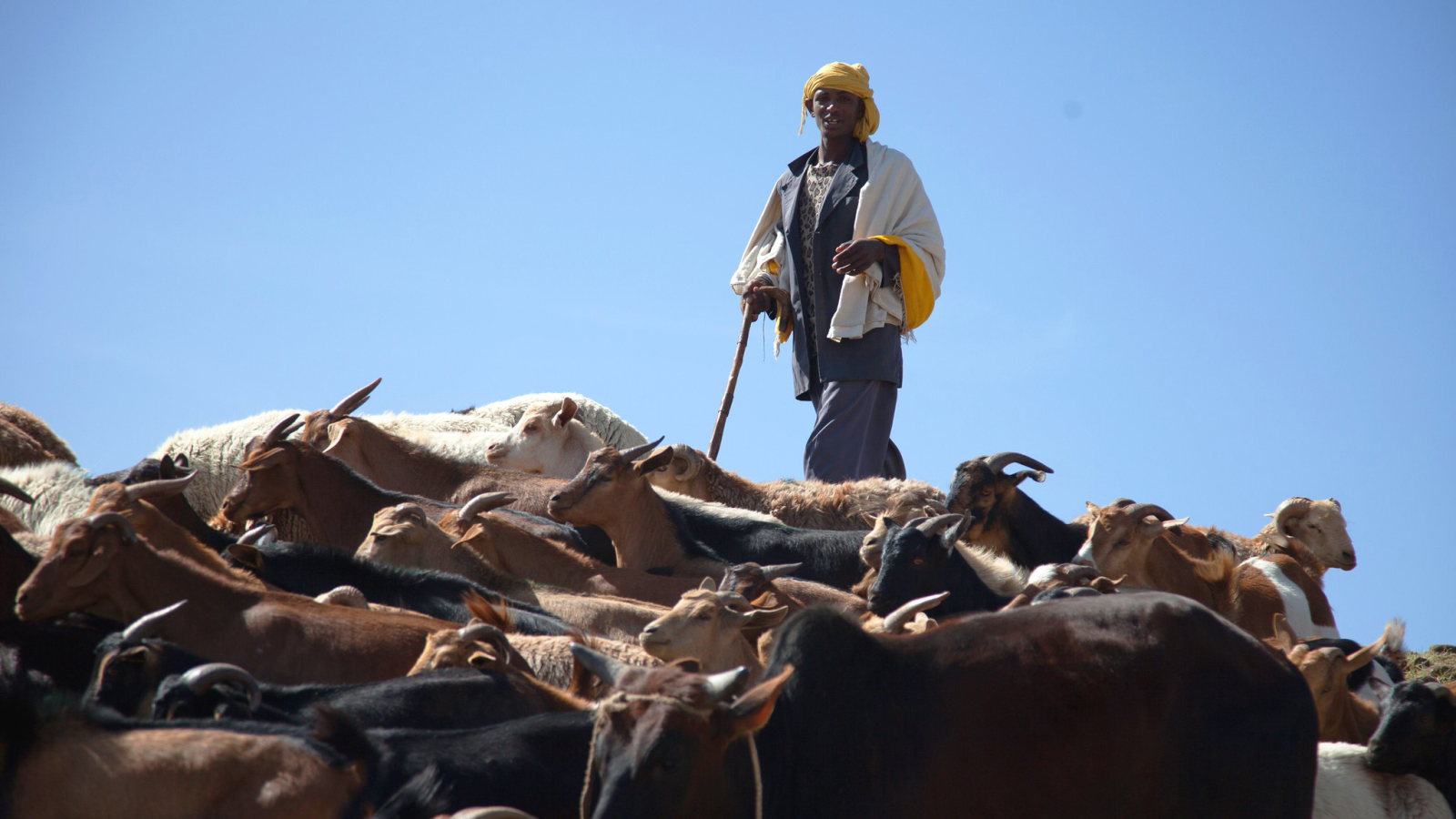
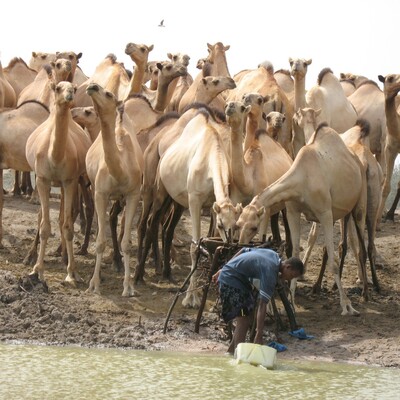
In East Africa, ILRI’s influence reaches beyond plans and policies: the Intergovernmental Authority on Development (IGAD) bloc of countries has already committed to scaling an ILRI-led approach—participatory rangeland management—across the region. “Healthy rangelands thrive when communities lead the way,” said Jacob Lekaitogo, the president of an ILRI-supported collective aiming to give young pastoralists a voice in policy dialogues.
hectares
under participatory
rangeland management
media articles
published
across 10 years
events
co-organized with
150+ partner
organizations
across 10 years
signatories
on open letter changed
UN declaration and
protected the role
of animal-sourced foods
ILRI works alongside national and sub-national governments to ensure that evidence informs policy choices, investment priorities, and practical action in the livestock sector. At the same time, by designing research with decision makers in mind, scientists produce evidence that is useful and fit-for-purpose, while giving government leaders the confidence to champion and lead livestock transformation.
National Livestock Master Plans have emerged as a defining example of this approach. Developed in close collaboration with national ministries in Ethiopia, Tanzania, and Madagascar, and now underway in Nigeria, these five-year plans help governments to structure sector priorities, identify high‑impact value chains, and channel public and private finance to where it can improve production and food security.
Nigerian Minister of Livestock Development Idi Mukhtar Maiha said the country’s Livestock Master Plan “addresses the challenges of the sector head-on” and will help boost economic sustainability while attracting targeted investments in the livestock sector. Building on lessons from other countries, Nigeria’s plan is expected to strengthen
coordination across institutions and improve the alignment between policy and investment.
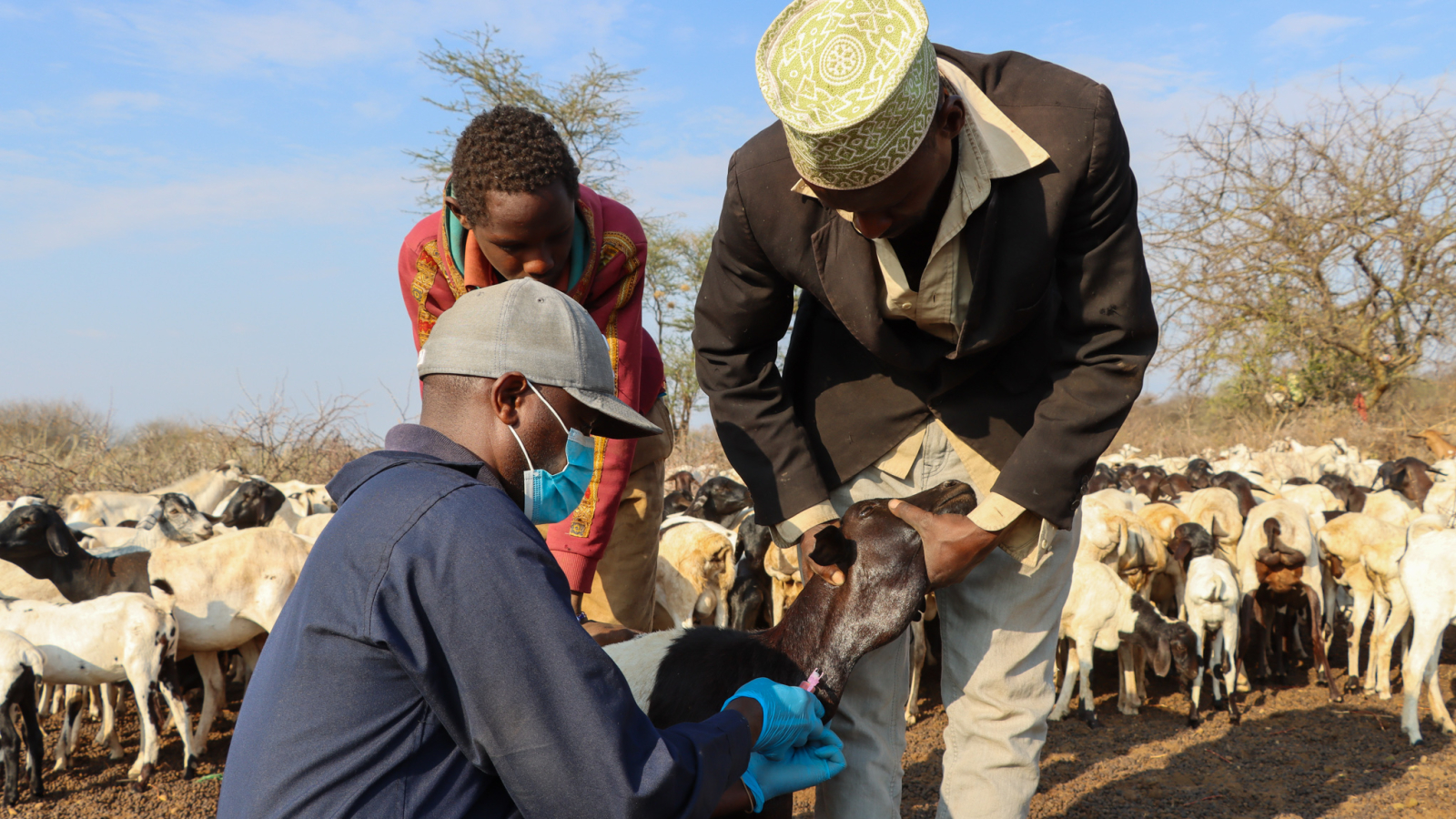
In Ethiopia, ILRI is accompanying national authorities in their efforts to transform the food system—including through a national monitoring framework, an investment guide, and a dairy sector platform—while in Kenya, ILRI contributed scientific expertise to combat Rift Valley fever. In addition, the African Union Inter-African Bureau for Animal Resources (AU-IBAR) used ILRI’s evidence to guide livestock investment decisions in Nigeria and Cameroon.
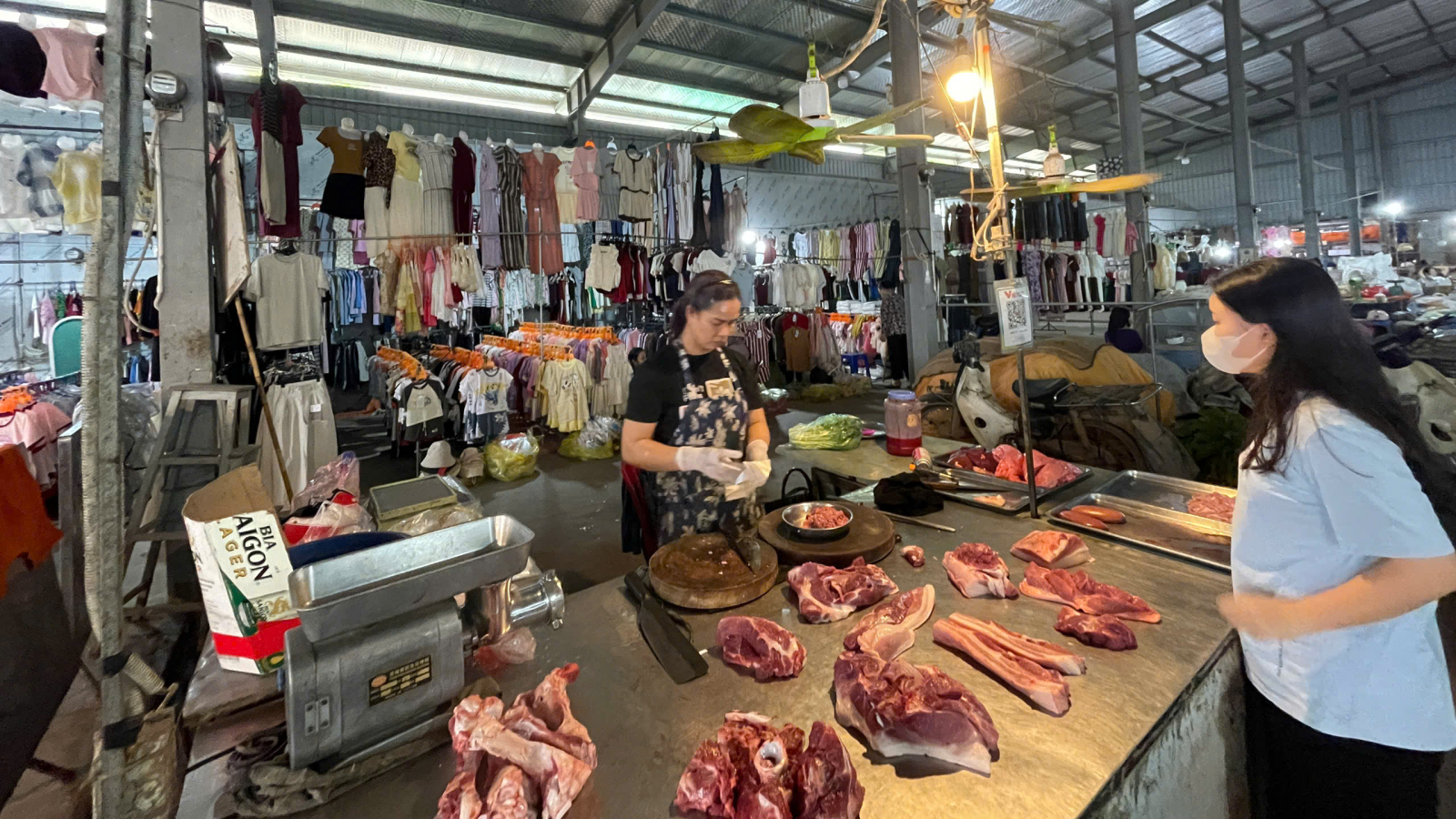
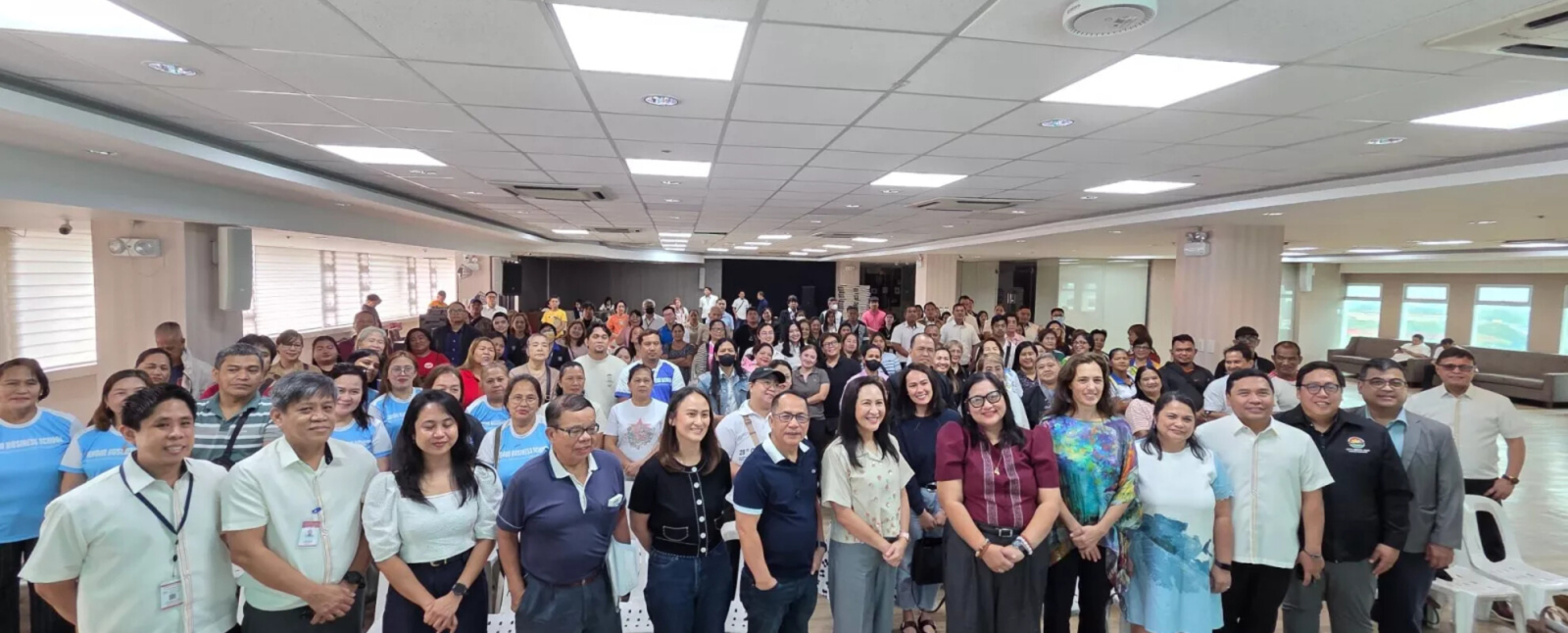
ILRI’s influence is also visible in provinces and cities. In Vietnam, simple, ILRI-supported hygiene improvements in slaughterhouses have made food safer for consumers and are now being scaled by provincial authorities as standard practice. In the Philippines, ILRI-supported research enabled Quezon City to support food vendors through the Vendor Business School, scaling a pilot initiative into a citywide program that strengthens vendor livelihoods, food safety, and urban food systems.