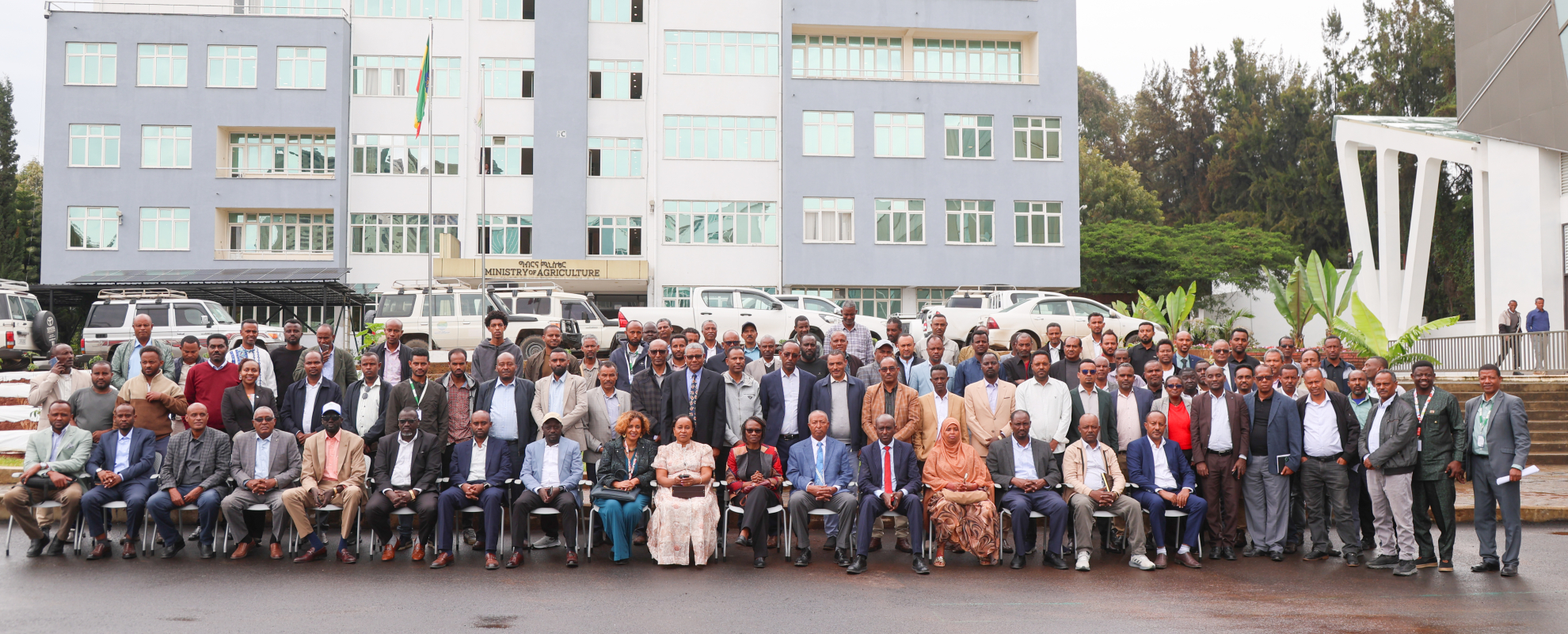
From crisis to infrastructure: Ethiopia launches Ethio-Seed Hub to strengthen food systems planning and transformation
The Ministry of Agriculture has taken ownership of a national digital platform that brings seed demand and supply information together, alongside a new publication documenting the mapping and digitalization of Ethiopia's seed system
Ethiopia has officially launched and taken ownership of the Ethio Seed Hub, a web-based platform designed to improve access to timely information on seed demand, supply and distribution. The Ministry of Agriculture received the platform at a ceremony in Addis Ababa that also marked the launch of the “Mapping and digitalization of the Ethiopian seed system” publication.
The platform grew from a CGIAR response to disruptions exposed by the COVID-19 pandemic under the then CGIAR Agriculture for Nutrition and Health (A4NH) collaborative research program. Under A4NH, the International Livestock Research Institute (ILRI) coordinated the work, the International Center for Agricultural Research in the Dry Areas”(ICARDA) led seed-system mapping, and the Alliance of Bioversity International and CIAT (CIAT Biodiversity) led digital tool development. Initial mapping focused on wheat and onion value chains, before expanding to cereals, pulses, oilseeds, vegetables, fruits, roots and tubers, and forage seeds.
The Hub was developed through a co-creation and consultation process, testing and national validation, and two rounds of training of trainers for seed systems actors from all the 12 regional states and two urban administrations of Ethiopia. The Hub’s responsive platform offers public and protected access. It provides a crop and variety catalogue; information on seed-system actors; seed supply by variety, class, producer and location; demand data at regional, zonal and woreda levels; marketing and distribution information; and seed balance sheets. Before the launch, the system received the required certification and approval from the ministry's information and communications technology team and Ethiopia's Information Network Security Administration.
Information connected to national priorities
In her keynote address, Namukolo Covic, head of the CGIAR Liaison Office for Africa and the ILRI director general's representative to Ethiopia, placed the Ethio Seed Hub within Ethiopia’s broader food systems and nutrition agenda. She said the launch was about strengthening national capacity to transform agrifood systems. She emphasized how the hub could contribute across all seven clusters of Ethiopia's Food Systems Transformation and Nutrition (EFSTN) roadmap.
“A functional seed information system supports food availability, dietary diversity, evidence-based policy, climate resilience, efficient markets, natural-resource stewardship and stronger food-systems governance,” said Covic. “Farmers need the right seed in the right place and at the right time. Government, researchers, seed producers, cooperatives, regional authorities, investors and development partners also need a common evidence base to guide planning and strengthen accountability.”
She also highlighted that the hub includes information on forage seeds used to grow feed for livestock. Ethiopia’s crop and livestock systems must advance together, she said: improving livestock productivity requires better feed, and producing better feed requires access to suitable forage seeds. By supporting this connection, the hub can contribute to Ethiopia’s Yelemat Tirufat livestock development agenda and Green Legacy development priorities. Access to climate-adapted crops and forage varieties can also help farmers strengthen resilience to changing climatic conditions.
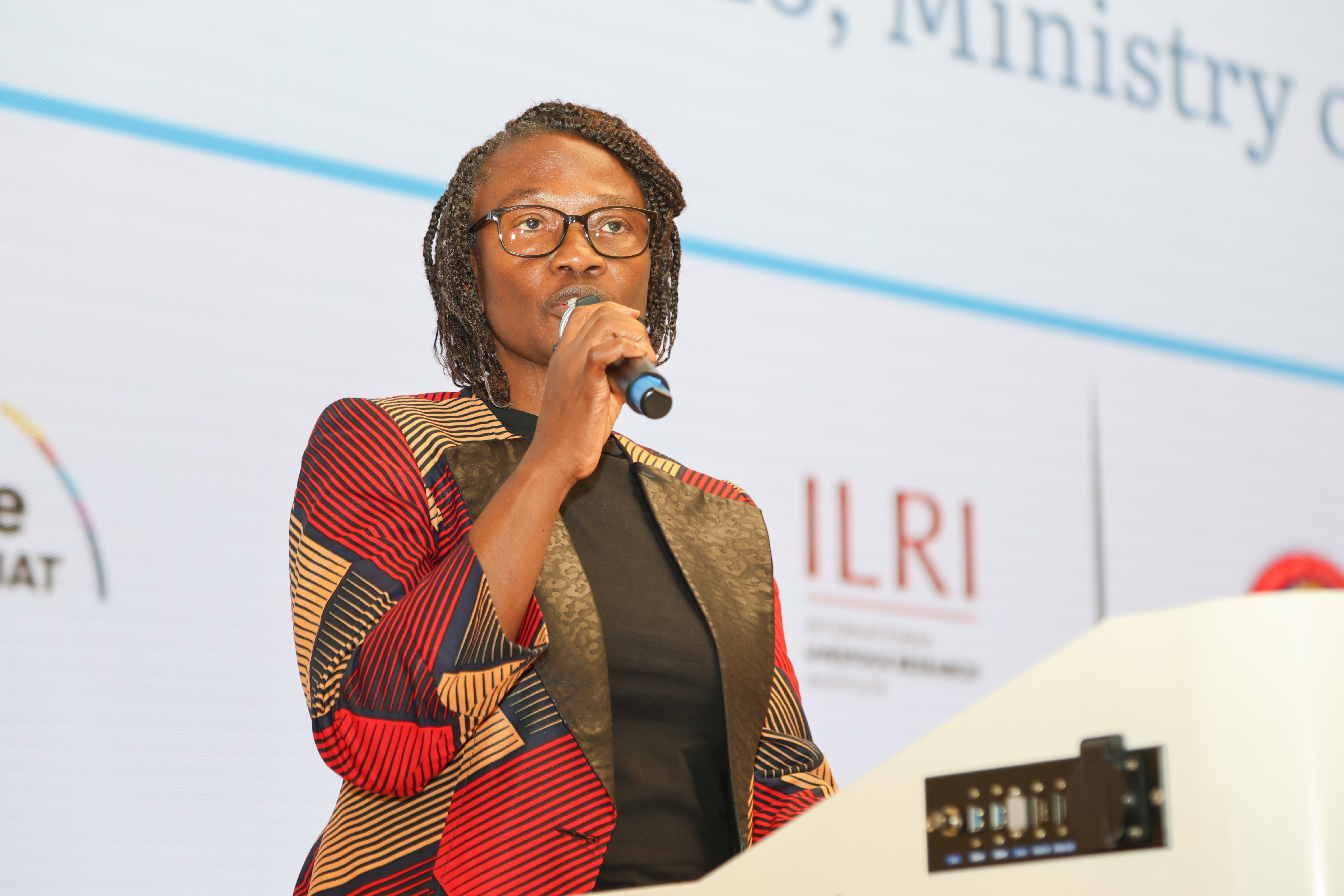
Covic emphasized that digitalization must answer practical questions about where seed is available, where demand is emerging, where gaps exist and how institutions should respond. "The success of this hub must not be measured only by the technology itself,". The more meaningful measures of success will be whether farmers gain access to seeds, diverse and nutritious foods become more available, markets work more efficiently, livestock producers obtain improved forage seeds and decision-makers act on better information.
National ownership and operational use
Ato Abera Lemma, representing the state minister for investment and agricultural inputs at the Ministry of Agriculture, said the hub was developed to bridge information gaps by supplying accurate and timely data that can improve farmers' access to quality seed. He described seed as central to agricultural production and a strong seed system as essential to raising productivity and strengthening food security. Farmers, he said, need reliable information on which seeds are available, where and when they can obtain them, the quantities in stock and the volumes required for production.
Abera called on Ethiopian regional governments, research institutions, universities, seed producers, private-sector actors and development partners to support the implementation of the hub, noting that success will depend on sustained commitment across Ethiopia's seed sector.
Other contributions addressed the platform's path from concept to national use. Degifie Tibebe of the Alliance of Bioversity International and CIAT traced its genesis. Ato Anteneh Legesse, the Ministry's Lead Executive for Information Communication and Technology, discussed institutionalization and operations; Melkamu Beyene of Addis Ababa University demonstrated its main features; and Ato Tefera Zeray, Seed Systems Advisor to the Ministry, addressed enforcement and use.
A panel moderated by ILRI’s Getachew Legese explored implementation priorities for the Ethio-Seed Hub, with panelists highlighting its value and their readiness to support regional adoption. An Oromia Regional State representative outlined plans to raise awareness and build capacity at different administrative levels, supported by a robust monitoring and evaluation system to promote effective use. A representative of the Ethio-Seeds Partnerships Project called for dedicated staff at regional and woreda levels, as well as at major seed production and distribution points, to oversee implementation. He also pledged the project’s technical and implementation support over the coming year. The Deputy Head of the Amhara Regional State Bureau of Agriculture reaffirmed the regional government’s commitment to implementing the hub as part of efforts to transform the seed sector and the wider agrifood system.
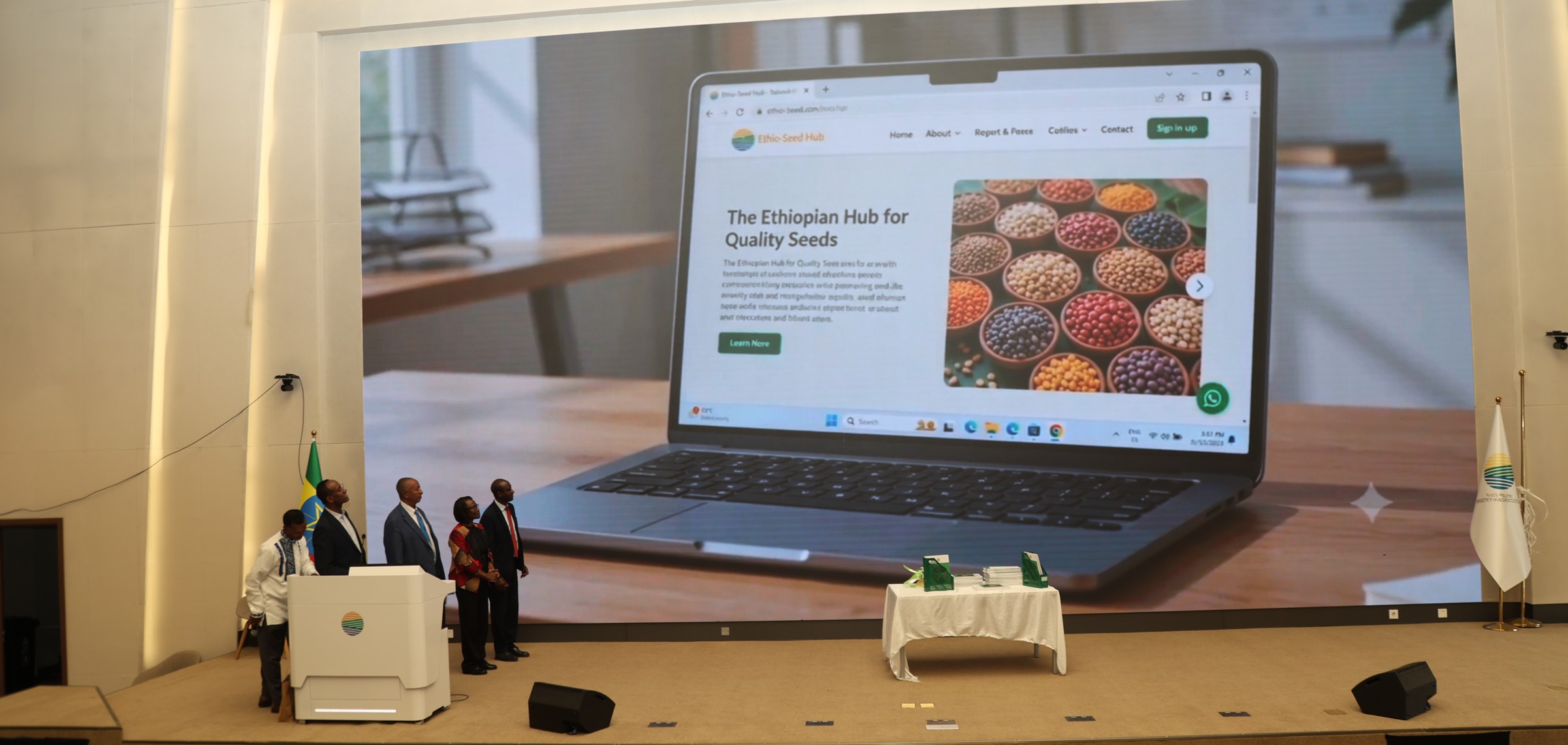
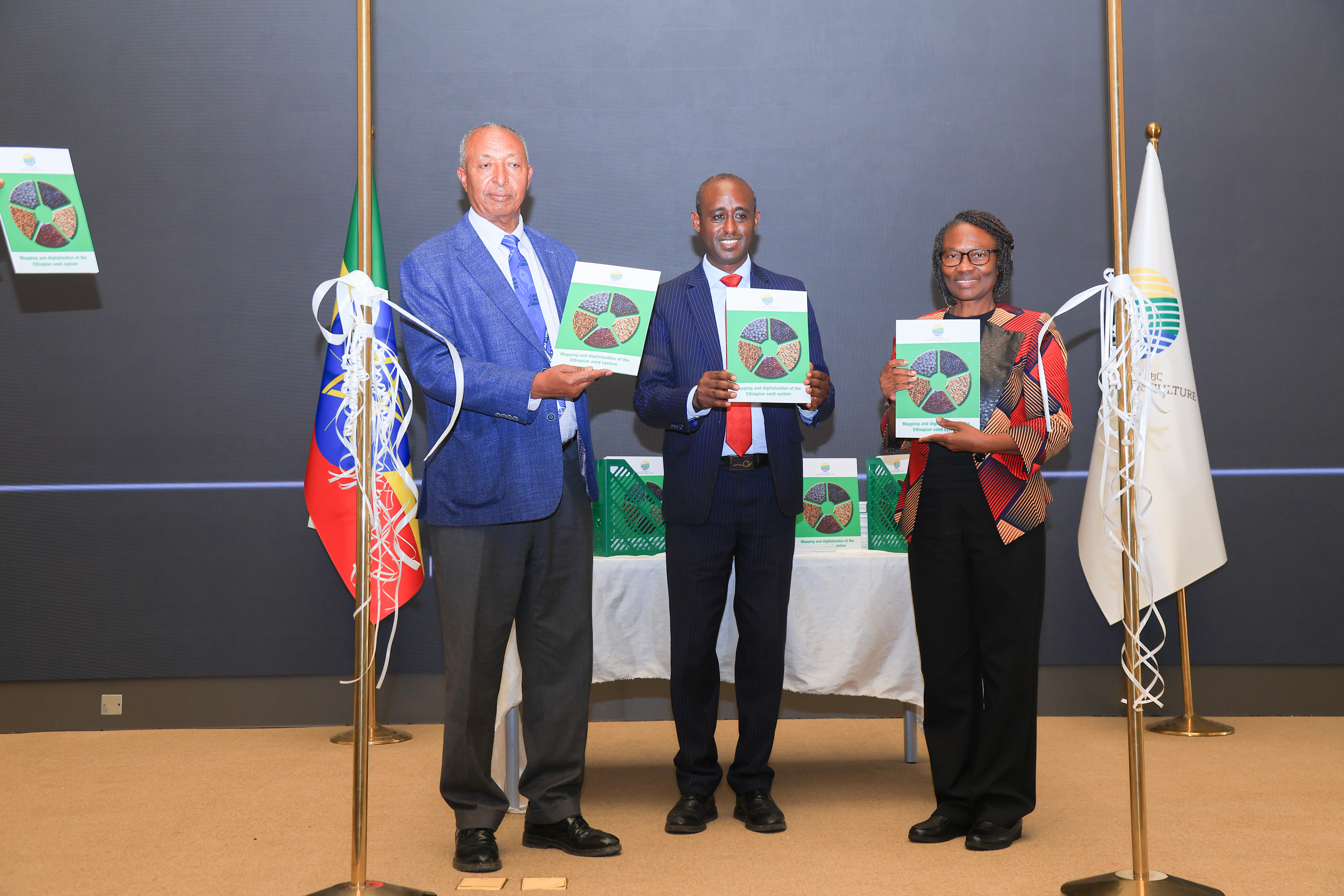
The event concluded with the launch of the mapping and digitalization publication and formal handover of the Hub. Getachew Diriba, Special Advisor to the Minister of Agriculture, received the Hub on behalf of the Minister from Dr Covic to made the handover on behalf of the partnership that worked together to develop and institutionalize it. the task-force members and participating institutions were recognized. National ownership now places emphasis on data population, user training, governance, maintenance and routine use of the system in seed-sector decisions.