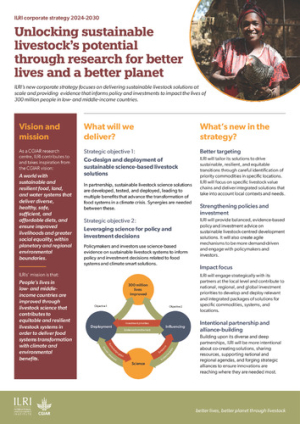
The heroes reviving rangelands from the ground up
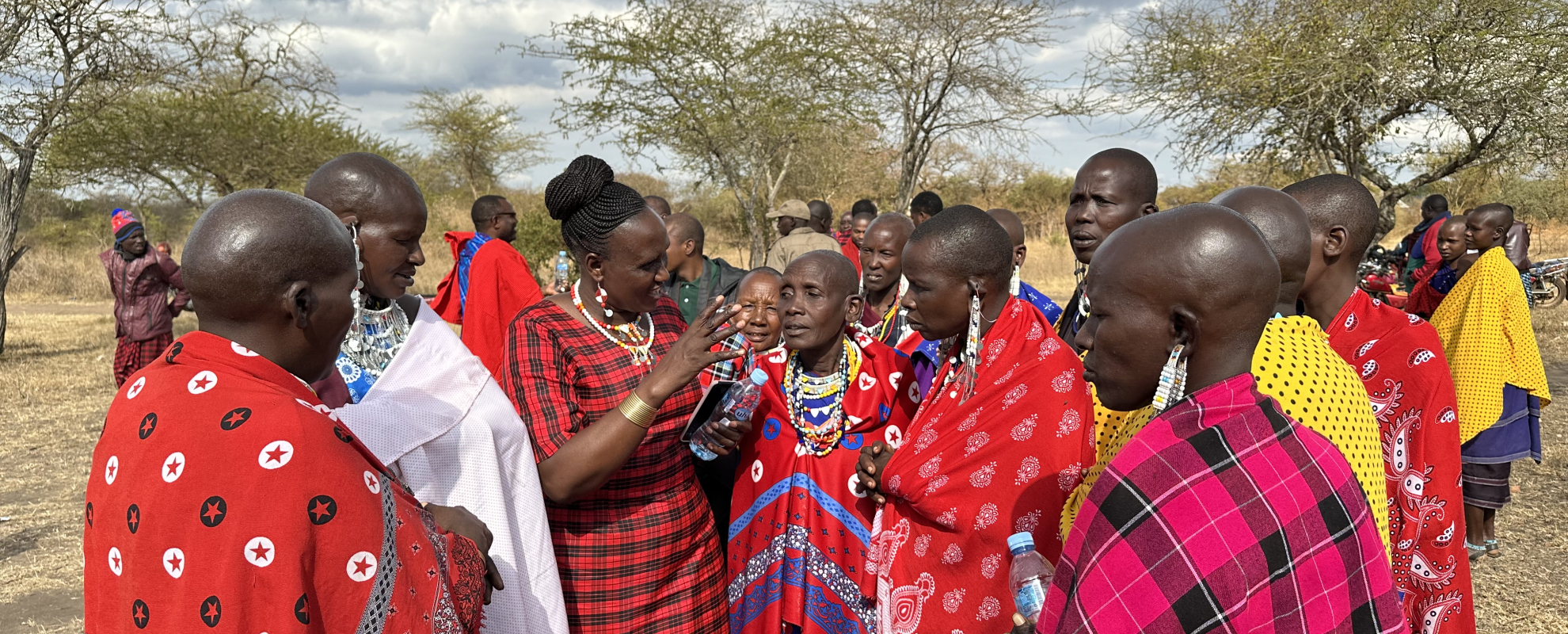
Paulina Ngurumwa, hailing from the Manyara region in Northeastern Tanzania, is by all measures a champion of women’s land rights. Working with a local NGO called KINNAPA, she is at the center of the management and restoration of more than 208,000 hectares of community grazing lands. Paulina is also building women’s confidence and capacity as leaders and increasing their involvement in community decision-making through the establishment of women’s resource leadership forums.
Across the world's rangelands, restoration is often led by determined individuals like Paulina and supported by communities who understand these landscapes better than anyone. They are the pastoralists restoring degraded grazing lands, the community leaders strengthening local governance, the researchers developing practical on-the-ground solutions, and the grassroots practitioners helping people and nature thrive together.
These are the Rangeland Restoration Champions, people and organizations whose dedication is helping restore landscapes across Africa, Asia and beyond.
‘’Recognizing these incredible individuals for their contribution of innovative solutions will kindle and motivate further in continuing their mission of serving to the society and protecting their lands.’’
Perumal Vivekanandan
Founder, Sustainable-agriculture and Environmental Voluntary Action (SEVA)

Local solutions with global relevance
Across three different landscapes, three rangeland champions have shown what real restoration looks like. Taken together, their stories point to a powerful lesson with global relevance: the most effective solutions often begin locally. Whether securing community land rights, building restoration enterprises, or equipping pastoralists with practical skills, these champions are demonstrating scalable approaches to restoring degraded lands, strengthening livelihoods, and increasing resilience to climate change.
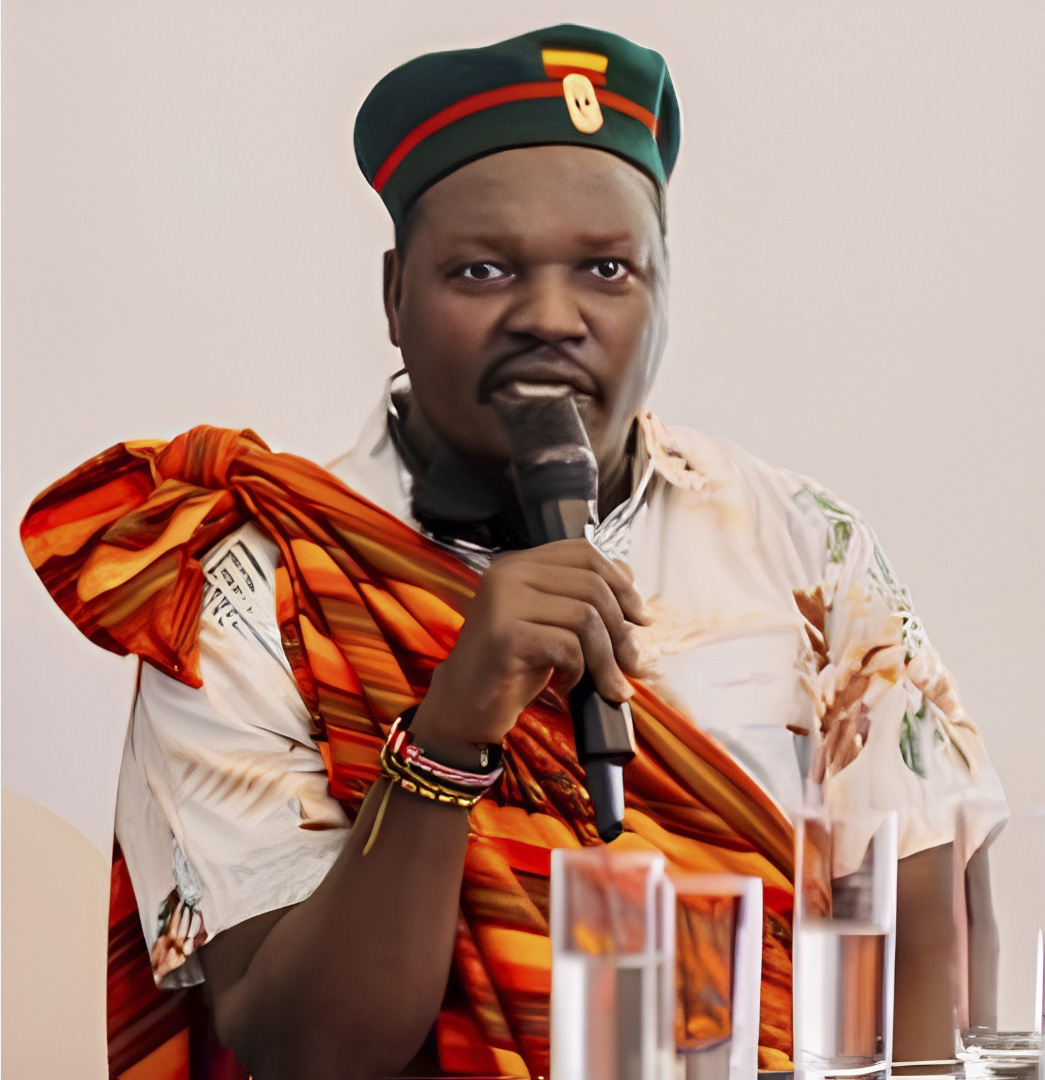
In the drylands of Rajasthan, India, Shri. Sumer Singh Bhati rallied communities across 20 villages to defend communal grazing lands from conversion and degradation. Through his grassroots mobilization, advocacy and key engagement with local authorities, Sumer managed to secure legal recognition for thousands of hectares of pastureland. Furthermore, as a firm believer in community stewardship, he helped restore large tracts of degraded grazing areas for his community in this part of Northwest India.
In Uganda’s Karamoja region, another champion is slowly reseeding and rehabilitating rangelands. Loupa Pius is a key local figure, helping pastoralists better understand pasture management, seed production and storage. As the coordinator of Rangelands Community Initiative Africa, he also trains communities on soil and water conservation, creating a model in which they become capable custodians of restoration. Thanks to his work, the region saw improved forage availability and greater resilience among livestock-dependent communities.
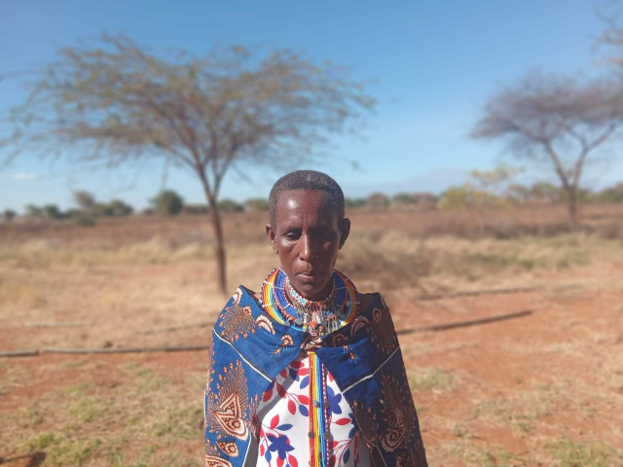
Across the border in Kenya is Saina Kutit, a remarkable woman whose impact on rangelands has generated both ecological and economic returns for her community. She did this with seeds at the core of her restoration campaign. She and her fellow community members replanted indigenous grass seeds and established community seed collections that created economic empowerment, particularly for women.
What sets these champions apart is that they started with a deep understanding of the land and the people who depend on it. Rather than relying on a universal approach, they draw on generations of local knowledge and wisdom, community stewardship and practical experience managing some of the world's most challenging environments.
Some have developed community-led grazing systems that allow vegetation to recover while maintaining livestock productivity. Others are restoring grasslands through collective action, protecting pastoral mobility routes, establishing grass banks, or tackling invasive plant species that threaten both ecosystems and livelihoods.
Their work shows that successful rangeland restoration does not always require large-scale infrastructure or expensive interventions. Often, the most effective solutions are those designed and owned by local communities themselves.
Investing in people working on the land
A common thread across many of the awardees is their commitment to building local leadership and strengthening community institutions. Community organizations are often the most trusted local institutions, so people listen closely to them on collective action, conflict resolution and setting up better systems for managing shared grazing lands. These social investments are just as important as restoring vegetation or improving soils.
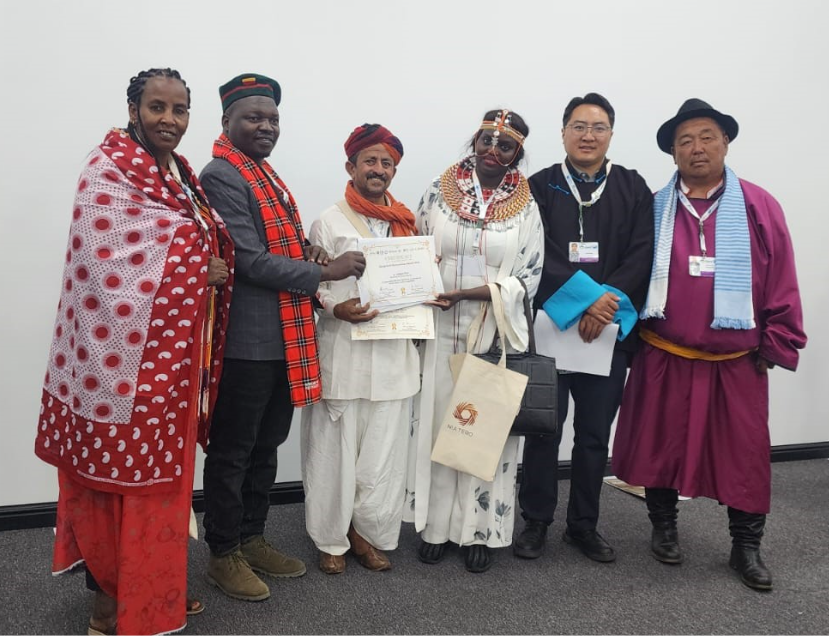
Recognition from Global Environment Facility (GEF)

Jean-Marc Sinnassamy
Senior Environmental Specialist
“One reason for developing the STELARR project was to strengthen the capacities of multiple stakeholders, from the global to the local level, involved in the restoration and sustainable management of rangelands. At UNCCD COP17, we had the opportunity to see the Rangeland Champions, especially young people, highlighting the power of local knowledge, women’s leadership, and strong community institutions. They were outstanding ambassadors for raising global public awareness of the importance of rangelands, and their participation in these global processes was a clear asset”.
For donors, this means supporting both landscape restoration and the local institutions that make it possible. The awardees’ achievements show that investing in community-led restoration delivers benefits that go far beyond healthier soils and vegetation, including stronger local institutions and biodiversity conservation.
As countries pursue ambitious targets for land restoration, biodiversity conservation and climate resilience, the experiences of these local leaders offer practical ways to reach those goals that are inclusive, cost-effective and sustainable.
Beyond recognition
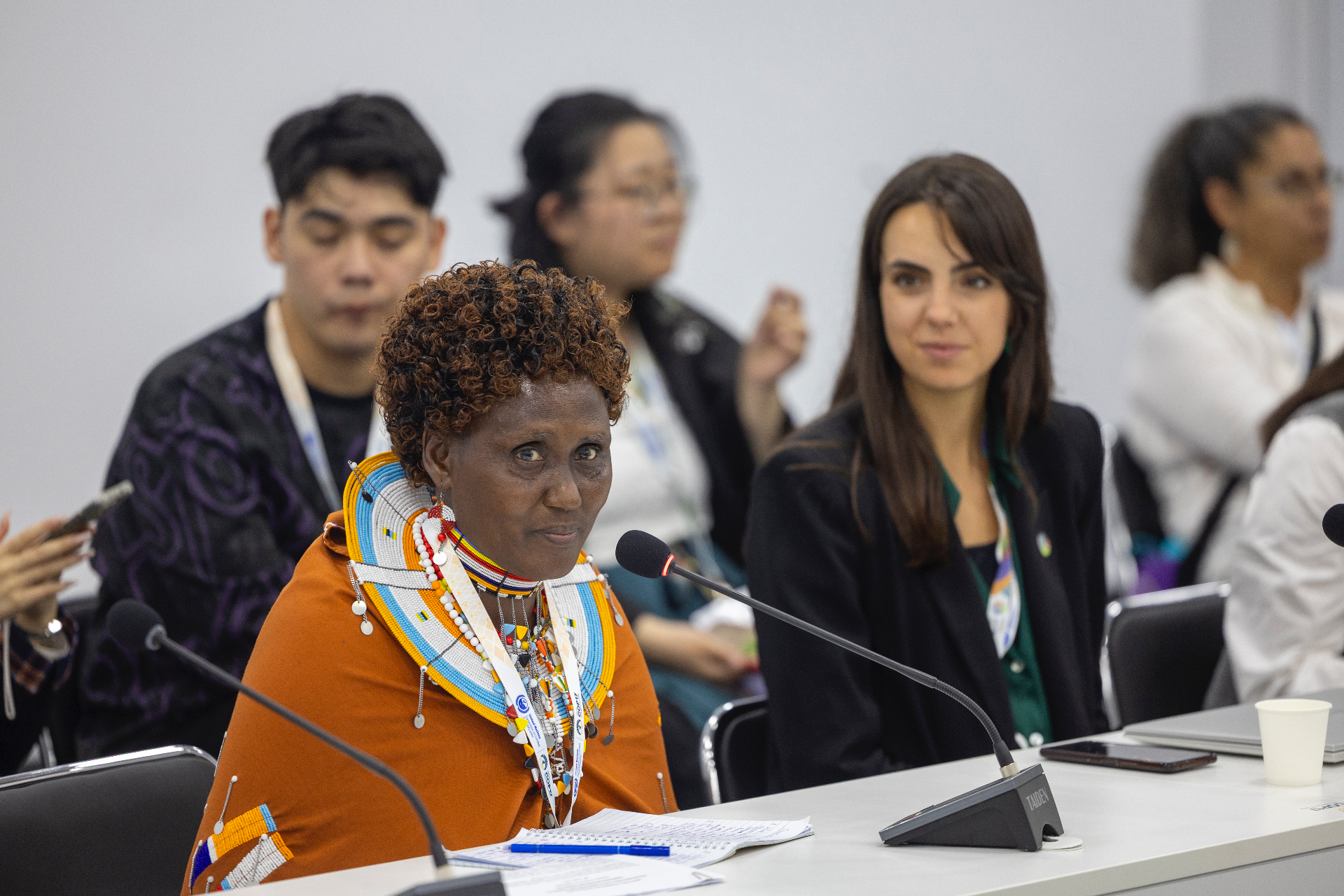
The work of these champions was recently recognized at the UNCCD COP17 in Ulaanbaatar, Mongolia. But the bigger opportunity is to help their successes spread further. What they often lack is the investment, policy support and partnership required to scale and reach more communities. These champions are more than success stories to be shelved. They are living proof that land restoration works, for people and their livelihoods, when it’s community-led, locally owned and supported over the long term.
This work is supported through a partnership between the STELARR (Sustainable Investments for Large-Scale Rangeland Restoration) project, led by the International Union for Conservation of Nature (IUCN) and ILRI and funded by the Global Environment Facility (GEF), the SEVA (Sustainable-agriculture and Environmental Voluntary Action), dedicated to supporting pastoralist communities across India, and the International Year of Rangelands and Pastoralists Global Alliance.
Further reading


Related Publications
High-Frequency Monitoring for Climate Resilience and Conflict Mitigation in Crop–Livestock Systems of Northern Nigeria: The KAZNET Approach
Mapping mobility barriers in pastoral rangelands: Assessing the impact of Prosopis julifloraon access to grazing and water resources