Waste from humans and animals is more than just a byproduct; it is a rich, underutilized source of public health intelligence. From tracking outbreaks of emerging zoonotic diseases to monitoring everyday infections and antimicrobial resistance, Biological Waste Surveillance (BWS) offers a cost-effective and timely approach to protect health and well-being across communities.
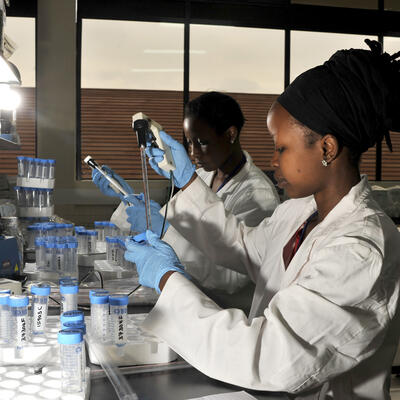
At ILRI, we are advancing a Biological Waste Surveillance platform that transforms human and animal waste into a lens for uncovering invisible health threats. Our approach supports both community-level and animal surveillance, using genomic technologies to identify pathogens and resistance signatures.
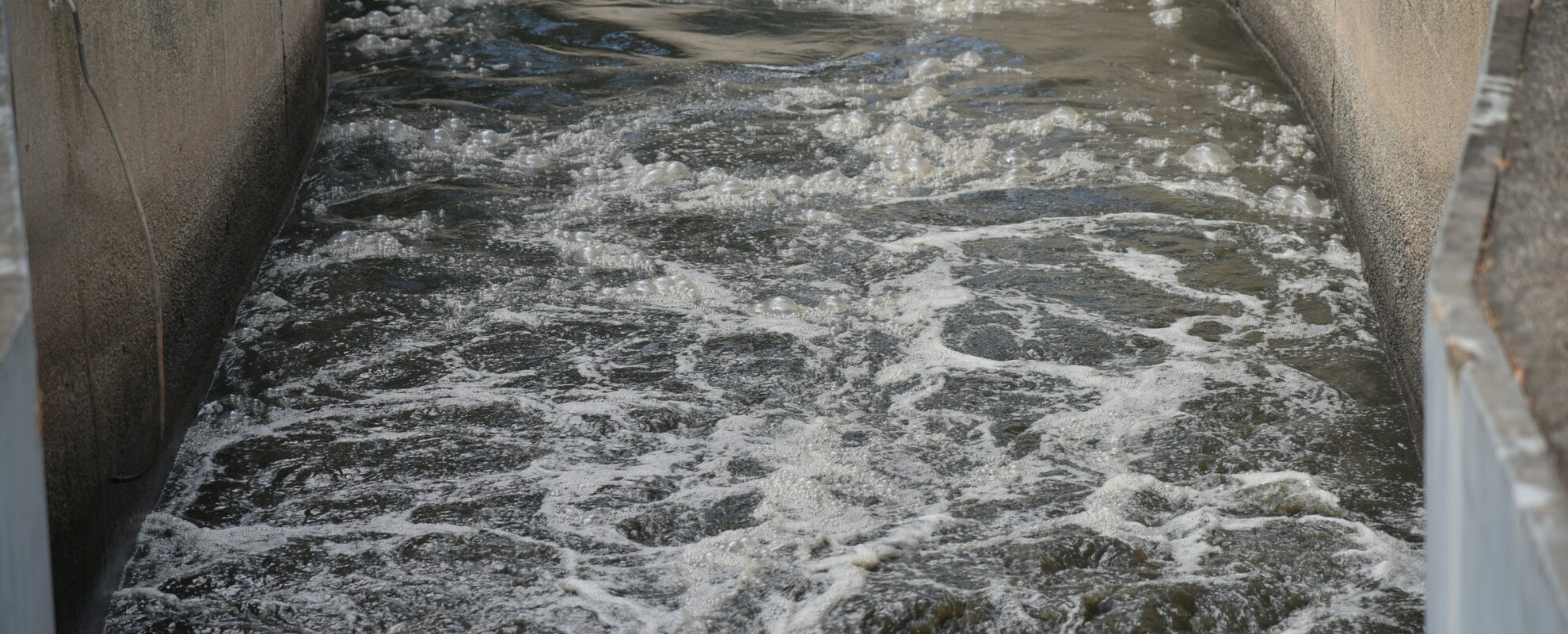
- In Kenya’s urban centers such as Kisumu and Mombasa, ILRI is working with local authorities to monitor municipal wastewater. Samples from pipelines and treatment plants are analyzed using metagenomic sequencing to detect microbial activity and anomalies linked to pathogen emergence, offering timely data to support public health interventions.
- In rural communities, surveillance of pit latrines is providing critical insights into human health risks from pathogens and resistant bacteria circulating silently in under-resourced settings. This data supports targeted interventions such as improved sanitation, public awareness, and disease prevention programs.
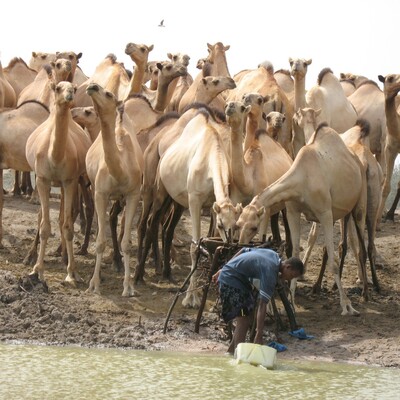
In Western Kenya’s animal abattoirs, ILRI is monitoring animal waste to detect zoonotic pathogens and AMR genes. Using innovative tools, this work maps trends in resistance and signals potential spillover risks from animals to humans. It also strengthens coordination between the veterinary, agricultural, and public health sectors.
ILRI’s Biological Waste Surveillance improves situational awareness, accelerates outbreak response through data sharing, strengthens biosecurity and pandemic prevention, and promotes sustainable agriculture and resilient food systems
Waste is not just a byproduct – it’s a powerful lens to uncover animal and public health threats.
As climate change, urbanization, and intensified livestock production accelerate, monitoring waste across human and animal domains is essential, not only to prevent the next pandemic but to build equitable, science-based systems for protecting health and livelihoods.