Culture domain analysis bridges science and local knowledge for better livestock management
How does a pastoralist recognize the early signs of a disease outbreak before laboratory tests confirm it? How does a farmer know which fodder grass is most likely to survive a drought? These decisions are rooted in generations of experience and local knowledge. Understanding and documenting that knowledge is increasingly important for the development of livestock innovations that are practical, relevant, and widely adopted.
To bridge the gap between scientific research and farmers’ knowledge, the International Livestock Research Institute (ILRI) recently hosted a training on cultural domain analysis (CDA). This research approach helps scientists understand how people organize, prioritize, and apply knowledge in their daily lives.
The training session was designed to support the HABITAT project by ensuring that innovations are grounded in the daily reality of farmers. HABITAT is a three-year initiative focused on the Kenyan highlands that is investigating how smallholder pasture management affects biodiversity, climate resilience, greenhouse gas emissions, and livestock productivity. Through a combination of transdisciplinary research, citizen science and farmer-to-farmer knowledge sharing. The project aims to generate practical, evidence-based recommendations that can be scaled across the region.
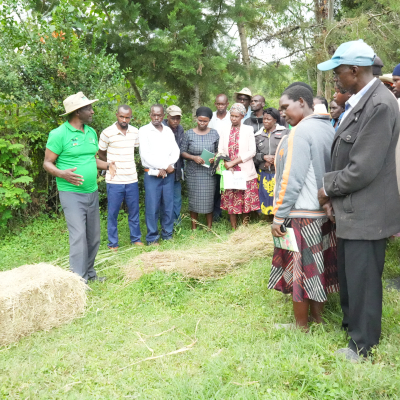
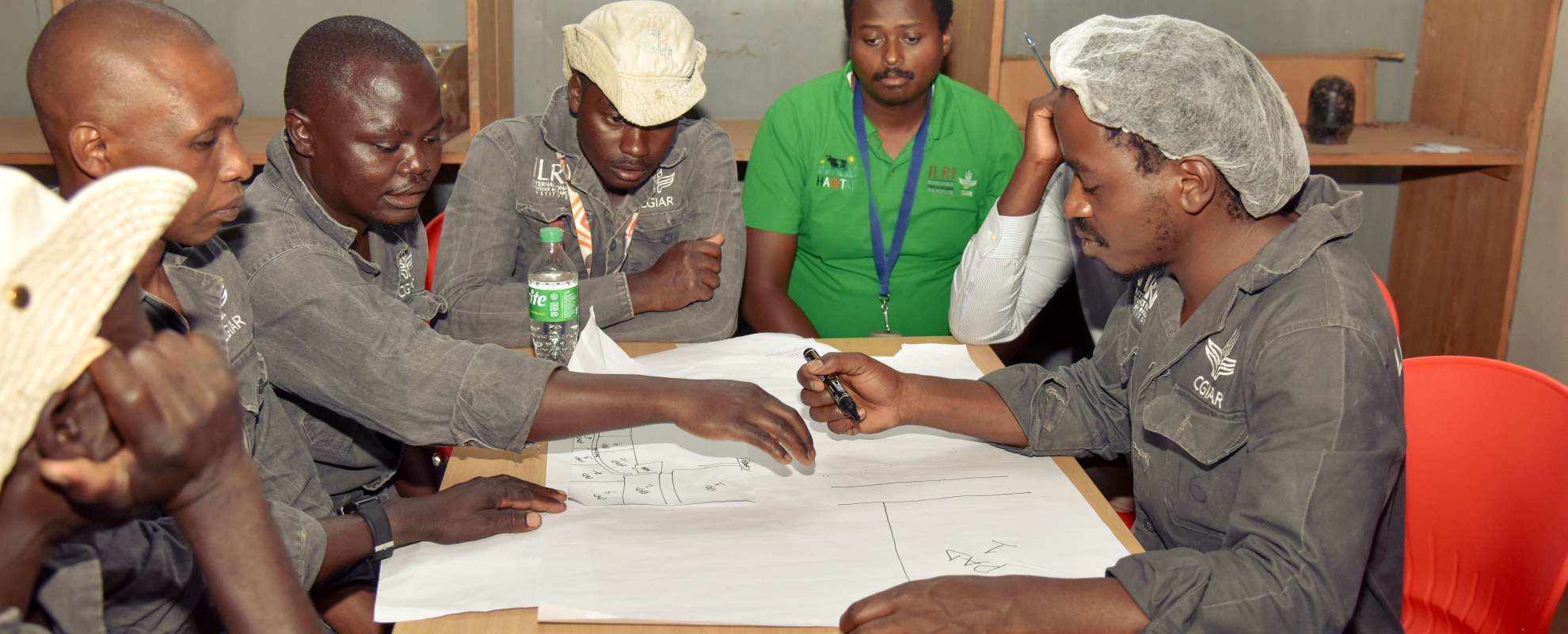
Led by Rajindra K. Puri, a senior lecturer in environmental anthropology and director of the Centre for Biocultural Diversity at the University of Kent, the training held on 9–13 March 2026 guided researchers on how to document the vast wisdom held by community members in a systematic way. By treating farmers’ and pastoralists’ knowledge—such as how to identify valuable fodder species, monitor livestock health, or manage pasture resources—with the same scientific rigor as a laboratory test, researchers can co-create agricultural innovations that communities will naturally embrace, focusing directly on solutions that already exist on the ground.
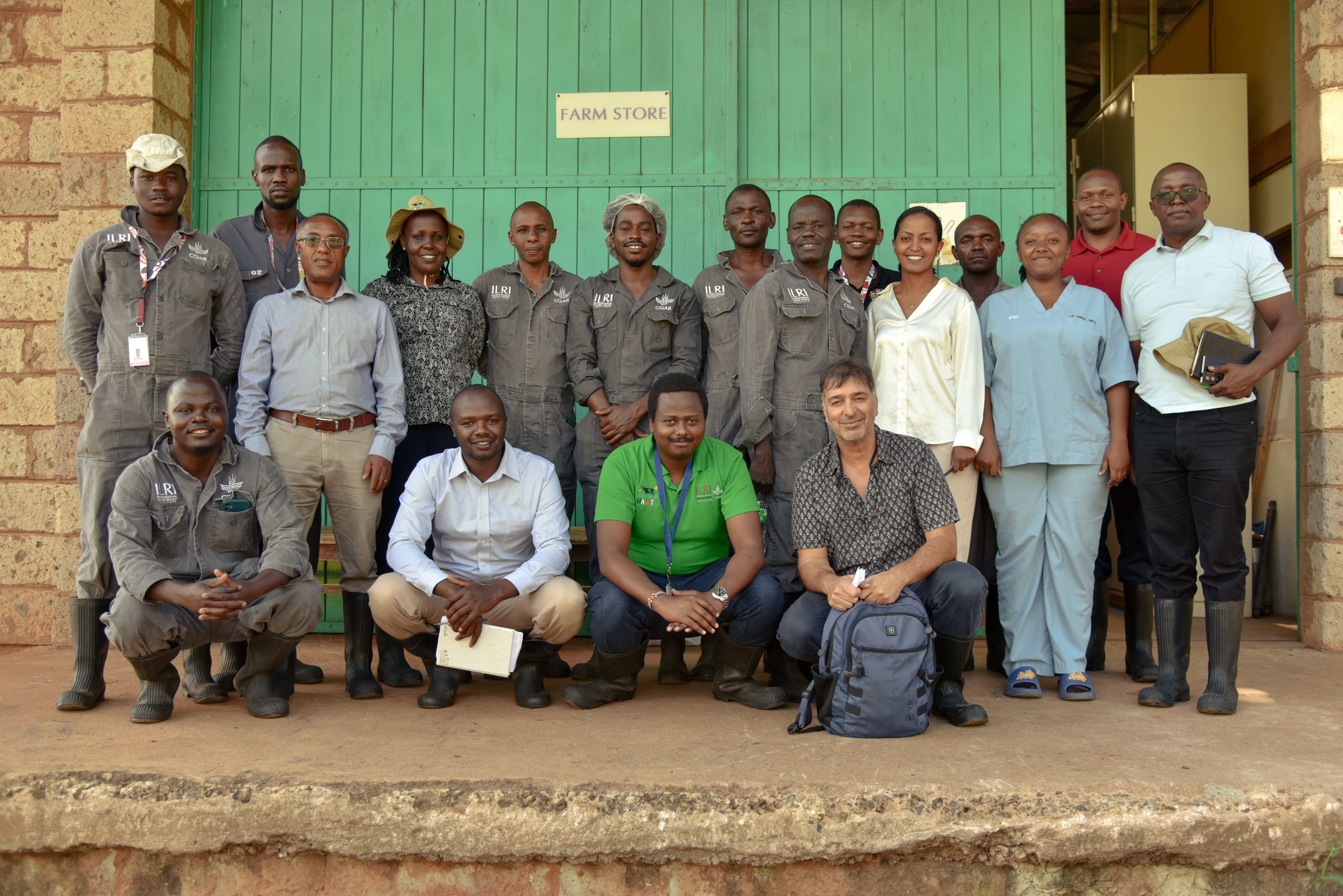
Learning the language of farmers
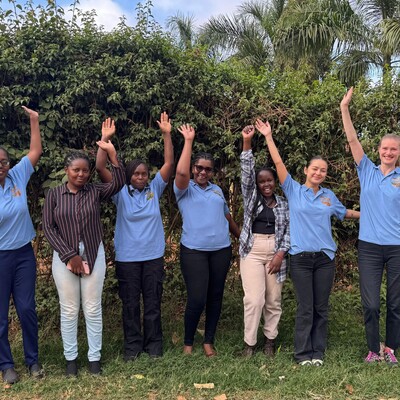
The training brought together eight ILRI researchers and an MSc student from the University of Eldoret in person, while university supervisors and ILRI colleagues in Addis Ababa joined online. Together, this collaborative effort helped build local capacity in a research approach that places farmers’ perspectives at the center of agricultural innovation.
“Hosting an expert like Prof. Rajindra Puri at ILRI to share his insights is a rare opportunity for us to delve deeply into a scientifically rigorous social science method. This approach helps us better understand how farmers perceive their environment and the language they use to describe it. Let’s be honest: when we say ‘pasture,’ we might picture something entirely different from what a farmer in Bomet County envisions. How often do we pause to reflect on that? Even less often do we study it scientifically. That’s why this is so important for us,” says Birgit Habermann, who organized the training.
For Daniel Rotich, the participating MSc student from the University of Eldoret whose thesis focuses on CDA within the HABITAT project, the training provided both technical skills and practical confidence.
“The CDA training was extremely valuable in strengthening my understanding of CDA and its practical application in research. One of the most important skills I gained was learning how to use the PROFIT program in Anthropac [a tool that shows researchers which ideas or practices people value most] to analyze how socio-demographic variables can explain variation in farmers’ knowledge systems. The hands-on sessions helped me overcome challenges I had previously faced while trying to use the software in my research,” Rotich said.
The training also built on Puri’s decades of research in environmental anthropology and ethnobiology. One of the aspects that particularly interested participants was CDA’s ability to combine open-ended conversations and observations with in-depth statistical analysis.
A key part of the week involved teaching researchers how to use sorting and ranking techniques to understand how farmers make decisions. Ranking can reveal why a farmer values one grass variety over another, for example, because it is drought-resistant, while sorting reveals the logic behind how plants are grouped according to their local uses. These methods are vital for protecting pasture biodiversity, as they help identify which priorities shape day-to-day livestock and pasture management.
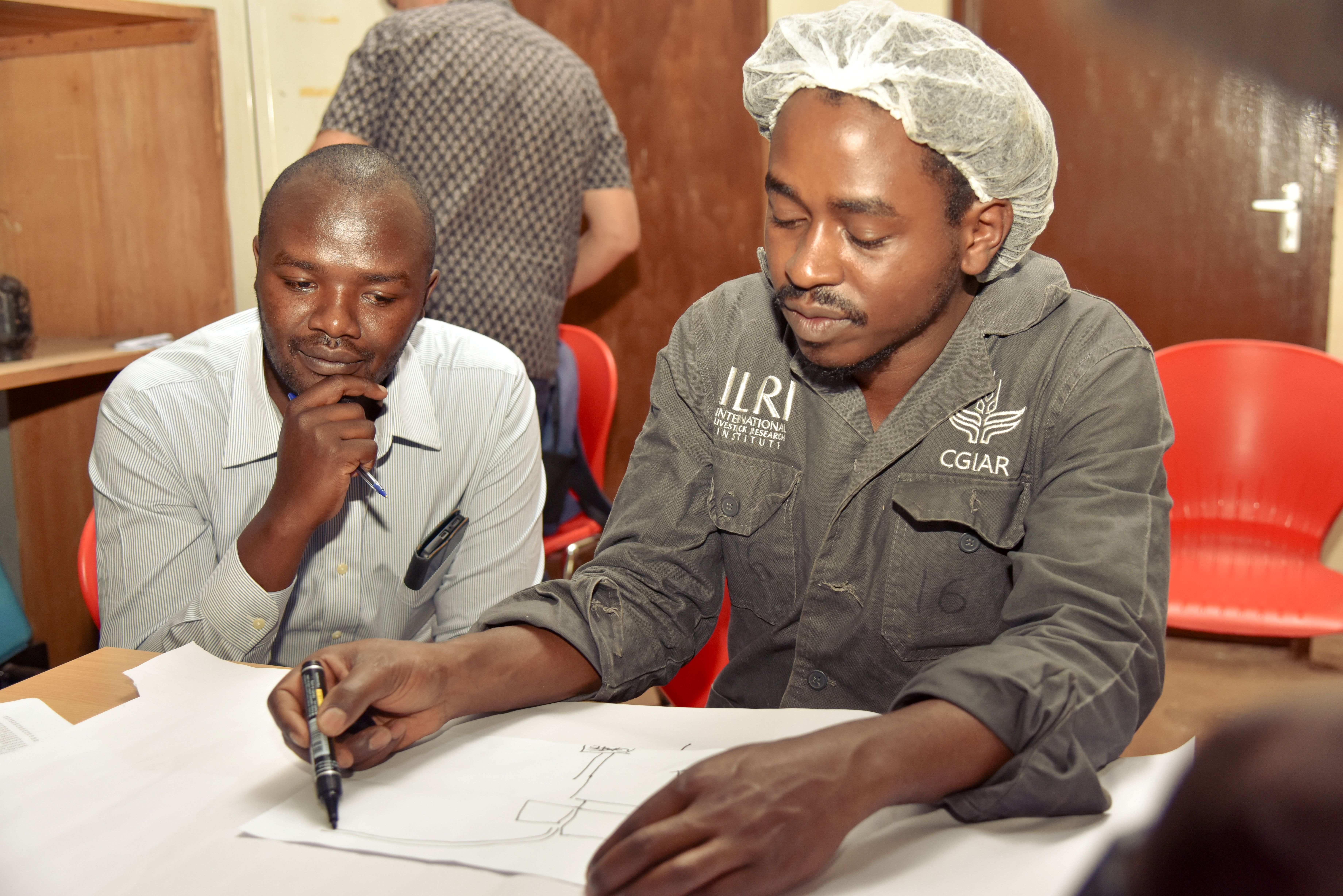
Pasture management decisions influence not only livestock productivity but also biodiversity and resilience to climate-related challenges. By supporting participation from researchers and university students through both in-person and online training formats, the HABITAT project has expanded access to a valuable tool for understanding how farmers and pastoralists perceive and respond to changes in their environment. This way, researchers can identify practices that support both healthy ecosystems and sustainable livestock production.
Importantly, CDA enables researchers to document local knowledge in a structured way while recognizing farmers and pastoralists as experts in their own right. Moving forward, this creates opportunities for more meaningful collaboration between researchers and communities, ensuring that innovations are grounded in local realities and priorities.
Acknowledgements
UKRI | GCBC | Bangor University | UKAID | ODA | ILRI | University of Eldoret This activity has been supported by the HABITAT project and the CGIAR Sustainable Animal and Aquatic Foods Science Program (SAAF) and the Climate Action Science Program. The HABITAT project is funded by the Global Centre on Biodiversity for Climate (GCBC). GCBC is a UK Official Development Assistance (ODA) programme that aims to support developing countries to shape decision-making and develop policies that better value, protect, restore and sustainably manage biodiversity in ways that tackle climate change resilience and poverty alleviation. The CGIAR Sustainable Animal and Aquatic Foods Science Programme (SAAF) and the Climate Action Science Programme are supported by contributors to the CGIAR Trust Fund. CGIAR is a global research partnership for a food-secure future dedicated to transforming food, land, and water systems in a climate crisis.