Advocating for the adoption of the farmer advisor model in Kenya's dairy agribusiness
Dairy, the largest subsector of Kenya's agriculture sector, is predominated by smallholder farmers, who produce over 80% of the milk marketed in the country.
But many of these farmers face challenges that impact productivity and reduce their chances of benefiting from the sector. Limited use of appropriate technologies, such as improved fodder production, non-complementary adoption of these and other technologies, and limited knowledge of how to optimize them are among the main challenges.
As a result, many smallholder dairy farmers are trapped in a vicious cycle of low input and low output from their dairy enterprises. These limitations arise from poor information flow caused by weak and inadequate extension services.
There is growing concern that the decline of public extension systems, which are widespread across the developing world, hampers the smallholder commercialization of dairy businesses. Therefore, researchers and development practitioners are increasingly focused on building resilient, farmer-driven extension systems.
The International Livestock Research Institute (ILRI), under the CGIAR Sustainable Aquatic and Animal Foods program and the CGIAR Scaling for Impact program, is collaborating with various dairy sector stakeholders in Kenya to expand the Dairy Farmer Advisor (DFA) innovation.
The DFA model is a private sector-driven extension approach developed in a previous research project to provide advisory and enterprise management services to smallholder dairy farmers. The model utilizes privately contracted extension personnel to deliver targeted advice to farmers at a small fee.
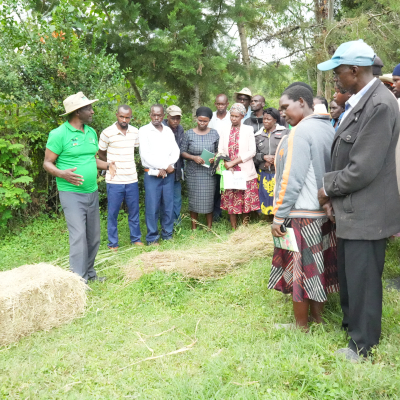
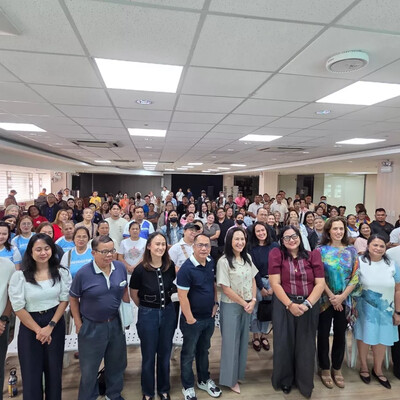
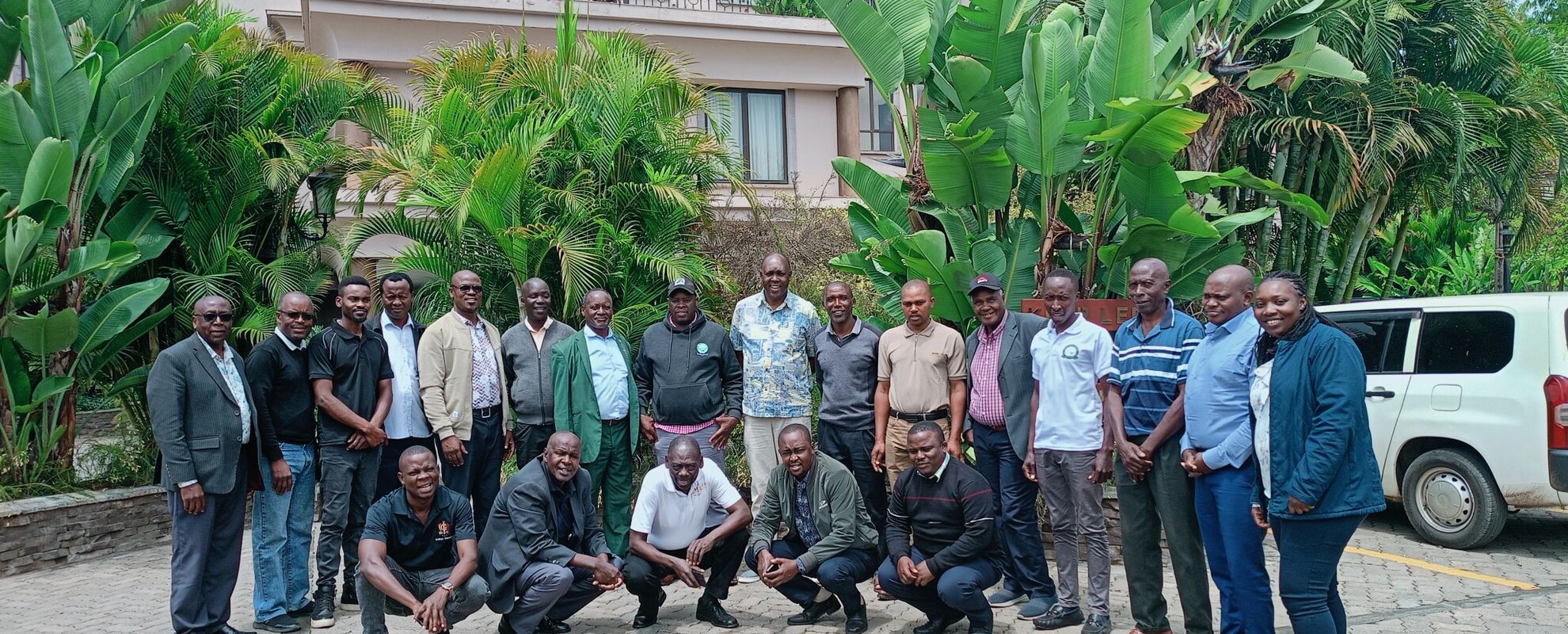
To support this effort, ILRI hosted a promotional workshop in Nakuru County to raise awareness among stakeholders about the DFA innovation and gather insights on how to improve it for wider adoption.
The workshop developed a shared understanding of the DFA approach among stakeholders and identified opportunities, partnerships, and capacity-building needs to promote the adoption of the innovation by relevant businesses.
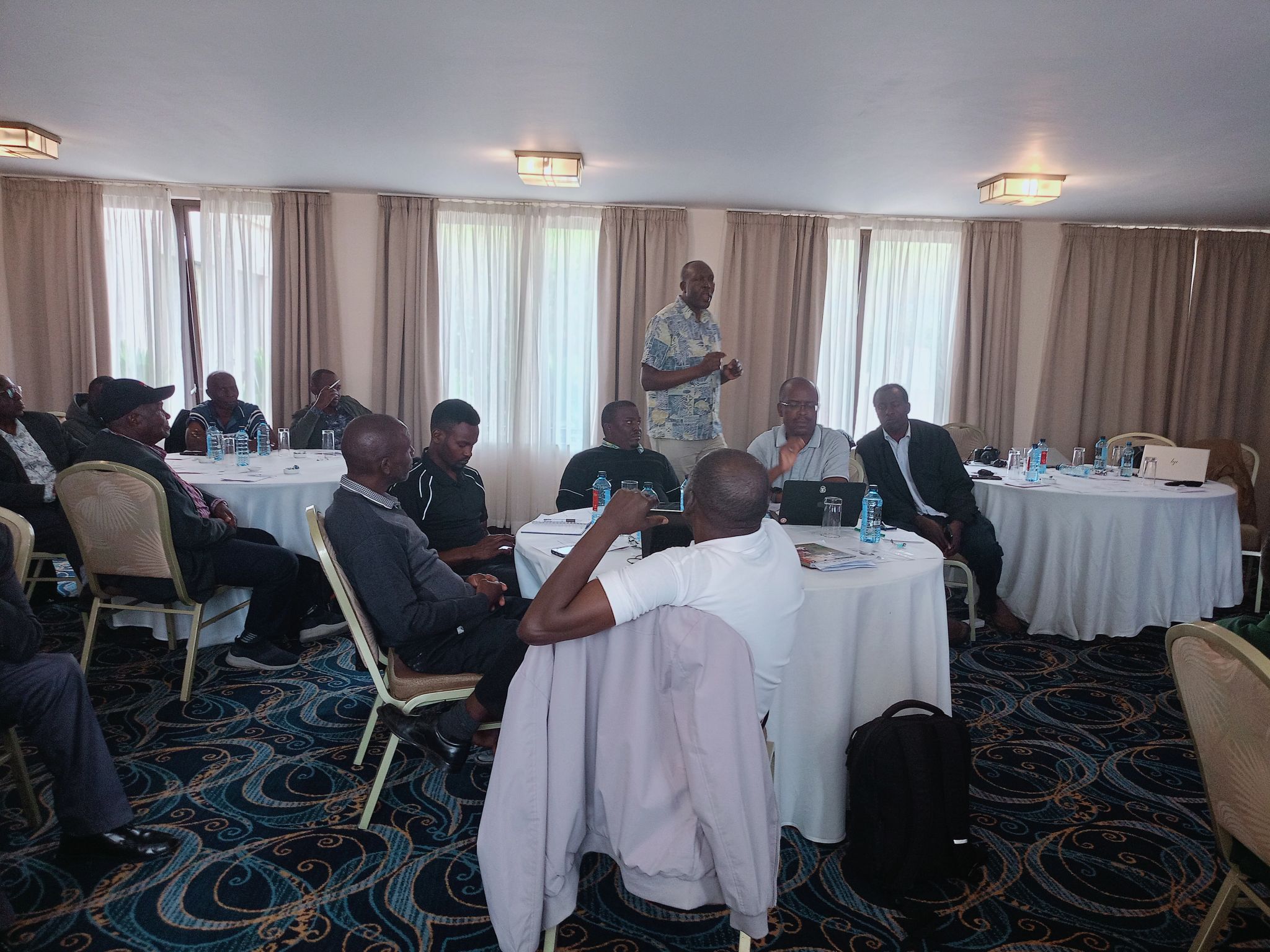
At the Kenya dairy stakeholders' event held on 21-23 October 2025, James Rao, senior scientist at ILRI, said that the DFA innovation was piloted in selected dairy cooperatives in Kakamega, Uasin Gishu, and Nyandarua counties between 2023 and 2024.
“The innovation deploys business-focused farmer advisory personnel to provide dedicated, targeted enterprise management services to farmer clusters. The advisors visit farms regularly to provide husbandry and production decision support, aiming to achieve a jointly agreed profitability target with the farmers. In the process, they stimulate demand for appropriate technologies while delivering knowledge to optimize the technologies adopted,” he said.
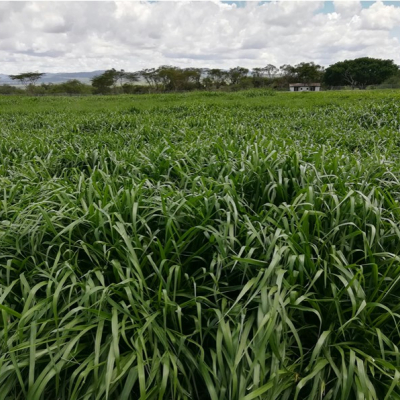
The stakeholders listened to testimonies from Steven Tirop, the manager of Ainabkoi Dairy Cooperative, who noted that the DFA model had a significant impact on stabilizing farmers' milk production and supply through improved feeding and animal husbandry. DFA engagement also increased demand for feed products supplied by the agrovet, prompting the cooperative to invest in fodder supply.
Despite challenges stemming from some farmers' reluctance to pay for DFA services, at 200 Kenya shillings, dairy extension has transformed into a farmer-owned, performance-driven system that links productivity, advisory services, and cooperative business sustainability. The cooperative now considers DFAs as vital assets for maintaining milk quality, farmer loyalty, and production resilience.
Nelson Ojango, the technical director at CowSense Kenya Limited, a feed enterprise that has adopted the DFA innovation, added that when professionally managed and integrated with capable DFAs, the model can serve as a strong commercial anchor for sustainable dairy advisory services.
“The DFA innovation requires solid business planning, quality control, and technical expertise to address market, cost, and capacity challenges. To do this, it is important to adopt productivity-based cow feeding to achieve one calf per cow per year, because farmers need to make money from advisory support to ensure the long-term success of the DFA innovation,” he added.
Emphasizing the potential for cooperatives to integrate feed centers and ensure their members' profitability through DFAs, Ojango noted that maintaining feed quality is vital to enabling cooperative-based feed centers to compete with other freelance suppliers.
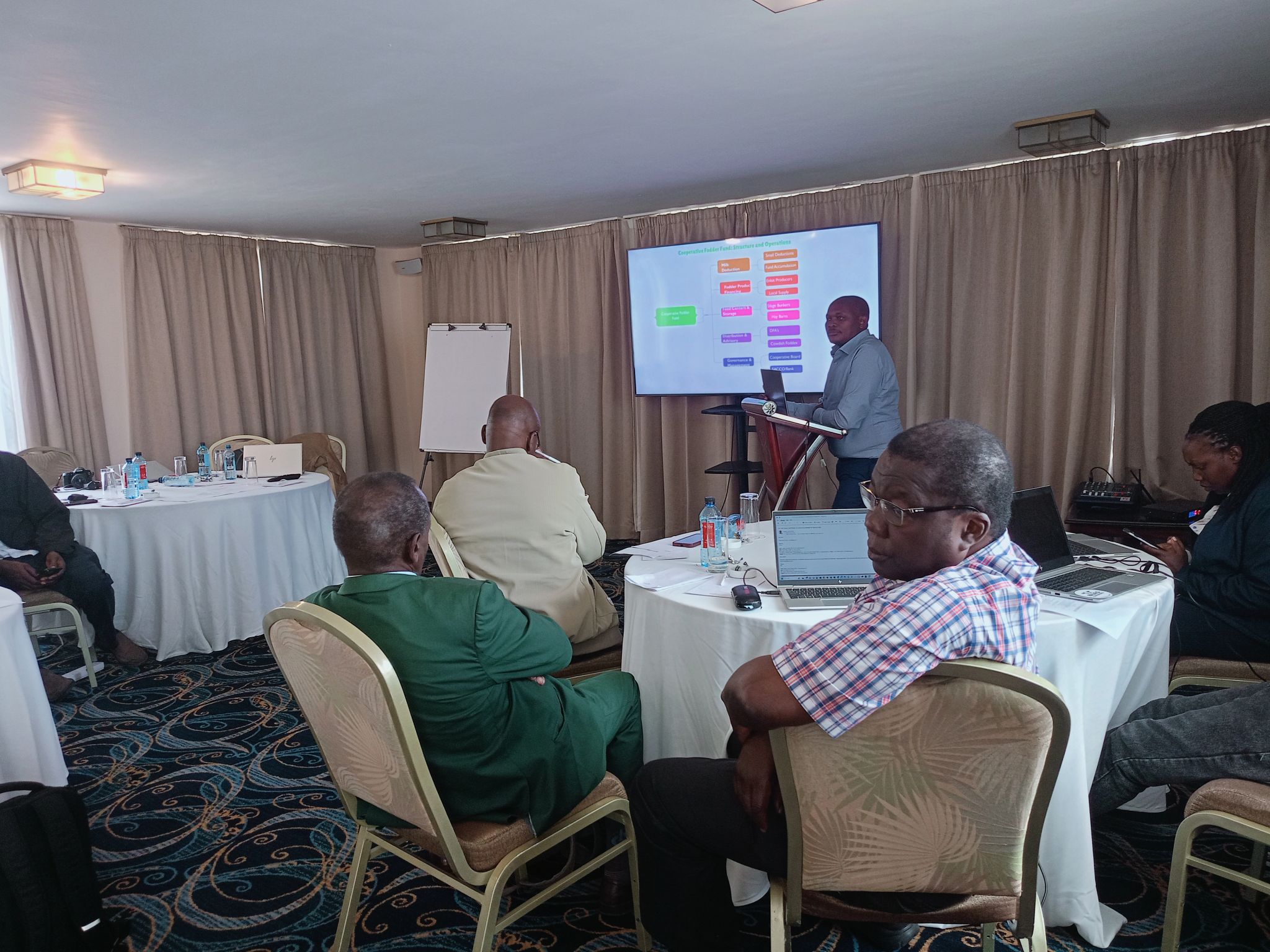
Silas Maosa, a representative from Perfometer Agribusiness who collaborated with ILRI during the DFA pilot phase, noted that farmers value visible benefits, making it necessary for DFAs to demonstrate such value in their interactions with farmers.
“The DFA model significantly enhances technical capacity, farm management, and productivity. But its financial sustainability depends on integration into broader agribusiness and cooperative systems rather than on direct farmer fees,” he said.
Participants discussed the potential to adopt the innovation, noting that it offers a strong platform for learning and growth. They strongly supported integrating DFAs within feed centers as a practical and sustainable approach, mainly because once DFAs advise farmers on improving feed practices, farmers immediately seek reliable feed sources, creating a natural demand linkage that feed centers can fulfill.
Talking about the feed shortage in Kenya, Robert Wakoli, the livestock production director for Nandi County, said that both the national and county governments are working on a feed balance report to help solve the problem. However, the public-private partnerships are crucial in tackling feed shortages.
He also stressed the importance of delivering technologies directly to farmers and the need to combine expertise in technology and market systems.
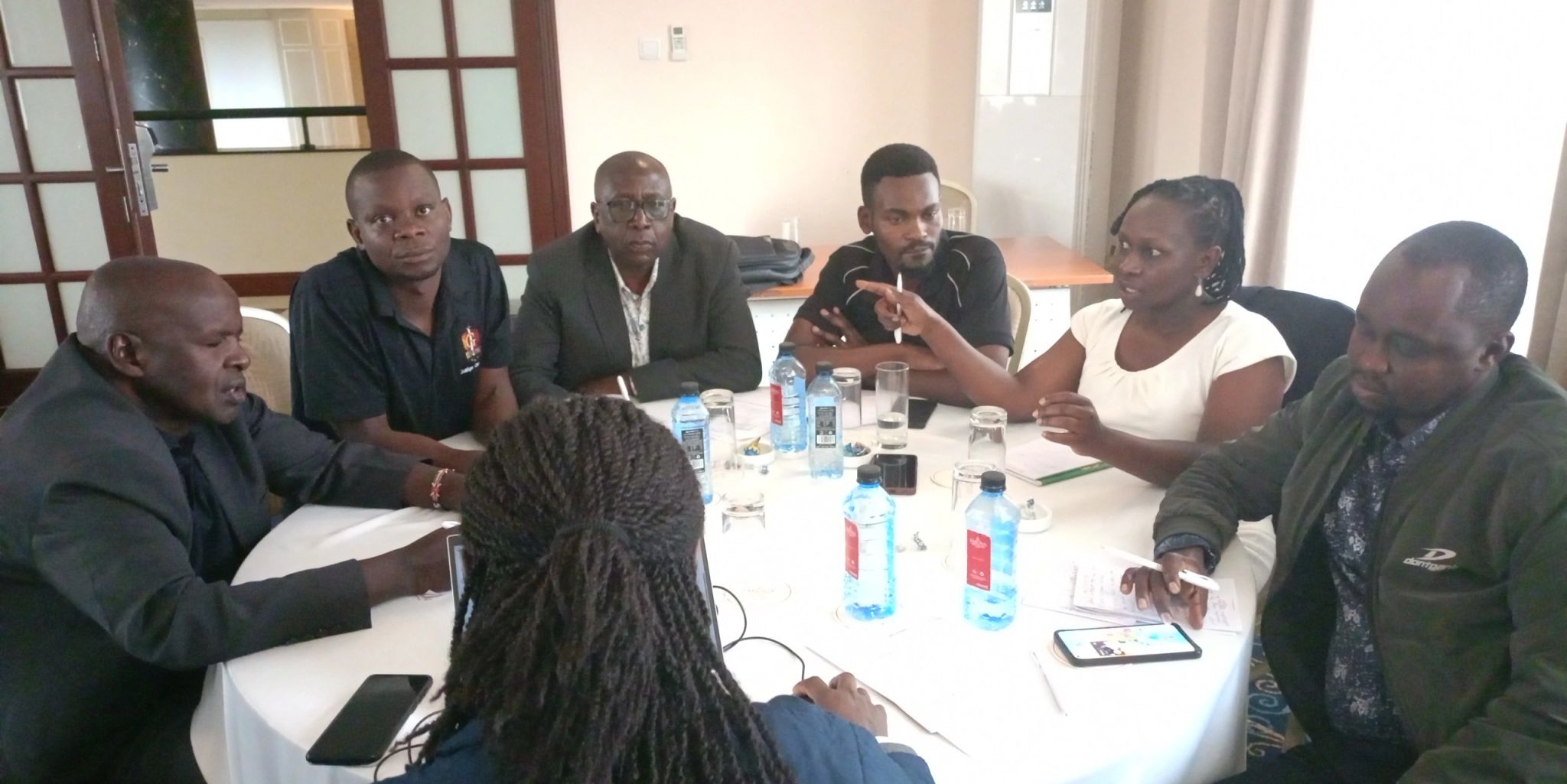
ILRIs senior scientist and feed specialist, Ben Lukuyu, also noted that the DFA is a promising model, but its sustainability and institutional alignment are essential for long-term impact.
The next step is to continue fostering stakeholder collaboration to develop hybrid advisory-business ecosystems that empower DFAs as service entrepreneurs within the dairy value chain.
This is necessary to harness data and improve business operations, as stakeholders noted that the future of the DFA innovation depends on strengthening training systems and retention strategies, aligning with cooperative by-laws, and leveraging partnerships to scale innovation while involving young people in the forage industry.