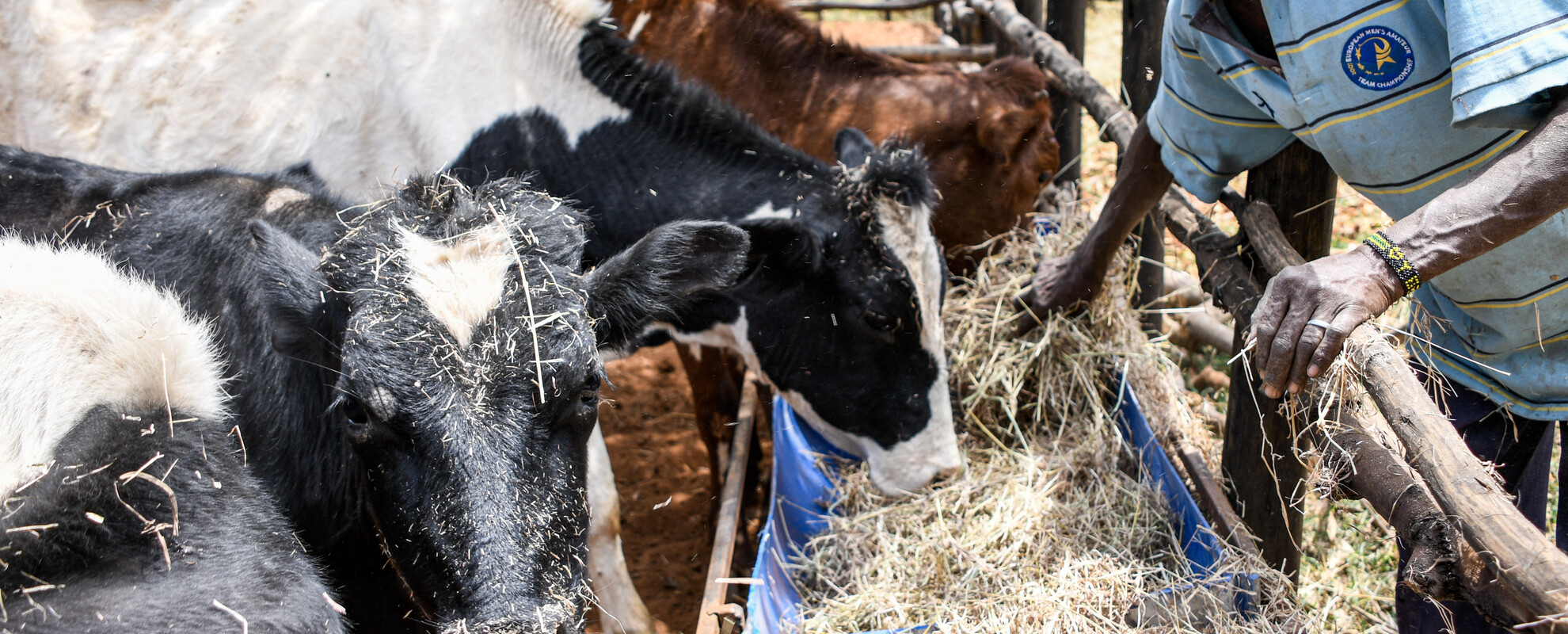
Experts offer recommendations to reduce the cost of livestock feeds in Kenya
Kenya’s livestock sector plays a critical role in the country’s social, economic, environmental and public health landscape, contributing 3.8% to the gross domestic product (GDP) and 17.3% of agricultural value added (Kenya National Bureau of Statistics 2024). But the sector’s productivity and sustainability are significantly hindered by the high cost of animal feeds.
A policy brief by the International Livestock Research Institute (ILRI) and sector experts (government, private sector, development partners, and farmers) in Kenya offers a range of technical, market, and policy options that can help reduce the cost of livestock feeds for livestock producers. Among other recommendations, the experts call for joint efforts by government, the private sector, development partners and farmer cooperatives to improve access to affordable quality feed.
‘The key constraints in Kenya’s livestock feed sector are technical challenges such as low yields, poor equipment, inadequate research, and post-harvest losses, which are compounded by market issues including fragmented supply chains and poor infrastructure,’ said Joseph Karugia, principal scientist at ILRI, who led the review.
Policy challenges such as high import duties, weak enforcement of feed quality standards and insufficient incentives for local feed production further compound the problem of high feed costs in the country.
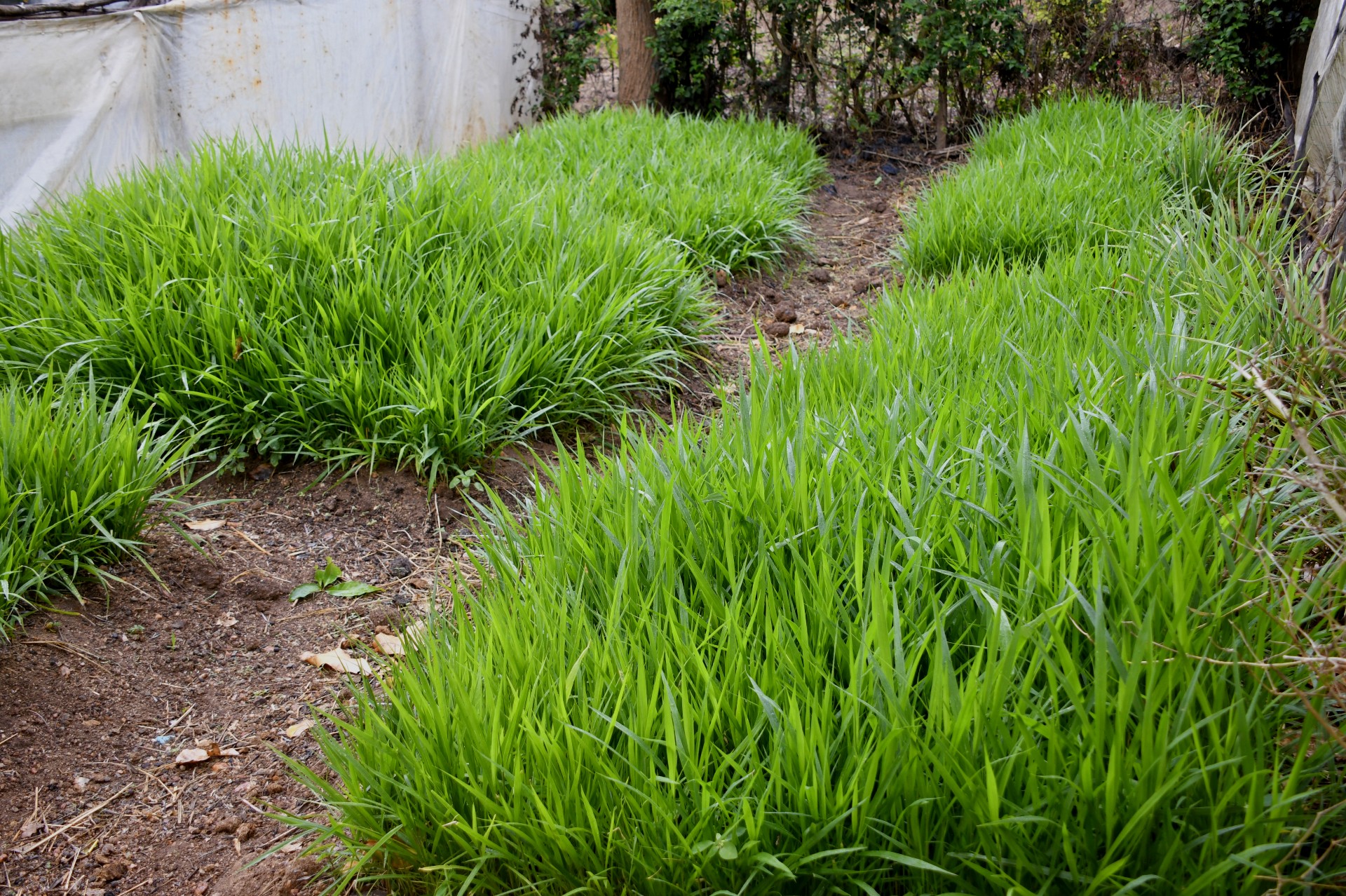
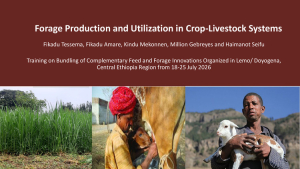
Short-term measures to address the constraints are given, which include tax and import duty relief on feed raw materials, subsidies and incentives for local forage production and feed processing equipment, as well as regulatory reforms and forage development that supports farmers with training and improved seeds. Medium-term policy options include the adoption of alternative feed resources and innovations, investment in resilient forage systems and strengthening farmer cooperatives. The long-term policy recommendations include increased investments in research and development, infrastructure and equipment, digital tools and data use, and a review of the legal and institutional frameworks in the feed sector.
Kenya’s livestock sector cannot thrive without affordable, quality feeds. Karugia further added that ‘the government, private sector development partners and farmer cooperatives are therefore called upon to act and effect measures that will lead to affordable and quality feeds for the Kenyan livestock sector to thrive’. A coordinated response is needed to achieve this, with the government taking the lead on smart subsidies, regulatory reforms, and infrastructure investments; the private sector taking the role to scale up local feed production and invest in alternative feed technologies; development partners to support research, financing, and pilot innovations while farmers and cooperatives organize to improve market access and reduce production costs.
This work was conducted as part of the CGIAR Policy Innovations (PI) Science Program.
Download the policy brief Reducing the cost of livestock feeds in Kenya: Policy options and recommendations for more information.


Related Publications
Effects of Thymus vulgaris, Euphorbia hirta, and Allium sativum as phytogenic feed additives on nutrient digestibility, gut microbiota, and performance of Kabir chickens in Cameroon