How ILRI-led One Health strategic investments strengthened genomic preparedness in Kenya
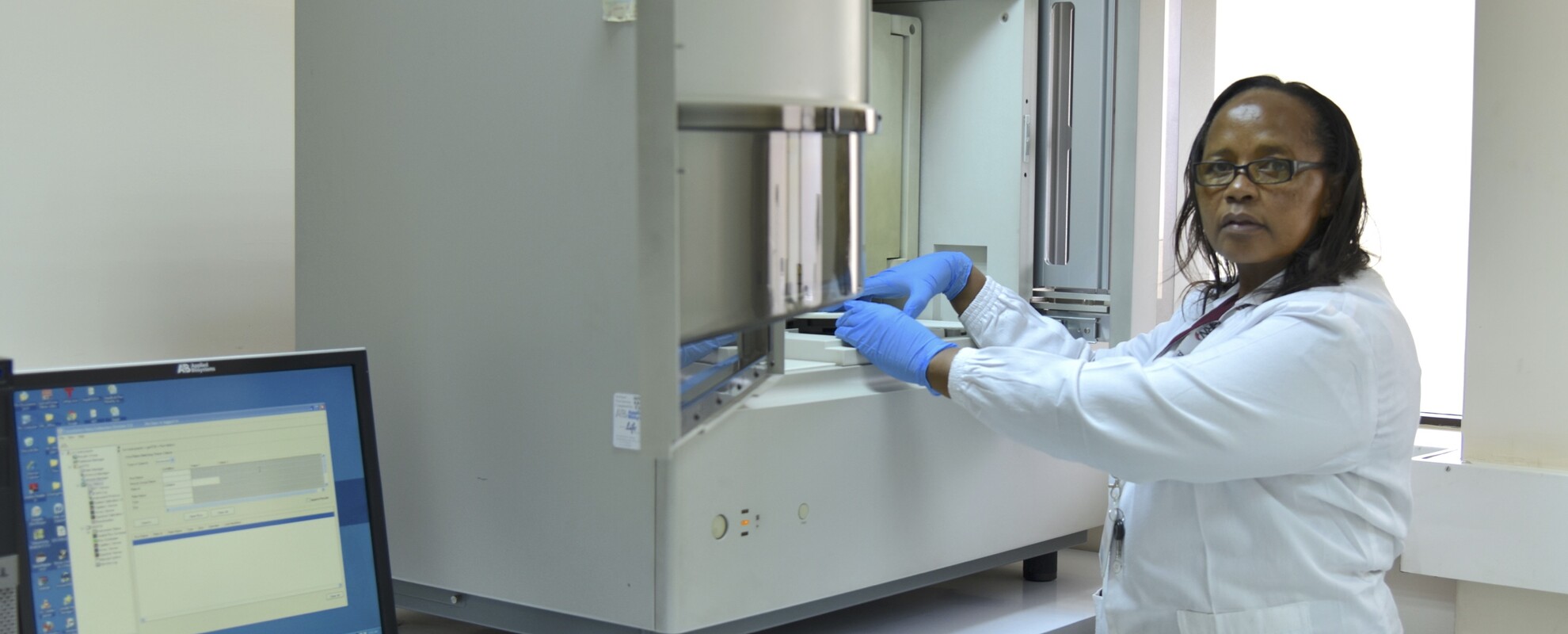
Pandemic preparedness is slow, cumulative, and built in the quiet seasons between crises. When COVID-19 reached East Africa, that quiet work suddenly mattered. Global supply chains were stalling, diagnostics were scarce, and scientists were racing to understand how the virus was moving. At the International Livestock Research Institute (ILRI) genomics facility, one newly arrived machine, an Illumina NextSeq 550, became the hero on which a regional response pivoted.
The machine had been procured through the One Health Research, Education and Outreach Centre in Africa (OHRECA) project, funded by Germany’s Federal Ministry for Economic Cooperation and Development (BMZ).
As project leader Bernard Bett reflects, “At the time of purchase, no one imagined it would become a frontline response tool in a global pandemic. We had a vision for what we wanted to achieve but this is the sort of investment that leads to legacy.”
From early capacity to regional preparedness system
Before 2020, many African institutions depended on sending samples abroad for sequencing. Turnaround times stretched into weeks, and real-time genomic insight was almost impossible. When Covid-19 emerged and flights were grounded, that entire model collapsed. Without local sequencing, the region would have been fighting the virus blind.
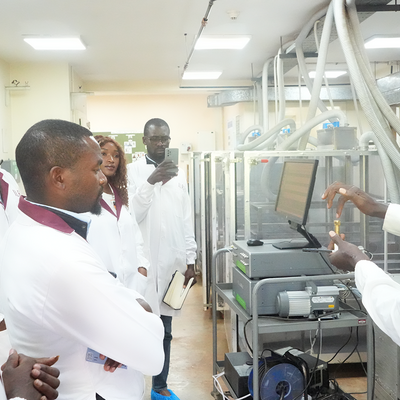
At ILRI in Nairobi, the NextSeq 550 changed this. Like many other veterinary laboratories across the world, the institute’s labs were reconfigured to support the ministry of health. The ILRI team began processing COVID-19 samples locally, shrinking turnaround times from weeks to days. This speed allowed officials to track emerging lineages and anticipate surges, ensuring that African scientists contributed not only samples but also analyses to the global dataset.
Despite its devastating toll, the pandemic also provided a proving ground. Young Kenyan and regional researchers gained continuous, hands-on experience with high-throughput sequencing, running instruments, troubleshooting protocols, diagnostic testing, analyzing genomes, and contributing data to national and international platforms. Skills that typically take years to accumulate grew rapidly under pressure.
“Coordinating the ILRI COVID-19 laboratory for the processing of 30,000 samples demanded precision and teamwork. From training staff on extraction and real-time polymerase chain reaction (PCR) workflows to produce copies of specific DNA sequences rapidly, to supporting national and global quality assurance, every step mattered. The scale was immense, but we were committed to producing reliable results that supported Kenya’s public health response when it was needed most,” recalls Regina Njeru, ILRI’s research laboratory manager.
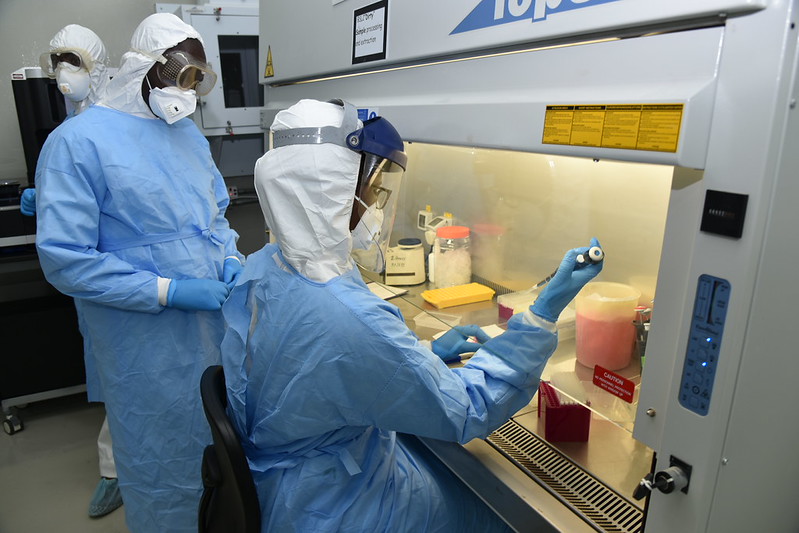
This concerted action revealed a larger truth about pandemic preparedness: infrastructure is not just equipment; it is people and the habits they build. OHRECA’s investment created space for those habits to form. A project designed to strengthen One Health research across human, animal, and environmental health became a demonstration of what preparedness looks like when it already exists before a crisis hits.
“This is not about a single machine, but rather what the investment enabled us to do, it gave us the ability to look at Covid-19 in far greater resolution. This type of genomic capacity is exactly what countries need to build strong, evidence-driven preparedness systems,” Bett explains.
Wastewater surveillance and the power of early warning
The NextSeq also opened the door to an emerging preparedness tool: wastewater surveillance. During the pandemic, ILRI piloted wastewater sequencing to monitor community-level transmission. Over time, this expanded into a wider wastewater surveillance system, using the same genomic infrastructure to detect signals earlier than clinical case surges.
Wastewater surveillance offers a new vantage point: anonymous, population-level intelligence that could be scaled to additional pathogens in the future. It is proof that the capacity established during a crisis could evolve into a long-term early-warning system.
Ekta Patel, a scientist at ILRI, explains the next step in this evolution: “If we can use human waste to detect signals, we should be using animal waste too. Many spillover events begin at the interfaces where livestock, wildlife, human, and environmental pressures converge. Expanding surveillance on animal waste or conducting xenosurveillance more broadly is essential for preparedness and timely intervention.”
Multiplying tools for One Health surveillance
Strategic investments matter most when they evolve into platforms for sustained capability. What began as one sequencer matured into an ecosystem of genomics, training, and surveillance. The NextSeq helped forge partnerships between ILRI, public health agencies, universities, and global research networks. Kenya’s position in pathogen genomics strengthened, and ILRI became one of the Africa Centres for Disease Control and Prevention (CDC) genomics centers of excellence.
As Sam Oyola, ILRI senior scientist and genomics lead, notes, “The benefits of having a NextSeq 550 result in a surveillance system capable of near real-time pathogen and variant detection, rapid interpretation of emerging threats, and timely public-health response. These capabilities are made possible through strengthened partnerships and an empowered local genomics workforce.”
The BMZ investment also enabled ILRI to acquire the Matrix-Assisted Laser Desorption/Ionization - Time-Of-Flight (MALDI-TOF), a rapid microbial identification platform, extending preparedness beyond viral threats to bacterial diseases. The tool is used by partners such as Cornell University and the Kenya Marine Fisheries Research Institute to identify bacterial pathogens quickly and accurately. It has become an anchor for regional antimicrobial resistance work and cross-sector surveillance.
The work continues—and so must the investments
The OHRECA project may be ending, but the capacity it catalyzed is not. The sequencer still hums. Wastewater surveillance continues to grow to support both public and veterinary health sectors. The MALDI-TOF is identifying pathogens across sectors. And across the region, the skills developed during the pandemic remain embedded in scientists who are now leading new projects and training others.
Preparedness was advanced through sustained investment, local expertise, and networks that cut across human and animal health. In order to support global health, the next steps are clear: it is essential to integrate sequencing into routine surveillance, expand integrated surveillance systems, link human and animal health data streams, and grow regional networks that enable fast, coordinated responses. Pathogens move quickly so preparedness must move faster.
No single investment can stop a pandemic. But OHRECA’s investments show that the right tools in the right place can determine how quickly a region can detect, respond, and stay ahead of the next threat.


Related Publications
Characterization of SARS-CoV-2 intrahost genetic evolution in vaccinated and non-vaccinated patients from the Kenyan population