ARBO-WATCH project
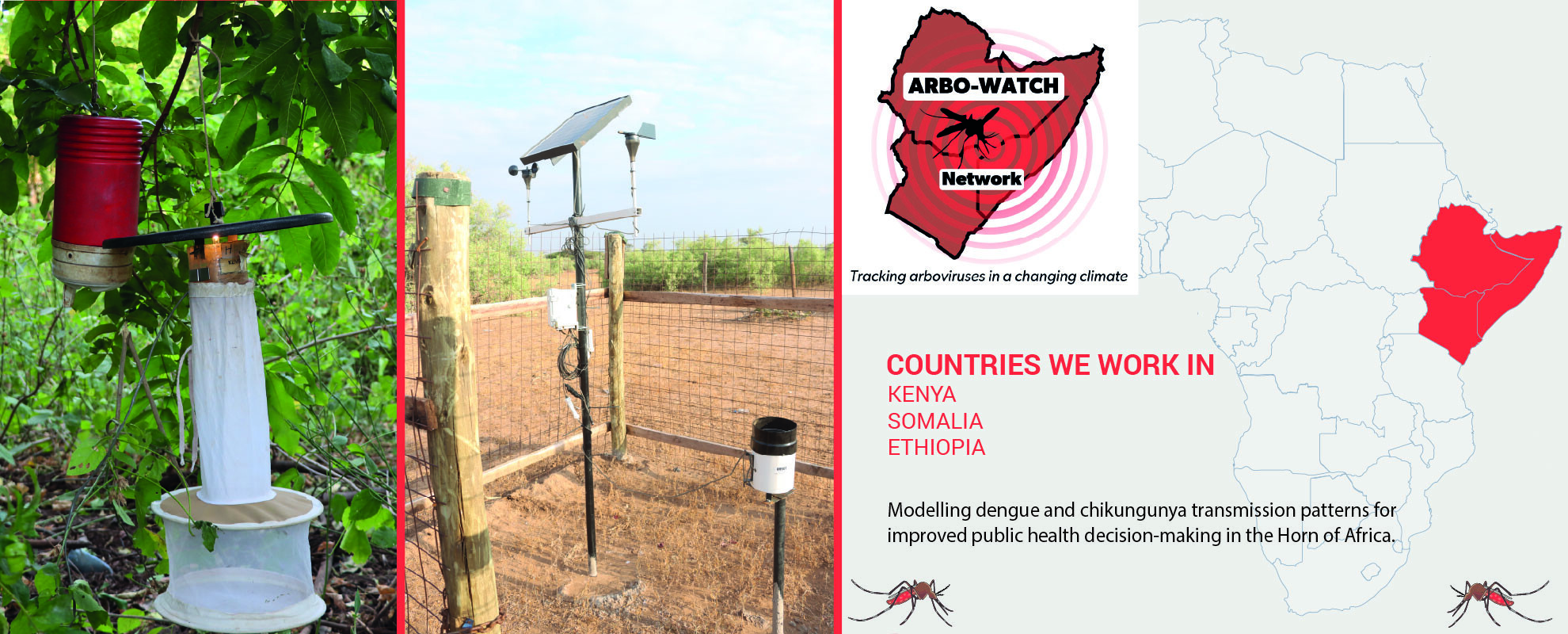
The ARBO-WATCH project seeks to design and deploy dengue and Chikungunya fever decision support tools informed by process-based models in Kenya, Somalia and Ethiopia. These analyses will utilize relevant primary and secondary data from all these countries to uncover broader epidemiological patterns of these diseases in the region. The project is being implemented by a consortium made up of nine institutions including ILRI, the Kenya Medical Research Institute, Kenya’s Ministry of Health, Jomo Kenyatta University of Agriculture and Technology, Ethiopia Public Health Institute, Global One Health Initiative, Ohio State University, Abrar University and the Ministry of Health Somalia.
The Challenge
The incidence of dengue, chikungunya and other mosquito-borne diseases is increasing rapidly across the sub-Saharan Africa due to climate, land use and demographic changes and urbanization. In 2023 for example, the WHO documented 171,991 suspected cases of dengue across the continent with 70,223 confirmed cases and 753 deaths. There is need to improve the existing surveillance and response measures to limit public health and socioeconomic impacts of these diseases. Data analytics and modelling hold significant potential to inform the design and implementation of targeted, evidence-based disease prevention and control strategies, particularly in resource-constrained settings.
Project Goal
To operationalize a cross-border, data-driven decision-support ecosystem for arbovirus surveillance and control through predictive modeling, data integration, and institutional capacity strengthening.
Key objectives
- Collate and analyze diverse primary and secondary data to determine occurrence patterns and risk factors for these diseases in space and time,
- Build and validate vector-host process-based models to better understand the transmission dynamics of these diseases and the effectiveness of prevention and control measures.
- Develop decision support tools that can be used to forecast risk in real-time, generate risk maps, and identify best-bet intervention measures in various ecological settings.
- Train frontline surveillance teams, disease modelers, and policymakers on data management and analysis modeling methodologies, and the application of decision-support tools.
Approach
In the first year of the project, the project will:
- Carry out systematic review of literature to collate parameters for building process-based models, collect and analyse secondary data from various institutions for risk factor analyses and generate disease risk maps
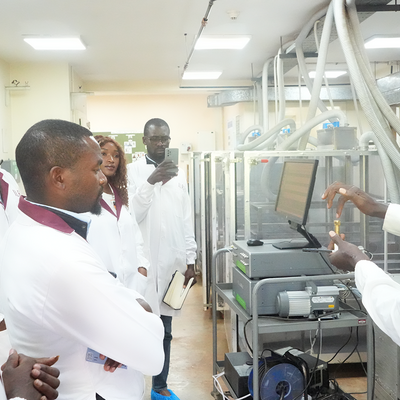
- Commence training on data science and modelling among key staff from the public health sectors in the three countries so as to build a sustainable network of institutions and personnel that can continue applying modeling tools to inform public health decision-making in the region
The second year will be used for running longitudinal cohort studies to generate data for validating the models while the thrird will be used for further development of the models and their translation into decision support tools.
Expected impact
- Stronger public health decision-making for dengue and Chikungunya control within and between countries in the Horn of Africa
- Strengthened capacity of public health professionals on data analytics and modeling leading to more sustainable application of evidence-based decision making approaches for infectious diseases in the region
Better understanding of dengue and Chikungunya epidemiology in the Horn of Africa with insights on the relative impacts of climate, land use and demographic changes on their occurrence patterns in space and time
Staff



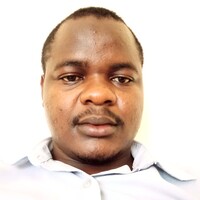
Henry Athiany
Research Biostatistician, Jomo Kenyatta University Of Agriculture And Technology (JKUAT)
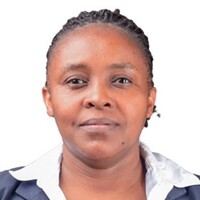
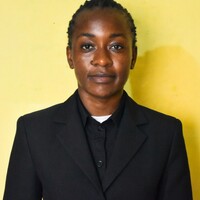
Caroline Wanja Mugo
Lecturer Biostatistics, Jomo Kenyatta University Of Agriculture And Technology (JKUAT)

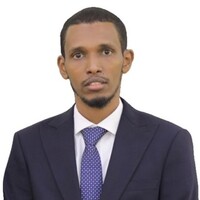
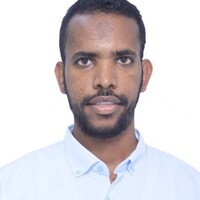
Ahmed A. Hassan-Kadle
Co-PI & Somalia Lead, ARBO-WATCH Project Executive Director, ARACHTI (Abrar Research & Training Centre)