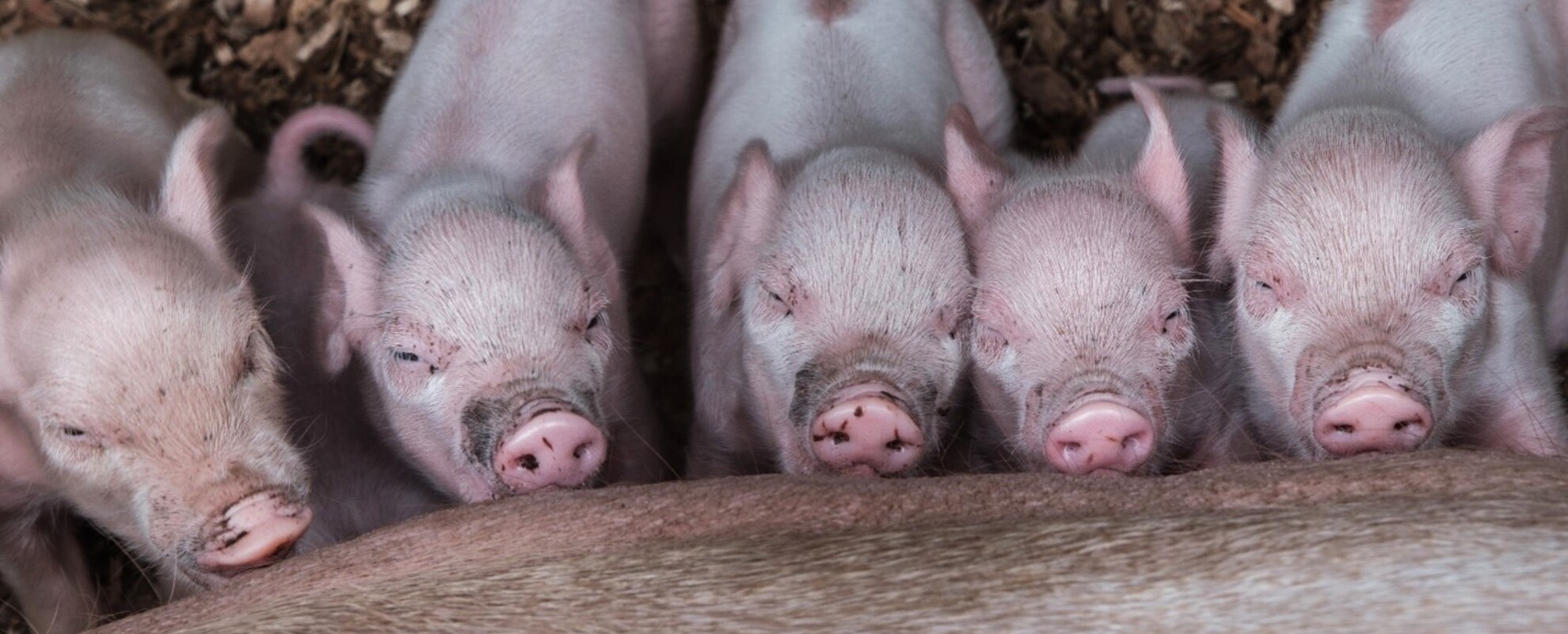
Livestock stakeholders commit to create a sustainable and inclusive pig value chain in Uganda by 2035
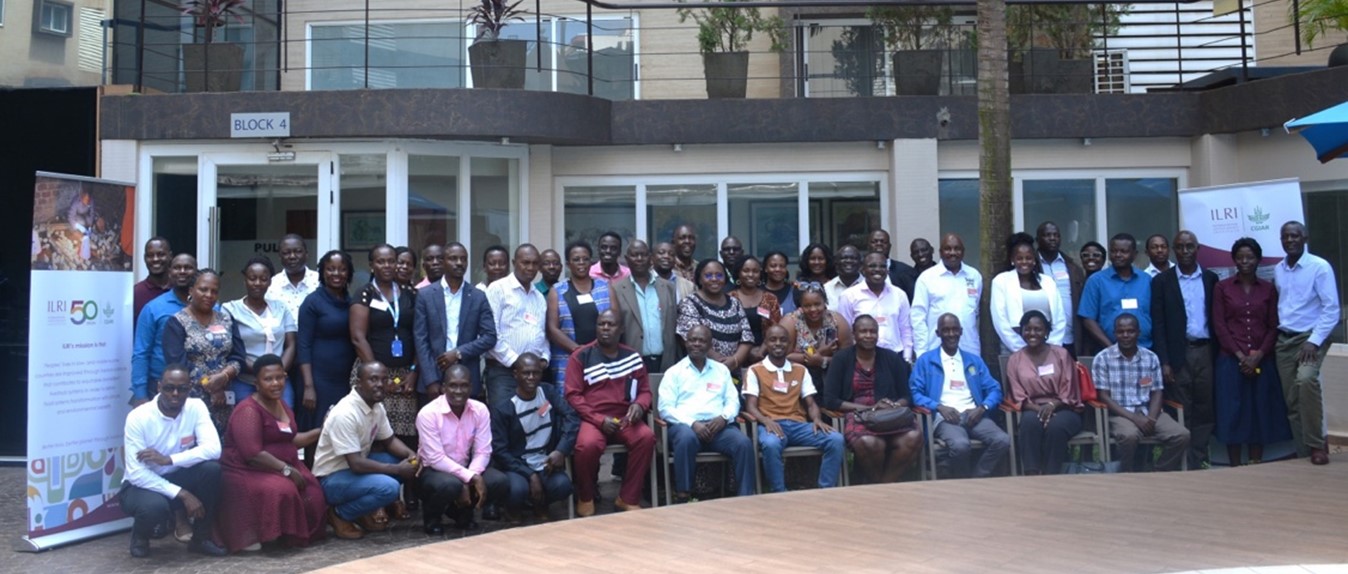
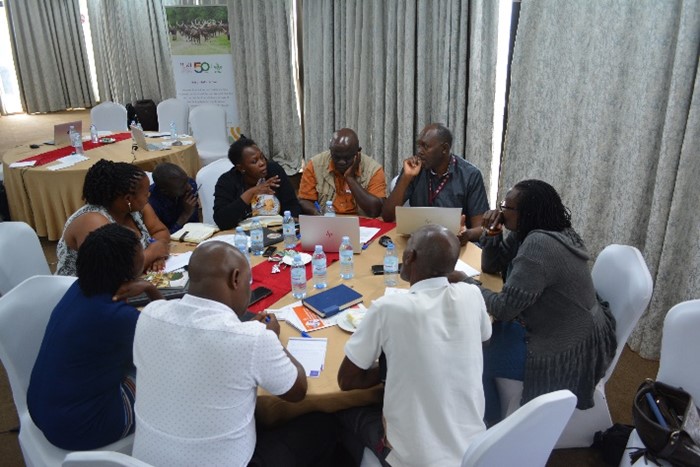
Livestock sector stakeholders in Uganda have pledged to create a sustainable and inclusive pig value chain that enhances livelihoods and contributes to healthier communities by 2035. The agreement was reached during the launch of the CGIAR’s Sustainable Animal and Aquatic Foods (SAAF) science program in Kampala, Uganda on 27-30 May 2025. The event featured a workshop to co-design the SAAF theory of change and a market systems analysis workshop led by the International Livestock Research Institute (ILRI).
SAAFs will build on the activities implemented under the CGIAR Initiative on Sustainable Animal Productivity for Livelihoods, Nutrition and Gender Inclusion (SAPLING) by developing and scaling tailored innovations that boost productivity, strengthen market systems, and improve resilience of the pig value chain. The science program will be implemented through the following themes or areas of work: Productivity+, One Health; Gender, Youth and Social Inclusion; Market systems and Climate and the Environment.
Strengthening Uganda’s agrifood system
Participants identified the challenges affecting Uganda’s pork sector, the actors most impacted, and envisioned what success would look like if these challenges were effectively addressed. They also defined long and short-term outcomes to track progress, and proposed innovation and solution packages to be implemented.
Highlighting the role of the theory of change co-creation process for SAAF, Emily Ouma, ILRI country representative in Uganda, said
the process is critical to program implementation because SAAF will work with diverse partners.
She said the theory of change will guide local engagement throughout the science program’s implementation including through periodic reflection workshops to track progress.
Grace Asiimwe, of the Ministry of Agriculture, Animal Industry and Fisheries, said SAAFs will strengthen the role of animal and aquatic foods in Uganda’s agrifood system
‘to meet rising food demand, increase incomes, and create employment, especially for the youth.’
Priority research areas
- SAAF’s project activities will be aligned with Uganda’s national priorities in the following research areas:
• Pig performance evaluation – comparing different breeds across various feed and production systems.
• Capacity building – strengthening skills of all value chain actors, including farmers, input and service providers, butchers, and artificial insemination (AI) technicians.
• Managing zoonotic diseases and antimicrobial resistance– tackling animal-to-human diseases, and unregulated ant timicrobial use in pig production, due to high disease pressure and limited veterinary oversight.
• Addressing the exclusive targeting of women in interventions without male involvement. Challenging social norms that limit women’s participation in value chain activities such as artificial insemination services, aggregation, and roasting.
• Identifying cost effective feeding regimes that improve pork productivity and quality while enhancing pork enterprise profitability.
• Developing models that strengthen linkages, build trust among value chain actors and incentivize uptake of appropriate technologies and practices.
• Encouraging better manure management practices, to improve manure quality.
Long- and short-term outcomes
To determine progress in the pig value, participants agreed to monitor adoption of models that enhance profitability and inclusivity; climate-smart and environmentally healthy practices; and adoption of technologies and best practices for improved productivity of safe pork by farmers. This requires strengthening and participation in multisectoral platforms for advocacy as well as access to appropriate financial products, capacity building for value chain actors and appropriate policies and standards.
Innovation packages
To promote effective resource use, SAAFs will leverage existing resources and partnerships, by implementing technical, process and business-oriented innovation packages, including knowledge enhancement and sustainable manure management. Other proposed innovation packages include genetic improvement and capacity building, such as training AI technicians, animal care workers and farmers on feeds, forages, breeds and disease control technologies and developing a business model for establishment, operation and maintenance of semen banks. To create an enabling environment, policy and institutional support are required.
Understanding the Uganda pork market system
On 27–28 May 2025, core market function actors convened to gain a deeper understanding of Uganda’s pork market system – exploring how it operates, the interconnections among key actors, and identifying opportunities for collaboration to enhance its overall performance. The participants represented a diverse range of actors across the pork market system — from core market players such as producers, aggregators, traders, processors, retailers, and consumers, to supporting actors including technology providers, financial institutions, feed suppliers, animal health and extension service providers. Also present were enabling actors such as regulators from the district veterinary officers, who play a key role in ensuring standards and compliance within the sector.
Low demand for inputs and services, low prices, limited access to commercial pork breeds, and high risk of diseases were the main blockages identified. These challenges have far-reaching effects across the value chain. An analysis of the underlying causes, also known as a root cause analysis, was conducted for each blockage, to determine whether the challenges were due to limited capacity, lack of incentives, or both.
Way forward
Following the two workshops, innovation packages as well as activity sites will be refined and communicated to stakeholders. A second market systems analysis workshop will be held to co-create specific prioritized solutions to be implemented to address system blockages.
The Theory of change and the Market systems’ analysis workshops brought together more than 50 technocrats and policymakers from central and local governments, academia, civil society, as well as farmer, trader, and aggregator representatives from the districts of Kampala, Mukono, Wakiso, Masaka, Mpigi, Lamwo.
.

Related Publications
Opportunities and challenges for countermeasures against Rift Valley fever virus: A quintessential One Health pathogen