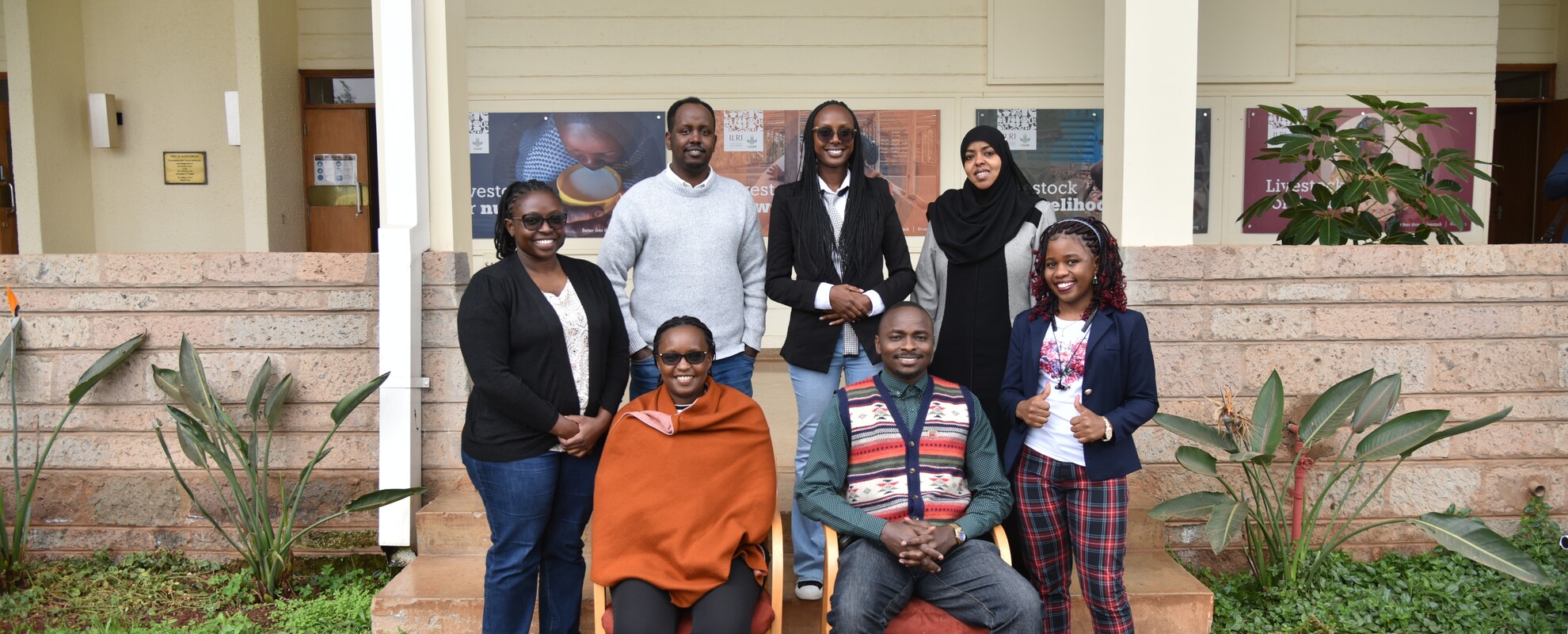
And the winners are... kicking off the next phase of ILRI's CapDev Challenge!
ILRI's CapDev Challenge is reaching an exciting turning point with its recently concluded Pitching Contest Award Ceremony. This event marks the grand finale of the intense pitching contest and the exciting start of the next stage: the "10 in 10" soft skills training. This includes bespoke short courses focused on developing soft, social, and interpersonal skills. Participants also receive comprehensive mentorship from prominent global leaders across various sectors and locations.
The Challenge kicked off on 7 May 2025, drawing in 33 bright finalists from among ILRI's fellows and staff. They presented their research projects to a diverse panel of expert judges, with the winners of the pitching contest announced on Friday, 18 July 2025.
The Challenge is designed to help young researchers not only come up with innovative ideas to use livestock to create better lives and a healthier planet but also learn how to share those ideas clearly and powerfully.
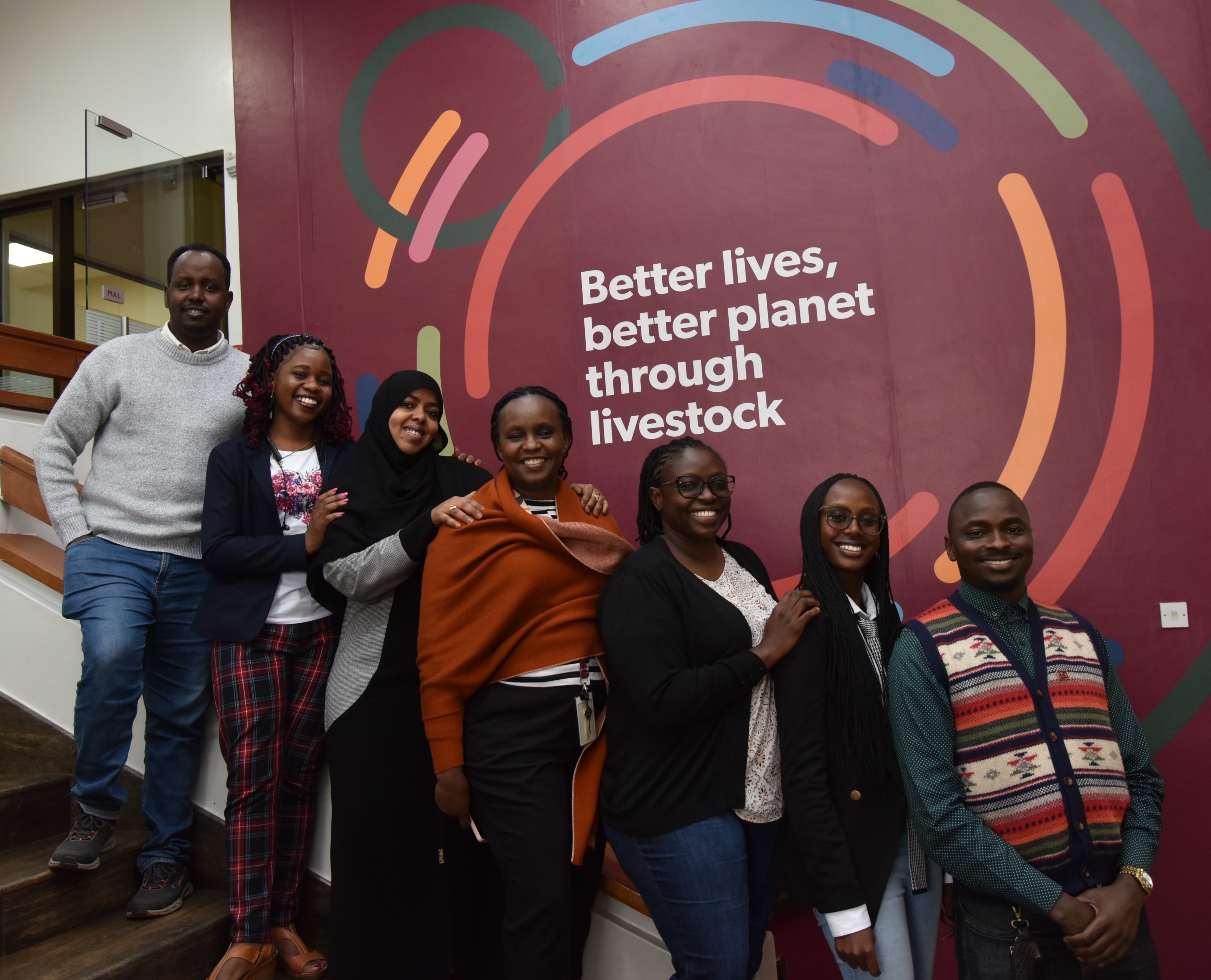
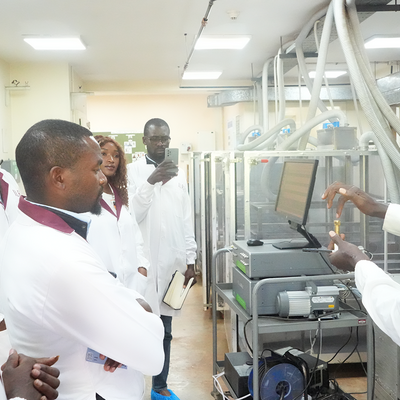
Juliet Masiga, a PhD graduate fellow and the overall winner, presented her groundbreaking research on improving vaccine quality control for livestock. Her work offers a crucial link, enabling farmers to understand and implement essential advancements. "I was able to see what was happening in the lab and what kind of impact it would have on the field," Masiga explained, highlighting her commitment to accessible science.
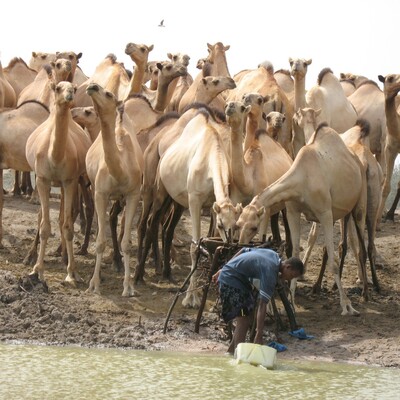
Sharon Nalubega, a professional intern through the Mastercard Foundation- Earth University fellowship and the second overall winner, captivated the audience from the start. "I set my intention to grab attention in the very first minute by revealing the problem being faced in the parched drylands using the native dry grass," Nalubega stated. She then unveiled her innovative solution: buffel green grass, an exceptionally drought-tolerant species promising hope for arid regions.
Isse Farah, a PhD graduate fellow, seized the opportunity to demonstrate how the One Health initiative is being brought directly to the community level. His presentation focused on the critical questions: "Why does my research matter, and who is it for?" emphasizing the real-world impact of scientific endeavours.
Evalyne Gichuki, an MSc graduate fellow, shared her valuable takeaways from the experience, noting she "learned how to distil years worth of research into a clear and compelling pitch." She also mastered the art of "communicating science clearly and confidently under pressure," encouraging future qualified participants to seize the next opportunity.
Tahira Mohammed, a post-doctoral fellow at the Jameel Observatory and the overall winner in the early-career scientists category, found the experience profoundly rewarding. "Coming from Jamil Observatory and being able to summarise years worth of research on drylands development and pastoralism into a 3-minute pitch was a really amazing experience for me," Mohammed shared, underscoring the challenge and triumph of concise scientific communication.
Finally, Gaius Vihowanou, a PhD graduate fellow at ILRI Mazingira Center, articulated the broader impact:
"This challenge was more than a competition; it was a chance to share my climate-smart livestock research globally and get invaluable feedback from expert judges. Translating complex science, like greenhouse gas emissions from cattle, into a clear message reaffirmed the power of communication. Winning my category validates the importance of region-specific data for sustainable agriculture and climate action in Africa."
He extended his gratitude to the organisers, the CapDev team, for creating such a meaningful platform for young researchers to connect, grow, and inspire change, and thanked his host, the Mazingira Centre.
Many, speaking on a big stage for the first time, showed off their confidence and clear thinking, passionate about making a real difference. Getting feedback from experienced scientists also helped them refine their explanations of their impact even further.
The ILRI CapDev Grand Challenge 2025 gives these young innovators a place to dream big, get guidance, and develop their skills. ILRI isn't just finding new solutions; it's helping to build a new generation of scientists who are not only smart but also great communicators and future leaders. The impact of this Challenge will spread far and wide, as these bright young minds continue to make positive changes for a more sustainable and food-secure future.