Reviewing the ILRI–NIAS partnership: Towards a more sustainable livestock sector in Vietnam
This year marks three decades of partnership between the National Institute of Animal Sciences (NIAS) and the International Livestock Research Institute (ILRI), a journey of collaboration, friendship, and shared impact that has helped shape Vietnam’s livestock sector.
The story of ILRI began in 1994, when two international research centers—the International Livestock Centre for Africa (ILCA) and the International Laboratory for Research on Animal Diseases (ILRAD)—merged to form ILRI.
Early connections and shared vision
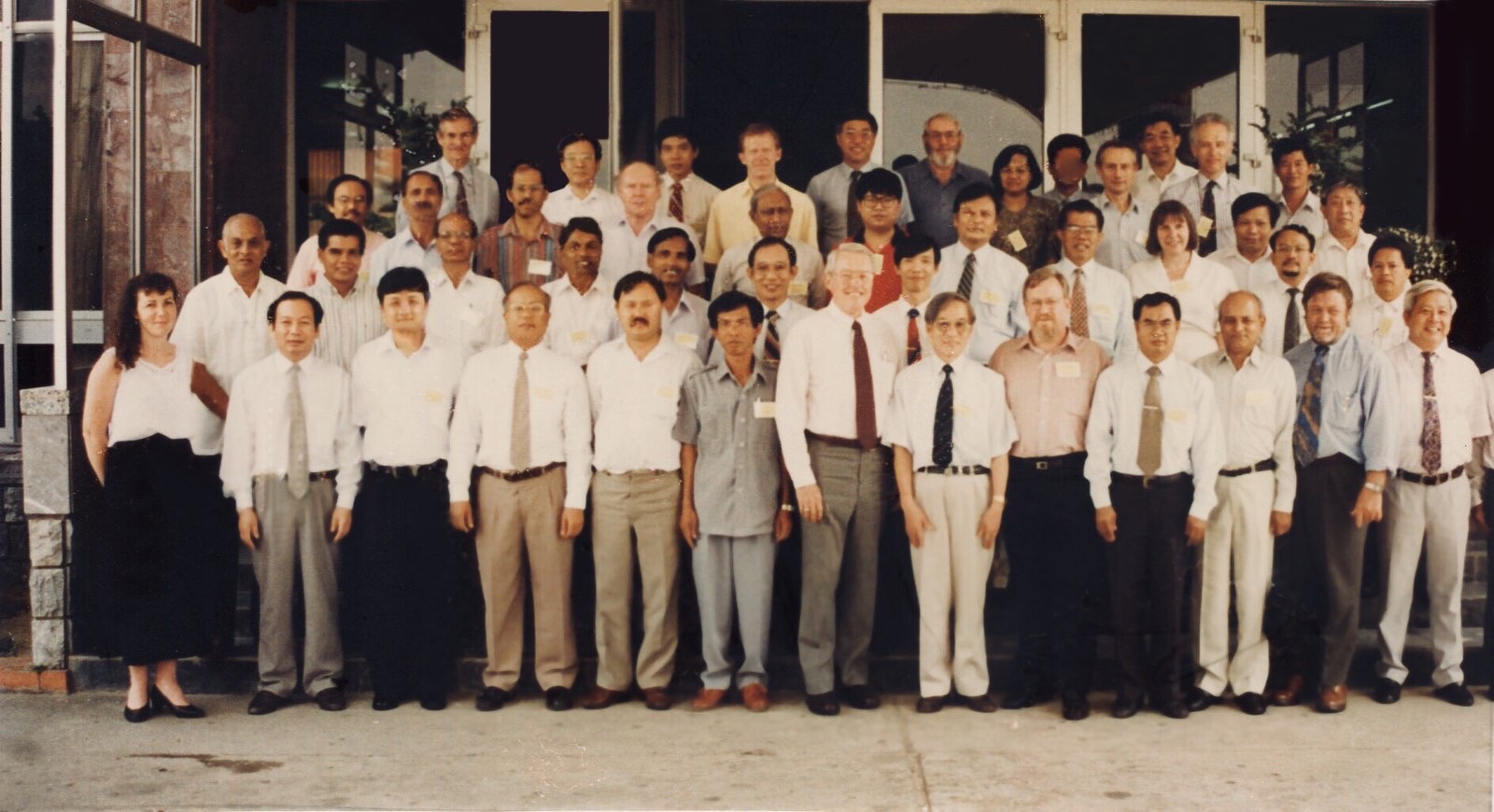
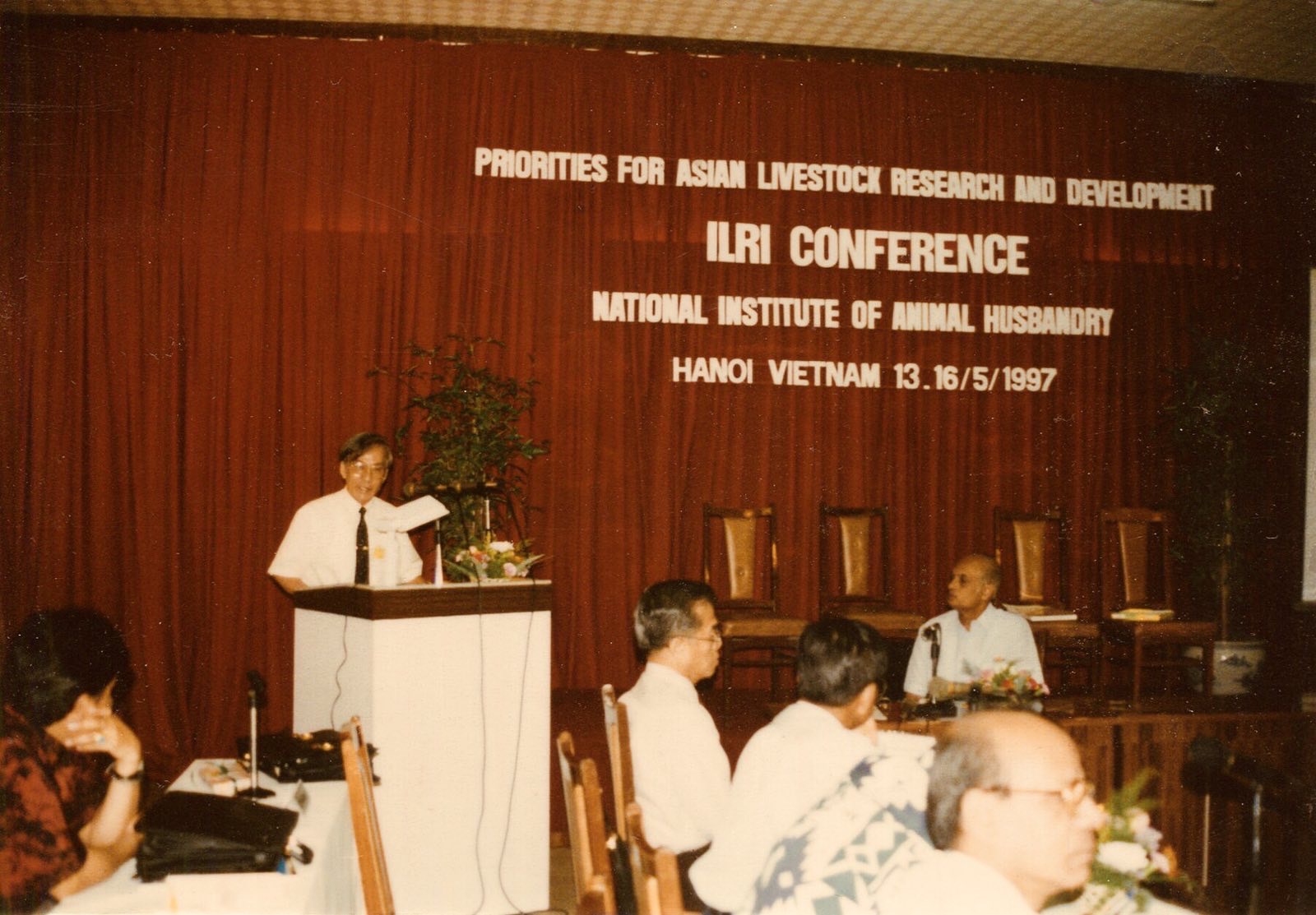
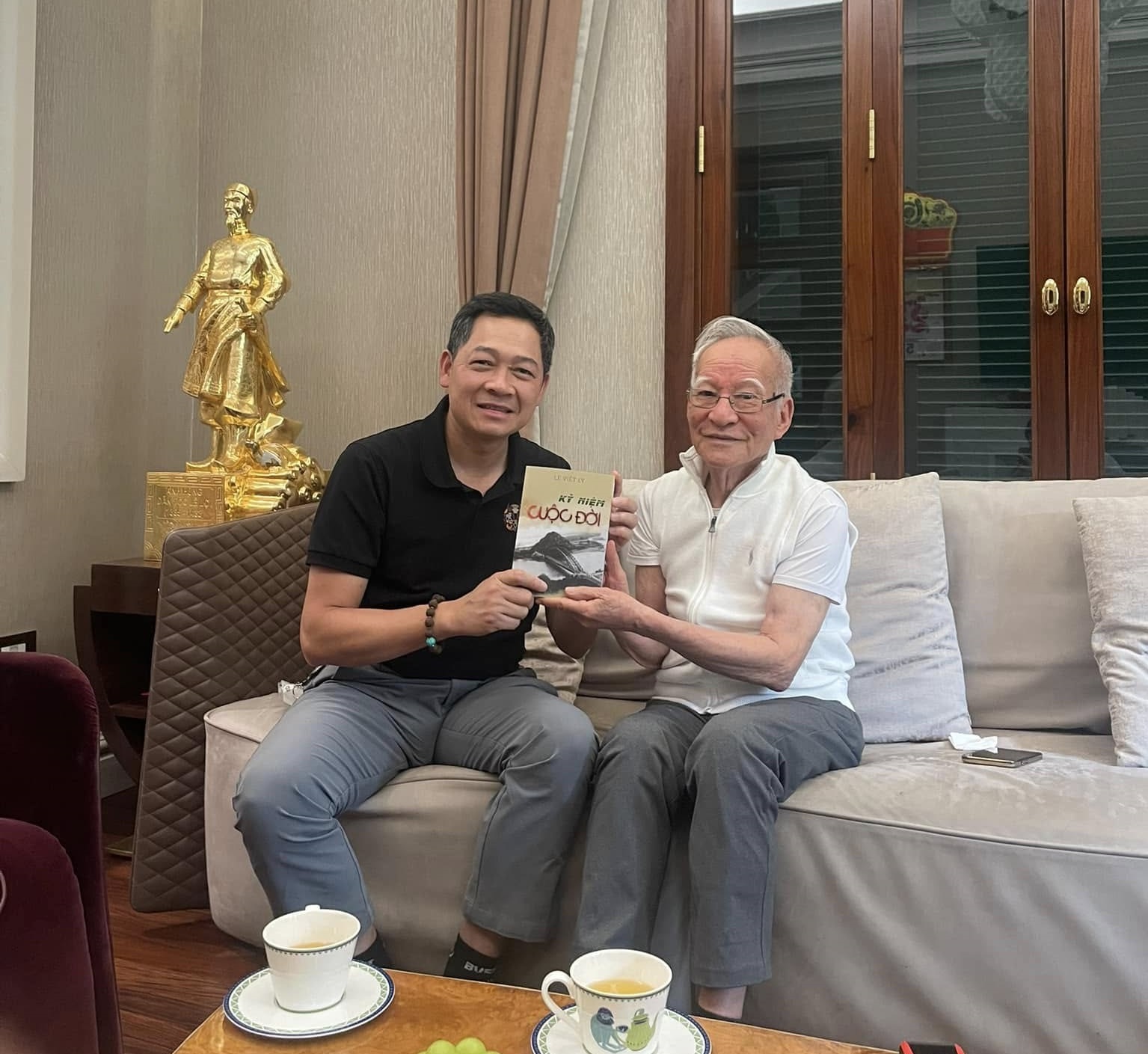
During a recent meeting with NIAS to celebrate the NIAS–ILRI partnership, Hung Nguyen, regional director for ILRI Asia, recalled that in 1997 NIAS hosted ILRI’s first meeting in Southeast Asia at NIAS office under the leadership and support of Le Viet Ly, who was then the deputy director general of NIAS. The meeting marked ILRI’s first steps in the region and the beginning of a strong and committed partnership. At that time, Hank Fitzhugh, ILRI’s first director general, was leading the institute’s global efforts in livestock research for development.
Reflecting on that meeting, he shared: “That meeting was very important for the successful development of ILRI’s programs in Asia. ILRI’s plans benefited a lot from NIAS expert’s advice and strong support. ILRI work in Vietnam and the region was shaped by their advice.”
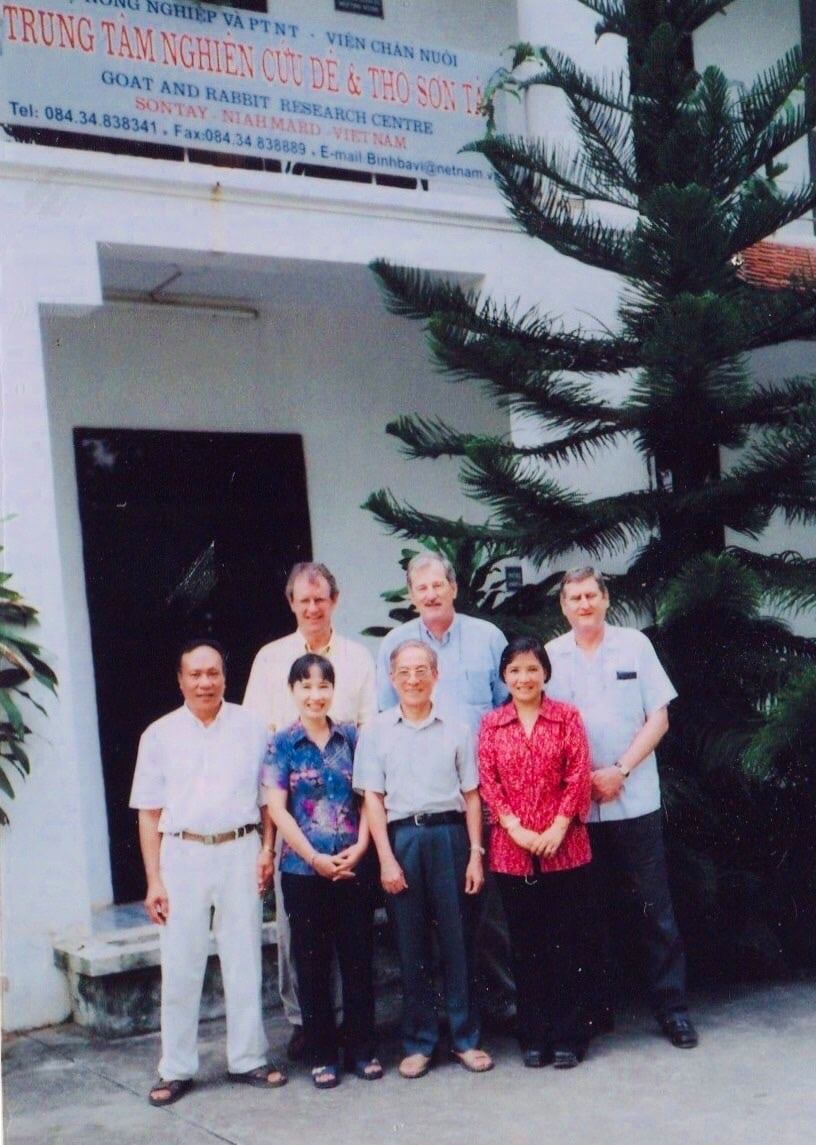
In 2008, Vietnam hosted the Asian-Australasian Association of Animal Production (AAAP) Conference, chaired by Le Viet Ly. The event featured ILRI’s then director general Carlos Seré, who made a keynote address on the role of smallholder livestock systems in the development of low- and middle-income countries (LMICs), further highlighting the shared vision between NIAS and ILRI in promoting inclusive livestock development.
Collaborative research for sustainable livestock and food systems
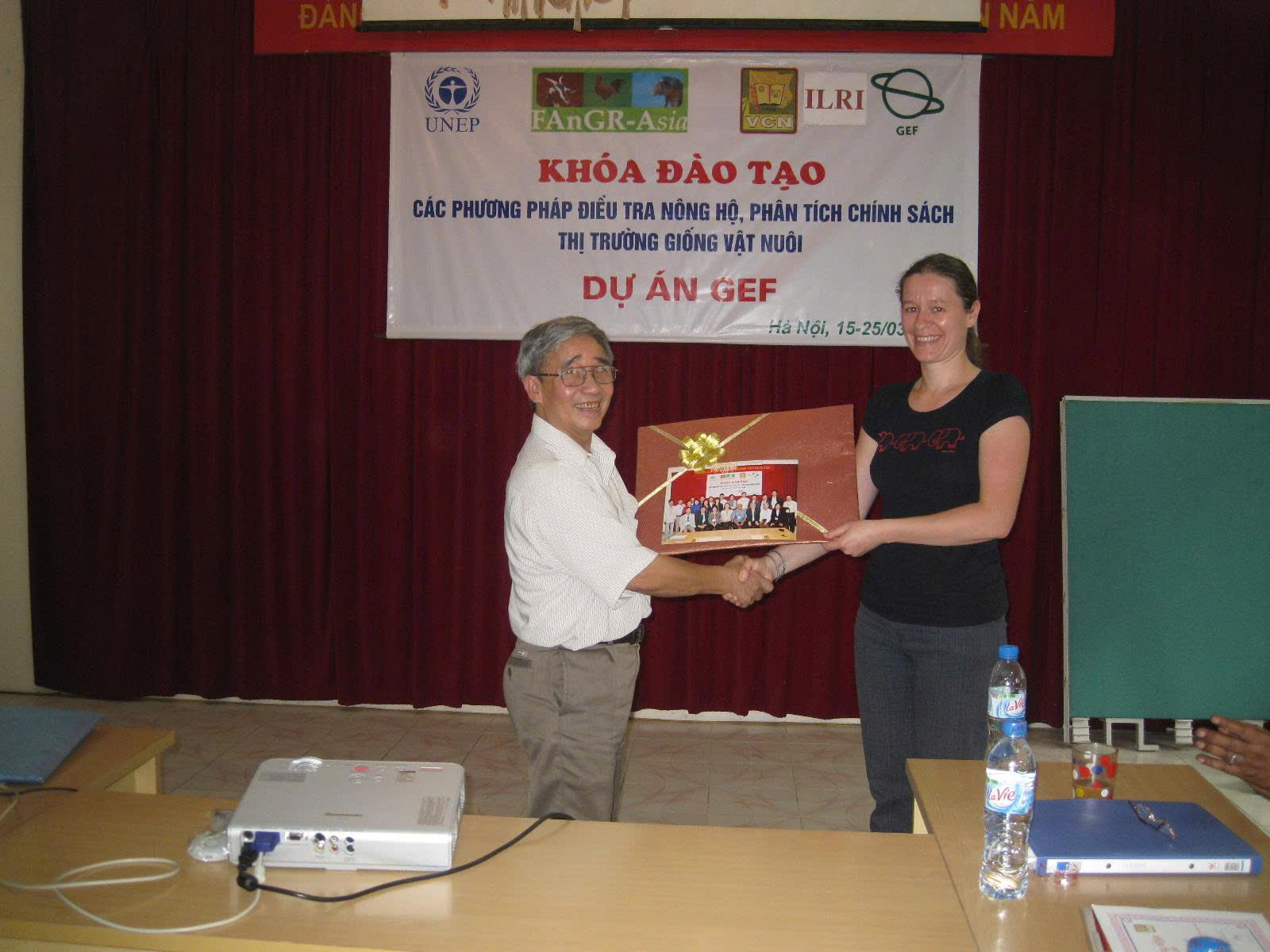
Between 2010 and 2012, the Global Environment Facility (GEF)-funded project 'Development and application of decision-support tools to conserve and sustainably use genetic diversity in indigenous livestock and wild relatives' was implemented in Vietnam through the ILRI–NIAS collaboration. Conducted in Son La, Bac Ninh and Hanoi, the project focused on indigenous chicken and pig breeds, promoting the conservation and sustainable use of local genetic resources.
From 2012 to 2024, the partnership expanded through various CGIAR Research Programs (CRPs). Under the Livestock and Fish CRP (2013–2017), NIAS and ILRI helped smallholder farmers produce more nutritious animal-source foods through improved breeds, feed, and management practices. The Agriculture for Nutrition and Health (A4NH) Program (2015–2018) built on this by linking agriculture, nutrition, and health to strengthen food safety and nutrition outcomes for Vietnam.
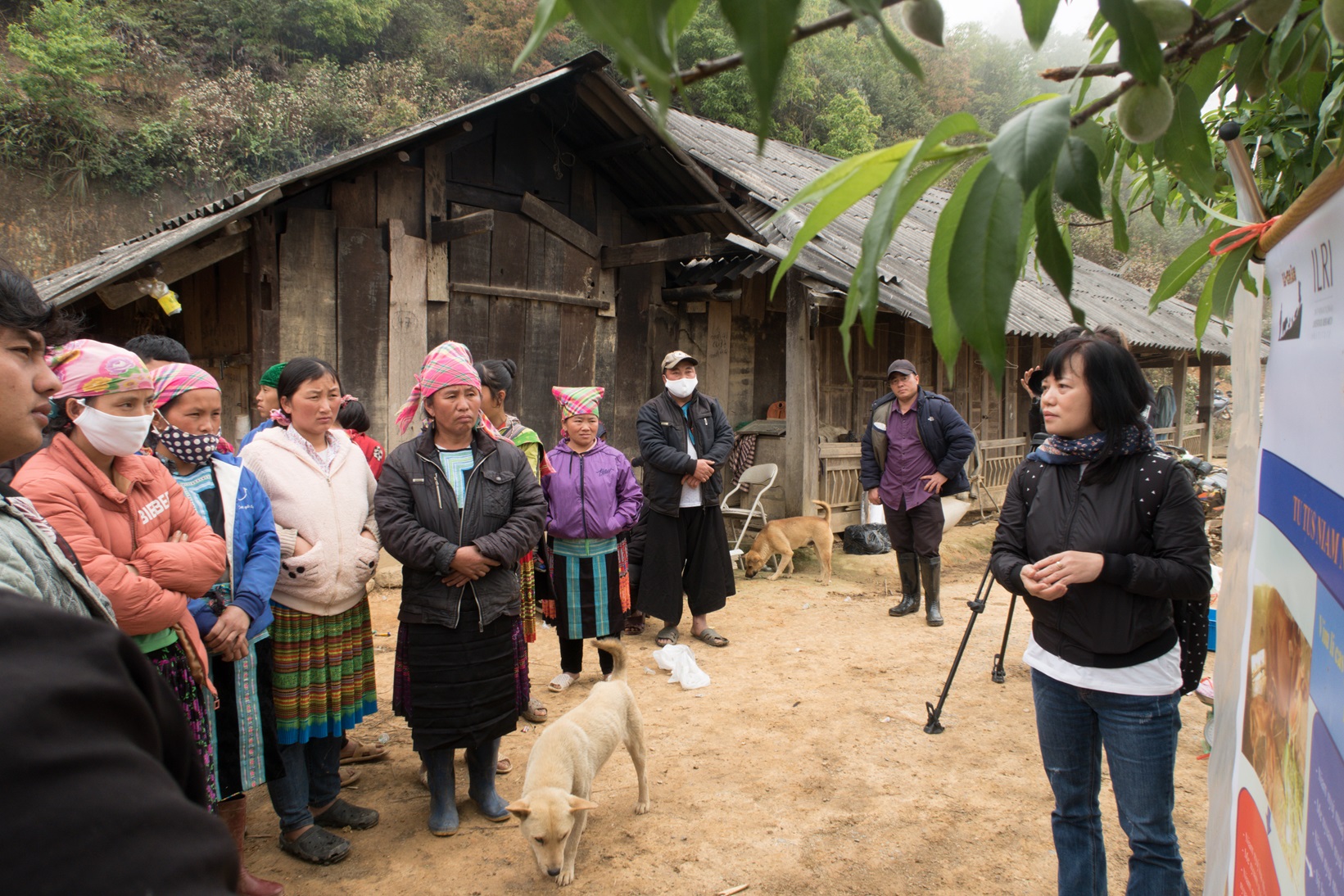
The collaboration continued under the Livestock CRP (2019–2022) and the CGIAR Initiative on Sustainable Animal Productivity (SAPLING, 2022–2024) in the northwest highlands. NIAS led components on genetic improvement and feed and forage systems, helping farmers raise healthier, more resilient animals while building the capacity of local staff and farmer groups.
Strengthen livestock value chains and food safety
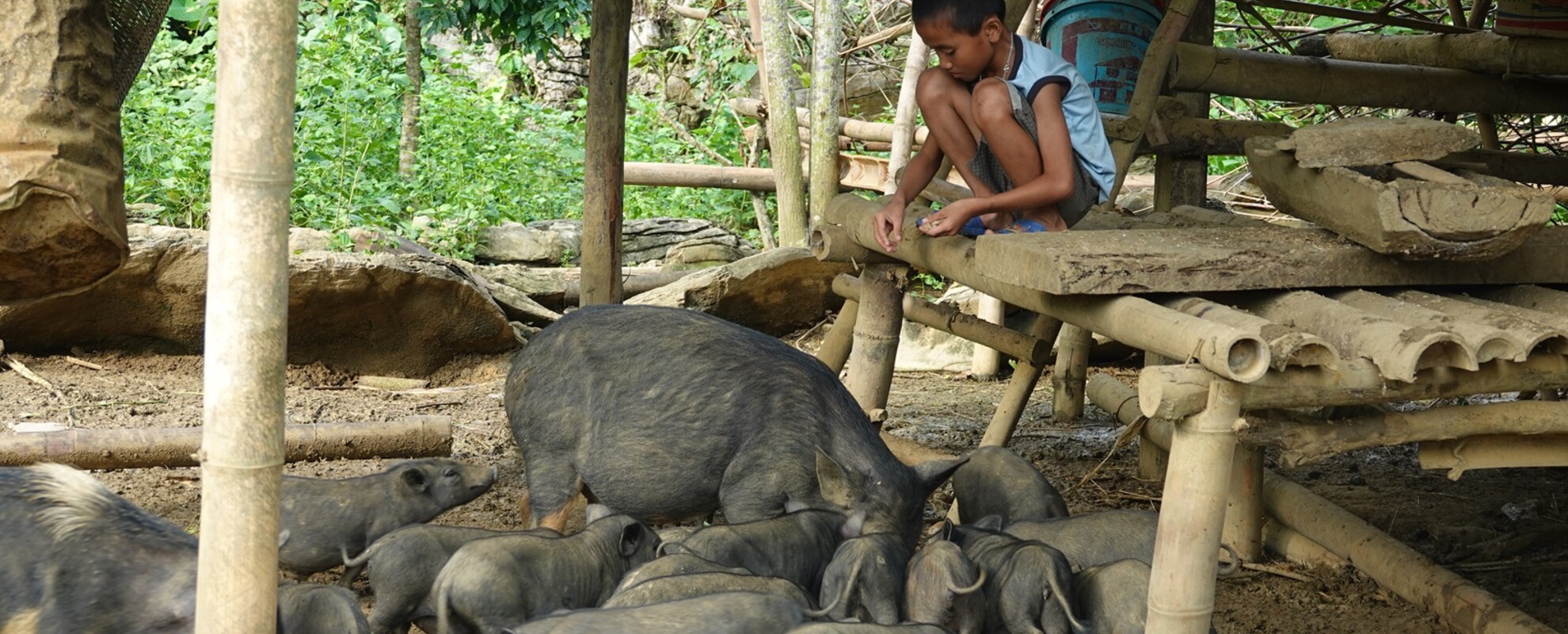
At the meantime, ILRI and NIAS worked together on several other bilateral projects. The Australian Centre for International Agricultural Research (ACIAR)-funded SafePORK project (2018–2022) improved food safety in smallholder pig value chains, promoting safer slaughtering and processing practices in traditional markets and reducing foodborne risks for consumers. NIAS also led work to enhance the Ban pig value chain in Hoa Binh Province (now Phu Tho Province), improving productivity and preserving valuable local genetics.
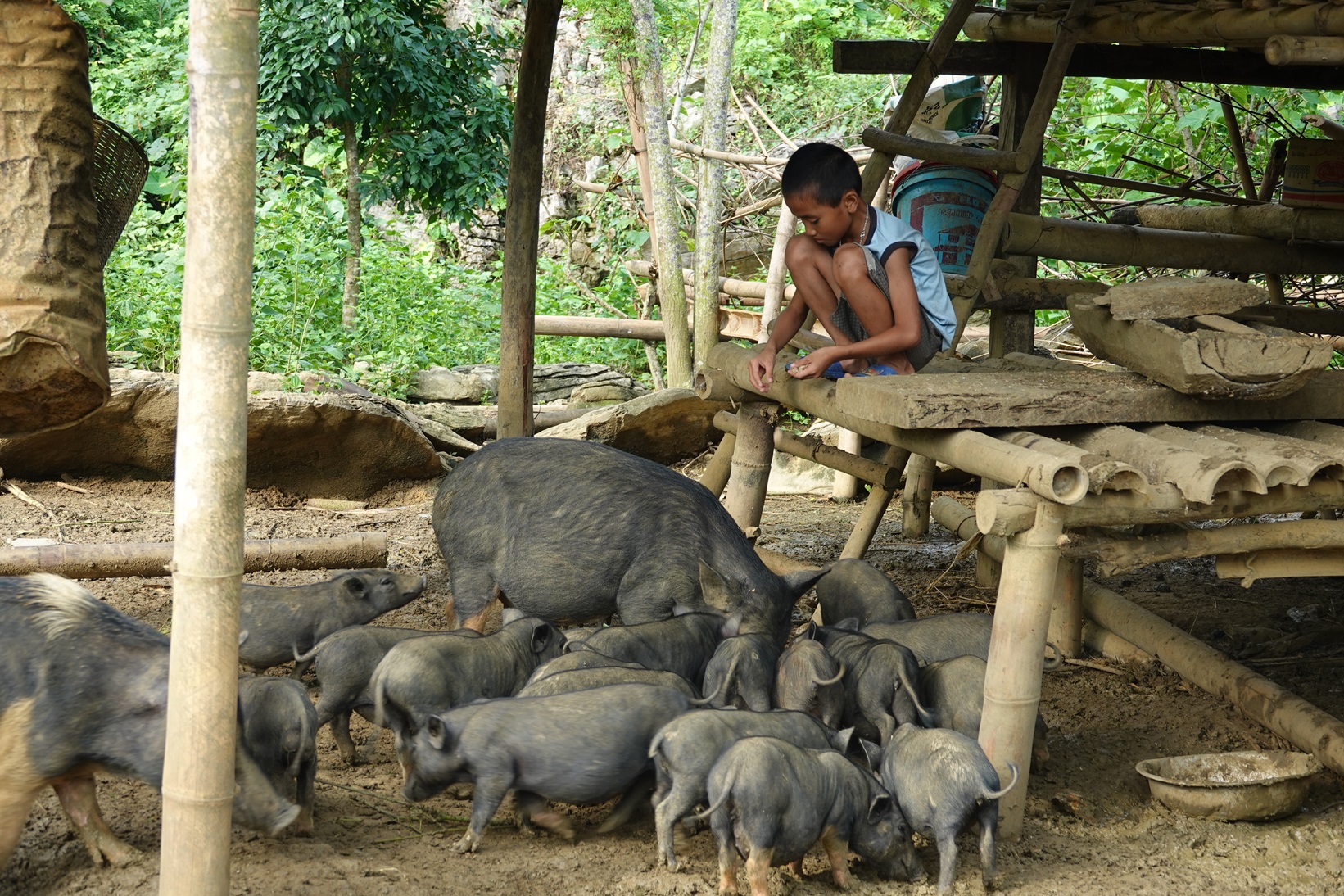
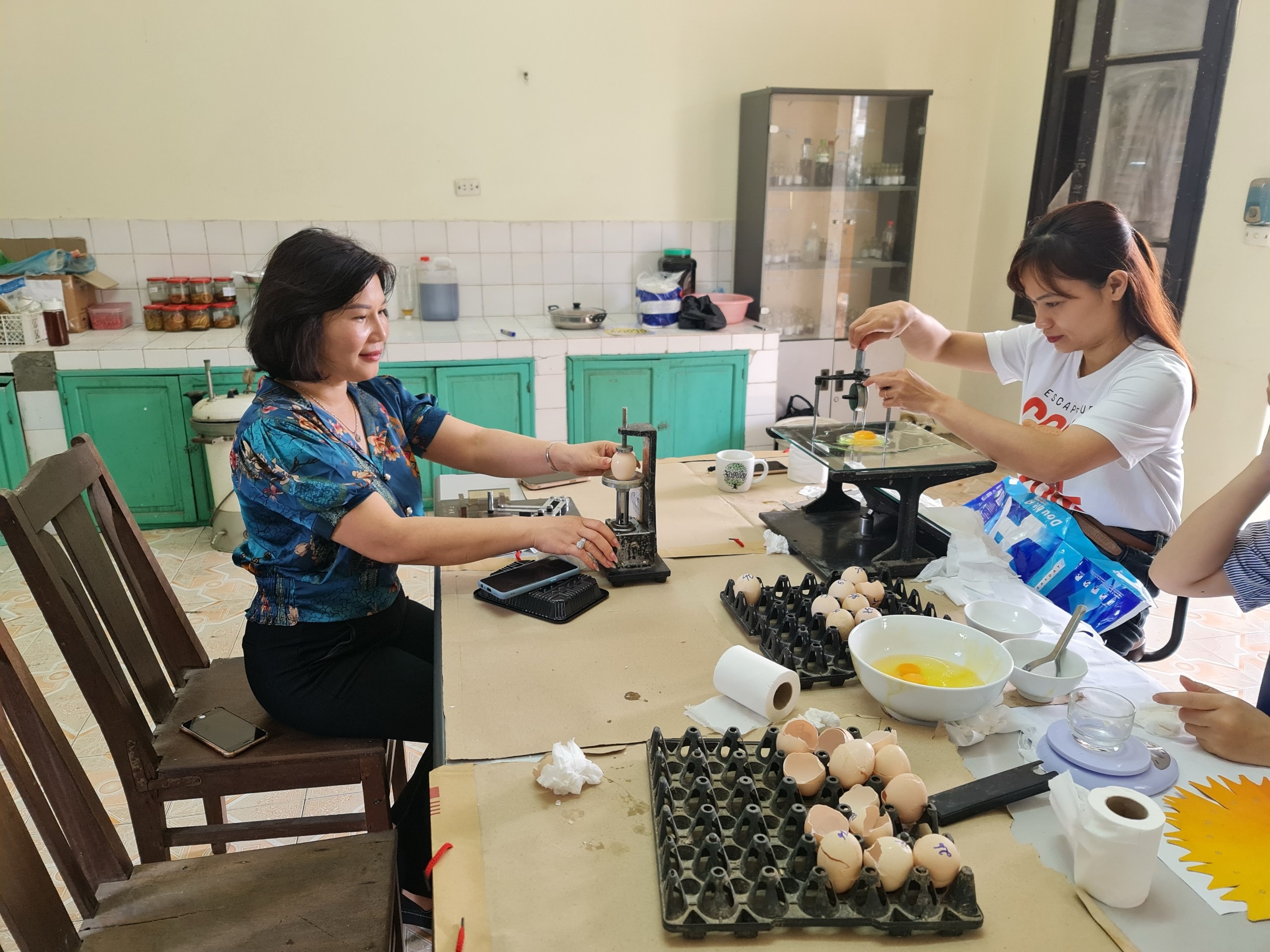
More recently, the Asian Chicken Genetic Gains (AsCGG) project (2021–2025), funded by ACIAR, has focused on improving chicken genetics, nutrition, and farmer livelihoods. Through NIAS’s leadership, smallholder poultry farmers have gained access to better breeds and management practices, leading to higher income and livelihoods for smallholder farmers.
Speaking at the launch of AsCGG Phase 2 recently, Pham Cong Thieu, director general of NIAS, emphasized the value of this collaboration: “The long partnership between NIAS and ILRI has gone beyond research. It has built trust, shared knowledge, and created impacts for communities in Vietnam.”
Looking ahead, AsCGG Phase 2 (2025–2029) and the CGIAR Science Program on Sustainable Animal and Aquatic Foods (SAAF, 2025–2030) will build on this foundation for more sustainable transformation of Vietnam’s food systems.
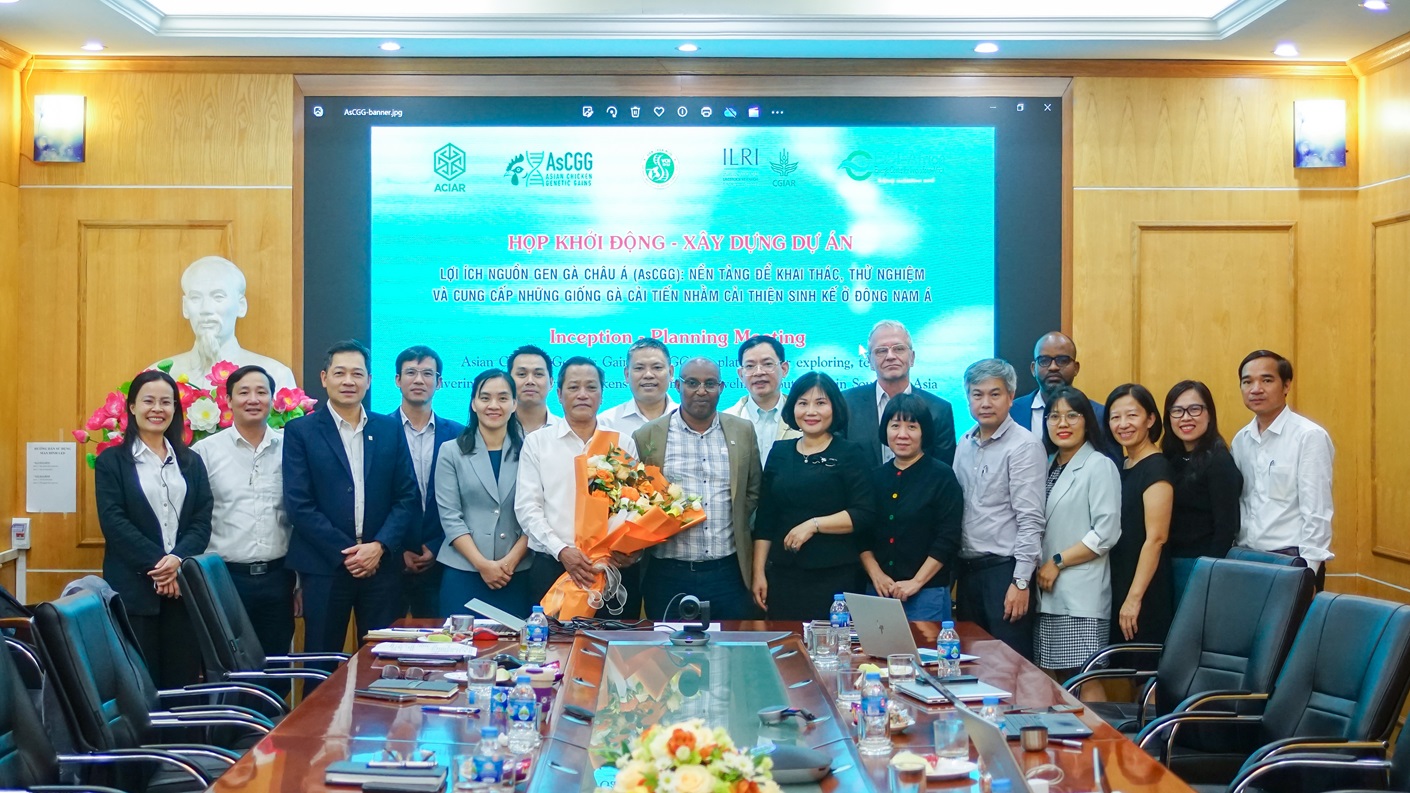
As ILRI and NIAS celebrate 30 years of partnership, we also celebrate all the people behind this success including the leaders, scientists, and communities who have worked closely with the two institutes to build a more sustainable livestock sector for Vietnam.
Read more:
Vietnam Institute of Animal Science and ILRI to enhance collaboration in livestock research
From national to local level: Leveraging SafePORK impacts on food safety in Vietnam
Australia-funded SafePORK project in Vietnam reviews 2020 achievements and sets goals for 2021