African swine fever virus binding proteins identification using a pig macrophages membrane protein library
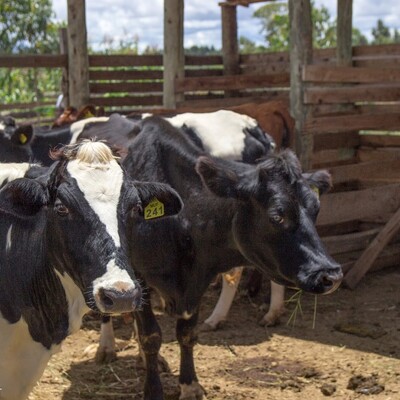
The African swine fever (ASF) pandemic, a haemorrhagic pig disease with mortality rates of up to 100%, is currently spread in four continents: Asia, Africa, Europe and America.
Even with the application of biosecurity and movement control measures, the disease is advancing to new regions every day.
ASF not only affects large international pig producers with astronomic economic losses but it also hampers the possibility of countries to build a strong pig industry.
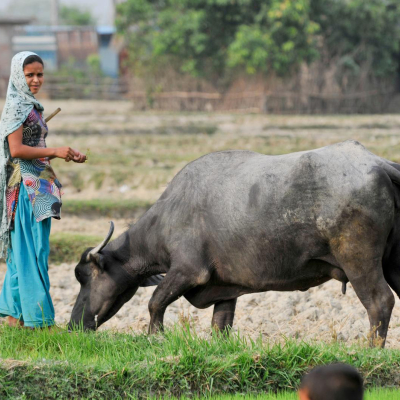
The disease also affects the livelihoods of smallholder pig farmers in low- and middle-income countries, with mostly backyard production systems, with women and the youth being the most affected.
Developing a safe and robust vaccine will provide an effective control measure for this devastating disease.
Although it is long known that the African swine fever virus (ASFV) targets pig monocytes/macrophages, the cell receptors involved in virus binding and the viral proteins involved in attachment and internalization have yet to be comprehensively screened and identified.
This knowledge gap prevents a rational vaccine design.
Currently, the research community is focused on developing live attenuated recombinant vaccines that, even effective, pose biosecurity concerns.
Subunit vaccines, based on non-infective parts of the virus, are a much safer alternative.
However, there are no consistent published results on efficacy, even when using the same antigens, ranging from partial protection to no-protection or even disease enhancement.
The identification of ASFV antigens eliciting an antibody response has been traditionally based on serum screening of domestic pigs surviving the viral infection.
Thus, the most immunodominant antigens were selected, leading to inconsistent protection results.
In 2018, through a previous grant from the International Veterinary Vaccinology Network, we selected a more comprehensive approach by screening warthog (resistant to disease) sera against an ASFV protein library (ASFVLibHEK293).
We identified four new antigens that only warthog sera (resistant) and not domestic pig sera (susceptible) could recognize.
The antigens were never identified before as potentially protective, and when used in immunogenicity studies, the antibodies generated proved very promising but not enough to completely inhibit infection, hence not enough to protect animals against a non-dose dependent infection where even 10 viral particles can kill an animal in less than a week.
This project uses another comprehensive approach where lentiviruses expressing pig monocyte/macrophage membrane protein will be transduced into non-ASFV permissive cell lines for receptor expression.
Virus binding to individual or combinations of outer membrane receptors will be evaluated, and the ASFV binding proteins responsible for the attachment/internalization to the cell will then be identified by mass spectrometry.
The newly identified proteins will be considered for a subunit cocktail vaccine, complementing the previously identified antigens.