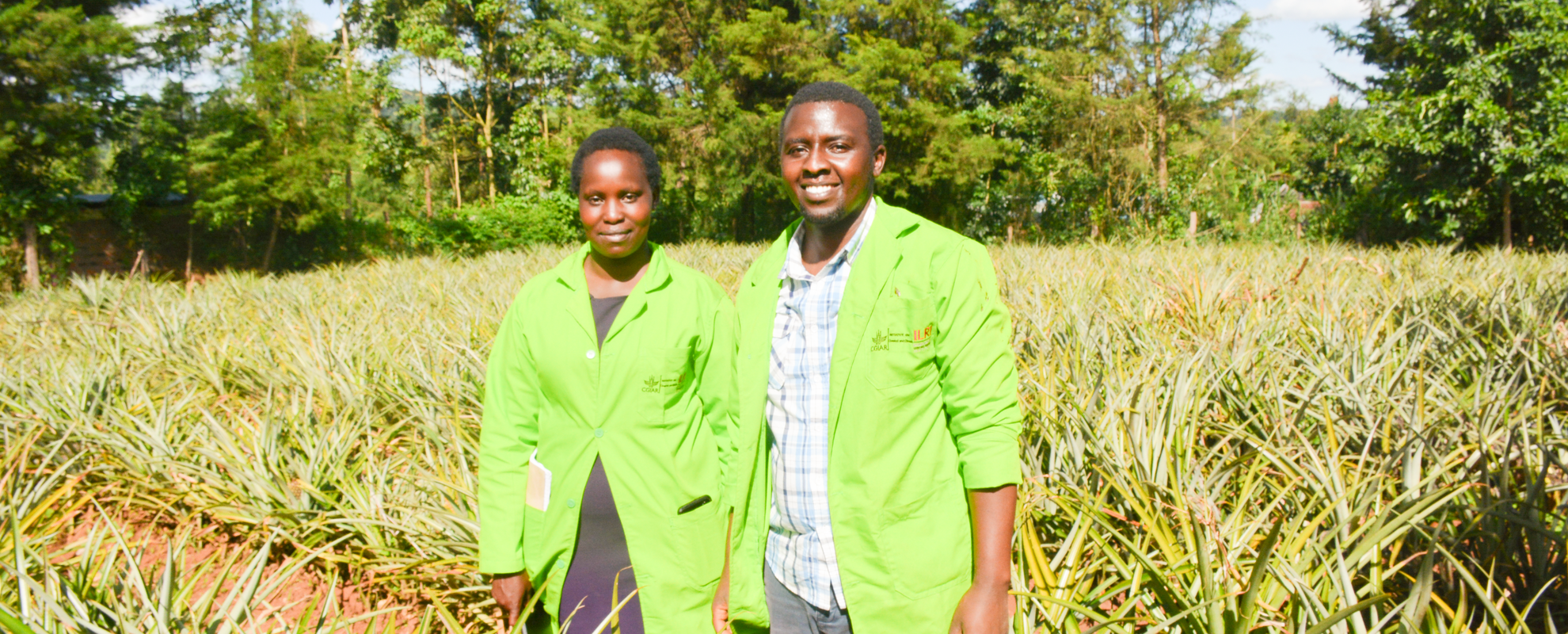
From humble beginnings to pioneers of resilient farming in Kipkewa Village – The rise of the Langat family farm.
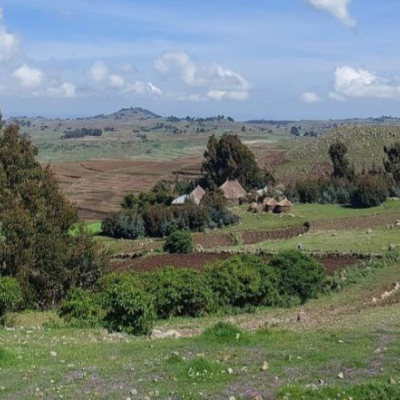
In the green hills of Kepkewa Village, Bomet County, a youthful couple - Nicholas Langat and his wife Rahab are quietly showcasing what it means to be pioneer smallholder farmers in Kenya.
The humble beginnings
Nicholas’ farming story didn’t start with grand ambitions. Like many young Kenyans, after completing high school, he simply wanted a mobile phone. But his late mother, in a moment that would change his life, refused to buy it for him. Instead, she pointed to their land and said, "Use that to get your mobile phone!"
That challenge set him on an unexpected path. He planted his first crops, braised collard greens, popularly known as ‘sukuma wiki’ sold the harvest, and bought himself the phone. This was even before he stepped into university. That small success planted a seed of hope and curiosity. He asked himself, could farming be more than just for subsistence?
By 2019, Nicholas and Rahab were fully committed to farming, turning the family land into a diversified farm. Today, the Langats’ farm is a vibrant mix of dairy cows, poultry, pineapples, bananas and fodder crops, each enterprise carefully chosen to complement the others.
The art of adaptation
“What makes Nicholas and Rahab stand out is their ability to adapt. They are not afraid to experiment, learn, and adjust,” says Nathan Maiyo, ILRI Research Associate based in Bomet County. Nathan works closely with the pioneer farmers in the county.
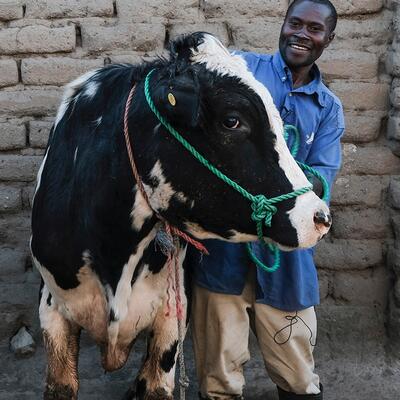
Take the Langat’s dairy operation, as an example. Nicholas and Rahab started with six Friesian cows under zero-grazing, meticulously managing feed and milk production. But when a neighbor decided to sell his land, Nicholas and Rahab were faced with a tough decision. They wanted the land but had no ready cash.
“Land is scarce and valuable, while livestock can be replenished, so we decided to sell five of the six cows, keeping just one dairy cow and a heifer, and used the money to buy the land,” explains Nicholas.
"Some people thought we were crazy," he laughs. "But had we waited, the opportunity to get that land would have gone, perhaps forever." With just one cow and a heifer, Nicholas and Rahab have been doing free range grazing, however they plan to reintroduce zero-grazing dairy farming, this time with improved breeds and optimized feeding systems. Since they now have a bigger space, they plan to rebuild their herd to 20 cows, using a smarter grazing system that maximizes milk quality while minimizing costs.
Rahab’s poultry enterprise
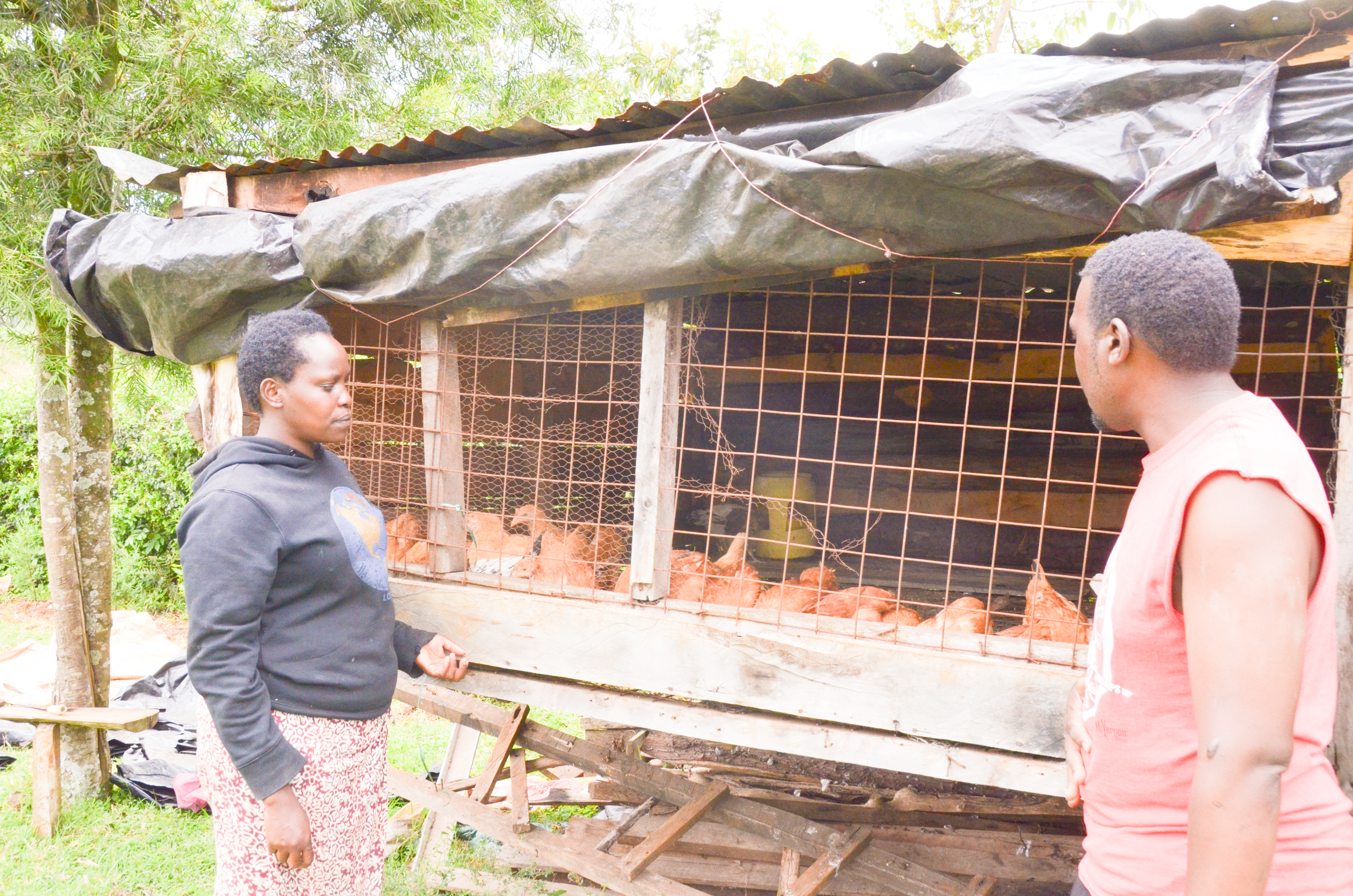
While Nicholas focuses on dairy, Rahab has carved her own path in poultry farming. Her journey hasn’t been linear. She first tried raising improved local breed ‘kienyeji’ chickens. However, during the COVID-19 pandemic, the market got flooded and her project collapsed.
Instead of giving up, she stepped back, researched, and tried again. She attended trainings by ILRI, where she learned better poultry feeding strategies and disease management. Now, with 40 chickens for a start, she is rebuilding her business with more knowledge and more confidence.
"Previously, diseases like Koryza would wipe out my flock," she says. “But now I am better equipped to treat and prevent their spread.”
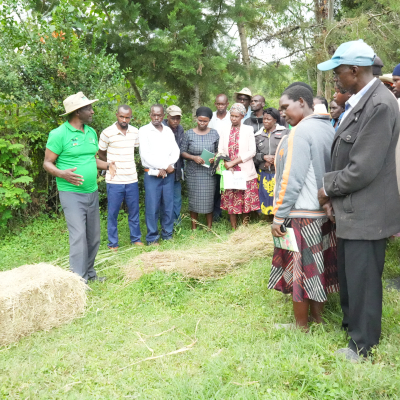
Through ILRI the Langat’s have also attended several farmer field days and exchange visits. They have also hosted local farmers field days on their farm.
The power of Russian comfrey as protein supplement
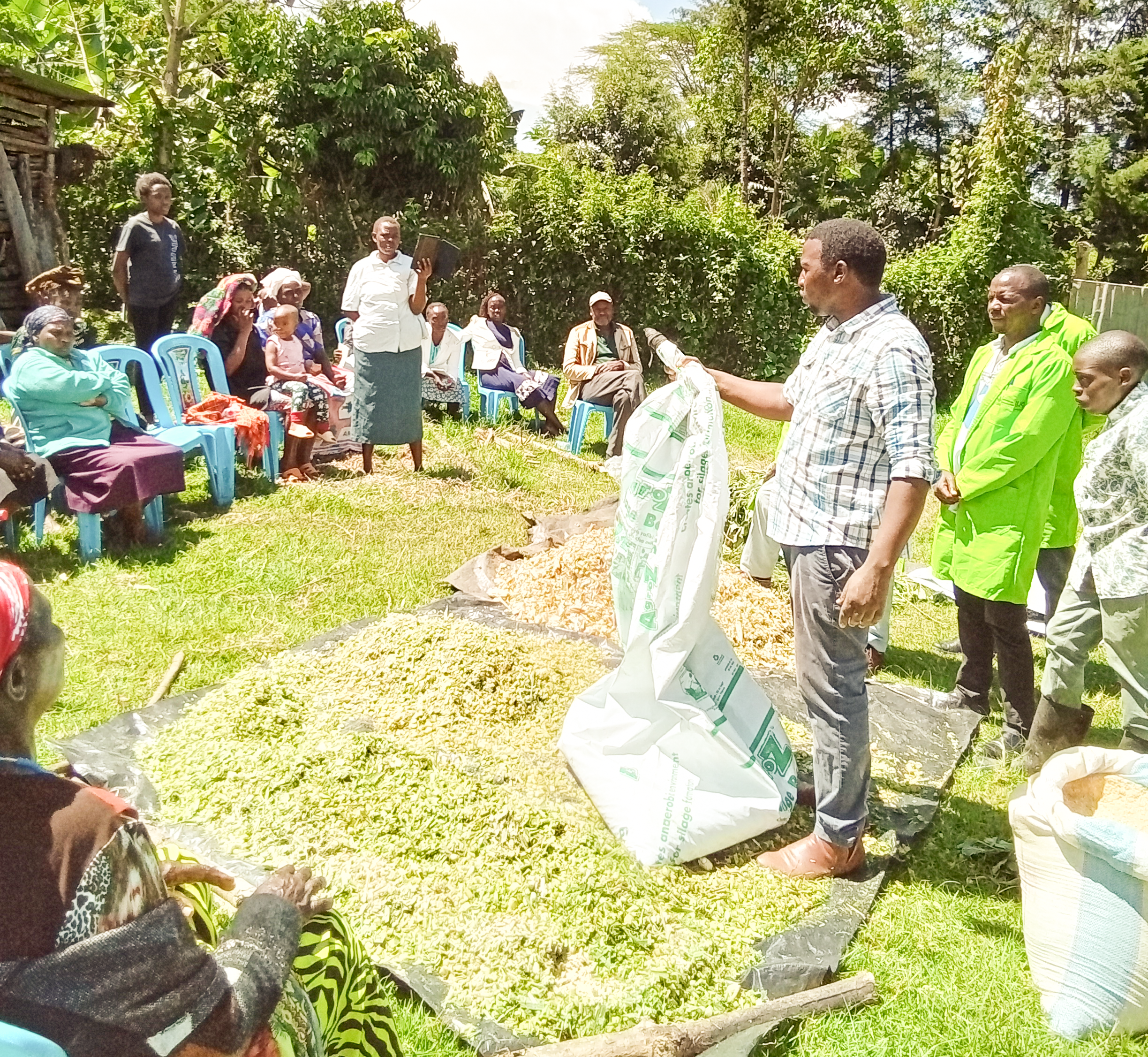
If there is one ‘secret weapon’ on the Langats’ farm, it is a crop fodder known as Russian comfrey. This fast-growing plant, rich in protein, has revolutionized their approach to both livestock and poultry feed. Unlike commercial dairy meal, which is expensive and sometime inconsistent in quality, Russian comfrey can be grown on-farm, cutting feed costs significantly.
"It has 23% crude protein, which is higher than most bought feeds and it regrows quickly, so for now we never run out of it," explains Nicholas.
“Neighbouring farmers who have seen the results from the supplements often visit their farm for cuttings.
Diversification
Diversification is yet another key to their success. Beyond dairy and poultry, the Langat’s grow pineapples and bananas, crops that they chose for their market demand and resilience. Nicholas got the pineapple idea after visiting a cousin in the neighbouring county of Kericho who had a thriving pineapple farm. After every four days, the Langats harvest pineapples from their quarter-acre pineapple plot, and supply these to the local market. "We are the only ones growing pineapples in this area, so buyers come straight to the farm," says Rahab.
Learning from ‘failures’
But not every experiment succeeds. For the past five year, the Langat’s have tried raising turkeys, but despite vaccinations and diligent care, the chicks keep dying.
"We are not giving up, though," Nicholas says. "We have heard the Red Brone variety is hardier, so we will try again someday.”
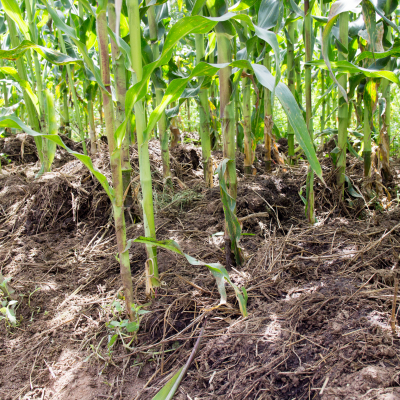
For the Langat’s, feed independence equals freedom. The more they can produce on-farm, the less they will need to rely on expensive external inputs. Russian comfrey, Nappier grass, and crop residues now form a significant part of their livestock diet, slashing costs and insulating them from fluctuations of market feed prices.
Looking Ahead
With access to more space, Nicholas and Rahab aim to gradually grow their herd to 20 cows, employing a smarter grazing approach designed to enhance milk quality while keeping costs low. Rahab on the other hand aims to scale her poultry operation to 1,000 birds, venturing into broilers for meat production. And both dream of expanding their pineapple fields, turning their farm into a true agribusiness hub. But beyond the numbers and plans, their story carries a deeper message. In a world where many young people see farming as outdated, the Langat’s prove it can be dynamic, profitable, and fulfilling.
About the Adaptation Pioneer Farmers
Nicholas and Rahab are part of 50 pioneer adaptation farmers that ILRI is working with in two counties to promote farmer-led local solutions to climate change in dairy. The pioneer adaptation farmers share locally developed solutions through farmer-led networks and peer-to-peer learning.
Acknowledgement
This activity was implemented through the CGIAR Livestock, Climate and Environment (LCE) which is funded through the CGIAR Trust Fund.
Part of this work was financed by the Global Centre on Biodiversity for Climate (GCBC), an Official Development Assistance (ODA) program that funds research into natural solutions to biodiversity loss, climate change, and poverty.
Links to resources
Transformation from the ground: Adaptation pioneers as agents of change through climate-resilient agriculture. Nairobi, Kenya: ILRI.