No one's waiting: Farmers are driving climate adaptation one solution at a time
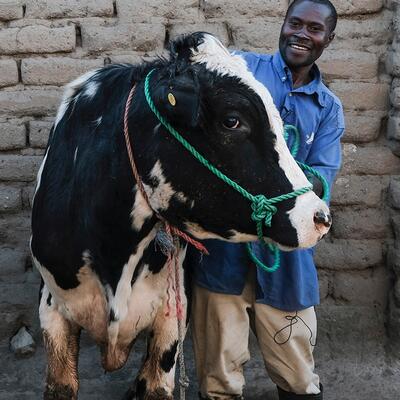
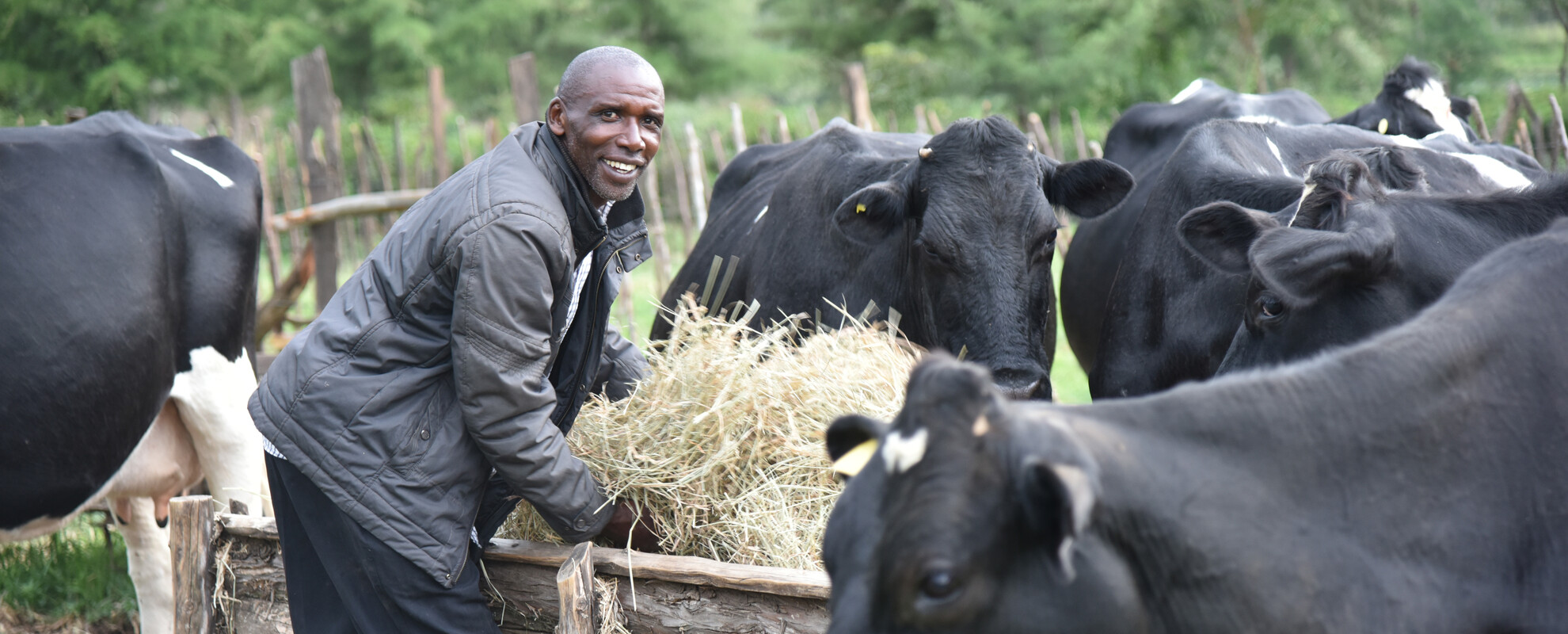
In a quiet corner of Kenya’s Bomet County, farmers Doreen and Edwin Mitey are pushing the frontiers of climate adaptation—and inspiring fellow farmers to do the same.
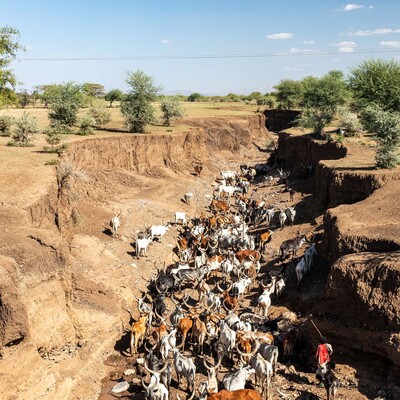
On the Miteys’ mixed dairy farm—as across much of the continent—dry-season droughts are getting longer, prompting water shortages and affecting grass growth. Meanwhile, increasingly frequent and intense storms are causing flooding and hailstorms, destroying many fodder crops before they can be harvested.
When less feed is available, livestock are less productive: in particular, cows produce much less milk. For farmers like Doreen and Edwin—who keep a small herd of dairy cows alongside raising chickens and growing food crops—that makes a big impact, as selling milk is their main form of livelihood. The changing conditions have also caused new crop diseases to emerge, including the devastating Maize Lethal Necrosis—a crop they’d been relying on for silage, dairy meal, and as a core part of their own diets.
Yet this innovative couple has responded to the shifts in creative ways—and they’re now reaping the results.
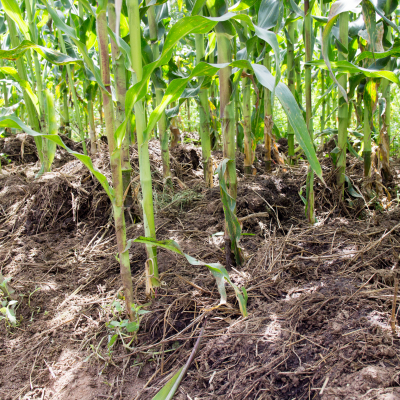
First, they downsized their cattle herd by nearly 50%, from 27 to 14 animals, to reduce the need for feed and focus on breed improvement and increasing per-cow productivity. Next, they worked out how to make sure they always had feed on hand for the drier months. They began making silage out of sorghum instead of maize, and after a long period of trial and error have perfected an above-ground silage method, which is less labour-intensive and flood-vulnerable than the conventional practice of pit silage.
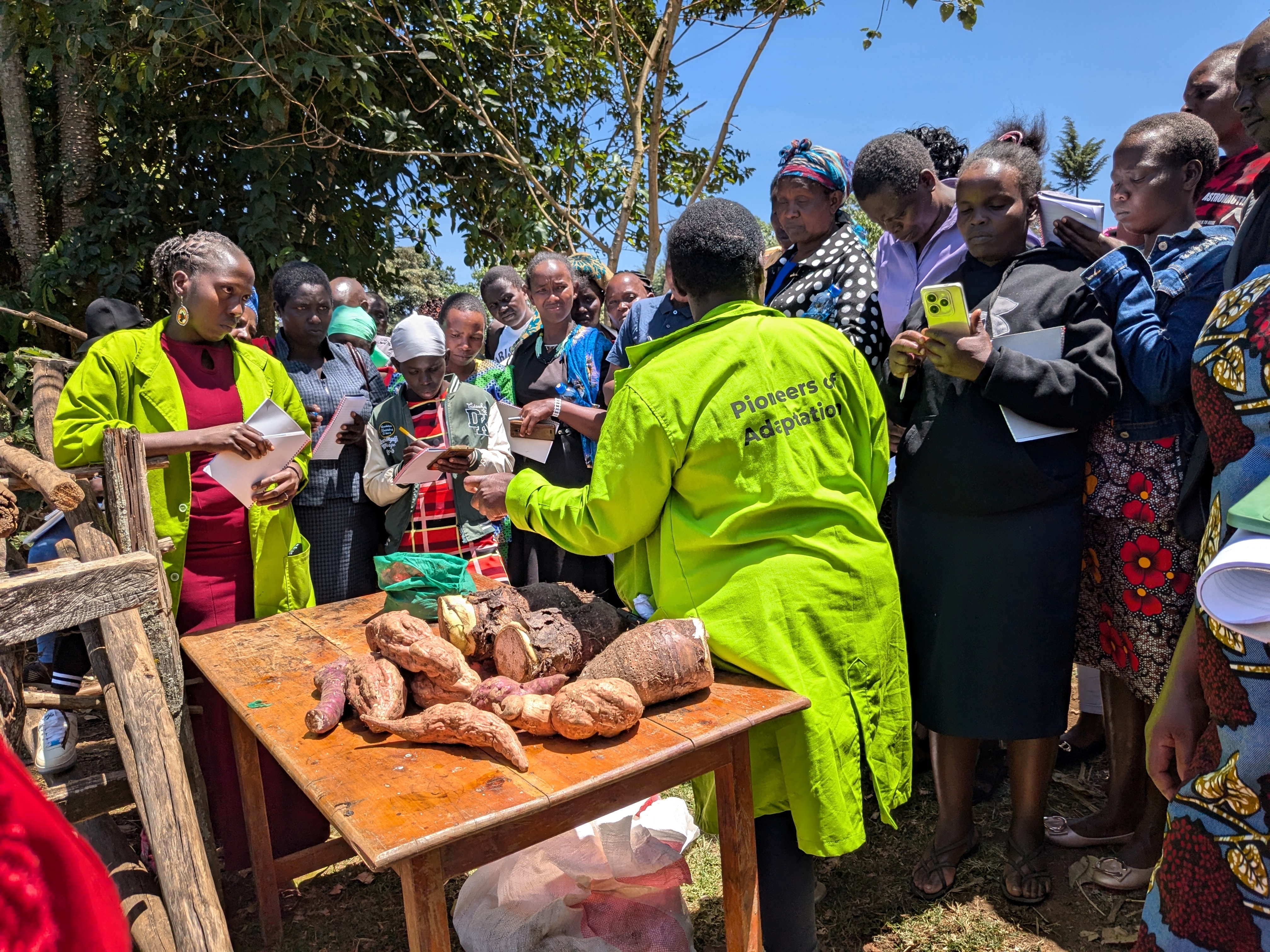
Having seen first-hand the vulnerability of relying heavily on a single crop, the family has diversified their own food sources, alongside that of their animals: they now grow arrowroot, sweet potatoes, bananas, avocados, pumpkin, butternut, cassava, desmodium, oats, Boma Rhodes grass, and sunflowers. To address water shortages, they’ve sunk a borehole, added more water tanks and boosted rainwater harvest.
‘We also started crossbreeding our cows towards adaptive breeds that can tolerate the changing climate,’ said Edwin.
Leading the charge
Now, the Miteys’ findings could shape the futures of many other farmers, too. In 2019, they were selected as ‘Climate Adaptation Pioneers‘ in a program led by researchers at the International Livestock Research Institute (ILRI), which supports grassroots innovators like Doreen and Edwin to inspire others and grow a network of farmers sharing insights to adapt productively to climate change.
The farmer-led scaling program—currently operational in Kenya and Ethiopia, and in a scoping phase in Colombia—represents a fresh slant on a pressing issue. Adaptation support is critical, but most attempts still take a top-down, extension-driven approach of imposing solutions from elsewhere, despite mounting evidence of the efficacy and importance of locally-led, participatory solutions. Meanwhile, across the planet, countless farmers are observing the shifts in patterns and processes—and devising new ways to respond.
To support such responses, the program makes use of the Pioneer Positive Deviance (P-PD) model to identify and empower these farmers that—despite facing the same resource constraints as others in their communities—are already developing scalable, context-specific innovations. The model then connects farmers with each other through peer-led learning networks—including through field days, printed information materials and digital tools—and brings in local extension agents, service providers, and microfinance institutions to co-create enabling environments for scale.
‘We selected this approach as an answer to a question that we keep hearing: “why do farmers not adopt the technologies that researchers offer to them?”’ said Birgit Habermann, a scientist at ILRI and the leader of the program, in an interview.
‘Farmers will only adopt what they know can work for them, and it may not be what researchers believe will work for them. Adaptation pioneers are the practical peer reviewers that agricultural research for development needs to better support farmers in adapting to climate change.’
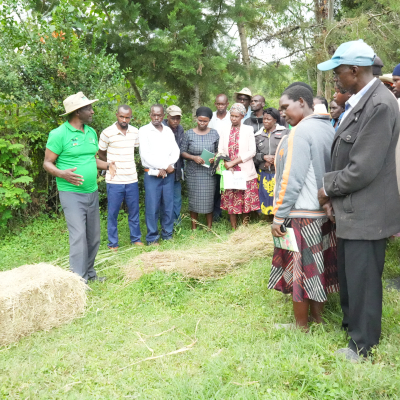
Once a pioneer proves an innovation’s worth, it’s much more likely that other locals will follow suit, said Evans Kiplagat, Bomet County Government’s director of livestock production, during a field day at a pioneer farm in June 2024. ‘It is easy for the farmers who attend to appreciate one of their own, living under the same conditions.’ They’re also more likely to pass that knowledge on further: a recent assessment showed that 80% of surveyed farmers actively pass on their learnings to neighbours and friends.
‘It’s clear now that beyond the program interventions, people are continuing to learn from the pioneer farmers—and sharing that knowledge within their own networks, too,’ said ILRI research officer Leah Gichuki.
In the process, those pioneers are building leadership skills to increase their effectiveness and branch out into new areas,’ she explained. ‘They’ve developed a lot more confidence in facilitating diverse topics, managing logistics, and networking.’
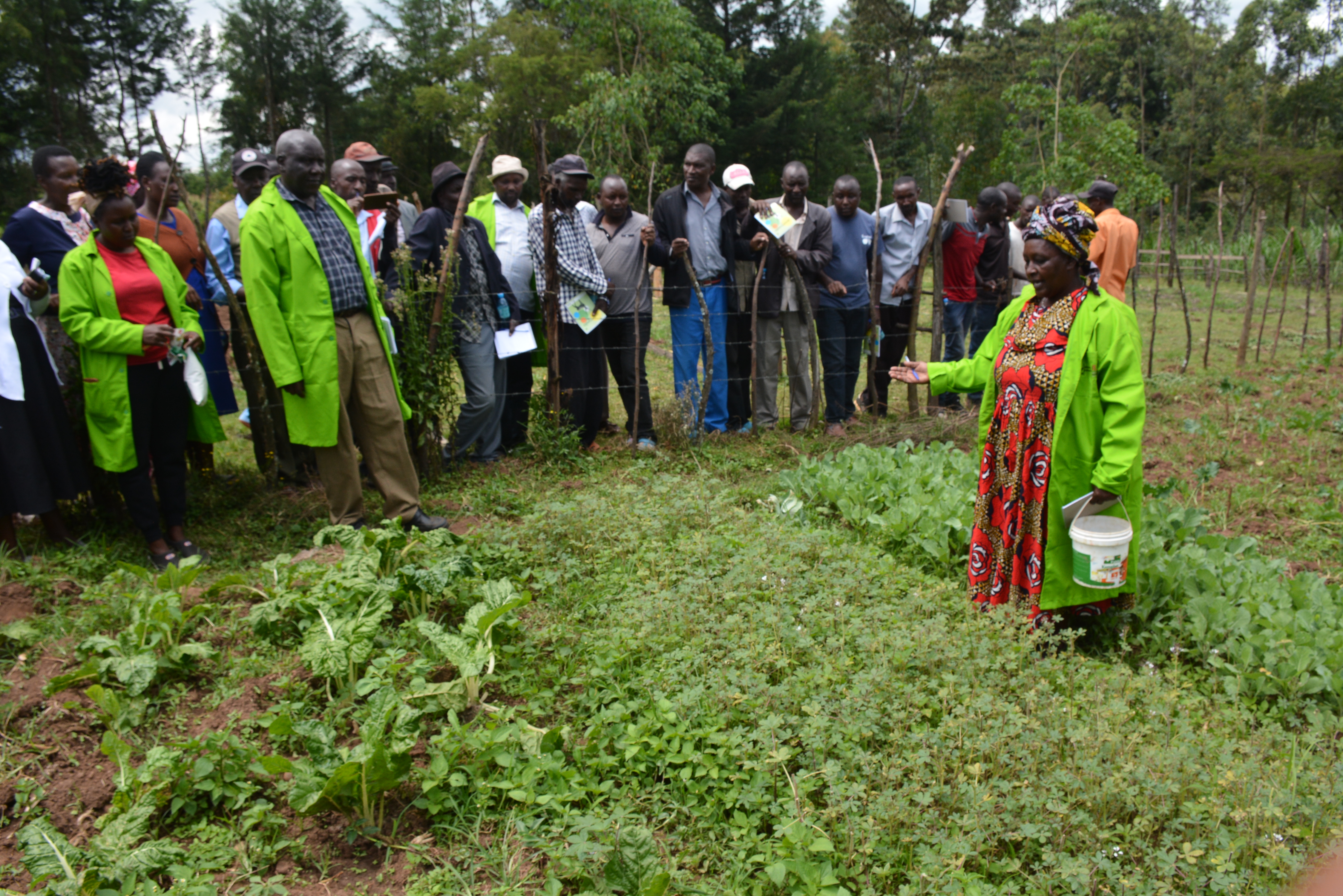
Connecting with international organizations like ILRI has also helped farmers to engage with solutions from elsewhere—but to do so on their own terms.
‘Through ILRI engagements, we are better connected to artificial insemination services, we can interpret bull catalogues, and we have perfected calf rearing,’ said Edwin Mitey. ‘We have also managed to control diseases through preventative measures like vaccinations. Our next plan is to construct a biogas digester to make use of animal waste.’
Wider ripples
So far, the PP-D program has connected over 28,000 households across Kenya, Ethiopia and Colombia with climate-smart livestock practices. The most popular of these have been fodder establishment and feeding innovations, such as managing and using crop residues as livestock feed, hay and silage making, and developing home-made concentrates. Farmers who implement these innovations are reporting improved productivity, livestock health, household nutrition, and access to sustainable feed and breeding methods: impact data from Kenya shows a 75% increase in milk production, 52% better livestock health, and 30 % enhanced cost efficiency.
In Kenya’s Bomet and Nandi counties, 45 pioneer households have so far engaged more than 4,400 participants across 37 farmer-led field days, ultimately connecting 15,424 farmers with climate-smart livestock practices through farmer-to-farmer networks.
‘The program has clearly contributed to the stability of milk production in our area by increasing the availability of livestock feeds,’ said Robert Wakoli, Nandi County’s director of livestock production. ‘This has been achieved through the adoption of more adaptable forages, conservation interventions, and proper utilization of available feed resources.’
The research team and pioneer farmers also co-authored a booklet on dairy feed management, and over 20,000 copies have been distributed. The model is now being integrated into local government extension programs and expanding to new regions.
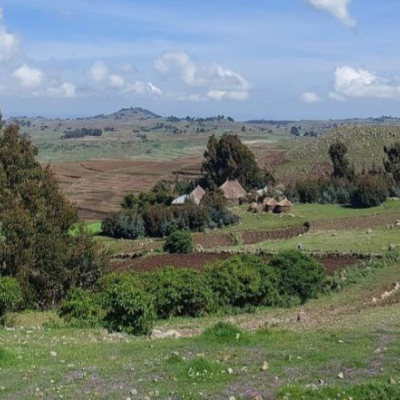
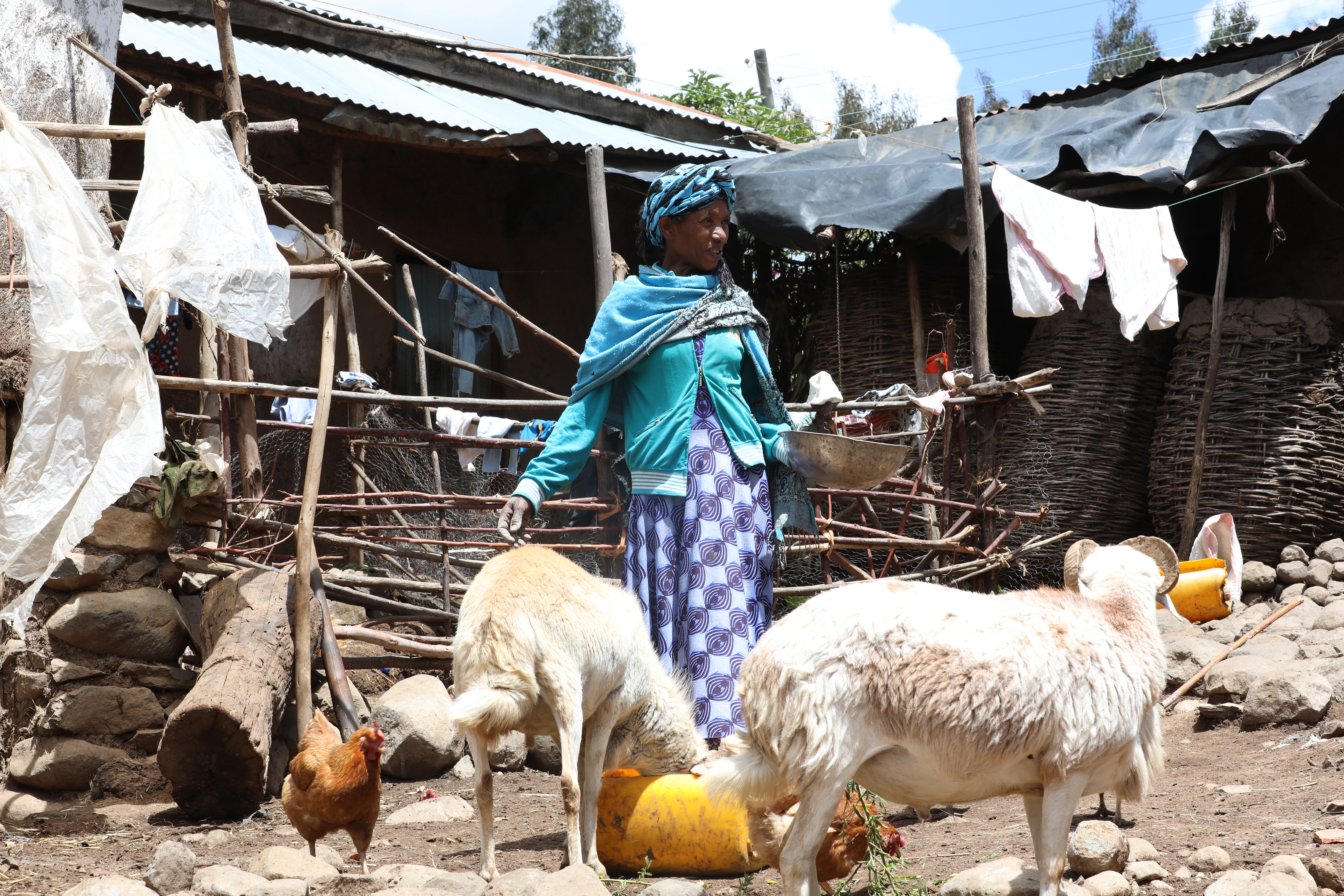
In Ethiopia, the program focused first on 40 pioneer households carrying out sheep fattening in the dry, mountainous Amhara Region. While implementation was hampered by conflict and security challenges, the research team and pioneers managed to co-develop a booklet on climate-smart practices, and 13,000 copies have so far been distributed to farmers in 36 villages. Since then, three Ethiopian universities have expressed interest in integrating P-PD into their curriculum, and the World Bank is interested in expanding the approach to new areas, as part of a USD 340 million initiative to strengthen climate resilience in the country’s pastoral lowlands.
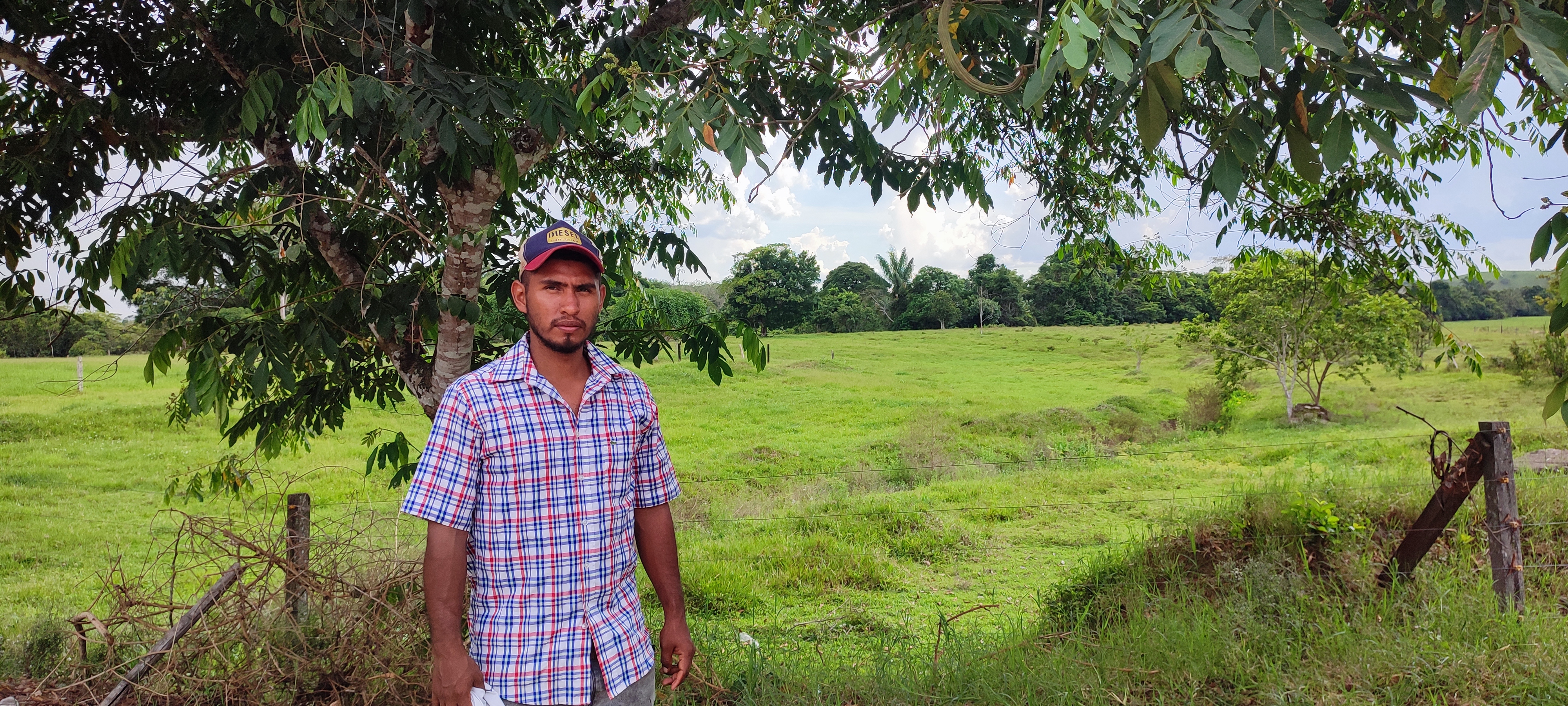
In Colombia, P-PD is taking root through a partnership with regional rural innovation organization Procasur and the Alliance of Bioversity International and CIAT, across four municipalities in Caquetá. Its progress has been limited by unique contextual challenges and vulnerabilities such as ongoing disruptive conflict, land use and ownership uncertainties, extremely high deforestation rates, and lack of clarity on the extent to which local farmers engage in illegal drug production and mining. However, an online knowledge-sharing platform has been developed for pioneer livestock farmers to showcase climate-smart practices, and the team is considering a focus on biodiversity on dairy farms to help smallholders benefit from carbon financing.
What’s next?
By nature, farmer-led climate adaptation is extremely context-specific. Scaling the approach, then, requires upskilling organizations and institutions in process and principles, rather than specific techniques. As such, said Gichuki, ‘we want to document the methodology: to prepare materials that others can use to implement a similar process, or adapt it to approach different stakeholders.’ Policy and extension support for collaboration and co-design—and a greater focus internationally on climate justice for livestock keepers in low and middle income countries—will support the approach to be embedded further, said the researchers.
As scaling takes off, it will be critical to continue supporting individual pioneers on their innovation journeys, said Kiplagat. ‘We need to lobby for continuous capacity development of pioneers, through strengthening of collaboration with partners and stakeholders to further support them in the areas of feeding, disease control, clean energy, record keeping and agribusiness,’ he said. Whilst such support expands, the privileging of farmers’ ideas and experiences will remain central to the approach and its impact.
‘We have become aware that farmers' knowledge can bring solutions to climate change,’ said Doreen Mitey. ‘Today, we know that “change begins with you”.’
--
Learn more
- Habermann B & Crane T. 2024. Supporting collaborative action for sustainable solutions: Locally-led adaptation as a policy instrument for climate change adaptation practices. Nairobi, Kenya: ILRI. https://hdl.handle.net/10568/172663
- Habermann B et al. 2022. The art of letting go: Transforming participatory research on adaptation practices among local livestock-keepers in East Africa in times of COVID-19. Frontiers in Sustainable Food Systems 5. https://doi.org/10.3389/fsufs.2021.768445